Choose LEDs that fit your space, install with proper power, then fine‑tune color and dimming.
If you want a simple, reliable way to light your home, office, or studio, LEDs are the answer. In this hands-on guide on how to use LED lights, I’ll show you what to buy, how to plan a layout, how to wire and mount strips or bulbs, and how to add smart control without headaches. You’ll get pro tips, real examples, and clear steps that help you choose once and install right.

LED basics you should know
If you want to learn how to use LED lights, start with the core terms. Lumens tell you how bright the light is. Watts tell you how much power it uses. More lumens per watt means better efficiency.
Color temperature sets the mood. Warm white (2700–3000K) feels cozy. Neutral white (3500–4100K) works for tasks. Daylight (5000–6500K) looks crisp and cool. CRI measures color quality. A CRI of 90+ makes colors look true and rich.
LEDs last a long time because they run cool and waste less power. Good drivers protect them from flicker and spikes. Most quality LEDs cut energy by more than half compared to old bulbs.

Choose the right LED for each room
When you plan how to use LED lights in a home, match the light to the job. Bedrooms like warm, dimmable light. Kitchens and offices need bright, even task light. Hallways benefit from soft, safe light at night.
Pick by the numbers, not by guesswork:
- Brightness target: 20–30 lumens per square foot for living rooms; 50+ for task areas.
- Beam angle: Wide beams flood a room. Narrow beams accent art.
- Color: Keep one color temperature per space for a clean look.
- CRI: Aim for 90+ near food, makeup, art, and wood finishes.
From my projects, matching beam angle and color first prevents most regrets. Clients who did this once never asked to swap again.
Safety and power basics
To master how to use LED lights, follow simple safety rules. Turn off power at the breaker before you start. Use listed parts that match your local code.
Check the label:
- Mains bulbs: Match base type and voltage (120V in most US homes).
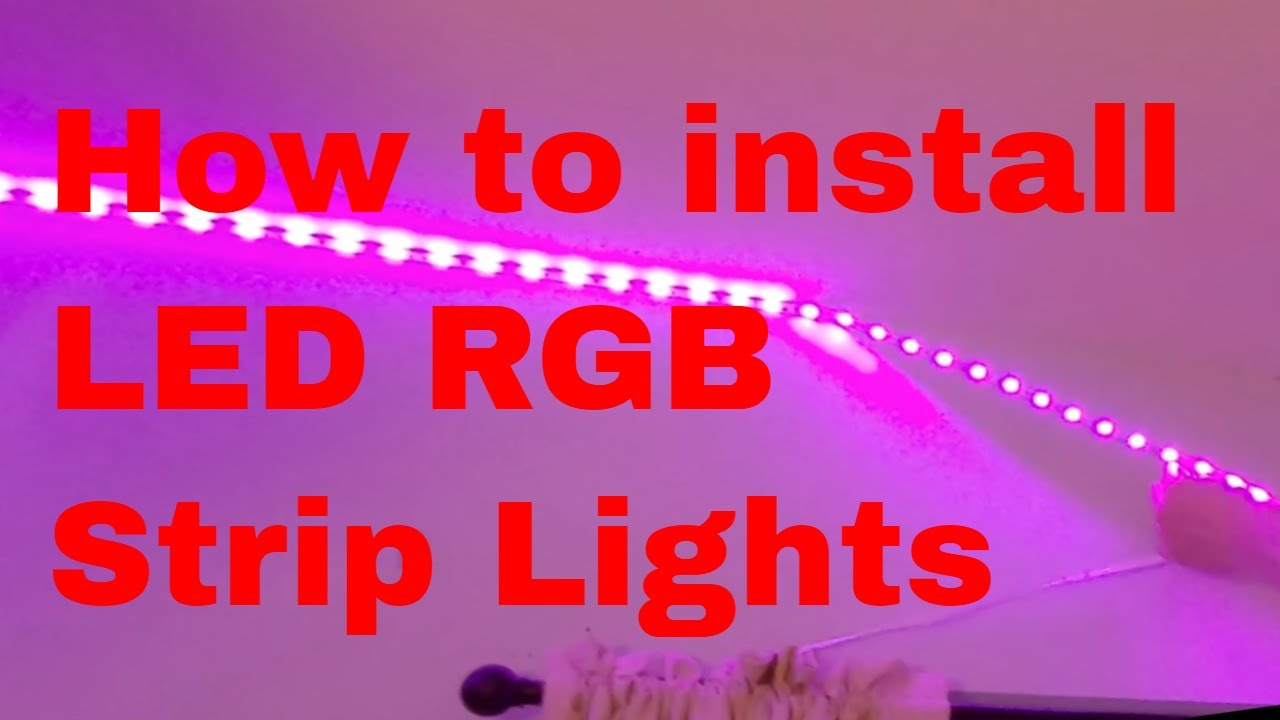
- Strips and puck lights: Confirm 12V or 24V DC. Use a driver with enough watts and headroom.
- Dimmers: Use LED-rated dimmers to prevent flicker.
For outdoor use, check the IP rating. IP65 or higher resists water spray. Use weatherproof boxes, seals, and proper strain reliefs.

Plan a lighting layout that fits your life
Good plans make it easy to decide how to use LED lights with style and comfort. Think in layers: ambient, task, and accent. Ambient lights fill the room. Task lights help you work. Accent lights add drama.
Simple planning steps:
- Map what you do in each area.
- Mark shadows and glare spots at night.
- Choose color temperature and CRI for the whole space.
- Sketch fixture spots with beam spreads and heights.
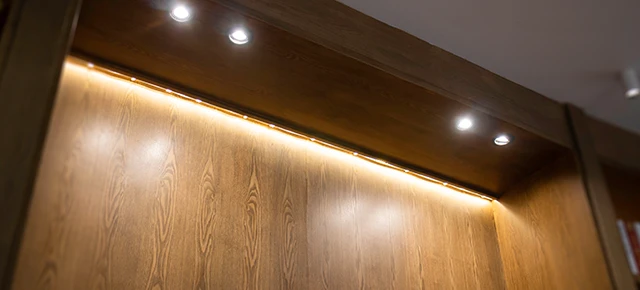
A quick story. I once added under-cabinet strips in a small kitchen. We chose 3000K with a high CRI. Chopping veggies became safer, and the stone backsplash looked amazing. Small change, big upgrade.
Step-by-step: install LEDs the right way
Here is how to use LED lights during install without stress. Start small. Test before you mount for good.
Bulb swaps (fast win):
- Turn off the switch. Let the old bulb cool.
- Remove the bulb and check the base type.
- Install a dimmable LED if you have a dimmer.
- Turn power on and test.
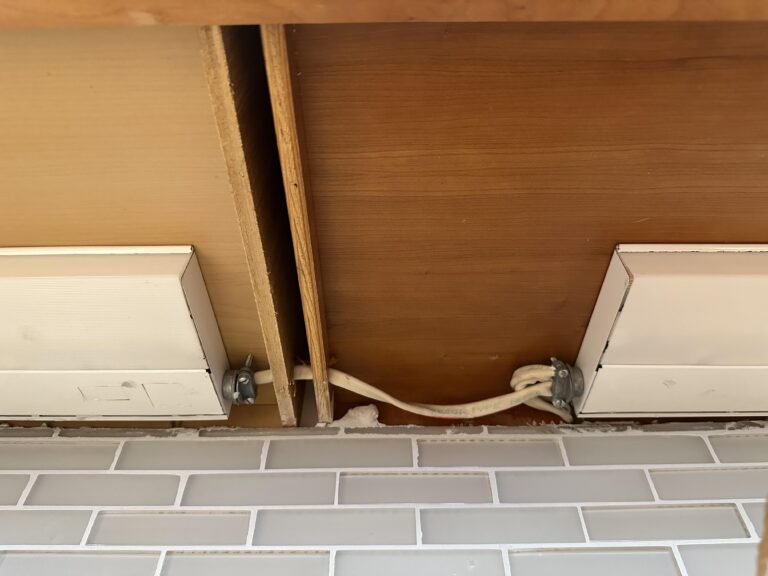
Under-cabinet LED strips:
- Measure the run. Add 10% extra for cuts and corners.
- Pick 12V or 24V strips, aluminum channel, diffuser, and a driver.
- Dry-fit the parts. Test the strip on the driver.
- Clean the surface. Stick the strip or mount in channels.
- Hide wires. Connect to a switch or smart controller.
- Dim and check for hot spots. Use a diffuser to soften dots.
Recessed downlights:
- Choose IC-rated, airtight housings for insulated ceilings.
- Space cans by ceiling height. A quick rule is one can per 4–6 feet.
- Wire to a LED-rated dimmer. Follow the wiring diagram.
- Snap in trims. Set color temp if the unit allows.
Outdoor path lights:
- Pick low-voltage fixtures with an IP rating that fits your climate.
- Use outdoor-rated cable and a landscape transformer.
- Test layout at dusk. Aim beams to avoid glare.
- Bury cables shallow with markers for future fixes.
Pro tip: Pre-test every run on the bench. I once saved hours by catching a bad connector before mounting 30 feet in the air.
Controls, dimmers, and smart features
A big part of how to use LED lights well is control. Dimming adds mood and saves power. Smart scenes make daily life simple.
Choose the right gear:
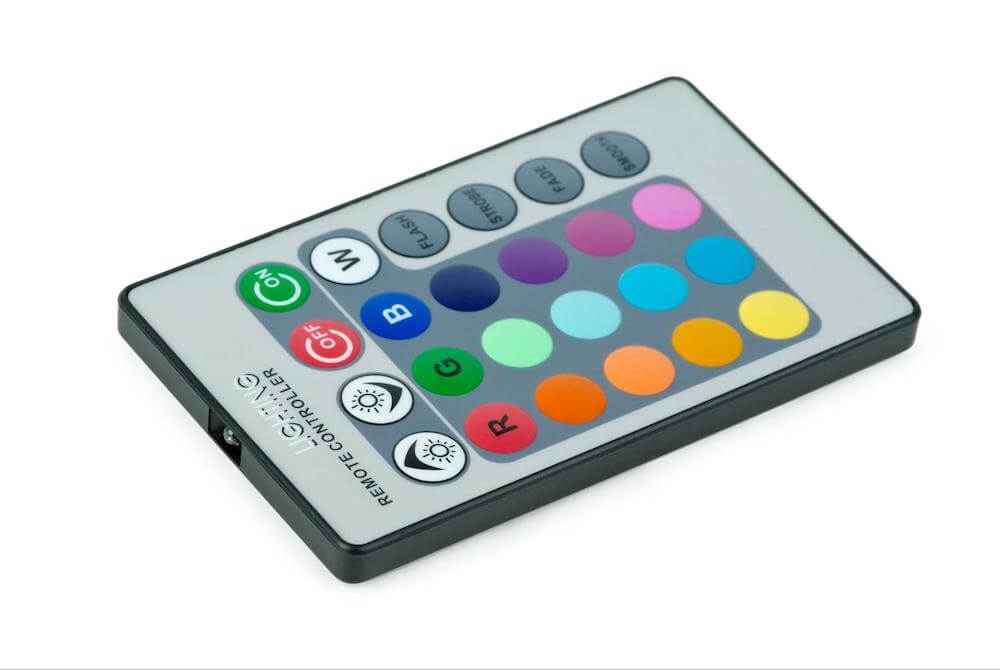
- Dimmers: Use ELV or LED-rated forward-phase models. Check the dimmer’s LED watt range.
- Drivers: For strips, match voltage and add 20–30% headroom.
- Smart bulbs: Great for renters. No extra wiring.
- Smart switches: Better for whole rooms and mixed fixtures.
Set up helpful scenes:
- Morning: Soft warm light at 20–40% to ease into the day.
- Focus: Neutral light at 70–100% for tasks.
- Wind down: Warmer light below 30% to cue sleep.
I like voice control for messy tasks in the kitchen. “Lights 100%” beats greasy hands on a dimmer.
Maintenance and quick fixes
Knowing how to use LED lights includes easy care. Dust lenses and diffusers a few times a year. Keep vents clear so drivers stay cool.
If you see issues:
- Flicker or buzz: Try a different LED-rated dimmer or add a compatible driver.
- One strip is dim: Check polarity and connectors. Look for a loose splice.
- Color shift: Replace old or mixed strips. Keep spares from the same batch.
- Dead bulbs: Swap first. If many fail, check voltage and heat.
Most problems come from mismatch. When parts are made to work together, trouble fades fast.
Energy and cost: make the math work
Part of learning how to use LED lights is seeing the savings. LEDs use far less power and last much longer. The payback is often within a year or two for busy rooms.
Quick check:
- Replace a 60W bulb with a 9W LED.
- Use it 3 hours a day. That saves about 56 kWh per year per bulb.
- At common rates, that is real money over time.
For strips and downlights, measure actual draw. Add up the watts. Size the driver with headroom so it runs cool and lasts.
Creative ways to use LEDs at home and work
If you want to explore how to use LED lights beyond basics, try these ideas. They add life and function without a big budget.
Simple wins:
- Under-cabinet task light to boost safety and style.
- Toe-kick strips as night lights that guide your path.
- Backlighting TVs to ease eye strain in dark rooms.
- Shelf and art accents to bring out texture and color.
- Closet lights on sensors for hands-free use.
At work:
- Desk lamps with high CRI for color work.
- Linear lights with low glare for long sessions.
- Motion sensors in halls and storage to save power.
I love adding a dim, warm strip on a headboard. It feels like a hotel suite every night.
Sustainability and end-of-life
Being wise about how to use LED lights also means thinking green. LEDs last years, so you throw out less. They cut energy waste and lower carbon output.
When it is time to replace, do not put LEDs in the trash if your area offers recycling. Many stores and towns collect old bulbs and drivers. Keep packaging or notes on models so you can match parts later.
Frequently Asked Questions of How to Use LED Lights
How bright should my LED be for a bedroom?
Aim for 10–20 lumens per square foot for a calm feel. Add bedside task lights for reading without glare.
Can I use any dimmer with LEDs?
No. Use LED-rated dimmers that match your load type and watt range. This helps prevent flicker and buzzing.
Do LED strips need a special power supply?
Yes. Most strips need a 12V or 24V DC driver with enough watts plus headroom. Match voltage and polarity to avoid damage.
What color temperature is best for a kitchen?
Neutral white around 3500–4000K gives clean, bright task light. Use 90+ CRI to make food and surfaces look true.
Are LEDs safe outdoors?
Yes, if rated for weather. Look for IP65 or higher, use outdoor boxes, and seal all connections.
How do I stop LED flicker on camera?
Use high-quality drivers with high-frequency output. Set shutter speed to avoid sync with mains flicker.
Can LEDs help plants grow?
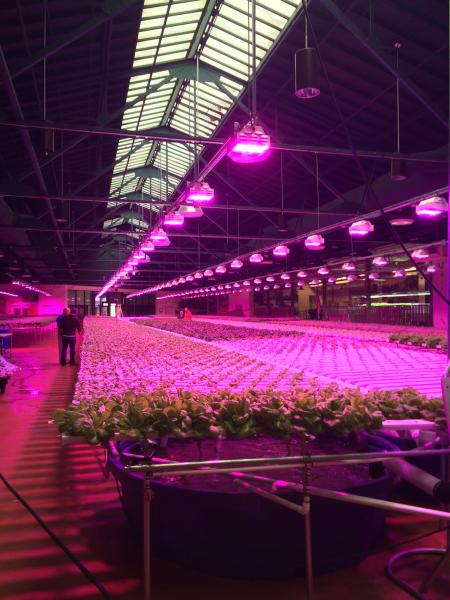
Yes. Use horticulture LEDs with the right spectrum and PPFD. Keep heat and distance in check to avoid leaf burn.
Conclusion
You now know how to use LED lights with confidence. Choose the right color and CRI, plan your layers, match drivers and dimmers, and install with care. Then add smart scenes to fit your day.
Start with one room. Swap bulbs, add a strip, or tune a dimmer. See how it feels, then scale the same system across your space. If you found this useful, subscribe for more guides, or drop a comment with your next lighting challenge.