Measure your space, match shape to room, and choose sturdy, low-maintenance materials.
If you want to know how to pick the perfect dining table, start with the room you have and the way you live. I have helped many families turn tight rooms into warm hubs where meals flow and homework happens. This guide shows how to pick the perfect dining table with clear steps, field-tested tips, and simple rules you can trust.

Measure Your Space Like a Pro
Great rooms start with good measurements. Grab a tape, painter’s tape, and your phone. Mark the table footprint on the floor so you can walk around it. Sit on chairs you already own to test clearances.
Follow these core rules that most design guides agree on:
- Leave at least 36 inches of space from table edge to wall or furniture so people can pull out chairs and pass.
- Aim for 42 to 48 inches if the area is a main walkway or near doors.
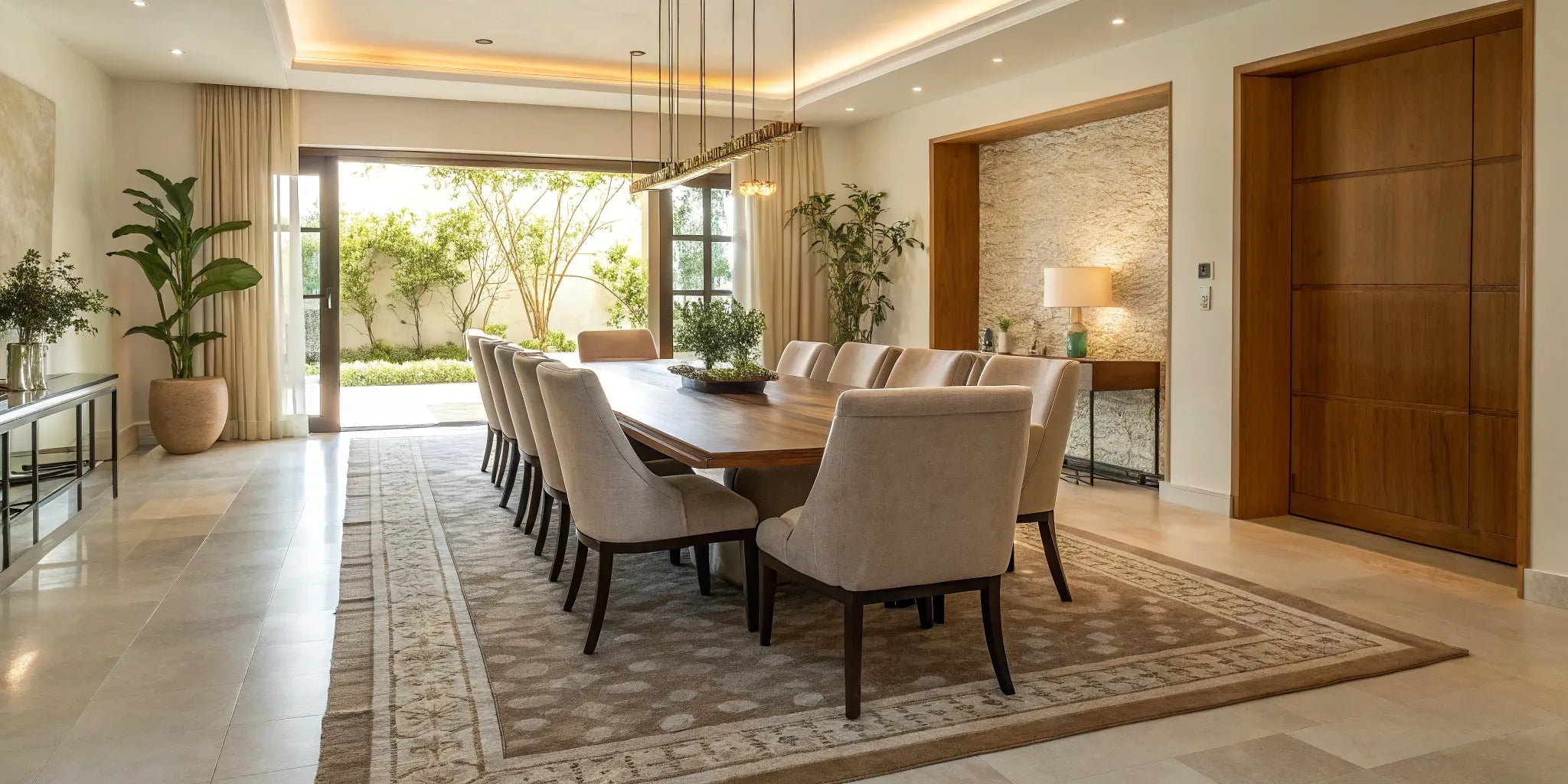
- If you plan a rug, leave about 24 inches beyond the table on all sides so chairs stay on the rug when pulled out.
A quick formula helps when you wonder how to pick the perfect dining table. Subtract 72 inches from your room length and width. The result is your max table size. For example, in a 12 by 10 foot room, a table around 6 by 3 feet fits with safe space.
When clients ask me how to pick the perfect dining table for an open plan, I block the table area with tape and place a few chairs. We do a “walk test” at dinner time. If two people cannot pass with plates, we size down.

Choose the Right Shape for Your Room
Shape guides flow and talk. Your room often tells you which one works best.
- Rectangle fits most rooms and seats the most people for the size. It feels formal and flexible.
- Round is great for square rooms and small groups. It promotes easy talk and good eye contact.
- Oval blends the benefits of round and rectangle. It softens tight corners and suits narrow rooms.
- Square suits square rooms or pairs well with a built-in bench. It can feel cozy but less flexible.
Pedestal bases open up legroom on round and oval tables. Four legs are classic but can block chairs at the corners. If you are learning how to pick the perfect dining table, match shape to room first. Then consider the base.
Sizing Rules: Seats, Clearance, and Flow
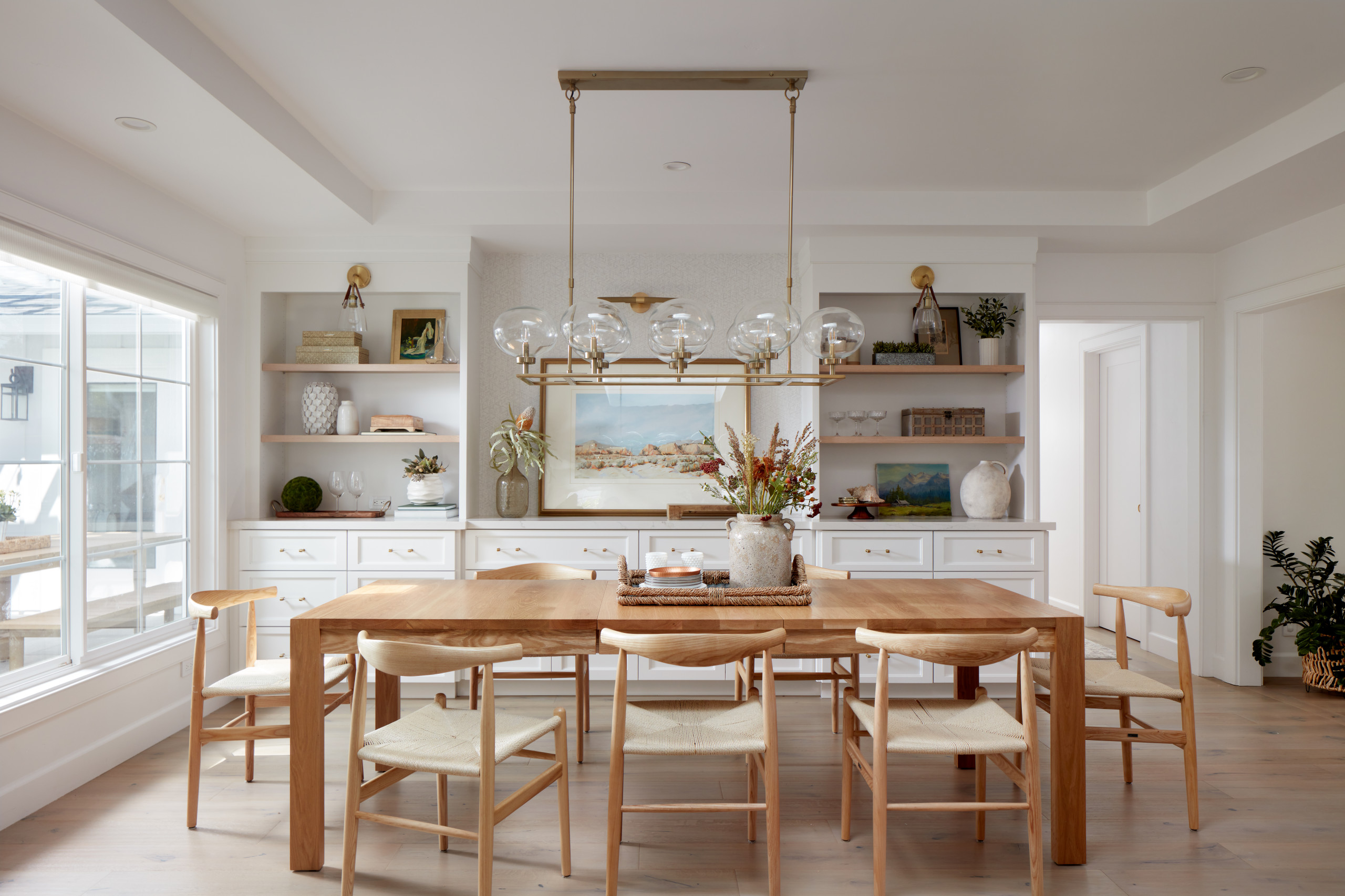
Seat count depends on width per person and the base. Simple rules keep it stress free.
- Allow about 22 to 24 inches of width per person.
- For comfort, table width should be 36 to 42 inches. Narrower than 36 inches feels tight for serving dishes.
- Standard table height is 28 to 30 inches. Many chairs have seats at 17 to 19 inches. Keep a 10 to 12 inch gap from seat top to table underside.
Watch the apron and the base. Thick aprons cut into knee room. Wide trestles can block chairs. When clients ask how to pick the perfect dining table for six, I suggest 72 inches by 36 to 40 inches. For eight, 84 to 96 inches length works for most bases.
Testing helps. Sit with a friend at a store table. Push chairs in and out. Check knees under the apron. This hands-on step is key in how to pick the perfect dining table.

Materials and Finishes That Last
Your table is a work surface. Choose materials that match your life, not just the look.
- Solid wood is warm and repairable. Oak, ash, maple, and walnut are strong. Dents can be sanded and refinished.
- Wood veneer on a stable core can be durable and lower cost. Look for thick, even veneer and sealed edges.
- High-pressure laminate resists stains and heat. It is easy care and budget friendly.
- Stone, like quartz or granite, is hard and heat resistant. It is heavy and may etch or chip at edges.
- Glass makes a room feel light. It shows smudges and needs steady cleaning.
- Metal tops are modern and tough. Brushed finishes hide wear better than mirror finishes.
Finishes matter. Hard varnish and catalyzed finishes resist spills and heat better than oil alone. Oil finishes feel soft but need more care. If you are unsure how to pick the perfect dining table for messy meals, choose a sealed finish that passes basic heat and stain tests in store demos.
Build Quality and Joinery Checks
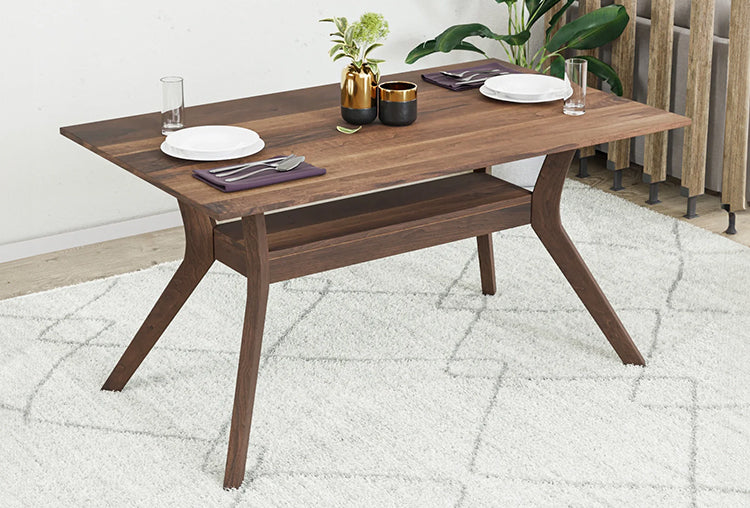
A stable table is safer and lasts longer. Quality build shows in the details.
- Check joints. Mortise and tenon, dowels, or metal brackets with corner blocks add strength.
- Push the table side to side. Minimal wobble means a solid frame and tight joinery.
- Look under the top. Solid support rails and well-fitted aprons prevent sag.
- Test leaves and slides. They should move smooth, lock firm, and sit level.
- Feel the edges. A soft radius is kid friendly and chip resistant.
Top thickness of about 1 inch looks right and holds up. Thicker is fine if weight is managed. If you want to know how to pick the perfect dining table online, ask for specs, joinery photos, and a wobble test video. A good retailer will share them.

Extendable Tables and Small-Space Solutions
Many homes need flexibility. Extensions help you host without swallowing the room.
- Butterfly leaves fold and store inside. They set up fast and stay with the table.
- Removable leaves store in a closet. Check storage space and match leaf finish.
- Drop-leaf and gateleg styles tuck away for tight rooms or studio spaces.
For studios, I like round pedestal tables with a leaf. They seat four daily and six on weekends. A bench on one side saves space and slides fully under. If space is tight and you wonder how to pick the perfect dining table, choose compact depth and a base that frees legroom.
Style, Color, and Cohesion
Your table should fit your home’s story. You do not need a matchy set.
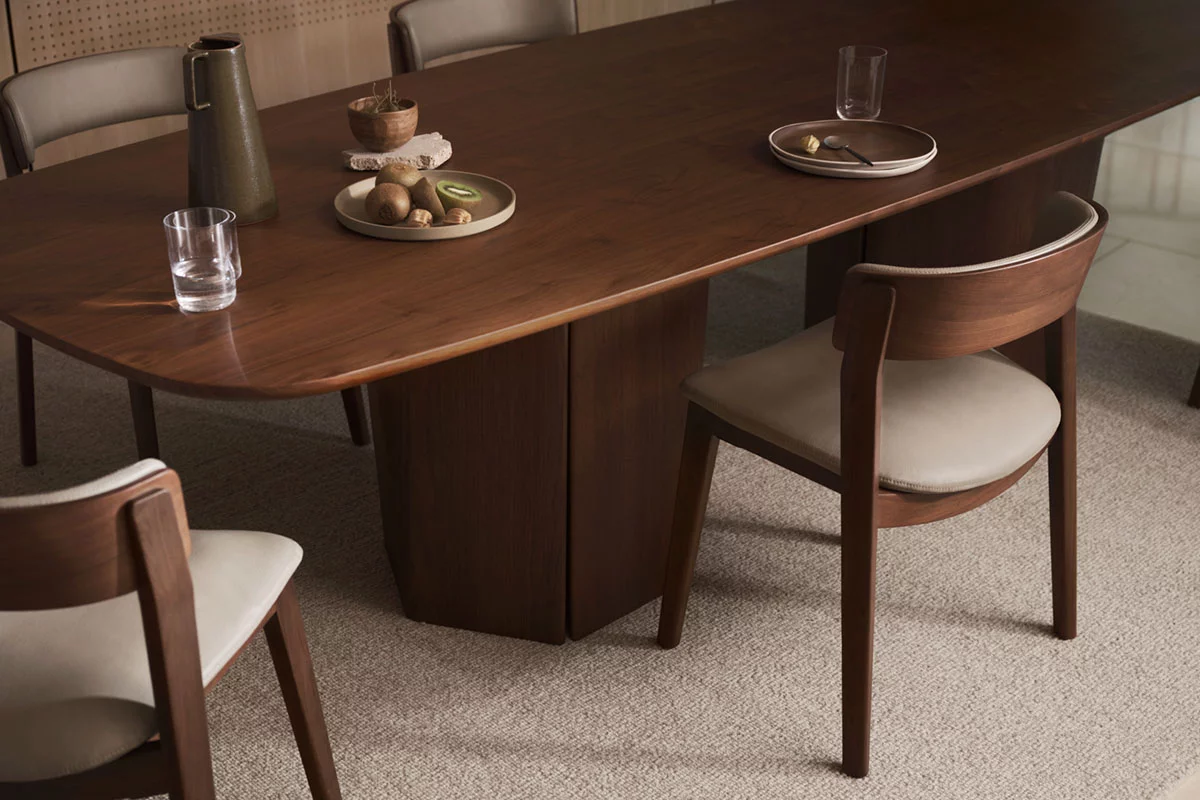
- Mix woods with intent. If floors are dark, try a medium or light table for contrast.
- Use texture. Wire-brushed oak hides wear. Satin finishes show fewer marks than high gloss.
- Balance shapes. Round lights over a rectangular table soften the look.
- Tie the room with repeat tones. Echo the table finish in a frame, shelf, or chair leg.
When clients ask how to pick the perfect dining table that will not date fast, I steer them to simple lines and honest materials. Trends come and go. Proportions and comfort never age.
Comfort: Chairs, Ergonomics, and Height
A perfect table fails if the chairs hurt. Check the fit together.
- Keep 10 to 12 inches between chair seat and table underside.
- Armchairs need about 26 inches of table clearance for the arms to slide under.
- Leave 4 inches between chairs for elbow room.
Measure the chair width at the widest point. Many chairs are 18 to 20 inches wide. On a 72 inch table, three chairs per side may crowd. When you learn how to pick the perfect dining table, test chairs at the same time and bring one from home if you can.
Budget, Value, and Sustainability
Set a budget that reflects daily use. Pay for strength and finish first. Style is easy to change with linens and chairs.
- Spend on the table frame and slides if you need extensions. These parts take stress.
- Seek warranties on slides, finishes, and frames.
- Look for wood from managed forests and low-VOC finishes.
- Shop secondhand for solid wood. A light refinish can save money and reduce waste.
A clear plan helps when you are sorting how to pick the perfect dining table on a budget. Decide non-negotiables, like size and easy care. Then flex on style details.
Care, Maintenance, and Longevity
Good care keeps the table fresh for years. Match care to the finish.
- Use coasters and heat pads. Avoid direct hot pots on any finish.
- Wipe spills fast. Water and wine can mark wood if they sit.
- For oil finishes, re-oil when the surface looks dry. For sealed finishes, use a mild soap and water.
- Keep humidity stable to prevent wood movement. Aim for 35 to 55 percent.
Move with care. Lift the table from the frame, not the top. Remove leaves before moving. When clients ask how to pick the perfect dining table that ages well, I say choose a repairable surface and care habits you can keep.
Buying Checklist and Decision Steps
Use this fast path when you shop. It will keep you calm and clear.
- Measure the room, doors, stairs, and elevators. Note clearance goals of 36 to 48 inches.
- Choose shape based on room geometry and flow.
- Set seating needs for daily and peak use.
- Pick material and finish that match care habits.
- Test stability, knee room, and leaf action in person if you can.
- Confirm delivery path and weight. Ask for white-glove if needed.
- Review warranty and return terms. Keep all receipts and care guides.
Print this list or save it on your phone. It is a simple way to remember how to pick the perfect dining table under showroom lights or on a busy website page. Share the plan with your family so everyone has a say.
Frequently Asked Questions of How to Pick the Perfect Dining Table
What size dining table do I need for six people?
Aim for about 72 inches long and 36 to 40 inches wide. Allow 22 to 24 inches per person so elbows are comfortable.
Is round or rectangular better for small spaces?
Round works well in square or tight rooms because it eases flow. A pedestal base lets you squeeze in extra chairs.
What table material is best for families with kids?
Sealed wood, high-pressure laminate, or quartz-style tops are easy to clean and resist stains. Choose soft, rounded edges for safety.
How high should a dining table be?
Most tables are 28 to 30 inches high. Pair them with chairs that have 17 to 19 inch seat height.
Are extendable tables worth it?
Yes if you host a few times a year but need space day to day. Test the slide and locks to be sure they are smooth and sturdy.
Conclusion
You now know how to measure, size, and choose for comfort and style. When you ask how to pick the perfect dining table, start with space, shape, and daily life. Then back it up with strong build and an easy-care finish.
Try the tape test this week. Count seats, check walkways, and shortlist two shapes. If you found this helpful, share it, subscribe for more room guides, or leave a comment with your room size and style. I am happy to help you pick the perfect dining table.