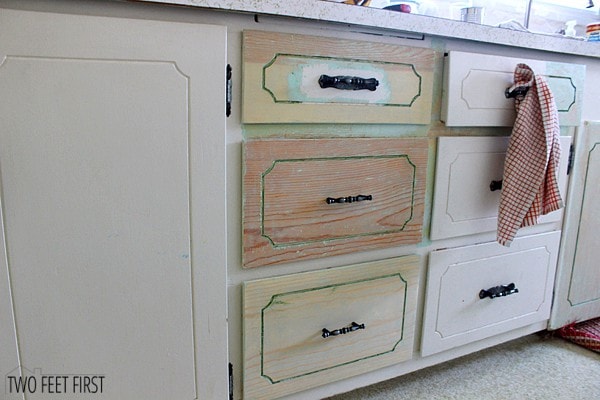
Remove paint with stripper, heat, or sanding, then clean and refinish.
If you want to know how to remove paint from cabinets the right way, you are in the right place. I have stripped, saved, and refinished many tricky doors and drawers. I will show you safe, tested steps and pro tips. Read on to avoid damage and get a smooth, ready-to-finish surface.
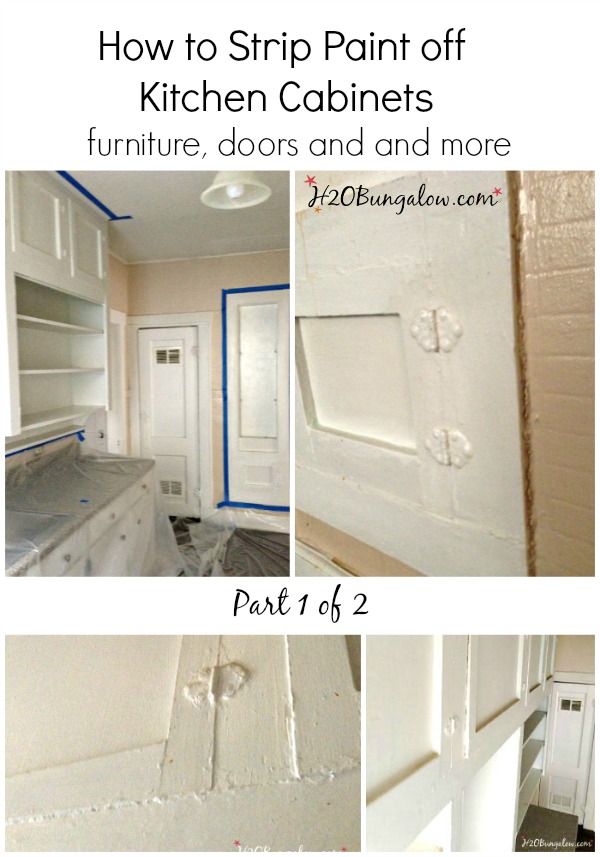
Understand Your Cabinets and the Paint
First, learn what you have. Solid wood can take more heat and sanding. Veneer and MDF need gentle care. Laminate is a printed layer and does not strip like wood.
Next, learn the paint. Water-based latex feels rubbery and gums up sandpaper. Oil or alkyd feels hard and chips. Factory baked enamel needs strong methods. If your home is older than 1978, test for lead. If you find lead, use lead-safe steps or hire a pro before you try how to remove paint from cabinets.

Safety, Prep, and Setup
Good prep makes the job smooth and safe. Work in a ventilated area. Open windows. Use a fan to pull air out.
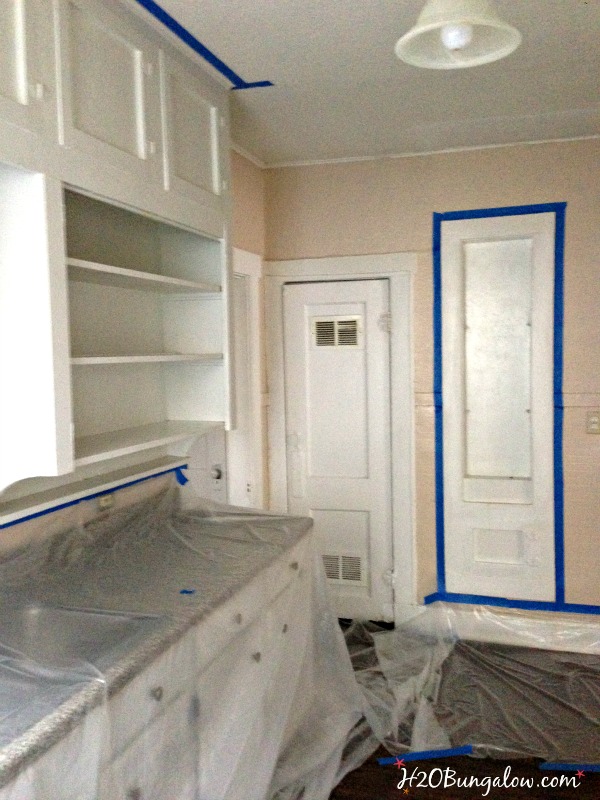
Wear gloves, eye protection, and a NIOSH-rated respirator. Use a HEPA vac if you sand. Lay rosin paper or plastic. Label and bag all hinges and pulls.
Remove doors and drawers. Number parts with tape. Clean grease with degreaser. Do a small test on the back of a door. If you suspect lead, avoid dry sanding. Use plastic to seal the work zone and clean with a HEPA vac. This step matters for anyone learning how to remove paint from cabinets without risk.

Choose the Right Removal Method
There is no single best way. Match the method to your material, paint, and goal. Here is how I choose in the shop.
- If paint is thick with many layers: Use a chemical stripper first.
- If paint is brittle and not too thick: Use a heat gun and a scraper.
- If paint is thin and you plan to repaint: Sand and spot-strip details.
- If you want a clear wood finish: Strip, then clean the pores before sanding.
PAA-style quick answers:
- What removes latex fastest? A citrus or benzyl alcohol stripper softens latex fast and safe.
- Can I use a heat gun on veneer? Only with care. Keep the gun moving and use low heat.
- Should I sand first? Sanding first can clog. Strip or heat first, then sand clean.
Choose with care to speed up how to remove paint from cabinets and protect the wood.
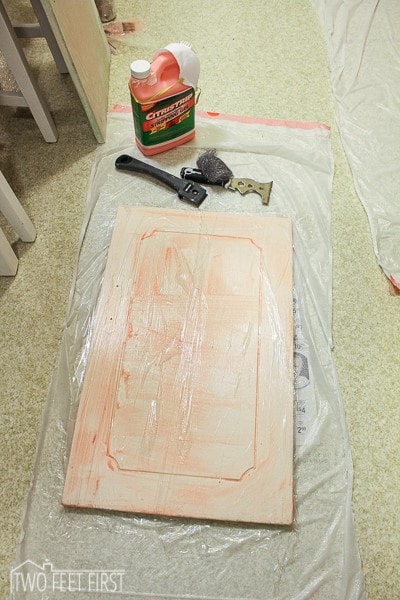
Step-by-Step: Chemical Paint Stripper
Modern strippers come in gels, pastes, and semi-paste forms. Avoid methylene chloride at home. It is banned for consumer use. Safer picks include benzyl alcohol blends, d-limonene citrus gels, and caustic lye gels. NMP works, but many avoid it due to health risks. Read the label and follow it.
Steps I use:
- Brush on a thick coat. Do not skimp. Work one side at a time.
- Let it dwell per label. Do not rush. Cover with plastic wrap for stubborn coats.
- Scrape with a plastic scraper. Use light pressure. Pull with the grain.
- Use detail tools. Try a card scraper, nylon or brass brush, and skew chisels for grooves.
- Repeat as needed. Thick paint can need two or three rounds.
- Clean the residue. Use the recommended solvent. Water, mineral spirits, or vinegar for caustic gels. Do not soak veneer or MDF.
- Let it dry well. Then move to sanding.
Keep rags in a metal can with a lid. Follow local rules for waste. This is a safe, steady way for how to remove paint from cabinets without heavy sanding.
Step-by-Step: Heat Gun and Scraping
Heat is great for hard, old oil paint. It lifts the bond and lets you scrape in sheets.
Use a quality heat gun with a dial. Start at a medium setting. Warm a small area until paint blisters. Keep the gun in motion. Scrape with a sharp putty knife or a card scraper. Aim the scraper at a low angle. Work with the grain. Do not scorch the wood. Empty any shavings into a metal bin.
If you suspect lead, do not burn paint. Use lower heat and a HEPA vac. Never use an open flame. Avoid heat on thin veneer and laminate. Heat can cause bubbles or lift glue. Used with care, heat is a fast route for how to remove paint from cabinets on solid wood frames.

Step-by-Step: Sanding the Right Way
Sanding alone can be slow. But it is key for the final surface. Use it with stripping or heat.
Use an orbital sander on flat areas. Start with 80 or 100 grit to remove residue. Move to 120, then 150 or 180. Keep the sander moving to avoid swirls. Use a foam pad or hand block for profiles. Try flexible sanding sponges for grooves and rails. Hook the sander to a HEPA vac.
Do not oversand veneer. Stop as soon as the wood is clean. For lead paint, avoid dry sanding. Wet-sand only if you follow lead-safe rules. Proper sanding sets up a flawless finish and completes how to remove paint from cabinets with a smooth base.

Clean, Neutralize, and Repair the Surface
After stripping, the surface needs a full clean. Wipe with the recommended solvent. Remove all sludge and soft paint. Change rags often. Let the wood dry.
Neutralize caustic strippers per label. Vinegar and water can help with lye-based gel. Do not drown the wood. After drying, fill dings and old handle holes. Use a stainable wood filler or a two-part epoxy for strong edges. Sand repairs flush.
If you plan to stain, wipe with mineral spirits to spot any residue or glue. Address these small steps to finish how to remove paint from cabinets the smart way.

Finishing Options and Aftercare
Now choose your finish. For a clear look, use a sanding sealer, then a water-based polyurethane. It dries fast and stays clear. For a rich look, stain first, then topcoat. For repainting, use a bonding primer that grabs slick spots. Then use a durable cabinet enamel.
Lightly sand between coats with 220 or 320. Wipe dust with a tack cloth or a damp microfiber. Let finishes cure per label before reassembly.
Swap old hinges for soft-close. Upgrade pulls. These small steps make the work shine and round out how to remove paint from cabinets from start to finish.
Troubleshooting and Pro Tips From the Field
Here are lessons I learned the hard way. They will save you time.
- Stubborn corners: Warm the area, then scrape with an old credit card. It hits grooves without gouging.
- Gummy latex: Citrus gel, plastic wrap, and patience beat brute force.
- Sanding swirls: Keep the sander flat. Slow passes. Vacuum often.
- Veneer edges: Do not flood with solvent. Support the edge with painter’s tape while you work.
My first big strip job was a 12-door oak set. I rushed the dwell time and scraped early. I had to strip twice. Since then, I lay it on thick and wait. That one change cut my total hours by a third. Use these tips to master how to remove paint from cabinets with less stress and better results.
Cost, Time, and Tool Checklist
Plan your budget and hours. A small kitchen can take one to three weekends. Materials may cost 50 to 200 dollars. A full pro refinish can run into the thousands.
Core tools and supplies:
- Respirator, gloves, and eye protection
- Plastic sheeting, tape, and drop cloths
- Chemical stripper or a heat gun
- Plastic scraper, card scraper, and brushes
- Orbital sander, sanding blocks, and grits from 80 to 320
- Solvents for cleanup and rags
- Wood filler or epoxy and a putty knife
- HEPA vac and tack cloths
With a plan and the right kit, you can handle how to remove paint from cabinets on a fair budget.
Frequently Asked Questions of how to remove paint from cabinets
Is chemical stripper or heat better for most cabinets?
Both work. Use stripper for many layers and fine details. Use heat for brittle oil paint on solid wood.
Can I remove paint from laminate cabinets?
Not like wood. Laminate has no grain to strip. Clean, scuff, and repaint, or replace panels.
How do I know if my paint has lead?
Use an at-home swab test. If it is positive or you are unsure, follow lead-safe rules or hire a certified pro.
What grit should I finish sanding before paint or clear coat?
Stop at 150 to 180 for paint. For clear coats, go to 180 or 220 to keep good stain absorption.
How long should I wait after stripping before refinishing?
Let the wood dry at least overnight. Longer if humid. Test by touch and by how the surface sands.
What primer should I use after removing paint?
Use a bonding primer for slick areas. For stains or tannin, use a stain-blocking primer before your topcoat.
Do I need to neutralize the surface after a caustic stripper?
Yes. Follow the label. A mild acid rinse, like diluted vinegar, helps. Then allow full dry time.
Can I use a pressure washer on cabinet doors?
No. It will raise grain and can warp panels. Keep water use low and controlled.
How do I keep from gouging the wood when scraping?
Use a plastic scraper or a sharp card scraper at a low angle. Work with the grain and apply light, steady pressure.
Will sanding alone remove thick paint?
It can, but it is slow and clogs paper. Strip or heat first, then sand for a clean, smooth base.
Conclusion
You now know how to remove paint from cabinets with safe, proven steps. Test your method, work in stages, and protect the wood. Use stripper, heat, and sanding in the right order. Then clean, repair, and refinish with care.
Pick one door as your pilot. Nail the process. Then finish the rest with speed and confidence. If this guide helped, share it, leave a comment with your results, or subscribe for more DIY tips.