Use prompt pretreatment, the right solvent, and gentle washing to lift most stains.
I’ve worked with fabrics and laundry for years, testing methods that really work. This guide on how to remove stains from clothes walks you through why stains set, step-by-step treatments for common types, safe household solvents, and when to call a pro. Read on for practical, experience-backed tips that help you rescue garments without guessing.
:max_bytes(150000):strip_icc()/RemoveStain_FoodandDrink1-224f085d72c548328897fe1bbf06019d.jpg)
Why stains happen and how fabrics react
Stains form when foreign substances bond to fibers. Some bind with oils, others with proteins or dyes. Understanding the stain type helps pick the right treatment and prevents damage to the fabric. When you know how to remove stains from clothes by matching solvent to stain, you avoid spreading or setting the mark.
:max_bytes(150000):strip_icc()/stain-removal-tips-1900644-final-4b3ccb1ecfe043729f7237c85dd19be2.png)
Quick step-by-step stain removal process
Follow this simple routine for most stains. It keeps treatments safe and effective.
- Step 1: Act fast. Blot excess with a clean cloth; don’t rub.
- Step 2: Identify the stain type (oil, protein, dye, tannin).
- Step 3: Pretreat with a targeted solvent or detergent.
- Step 4: Rinse with cold water for protein stains, warm for oily stains when appropriate.
- Step 5: Wash per garment care label and air-dry to check results before machine drying.
These steps are the backbone of how to remove stains from clothes and prevent permanent damage.
:max_bytes(150000):strip_icc()/RemoveStain_OutdoorandHousehold-4c99ad272b9c4474b844278a681f61e6.jpg)
Stain-specific solutions
Below are common stains and reliable treatments. Test treatments on a hidden seam first.
Oil and grease
Oil soaks into fibers and repels water. Pretreat with liquid dish soap or laundry detergent enzyme-based pretreater. Let sit 10–15 minutes, then wash in warm water if the fabric allows.
Blood and other protein stains
Protein stains set in hot water. Rinse cold immediately. Soak 30 minutes in cold water with enzyme detergent or a small amount of salt, then launder in cold water.
Coffee, tea, and other tannins
Tannins respond to alkaline cleaners. Blot, then apply a little liquid dish soap or laundry detergent. For persistent marks, use a diluted oxygen bleach solution following package directions.
Red wine
Act quickly to blot. Sprinkle salt or baking soda to absorb liquid, then rinse. Pretreat with enzyme detergent and wash. For stubborn marks, soak in oxygen bleach solution safe for the fabric.
Ink and dye transfer
Alcohol or hand sanitizer can lift many inks. Apply a small amount to the back of the stain and blot. For fabric dye transfer, use a color-safe bleach or dye remover product designed for clothing.
Grass
Grass stains contain chlorophyll and pigments. Pretreat with an enzyme laundry product or a paste of baking soda and water. Let sit, then wash in warm water.
Makeup and foundation
Scrape excess, then apply liquid detergent or dish soap. Blot rather than rubbing. Rinse and launder; oil-based makeup often needs an oil-cutting solution like dish soap.
These targeted steps show practical ways to remove stains from clothes depending on stain chemistry.
:max_bytes(150000):strip_icc()/natural-laundry-stain-removers-4061242_V2-f1a7444936b044d7b4f60a1ccb6e1604.png)
Tools, cleaners, and safe solvents to keep at home
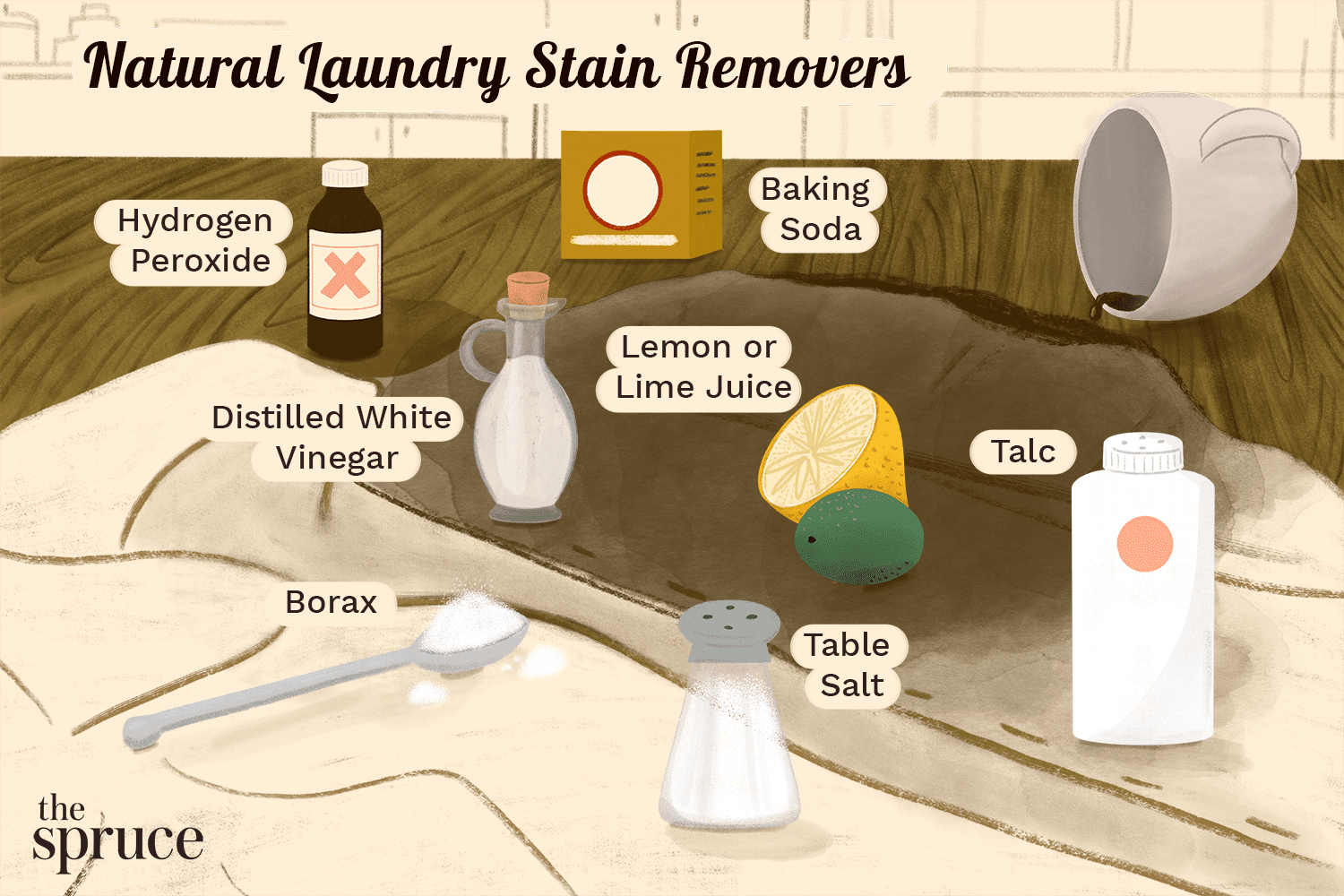
Keep a small stain kit for fast action. Essential items include:
- Liquid dish soap for oils and grease.
- Enzyme laundry detergent for protein stains.
- Hydrogen peroxide for blood and organic stains (test fabric first).
- White vinegar for mild acid treatment and odor control.
- Baking soda for absorption and gentle scrubbing.
- Rubbing alcohol for ink and pigment stains.
- Oxygen bleach (not chlorine) for brightening and stain lifting.
- Clean cotton cloths, soft brush, and a spray bottle.
Use ammonia only with care and never mix with bleach. Read garment care labels and test cleaners on an inside seam first. These supplies make it easier to remove stains from clothes quickly and safely.
:strip_icc()/powerful-stain-removal-products-to-have-on-hand-6169f46d45a3468eb7ddad161bdc3b98.jpg)
Preventing stains and routine care
Good habits reduce panic and ruined clothes. Follow these practical tips.
- Treat stains immediately or at least blot them to prevent set-in marks.
- Store stain removers and tools near the laundry area for quick access.
- Follow care labels and separate laundry by color and fabric type.
- Use apron or protective clothing when cooking or working with dyes and oils.
- Consider prewash sprays or enzyme pretreaters for frequently worn garments.
Prevention makes how to remove stains from clothes much simpler and less risky.
:max_bytes(150000):strip_icc()/how-to-remove-oil-stains-clothes-173f94477daa41b386111153ed1f1a2a.jpg)
When to call a pro and limitations
Some stains and fabrics need expert care. Take these steps.
- Send delicate fabrics like silk, wool, or embellished garments to a trusted dry cleaner when unsure.
- For stubborn dye transfer or years-old set-in stains, professional wet-cleaning or solvent treatment may be required.
- Be honest with the cleaner about what caused the stain for the best approach.
Professional services can save expensive or sentimental items that home methods might damage. Knowing limits helps protect your wardrobe.
:strip_icc()/bhg-ultimate-guide-stain-removing-hero-3x2-9611_8H1kWxIMaFCAqhoEn2E2Fs-d6f070ed197c44c0aae0a9eeae1fb4e0.jpg)
Personal experience and lessons learned
I once tried to remove a tomato stain from a linen shirt with hot water and set it. That mistake taught me to always start with cold water for protein-rich or pigment stains and to test treatments in a hidden spot. I now carry a small kit and treat stains immediately. Quick action and matching solvent to stain type are the most useful lessons.
:max_bytes(150000):strip_icc()/stain-removal-tips-1900644-final-4b3ccb1ecfe043729f7237c85dd19be2.png)
Troubleshooting and common mistakes
If a stain spreads or darkens, stop and reassess. Avoid these errors.
- Rubbing a stain can grind it deeper into fibers.
- Using hot water on protein stains sets them.
- Machine drying before the stain is gone locks it permanently.
If a home method fails, try a different targeted solvent or consult a professional. These fixes help you avoid making stains worse while learning how to remove stains from clothes.
Frequently Asked Questions of how to remove stains from clothes
How quickly should I treat a stain?
Treat stains as soon as possible for the best chance of removal. Blot excess and apply a pretreatment within minutes when feasible.
Can I use bleach on all stains?
No. Chlorine bleach can damage colors and delicate fabrics. Use oxygen bleach for color-safe whitening and follow label instructions.
Will hot water remove more stains than cold?
Hot water can help remove oily stains but will set protein stains like blood and sweat. Match water temperature to the stain type.
How do I remove an old, set-in stain?
Old stains are harder. Try repeated enzyme soaks or an oxygen bleach soak, and if that fails, consult a professional cleaner.
Is vinegar safe for all fabrics?
Vinegar works for many mild stains and odors but can affect delicate fibers and finishes. Test on a hidden area first and avoid using with bleach.
Conclusion
Removing stains from clothes is a mix of quick action, the right solvent, and care for the fabric. Use the step-by-step approach here, keep a simple stain kit, and test treatments before full laundering. Takeaway: treat stains quickly, match method to stain type, and don’t hesitate to use professional help for delicate or stubborn cases. Try these tips on your next stain, share your results, or subscribe for more practical fabric care guides.