Keep air clean, control moisture, declutter, use safe products, and maintain systems.
You want a calm, safe space that feels good to live in. This guide shows how to maintain a healthy home environment with clear steps, backed by science and real-life practice. I’ve helped families get rid of sneaky triggers, fix air issues, and build habits that last. Follow along, try a few tips today, and feel the change.

Why a healthy home matters
A healthy home lowers stress and sickness. It can ease allergies and help you sleep. It also protects kids, older adults, and pets.
Here is why it matters. Indoor air can be more polluted than outdoor air. Moisture can grow mold in days. Clutter hides dust and pests. If you want to know how to maintain a healthy home environment, start with the basics.
Good news: small steps add up fast. You do not need a big budget. You need steady habits and a short checklist.

Air quality essentials: ventilation, filtration, and source control
If you want to know how to maintain a healthy home environment, begin with air. You breathe it all day, so keep it fresh. Aim for three things: bring in clean air, trap dust, and reduce pollution at the source.
Try these steps:
- Use your range hood when you cook. Vent it outdoors if you can.
- Open windows when weather and pollen allow.
- Run bathroom fans during and after showers.
- Upgrade your HVAC filter to MERV 13 if your system allows it.
- Vacuum with a HEPA vacuum twice a week.
- Avoid burning candles or incense indoors.
Personal note: when I moved to a MERV 13 filter, our spring flare-ups eased in two weeks. I set a reminder to change it every 60–90 days.
Do indoor plants clean air?
Plants look nice and can lift mood. But they do not replace real ventilation or filtration. Rely on fans, filters, and fresh air first.
How often should I change HVAC filters?
Most homes do well with every 60–90 days. If you have pets, smoke, or live by a road, check monthly. The filter should look light, not gray or clogged.

Moisture and mold control
Moisture is the spark for mold and dust mites. Keep indoor humidity between 30% and 50%. Dry wet spots fast, within 24–48 hours.
Use these steps:
- Fix leaks under sinks the same day you find them.
- Run a dehumidifier in damp rooms and basements.
- Squeegee shower walls to cut moisture load.
- Insulate cold pipes to stop condensation.
If you see mold bigger than a bath towel, call a pro. Wear protection for any cleanup. How to maintain a healthy home environment often starts with stopping small leaks before they become big bills.
Is a dehumidifier better than AC for humidity?
AC helps, but it may not keep basements dry. A dehumidifier targets those rooms better. Set it to 45–50% and drain it well.

Cleaning and decluttering that actually works
Clean smart, not hard. Dust holds allergens and chemicals. Clutter traps dust and makes cleaning slow.
Try this weekly plan:
- Wipe dust with a damp microfiber cloth.
- Vacuum floors and rugs with a HEPA vacuum.
- Mop hard floors with simple soap and water.
- Wash bedding in hot water once a week.
Do a five-minute reset each night. Clear counters and put things back. My own home got easier to clean when I kept fewer items on open shelves. If you want to learn how to maintain a healthy home environment, make “less stuff” your friend.
Allergen management for pets, dust, and pollen
Allergens hit the nose, eyes, and lungs. Lower the load to feel better at home.
Key moves:
- Keep pets off beds and wash their bedding weekly.
- Brush pets outside if possible.
- Use zippered covers on pillows and mattresses.
- Wash sheets in hot water, at least 130°F, to kill dust mites.
- Close windows on high pollen days; rinse hair before bed.
Allergy tip I learned the hard way: changing pillow covers did more for my sleep than new meds. This simple swap is part of how to maintain a healthy home environment without big cost.
Safer products and low-VOC choices
Many cleaners and paints give off VOCs. These can irritate eyes and lungs. Choose low-VOC options and scent-free products when you can.
Simple swaps:
- Use fragrance-free, dye-free laundry detergent.
- Clean with diluted dish soap, vinegar for glass, and baking soda for scrubs.
- Choose low-VOC paint and let rooms air out as it dries.
- Store chemicals in a shed or sealed bin, away from living areas.
Always read labels and never mix bleach and ammonia. Safer choices are a core part of how to maintain a healthy home environment.

Water quality and kitchen hygiene
Safe water and clean food prep stop stomach bugs. Keep your sink and fridge clean. Flush taps if water sat in pipes.
Helpful habits:
- Change fridge water filters on schedule.
- Clean the fridge drip tray and door seals.
- Keep raw meat on the lowest shelf.
- Use separate boards for raw meat and produce.
If taste or odor is off, use a certified filter that fits your need. This is a simple step in how to maintain a healthy home environment.
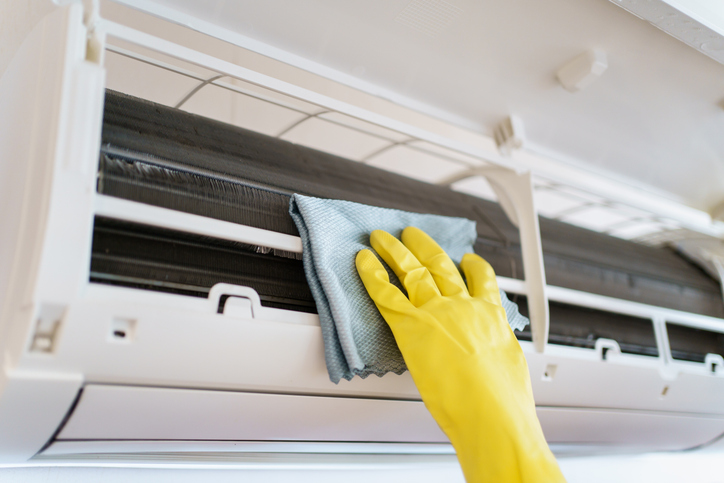
Pest prevention without harsh chemicals
Pests need food, water, and shelter. Cut these, and they leave.
Do this first:
- Seal gaps around doors and pipes with caulk.
- Store food in sealed jars or bins.
- Wipe crumbs and rinse cans before recycling.
- Fix drips and dry pet bowls overnight.
- Use sticky traps to monitor, then target the source.
If you need sprays, choose least-toxic and follow labels. I once chased ants for weeks until I sealed one tiny gap under the sink. Proof that small fixes matter.
Safety checks: alarms, radon, and older-home hazards
Safety gear is your last line. Check it before you need it.
Essentials:
- Install smoke and carbon monoxide alarms on each level and near bedrooms.
- Test alarms monthly and replace batteries yearly.
- Test for radon every two years or after big renovations.
- If your home was built before 1978, be careful with paint. Disturbing old paint can release lead dust.
- Avoid sanding old floor tiles or pipe wrap that may have asbestos. Call a pro to check.
Keeping these risks low is central to how to maintain a healthy home environment.
Smart habits and routines that stick
Good habits beat one-time deep cleans. Stack small tasks into your week.
A simple rhythm:
- Daily: run the range hood when cooking, quick counter reset.
- Weekly: vacuum, mop, wash sheets, swap bathroom towels.
- Monthly: clean vents, wash filter screens, check under sinks.
- Seasonally: service HVAC, test alarms, clean gutters, review supplies.
I set calendar nudges for the big items. It keeps how to maintain a healthy home environment simple and steady.
Budget-friendly upgrades and quick wins
You can make big gains on a small budget.
High-impact ideas:
- Add two door mats, one outside and one inside.
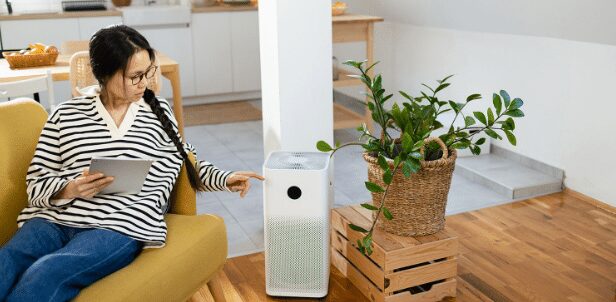
- Move a portable HEPA purifier to rooms you use most.
- Use draft stoppers to block dust and outdoor air leaks.
- Install a shower timer and squeegee to cut humidity.
- Switch to low-VOC cleaners you can mix at home.
Each change is a small lever. Together they build how to maintain a healthy home environment that lasts.
Frequently Asked Questions of how to maintain a healthy home environment
How often should I run my bathroom fan?
Run it during a shower and for 20 minutes after. This cuts moisture and helps stop mold.
Are gas stoves bad for indoor air?
Cooking on gas makes nitrogen dioxide and fine particles. Use a strong range hood or a portable HEPA near the stove, and open a window.
What humidity level is best for health?
Aim for 30% to 50%. This range slows mold and dust mites and still feels comfortable.
Do air purifiers really help?
Yes, if they use true HEPA and fit the room size. Keep doors and windows closed when it runs.
How do I know if my home has radon?
Only a test can tell. Use a short-term kit now and confirm with a long-term test later.
Can I make my own cleaners safely?
Yes, for many tasks. Use simple soap, vinegar for glass, and baking soda for scrubs, but never mix bleach with ammonia or vinegar.
How to maintain a healthy home environment with pets?
Brush pets outside, wash their bedding, and use HEPA filters. Keep pets off beds if allergies are strong.
Will plants reduce VOCs enough?
Not on their own. Use low-VOC products and ventilation; plants are a bonus for mood.
Conclusion
Small moves shape a home that feels light, clean, and calm. Focus on air, moisture, clutter, safe products, and regular checks. That is the heart of how to maintain a healthy home environment.
Pick one step today. Swap a filter, set a dehumidifier, or clear a shelf. Your future self will thank you. Want more tips on how to maintain a healthy home environment? Subscribe, share your wins, or drop a question in the comments.