Declutter your home step by step by sorting, donating, and keeping what truly matters.
I’ve helped dozens of busy people and families learn how to declutter your home step by step with a clear plan, simple systems, and realistic pacing. This guide breaks the process into easy actions you can start today, explains proven methods, shares real-life tips from my experience, and gives troubleshooting advice so you finish and keep a calmer, more functional home. Read on to get a practical roadmap for lasting change.

Why declutter? Why it matters for your life and home
Decluttering reduces stress, saves time, and makes daily life easier. A tidy home improves focus and creates space to do what matters. When you learn how to declutter your home step by step you gain control, not just empty shelves.
Practical benefits include quicker cleaning, faster mornings, and less money wasted on duplicates. Psychologically, clutter can increase anxiety and decision fatigue, while clear spaces support calm.
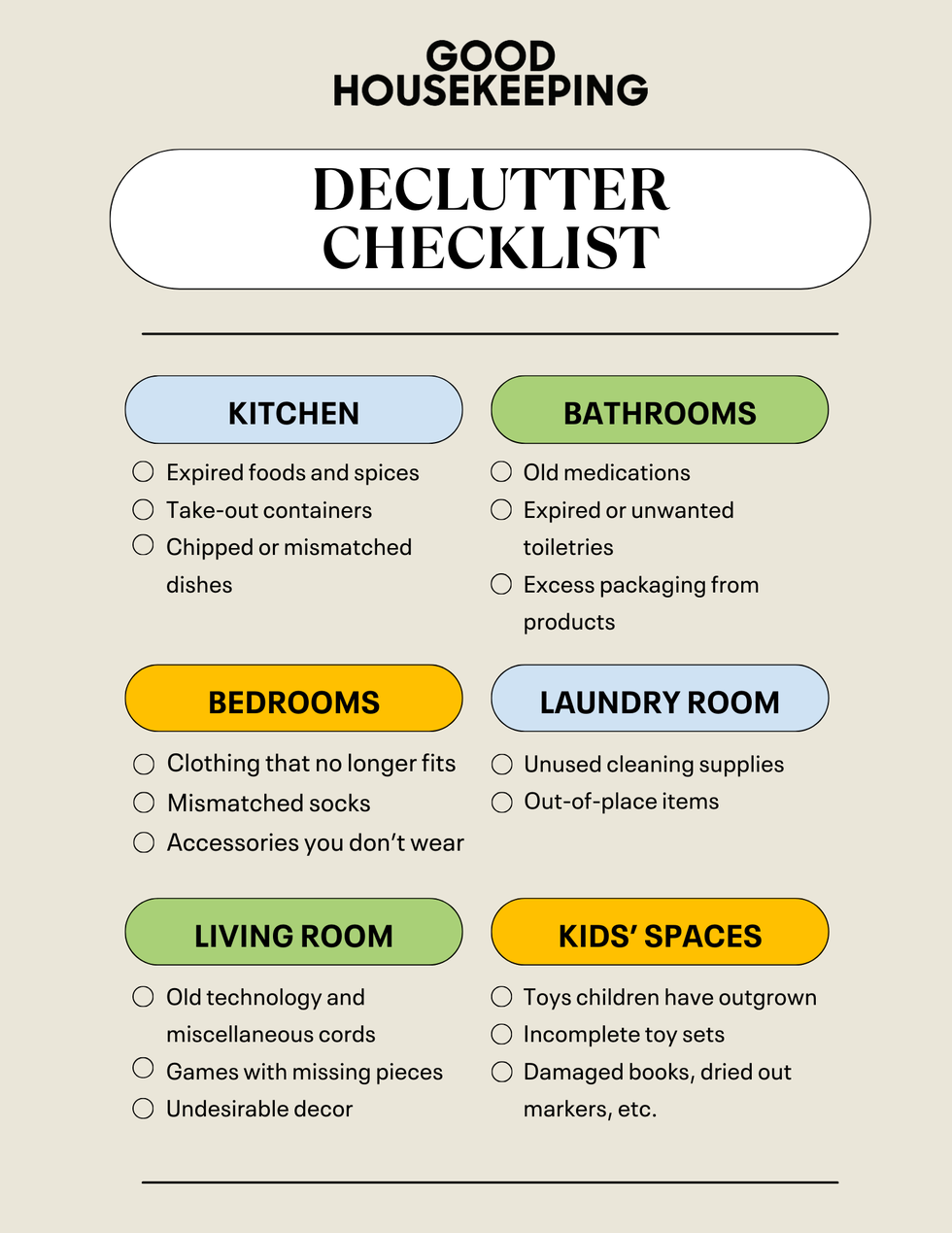
Mindset and planning before you start
Decluttering is a habit, not a one-day event. Begin with a small goal and realistic timeline. Set achievable targets like one drawer, one shelf, or 15 minutes per day.
Decide your “why.” Note it where you’ll see it. Your reason will guide tough decisions and keep you focused.
When planning how to declutter your home step by step, schedule sessions in a calendar. Treat them like appointments you can’t skip.
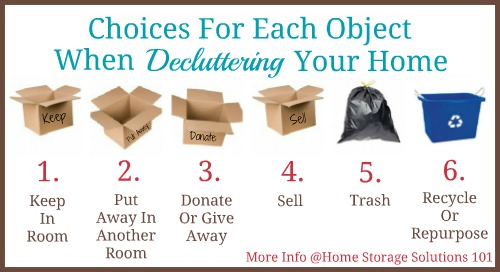
Supplies and setup you’ll need
Gather simple tools before you begin. Use quick, low-cost materials so nothing blocks you from starting.
- Boxes or bins labeled Keep, Donate, Recycle, Trash
- Trash bags for bulky garbage
- Cleaning cloth and spray for wiping surfaces
- A timer or phone for focused sessions
- Donation box or a plan for drop-off or pickup
Having the right setup makes the process fast and tidy. A clean workspace keeps momentum and prevents re-cluttering.

Source: amazon.com
10-step room-by-room process (practical, repeatable)
Follow these steps to consistently clear rooms without getting overwhelmed. Apply the same routine to each room.
- Start small and set a timer for 15–30 minutes. Short sessions beat marathon days.
- Empty a single surface or storage spot. Clearing visible areas gives quick wins.
- Sort every item into four boxes: Keep, Donate, Recycle, Trash. Make fast decisions.
- Question items that stay: Have I used this in 12 months? Does it add value? Be honest.
- Remove trash and recycling immediately. Don’t let it linger.
- Box donations and schedule drop-off within a week. Commit to finishing.
- Return keep items neatly and intentionally. Group like with like.
- Label storage spots and containers. Labels speed future choices.
- Move to the next small area. Repeat the cycle until the room is done.
- Do a quick sweep and celebrate the progress. Small wins build momentum.
When you practice how to declutter your home step by step, use the same cycle for closets, drawers, and cabinets. This method reduces decision fatigue.
 decluttering methods to choose from”
style=”max-width: 100%; height: auto; border: 2px solid black; border-radius: 10px; display: block; margin: 0 auto;”
loading=”lazy”
/>
Proven decluttering methods to choose from
Different systems work for different people. Pick one and adapt it.
- KonMari method — Keep only items that spark joy. Tidy by category like clothes, books, papers.
- Four-box method — Use Keep, Donate, Recycle, Trash boxes for each area. Fast and methodical.
- 30-day challenge — Remove one item on day one, two items on day two, and so on. Builds momentum.
- One-in, one-out rule — For every new item you bring home, remove one existing item. Prevents re-clutter.
I often mix methods. For example, I use the Four-box method for quick sorting and the KonMari mindset for sentimental items. This hybrid works well when you teach others in a household to declutter.

Organizing and storage tips after decluttering
Good storage supports your new habits. Choose simple solutions that fit your space and routine.
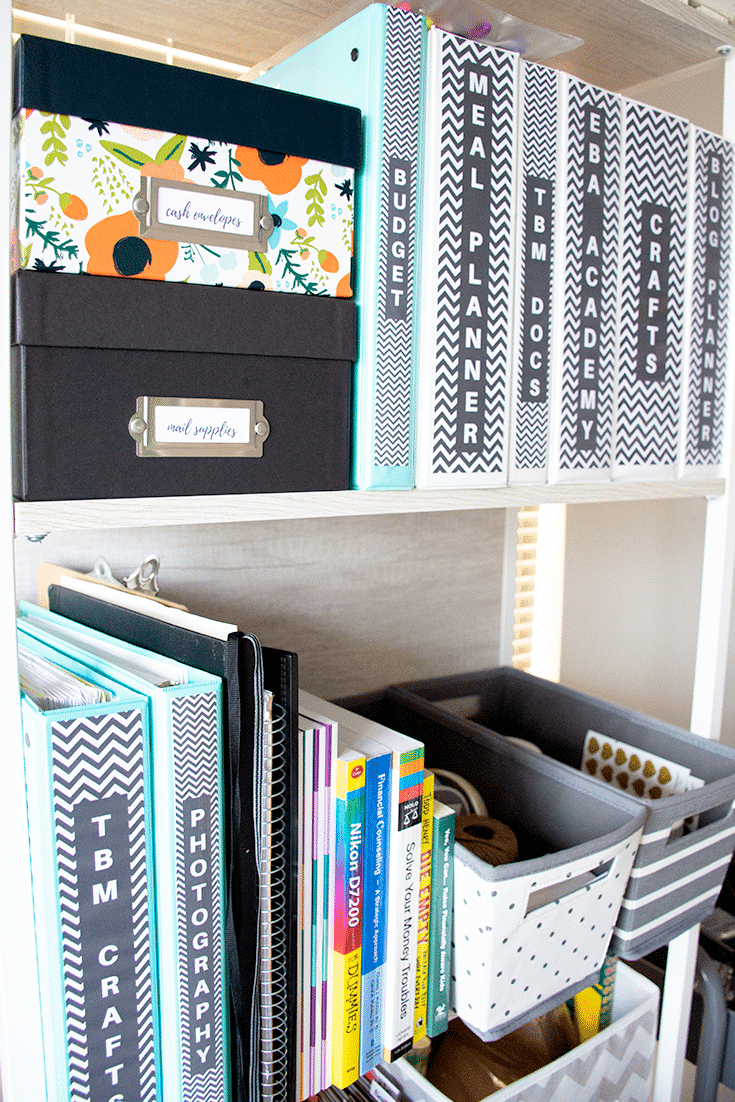
- Use clear bins for visibility. They make it easy to find things.
- Group items by use, not by owner. Put like items where they are used.
- Make frequently used items easy to reach. Lower shelves for daily tools.
- Use vertical space with shelves and hooks. It frees floor area.
- Store seasonal items offsite or in labeled bins. Rotate them yearly.
Real organizing keeps items accessible. When you apply how to declutter your home step by step and follow with smart storage, maintenance becomes easy.

Maintain a clutter-free home: habits that stick
Maintenance beats repeat purges. Build small daily and weekly habits.
- 10-minute nightly reset — clear counters and sort mail.
- Weekly donation review — place items to donate in a visible spot.
- Monthly shelf check — fix problem spots before they grow.
- One-in, one-out policy for clothes and gadgets.
- Digital declutter — clean files and photos monthly to reduce mental load.
Consistency matters more than perfection. These tiny habits stop clutter from returning and make how to declutter your home step by step sustainable.
Troubleshooting common challenges
Stuck on sentimental items? Create a memory box with clear limits. Limit the box size to force choices.
Short on time? Use micro-sessions of 10–15 minutes. Progress compounds.
Family won’t cooperate? Model the change, assign small tasks, and celebrate wins together. Start with a shared space like the kitchen.
If things accumulate again, revisit your why and adjust storage or routine. Repeating the basic steps prevents cycles of clutter.
Personal experience and lessons learned
I once helped a family who tackled clutter room by room. We started with the kitchen and used 20-minute sessions. They saw quick wins and then felt confident to handle the rest. The key lesson: visible progress motivates.
Another time I kept items too long “just in case.” That habit cost time and stress. I now recommend stricter time-based tests for little-used items.
My biggest tip from experience: plan donation pickups immediately. When donations leave fast, you avoid second-guessing.
Benefits and limitations of decluttering
Benefits are clear: more time, less stress, easier cleaning, and clearer decisions. You may also save money by not replacing items you already have.
Limitations include emotional difficulty with sentimental possessions and the time needed to change habits. Some clutter returns if systems are not maintained. Be honest about effort needed and plan for upkeep.
When you understand both sides, how to declutter your home step by step becomes a practical, long-term lifestyle choice, not a one-time fix.
Frequently Asked Questions of how to declutter your home step by step
What is the fastest way to start decluttering?
Begin with a 15-minute session focused on one drawer or shelf. Quick wins build momentum and reduce overwhelm.
How do I decide what to keep or toss?
Ask if you used the item in the last 12 months and whether it serves a clear purpose. If not, consider donating or recycling it.
Can I declutter without throwing things away?
Yes. You can sell, donate, or recycle items. The goal is fewer objects, not just less visible mess.
How often should I declutter my home?
Do short maintenance sessions weekly and a deeper declutter every 3–6 months. Frequency depends on household size and lifestyle.
What if family members resist decluttering?
Start with your own spaces and lead by example. Offer to help them with a small area and share the benefits you noticed.
Conclusion
Decluttering is a practical skill you can learn and refine. Start small, use a clear method, and create simple habits to maintain gains. When you follow how to declutter your home step by step, you’ll win time, calm, and clarity. Take one 15-minute session today and commit to your first small win. If you found this helpful, try a room this week and share your progress or questions in the comments.