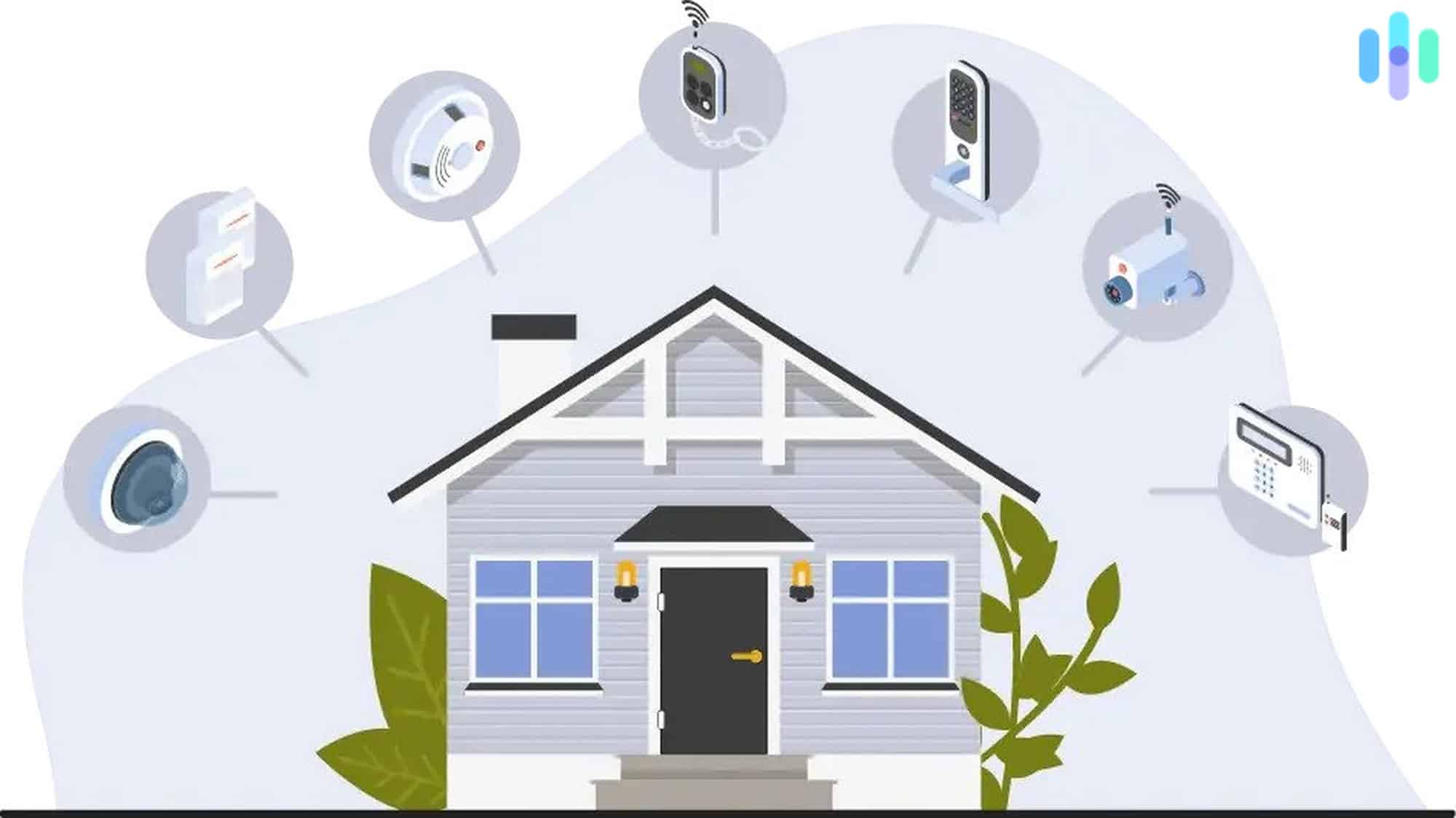
Secure a home by layering locks, lighting, alarms, cameras, and smart habits.
If you want clear, expert steps on how to secure a home, you are in the right place. I have helped families, landlords, and new homeowners lock down risk without fear or fuss. This guide shows how to secure a home with simple moves, smart tech, and daily habits that work in the real world.
The Layered Security Mindset
Think in layers. Each layer slows, exposes, or stops a threat. This is how to secure a home like a pro. You want visible hurdles outside, strong barriers at every entry, and alerts and response inside.
Start with these layers in order:
- Perimeter visibility with lighting, signs, and trimmed shrubs
- Strong doors, locks, and window protection
- Sensors, alarms, and cameras
- Safe habits, neighbors, and emergency plans
From my field notes, one visible camera and a motion light cut porch thefts on a busy block. This is how to secure a home with small wins that add up fast.
Assess Your Risks First
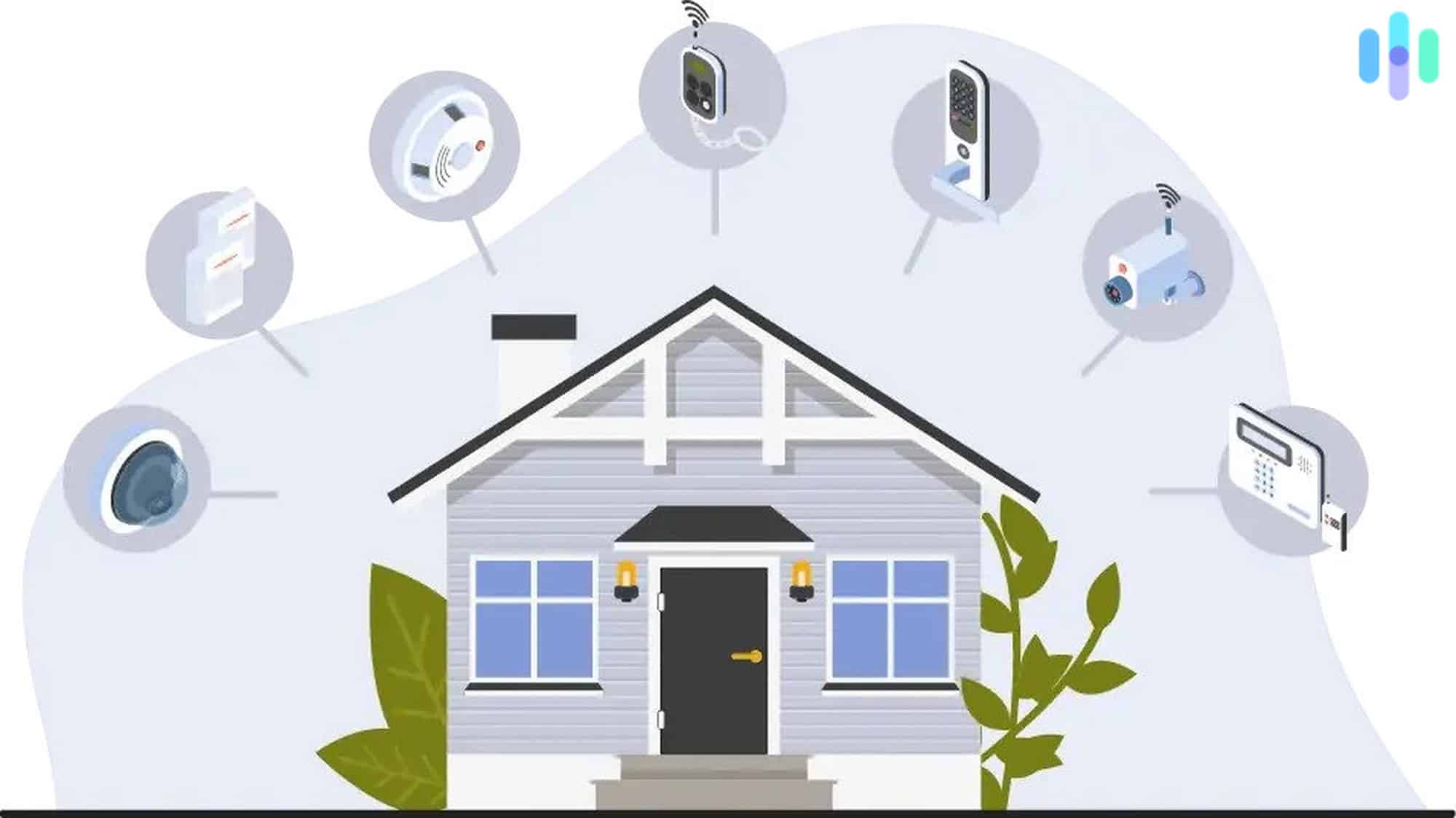
A short walk around your place beats guesswork. This is how to secure a home with focus, not fear. Look at each area like a stranger would.
Try these steps:
- Stand across the street. Can you see doors and windows well at night?
- Check doors. Do they have deadbolts, long strike plates, and door viewers?
- Check windows. Do latches lock tight? Are basement windows hidden?
- Test lights. Do motion lights cover paths, gates, and the driveway?
- Review routines. Do you leave ladders out or packages on the porch?
Make a quick list. Fix the biggest gaps first. That is how to secure a home on any budget.
Secure Doors and Locks
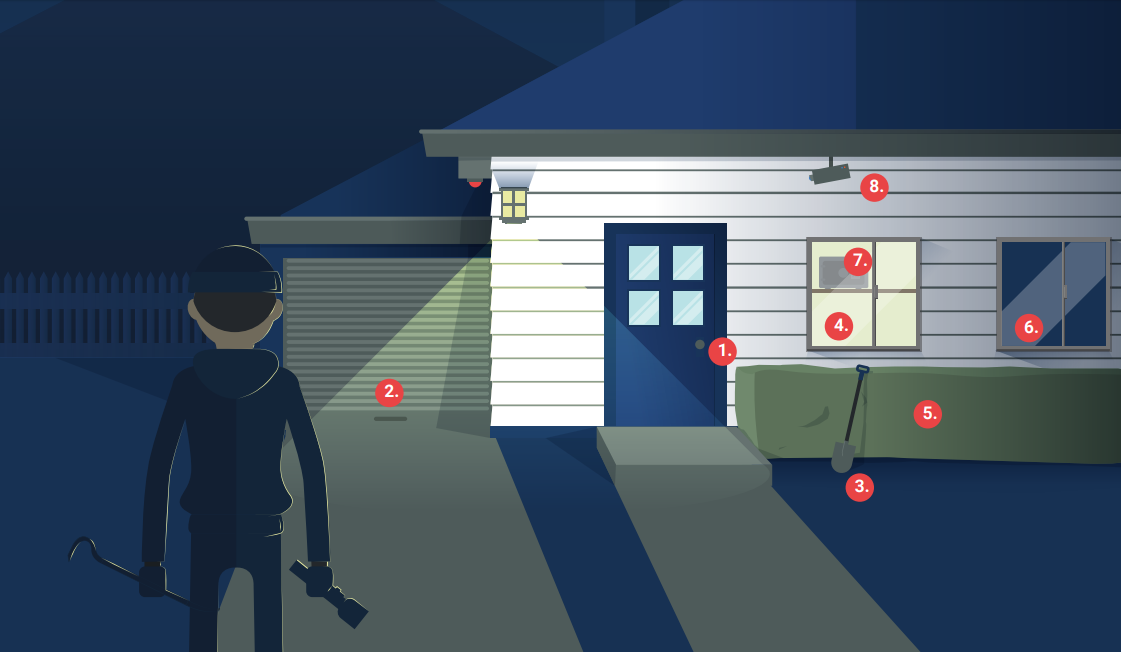
Most break-ins target doors. Good hardware here is money well spent. This is how to secure a home at its most common entry.
Do this on every exterior door:
- Use a quality deadbolt with a one inch throw.
- Reinforce the strike plate with four long screws into the framing.
- Add a solid door, not hollow core, for strength and weight.
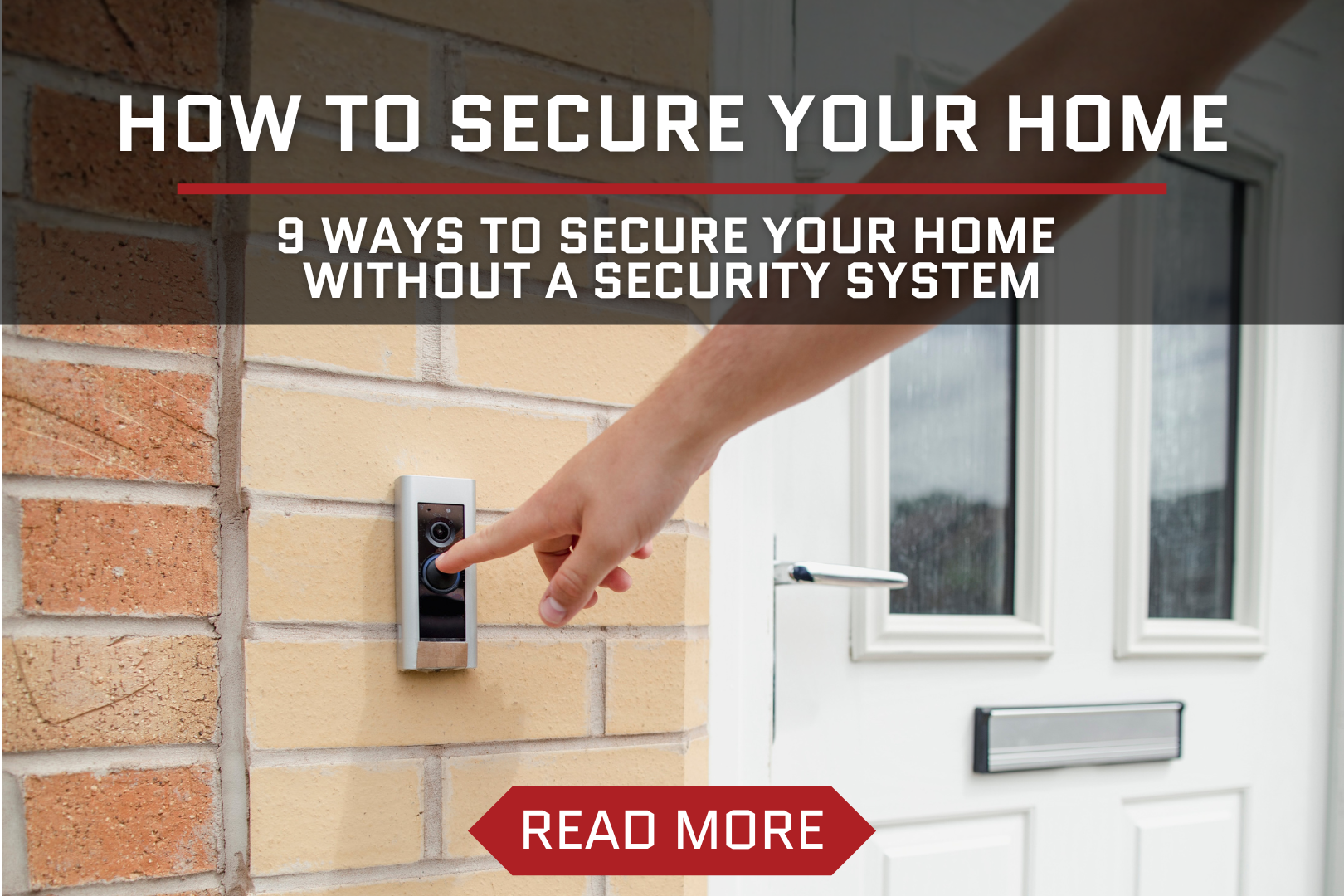
- Install a wide-angle peephole or a smart doorbell for visibility.
- Use a door brace or a smart lock for added control when away.
I once swapped a weak strike plate for a reinforced one. The door later showed pry marks, but it held. Simple parts can stop force.
Protect Windows and Glass
Windows are easy if they are dark and hidden. Make them loud, bright, and hard to open. This is how to secure a home without bars.
Use these ideas:
- Add window locks or pin locks to limit opening.
- Apply clear security film to slow shattering.
- Install contact sensors and glass-break detectors.
- Use window well covers and lights for basements.
- Keep shrubs under window height to remove cover.
I prefer film on first-floor glass near doors. It does not look scary, but it buys time and makes noise.

Lighting and Visibility That Work
Light is a strong defense. People avoid places where they feel seen. Use light to shape where someone can move. It is a quiet way on how to secure a home.
Focus on:
- Motion lights at doors, walks, and the driveway
* Dusk-to-dawn lights at corners and dark gaps - House numbers that are big and lit for quick response
- Timers or smart bulbs indoors to show life at night
Avoid glare that blinds you or your cameras. Aim lights down and cover the edges of the yard.

Alarms, Cameras, and Smart Security
Alerts change the game. They turn a try into a fast response. This is how to secure a home with data and proof.
Build a simple stack:
- Entry sensors on doors and key windows
- A loud siren and smartphone alerts
- A monitored plan if you want dispatch help
- Cameras that cover doors, driveway, and the yard gate
- A video doorbell to handle visitors and packages
Tips that matter:
- Place cameras at head height off to the side for clear faces.
- Set zones and alerts to avoid false pings from trees or cars.
- Post a sign. Clear signs reduce attempts.
I tested many kits. Ease of use wins. If an app is slow, people stop using it. Pick tools you will use daily.

Wi‑Fi and Digital Safety
Smart gear runs on your network. Keep it clean and strong. This is how to secure a home in a connected world.
Try this plan:
- Change default passwords and use a password manager.
- Turn on WPA3 or at least WPA2 encryption on your router.
- Use a guest network for smart devices.
- Keep firmware and apps up to date.
- Enable two-factor login on security apps.
A weak router can undo great locks. Treat your Wi‑Fi like a front door.
Garage, Yard, and Deliveries
Side areas invite quiet entry. Do not ignore them. This is how to secure a home beyond the front door.
Cover these points:
- Garage doors need smart controls and tilt sensors.
- Lock the door from garage to house with a deadbolt.
- Store ladders and tools inside so they cannot aid entry.
- Use a lockable parcel box or deliver to a pickup point.
- Gate locks and motion lights help at side yards.
I once found a spare key under a grill. Never hide keys outside. Use a lock box or give a spare to a trusted neighbor.

Daily Habits That Deter Crime
Good habits beat gear alone. Routines send signals. This is how to secure a home every day with little effort.
Build these habits:
- Lock doors and windows every time, even for short trips.
- Close blinds at night but keep a lived-in look.
- Do not post travel plans online in real time.
- Ask a neighbor to grab mail and move bins when away.
- Arm your system, even in the day.
A family I coached set a 9 pm lock check on their phones. False alarms dropped. Peace rose.
Plan for Emergencies
If something happens, a plan limits harm. You will think clearer. This is how to secure a home before, during, and after an event.
Prepare with:
- A list of emergency contacts in your phone and on the fridge
- A safe place to meet outside the home
- A small fire safe for documents and backups
- Photos of valuables for claims
- Drills twice a year with the whole household
Track what went well and what was hard. Then tune your setup.
Budget and Return on Investment
You can do a lot for less than a dinner out. Start small. This is how to secure a home without stress.
High impact, low cost:
- Long screws for strike plates and hinges
- Window locks and motion bulbs
- Door viewers and yard signs
Medium spend, big gains:
- Smart locks and sensors
- Security film on key windows
- A video doorbell
Larger spend:
- Full alarm systems and pro cameras
- Fences and gates
- Safe room features
Think return, not price. What cuts risk the most for your layout?
A Simple Maintenance Schedule
Security needs care. Put it on the calendar. This is how to secure a home for the long run.
Every month:
- Test alarms and camera feeds.
- Walk the yard at night and check lights.
Every 6 months:
- Tighten door hardware.
- Replace batteries in sensors and locks.
Every year:
- Review your plan and gear.
- Update signs and refresh camera angles.
Keep notes. Small fixes now prevent big costs later.
Frequently Asked Questions of How to Secure a Home
What is the first step to secure a home?
Start with a risk walk-through outside and inside. Fix the easiest, biggest gaps first, like locks, lights, and visible cameras.
Do security cameras really deter crime?
Yes, visible cameras and signs reduce attempts in many areas. Pair them with lighting and sensors for stronger results.
How can renters secure a home without drilling?
Use portable sensors, smart bulbs, and door braces. Add removable window film and a plug-in camera.
Are smart locks safe to use?
Good smart locks use strong encryption and logs. Keep firmware updated and use unique passwords and two-factor login.
What is the best way to protect windows?
Use locks or pins, add security film, and place sensors or glass-break detectors. Keep shrubs low and use lighting near windows.
How do I secure a home when I travel?
Set lights on schedules, pause deliveries, and ask a neighbor to help. Use a video doorbell and arm your system.
Does a dog help with security?
A dog can add noise and presence. Still use locks, lights, and sensors for full coverage.
Conclusion
You just learned how to secure a home with layers, not fear. Start with strong doors and smart light. Add sensors, cameras, and good habits. Keep your network safe. Practice your plan.
Pick one upgrade today and do it before the weekend. Then build one layer each week. If you found this guide useful, subscribe for more home safety tips or share your own wins in the comments.