Use heavy-duty toggle anchors or a wall-mounted cleat, then spread the load.
If you need to know how to install wall cabinets without studs, you’re in the right place. I’ve hung dozens of cabinets in tricky spaces. In this guide, I show you how to install wall cabinets without studs with safe hardware, clear steps, and real field tips. We will plan, do the load math, and use methods that work in homes and rentals.
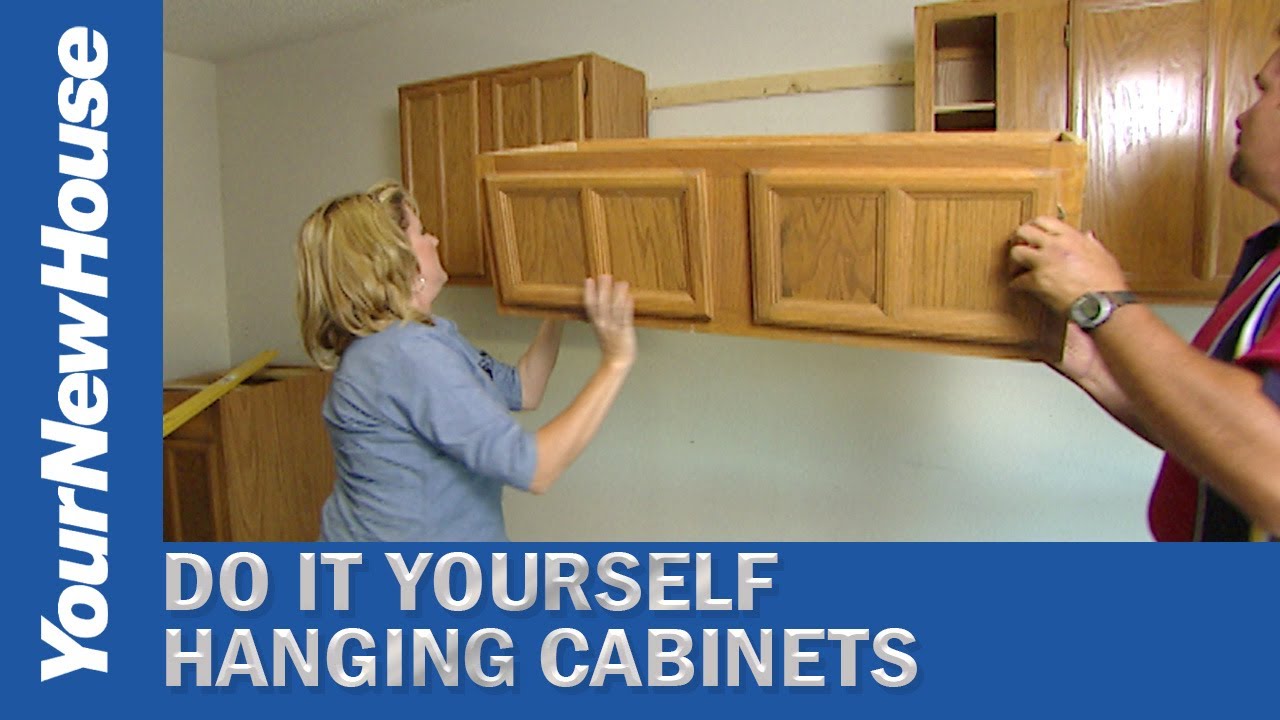
Before you start: can you hang wall cabinets without studs?
Yes, but you must do it right. Drywall alone is weak. You need anchors that grip from the back, or a cleat or rail that spreads weight. In many places, best practice is to hit studs. Some codes and makers demand it. If you cannot, use hardware that is rated for cabinets and dishes. Double the safety margin.
When I hang cabinets without studs, I plan for the real load, not just the empty box. I use more anchors than the bare minimum. I also spread them wide and high. This is how to install wall cabinets without studs without drama later.
Here are times when no-stud installs make sense:
- Behind the wall is tile over drywall and the studs do not line up.
- You have metal studs that are thin and hard to hit.
- It is a condo wall with unknown framing, and you cannot open it.
- You are mounting to plaster and lath and studs are not where you need them.
If you have a very heavy pantry unit or stacked stone, pause. It may be safer to open the wall and add blocking, or build a side support gable. That is still part of how to install wall cabinets without studs with long-term safety in mind.
Tools and materials you will need
Use parts with published load data. Read the box. Choose anchors for your wall type and thickness.
- Stud and live-wire finder scan for wood, metal, and wires.
- Level and laser level make your lines straight.
- Tape measure and pencil mark layout.
- Drill, driver, and bits sized for anchors and toggles.
- Safety gear eye protection and mask for dust.
- Heavy-duty toggle anchors rated 100–265 lb in 1/2 inch drywall in tension. Use multiple.
- Heavy-duty strap toggles for easy install through small holes.
- Structural molly anchors for plaster and lath.
- Masonry anchors if you hit brick or concrete behind.
- 3/4 inch plywood for a French cleat or rail.
- Cabinet screws with truss or washer heads to spread force.
- Wood shims for level.
- Temporary ledger board to hold weight during install.
I like strap toggles because I can set the metal channel, snap the straps, and then hang the box. This is key in how to install wall cabinets without studs while keeping holes small and strength high.

Plan the layout and find hidden hazards
Good layout makes the job easy and safe. Here is my simple flow.
- Map the run. Mark the top line of the cabinets with a level. Most wall boxes sit 18 inches above the countertop. Mark a level line there too.
- Scan the wall. Mark studs if any, metal tracks, pipes, and wires. Avoid those zones with anchors.
- Pre-plan anchor spots. Use the cabinet’s top rail and corners. That wood is strong.
- Pre-drill a test hole. Confirm wall type and thickness. Drywall is often 1/2 inch. Plaster varies.
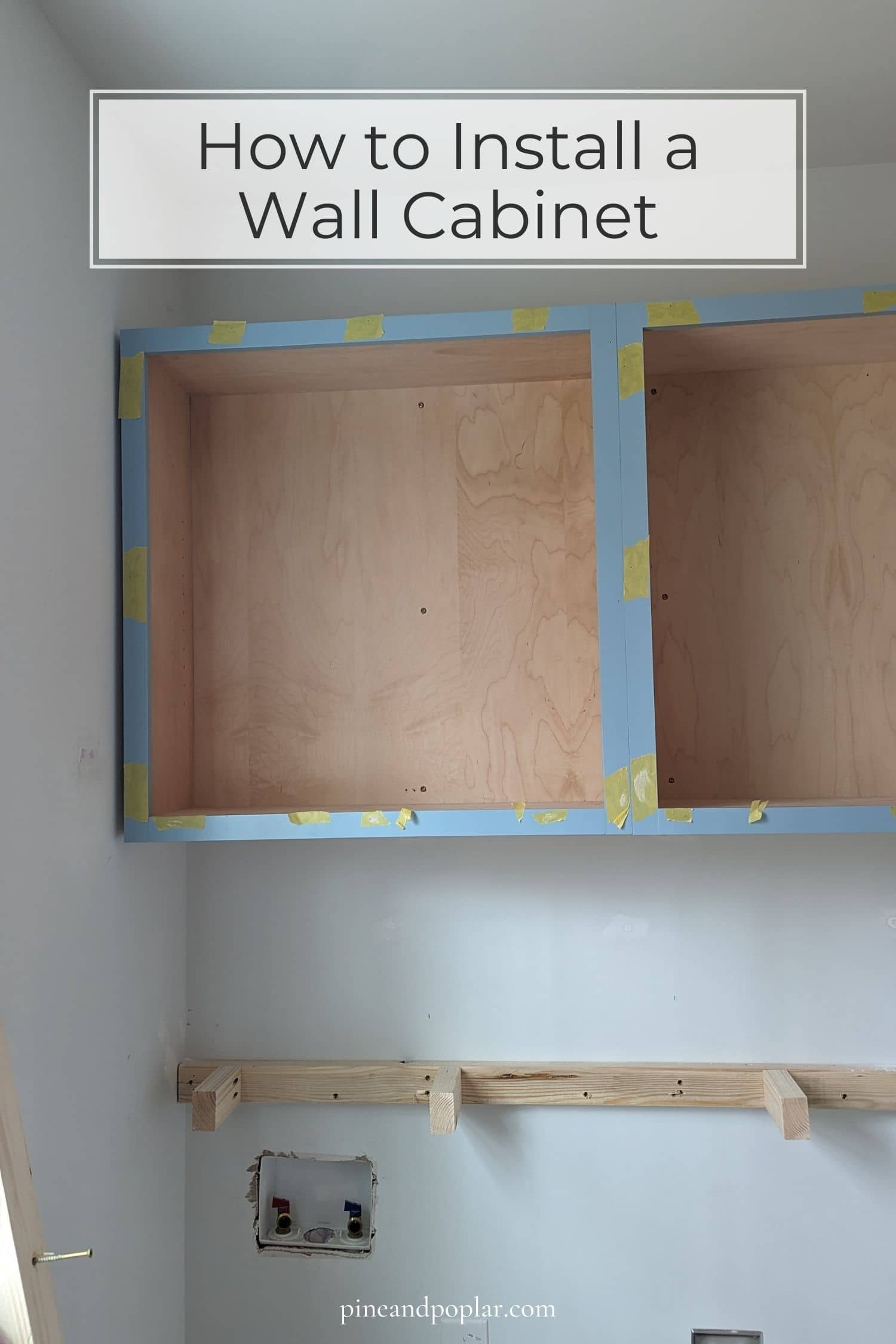
- Pre-set your ledger. A straight 1×3 at the bottom line will hold the boxes while you anchor.
This plan-first step is the core of how to install wall cabinets without studs with less mess and fewer fixes.
Anchor math: choose the right hardware and spacing
Do the load math before you drill. Aim for a 3x safety factor.
- Estimate weight. A 30 inch wall cabinet weighs 25–40 lb empty. Add 50–100 lb for plates and food. Call it 100–140 lb total.
- Read anchor ratings. Good toggles in 1/2 inch drywall can hold 200–265 lb in tension, less in shear. Plaster can change this. Tile over drywall also changes drill size and grip.
- Use more anchors. Four toggles at the top rail can give a large margin. Space them near corners and over the thick rails, not thin panel areas.
- Spread the load. A 3/4 inch plywood cleat or metal rail with many toggles shares force across a wide area. That reduces paper tear-out.
If you ask me how to install wall cabinets without studs and sleep well, I say use a cleat plus at least four rated toggles along the top rail. Then add two more at the bottom rail for racking resistance.
Step-by-step: how to install wall cabinets without studs
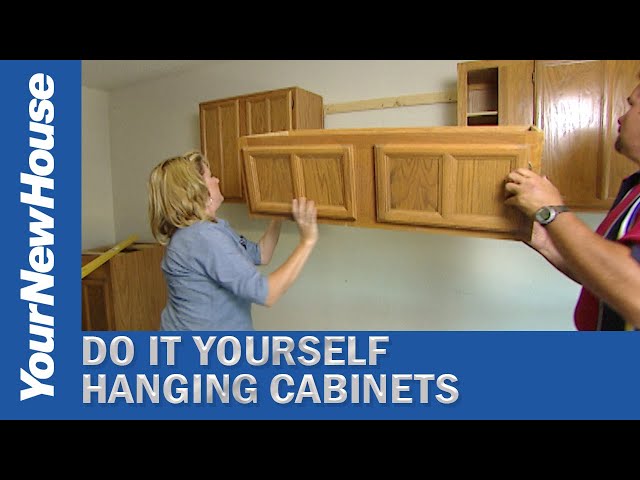
Follow these steps. Work slow. Check level often.
- Prepare the wall
- Snap a level line at the top of the cabinets.
- Mark the bottom line and screw a temporary ledger there. This supports the box.
- Mark anchor points
- Hold the cabinet against the wall on the ledger.
- Mark holes through the top back rail near corners and midpoints.
- Remove the cabinet.
- Drill anchor holes
- For strap toggles, drill the correct hole size.
- Keep holes on the level line so all toggles align.
- Set toggles or cleat
- If using a cleat, cut 3/4 inch plywood the length of the run. Rip it to 3–4 inches wide at a 45 degree bevel.
- Anchor the wall cleat with toggles every 8–10 inches along the top and midline.
- If not using a cleat, set strap toggles in each hole and snap the straps flush.
- Hang the cabinet
- Lift the cabinet onto the ledger or hook onto the cleat.
- Insert bolts or screws through the cabinet rail into each toggle.
- Snug, then check level and plumb. Add shims where needed.
- Tighten each anchor in small steps to avoid crushing drywall.
- Link cabinets
- Clamp face frames.
- Pre-drill and drive face-frame screws to pull boxes tight.
- Re-check level across the run.
- Lock the bottom rail
- Add two toggles through the lower rail to stop racking.
- Remove the ledger. Patch those small holes if needed.
- Load test
- Before dishes, hang from the cabinet with both hands if safe. Or place filled water jugs inside.
- Listen for creaks. Watch for movement. Tighten as needed.
This is the most reliable way I know for how to install wall cabinets without studs using common tools and strong anchors.
Pro tip from the field: Pre-insert short screws through the cabinet rail so the tips mark the wall. That speeds your drilling and keeps holes aligned.
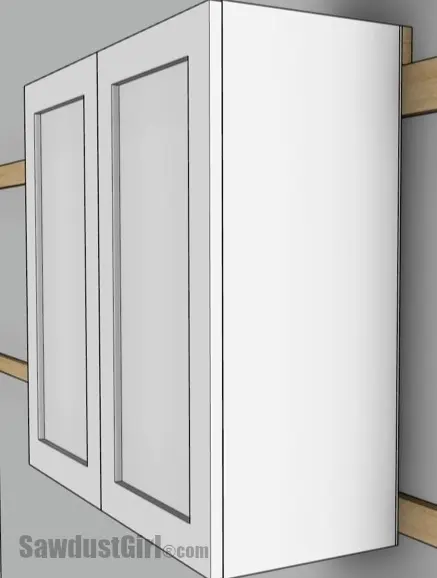
Special cases by wall type
Every wall behaves a bit different. Match your method to the surface.
-
Drywall only
Use heavy strap toggles and a cleat. Add more anchors than the math minimum. Avoid the paper tearing by using large washer-head screws. -
Plaster and lath
Drill slow. Use a masonry bit to avoid cracking. Large molly anchors or toggles with wide wings work well. A cleat spreads the load across many lath strips. -
Tile over drywall
Tape the tile. Use a glass and tile bit first. Switch to the toggle-size bit after you clear the tile. A cleat avoids many tile holes and spreads force. -
Brick or concrete
Use sleeve anchors or concrete screws rated for the load. A French cleat screwed to masonry is very strong. This is a clean way to handle how to install wall cabinets without studs in older brick kitchens. -
Metal studs
If you can, hit them with fine-thread screws and use toggles between studs. The combo holds well.
I keep spare anchors on hand. If one hole blows out, I move one inch and reset. That saves time and keeps the finish clean.

Safety checks, code notes, and mistakes to avoid
Safety first. Cabinets hold heavy, sharp, and breakable items.
- Check codes and maker rules. Some require fastening to framing. If rules say studs only, add blocking or side gables instead.
- Avoid small plastic anchors. They are not for cabinets.
- Do not overtighten. You can crush drywall and weaken the grip.
- Do not place all anchors in a straight vertical line. Spread them wide.
- Keep clear of wires and pipes. Scan twice.
- Add a rail or cleat when in doubt. More surface means more safety.
In my jobs, the top mistakes are few anchors, anchors in weak panel areas, and skipping the ledger. Fix those, and how to install wall cabinets without studs becomes much safer.

Maintenance and long-term checks
Anchors can loosen a bit over time, especially in older walls.
- Re-check screws after two weeks, then once a year.
- Watch for cracks around screw heads or slight sag.
- Keep very heavy items on lower shelves.
- If you move the cabinet, patch holes and replace anchors. Never reuse a deformed toggle.
These small habits keep your no-stud install solid for years and round out how to install wall cabinets without studs with peace of mind.
Frequently Asked Questions of how to install wall cabinets without studs
Is it safe to hang wall cabinets without studs?
Yes, if you use rated anchors, a cleat or rail, and good spacing. Follow a 3x safety factor and the cabinet maker’s rules.
How many toggle bolts do I need per cabinet?
Most 30 inch cabinets need at least four toggles at the top rail and two at the bottom. Add more for wider or deeper cabinets.
Can I hang cabinets on plaster and lath?
Yes, with large molly anchors or strap toggles and a cleat. Drill slow to avoid cracking and spread the load.
Will tile crack when I drill for anchors?
Not if you use a glass and tile bit, go slow, and tape the spot. Switch to the proper toggle bit only after you pass the tile.
What is the best method if I cannot hit any studs?
Use a 3/4 inch plywood French cleat anchored with many strap toggles. This is my top method for how to install wall cabinets without studs.
Do I need a ledger board?
A temporary ledger makes leveling simple and safe. Remove it after you secure the cabinet and patch the tiny holes.
How much weight can toggle bolts hold?
Quality toggles can hold over 200 lb in 1/2 inch drywall in tension, but use more than one and keep a wide spread for safety.
Conclusion
You can hang strong, straight cabinets even when studs do not line up. Plan the layout, choose rated anchors, spread the load with a cleat or rail, and work with a steady pace. That is the heart of how to install wall cabinets without studs the right way.
Take the time to scan the wall, do the load math, and test before loading dishes. If something feels off, stop and improve the anchor plan. Want more step-by-step guides like this? Subscribe for updates or drop a question in the comments so I can help with your space.