Optimize your home by auditing energy, space, and habits, then upgrade what matters most.
I have helped many people learn How to Optimize a Home. The goal is simple. Make each room work better with less waste. In this guide, I explain How to Optimize a Home with clear steps, easy tools, and real wins. You will see what to do first, why it works, and how to keep the gains.

What Does It Mean to Optimize a Home?
To optimize a home, you improve comfort, cost, health, and time. Each change should serve a clear need. The best path starts with data and ends with habits. When you ask How to Optimize a Home, think in systems. Rooms, gear, and people all link.
Here is the core idea I teach. Measure, fix leaks, simplify space, then automate. Meet your needs with the least effort. That is how to get more with less.
You can start small. Swap to LED lights. Seal door gaps. Add a smart plug. These wins build trust. Soon you will take on bigger steps, like air sealing, duct fixes, or a heat pump. How to Optimize a Home is a stack of small, smart moves that add up.

Start With a Simple Audit
You cannot improve what you do not measure. A short audit will guide you. It helps you plan the order of work. It also helps you avoid waste.
Do this in one hour:
- Walk each room. Note drafts, damp, dust, noise, and clutter.
- List gear by age and use. HVAC, water heater, fridge, lights, router, TV.
- Read your bills. Track 12 months for power, gas, and water.
- Use smart plugs or a watt meter on big loads.
- Note habits. Shower time, laundry cycles, thermostat setpoints.
Score items as high, medium, or low impact. If you want How to Optimize a Home to work, target high impact first. Fix what leaks energy. Fix what eats time. Fix what hurts comfort.
Pro tip from my field notes. Many homes waste power at night. Look for phantom loads. Stream boxes, game consoles, and old printers are common. Put them on a timer.

Energy and Comfort Upgrades
If you ask How to Optimize a Home for fast gains, start here. Energy fixes save money and raise comfort at once. The changes are clear and proven.
Focus areas:
- Air seal and insulate. Attic hatch, rim joists, and ducts leak a lot. Field tests show many homes can cut use by 10 to 20 percent with sealing and more attic insulation.
- Right-size your HVAC. Keep filters clean. Aim for MERV 11 to 13 if your blower allows it. A tune-up can fix airflow. Poor airflow feels like poor heat or cool.
- Smart thermostat. Use set-backs and schedules. Many homes see 8 to 10 percent savings.
- LED lighting. LEDs use far less power and last much longer. Warm color works well in living rooms. Bright white fits kitchens and offices.
- Water heat. Set temp to 120 F. Insulate hot pipes near the tank. A heat pump water heater can cut water heating power by half.
- Windows and shades. Use shades to block summer sun. Seal gaps with rope caulk. Full window swaps are a late step. Air sealing gives more bang per buck.
Quick comfort checks:
- Hold a candle near outlets and trim on a windy day. If the flame moves, seal it.
- Use a temp gun to check wall and ceiling cold spots. Add insulation if needed.

Space and Layout Optimization
Space has a job to do. Decide that job and clear the path. That is the heart of How to Optimize a Home.
Start with zones:
- Entry zone. Hooks, tray, and a bench. You save time and stress.
- Work zone. Good chair, eye-level screen, and task light. Hide cords.
- Sleep zone. Dark, cool, and quiet. Clear nightstands.
- Clean zone. Close racks and storage near washer and sink.
Set rules for stuff:
- One in, one out. Keep drawers honest.
- Store by use. Daily items within easy reach. Rare items high or low.
- Label bins. Short words win. Kids can help and learn fast.
Light is a tool. Layer it:
- Ambient light fills the room.
- Task light hits the work.
- Accent light adds mood.
A note from my jobs. Floor flow matters. Do a slow walk with a laundry basket. If you bump into things, move them. Less pain. Fewer trips. More joy.

Health and Safety Essentials
A home must be safe first. How to Optimize a Home is not only about cost. It is about air, noise, and light that help you live well.
Key moves:
- Clean air. Use a MERV 13 filter if your system can handle it. Run a portable HEPA in the bedroom during allergy season.
- Fresh air. Crack a window during cooking and showering. Use your range hood and bath fan. Open a door for cross breeze on mild days.
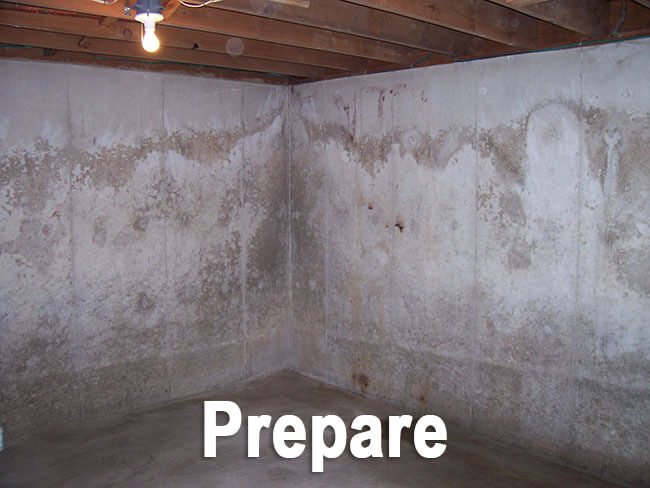
- Moisture control. Aim for 30 to 50 percent indoor humidity. Use a dehumidifier in damp basements. Fix leaks fast. Mold grows in days.
- Detectors. Test smoke and CO alarms each month. Replace units if they are past the rated years.
- Radon and gas. Test for radon if you live in a risk area. If you cook with gas, use the hood on high. Good air exchange cuts risk.
- Noise. Add rugs and soft panels. Door seals cut hallway noise. Better sleep equals better life.
I learned this the hard way. One client had musty rooms and headaches. We found a small crawlspace leak. We sealed it and set a fan on a timer. The smell left in a week. The headaches did too.

Time and Routine Optimization
How to Optimize a Home means smoother days. You can win back hours with small tweaks.
Try this:
- Automate repeats. Lights on at dusk. Off at bedtime. Coffee starts at the wake time you set.
- Batch tasks. Do laundry on two set days. Run the dishwasher at night.
- Use checklists. Morning, leave, and bedtime. Short cards work great.
- Place tools where you use them. A set of basic tools on each floor saves steps.
- Prep zones. A lunch area saves ten minutes daily.
One family I coached cut their weeknight chaos in half. We set a four-bin cart for school items. We taped a five-line evening list in the kitchen. After a week, the stress curve fell fast.

Tech, Network, and Security
Smart gear should serve you. It should be safe and simple. That is a core point in How to Optimize a Home.
Best practices:
- Strong Wi-Fi. Place the router near the center. Use one SSID per band. Add a mesh node if rooms drop out.
- Passwords. Use a manager. Turn on two-factor for key accounts.
- Smart home hubs. Group by room and scene. Keep voice commands short and clear.
- Privacy. Disable features you do not use. Set guest networks. Review data sharing on devices.
- Power and backup. A small UPS on the modem keeps you online in short outages. Back up photos to two places.
Pick open standards when you can. It reduces lock-in. It makes future swaps simple. I test new gear on a guest network first. If it misbehaves, it goes back.

Budget, ROI, and Phasing
A clear plan makes work easy. It also saves money. How to Optimize a Home should honor your budget and time.
Use the 80 to 20 rule:
- Find the top 20 percent of fixes that give 80 percent of gains.
- Air sealing, LEDs, and a smart thermostat are high ROI.
- Full kitchen remodels are low ROI for energy. Delay them.
Create three waves:
- Wave one. No-cost or low-cost. Draft stops, LEDs, timer plugs, and declutter.
- Wave two. Mid-cost. Insulation top-up, smart thermostat, bath fan, and shade upgrades.
- Wave three. Big moves. HVAC right-size, heat pump, window work, and solar.
Hunt for rebates. Many areas offer credits for heat pumps, air sealing, and smart thermostats. Get two or three bids for big jobs. Ask for test results. Ask how they size the system.

Mistakes to Avoid and Lessons Learned
I have made these mistakes. You can skip them. This is also part of How to Optimize a Home.
Common traps:
- Jumping to gadgets first. New gear will not fix drafts. Seal and tune first.
- Skipping measurement. You guess. You spend. You get weak results.
- Ignoring airflow. A great filter with low airflow does harm. Check static pressure or ask a pro.
- Overlighting. Bright, cold light at night hurts sleep. Use warm light after sunset.
- Scope creep. One small fix turns into five. Guard your plan.
Wins that last:
- Write your goals on one page. Post it on the fridge.
- Review one room per month. Make one change and test it.
- Keep a simple log of bills, temps, and notes. Small data helps big choices.
Maintain Gains and Keep Improving
How to Optimize a Home is not a one-time job. Homes change. So do you. Keep a light touch and steady habits.
Seasonal quick list:
- Spring. Check gutters, test sump pump, and service AC.
- Summer. Shade windows, clean fridge coils, and test alarms.
- Fall. Seal gaps, service heat, and test heat strips if you have a heat pump.
- Winter. Check for ice dams. Watch humidity. Run bath fans longer.
Set a 30-minute home block each week. Do one task. Order one filter. Clear one shelf. This cadence beats large, rare sprees.
Case Study: A 3-Bedroom Makeover
Here is what How to Optimize a Home looked like in a real job. A 1970s, 3-bed house. Two adults. Two kids. Cold winters. Hot summers.
Steps we took:
- Air sealed the attic and added insulation.
- Swapped 42 bulbs to LED.
- Set a smart thermostat with a firm schedule.
- Tuned ducts and raised filter grade to MERV 11.
- Set up a mudroom zone and school cart.
- Added a mesh Wi-Fi node and UPS.
Results after six months:
- Electric use fell by 18 percent.
- Gas use fell by 12 percent.
- Evening chaos time dropped by 30 minutes on school nights.
- Sleep improved. Fewer night wakes were reported.
The family now updates one room each quarter. The work is calm and steady. Costs stay low. Gains hold.
Frequently Asked Questions of How to Optimize a Home
What is the first step in How to Optimize a Home?
Start with a one-hour audit. List energy leaks, space pain points, and routine bottlenecks.
How much can I save with basic energy fixes?
Air sealing, LEDs, and a smart thermostat can save 10 to 20 percent. Your climate and habits affect the final number.
Do I need smart home devices to optimize my house?
No. You can get big wins with sealing, light swaps, and better routines. Add smart gear later to lock in habits.
How to Optimize a Home on a tight budget?
Do low-cost tasks first. Draft stops, LEDs, pipe wraps, and declutter all pay back fast.
What filter should I use for better air?
Use the highest MERV your blower can handle, often 11 to 13. Check airflow to avoid strain on the system.
How do I choose projects for each season?
Match tasks to weather and access. Do sealing in fall, AC service in spring, and shade work in early summer.
How can I measure results from changes?
Track bills and indoor temps monthly. Use smart plugs on big loads and keep a simple home log.
Conclusion
You now have a clear path for How to Optimize a Home. Start with a quick audit. Fix leaks. Simplify space. Build smart habits. Then, layer tech with care.
Pick one room and one upgrade this week. Set a timer for 30 minutes and begin. Small steps make a big life shift.
Want more help on How to Optimize a Home? Subscribe for checklists, tools, and new case studies. Share your wins or questions in the comments.