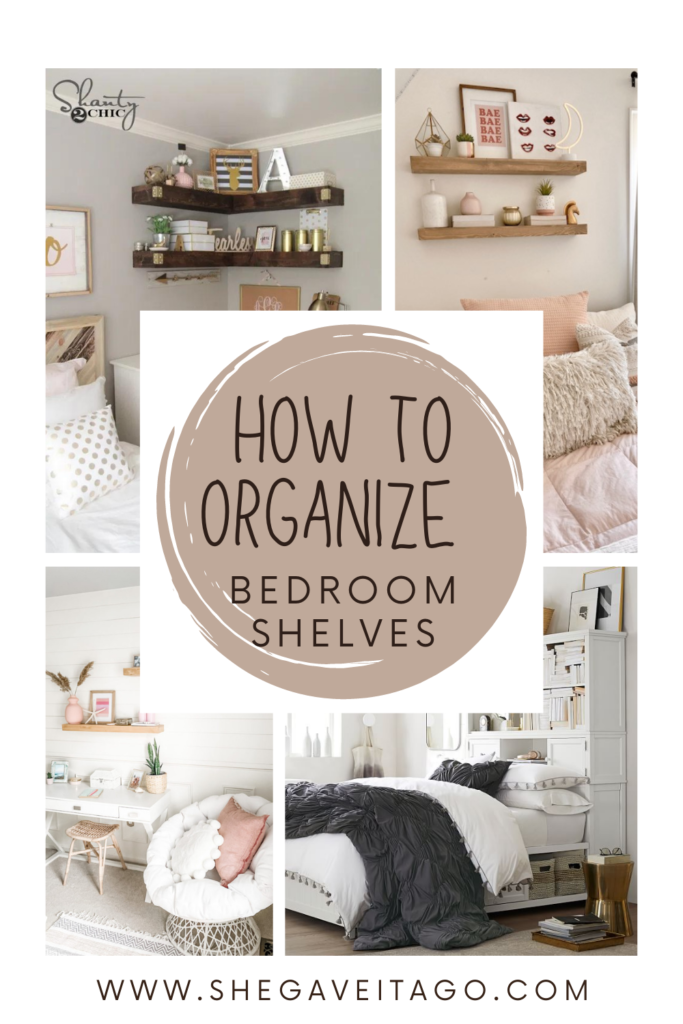
Clear clutter, set zones, add smart storage, and keep tiny daily habits.
You want real-life tips on how to organize a bedroom, not theory. I’ve helped many clients turn chaotic rooms into calm, useful spaces. In this guide, I’ll show you how to organize a bedroom with simple steps, pro tricks, and small habits that actually stick.
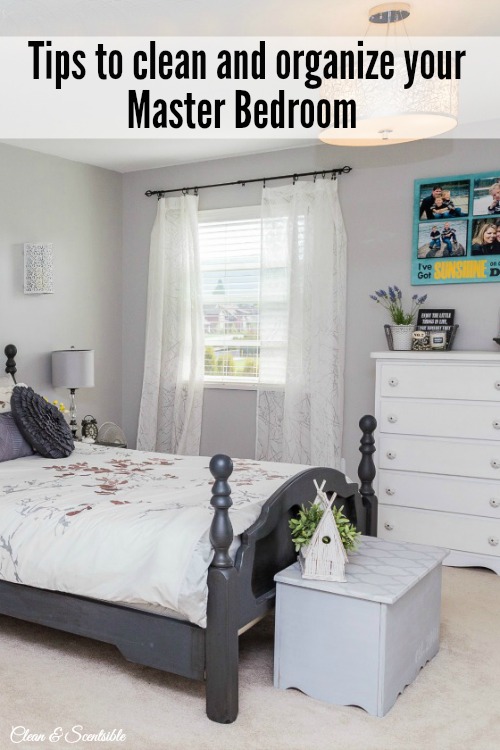
Start with a clean slate: declutter with purpose
If you ask how to organize a bedroom, start by removing what does not belong. Clutter hides your best layout and eats your energy. A clear room lets you see what you own and what you need.
Try the four-box sort:
- Keep for the bedroom. These items support sleep, dressing, and daily care.
- Relocate to other rooms. Books, tools, and paperwork live elsewhere.
- Donate or sell. Good items you do not use or love.
- Trash or recycle. Broken, stained, or expired.
High-impact spots to edit first:
- Surfaces. Nightstands, dressers, and the floor. Clear them to reset the room.
- Closet. Pull out duplicates and “someday” sizes. Keep your current fit.
- Under-bed area. Keep only sealed, clean, seasonal items.
Mistakes to avoid from my early jobs:
- Saving every keepsake in the bedroom. Move memory boxes to a hall or office.
- Overbuying bins before the edit. Wait until you know what stays.
- Mixing sleep and work zones. Laptops and wires can live in a desk area elsewhere.
Quick test: If you would not pack it for a weekend away, it likely does not need to live in your bedroom.
Map your room: layout and flow
When learning how to organize a bedroom, map the space before you move furniture. Measure walls, doors, outlets, and windows. Note swing paths for doors and drawers.
Design rules that work:
- Place the bed where you can see the door, with 24 to 36 inches of walkway on one side or both. In small rooms, one walkway is fine.
- Create a simple triangle: bed, closet or dresser, and hamper. Keep paths short and clear.
- Keep heavy storage near the closet wall. It reduces back-and-forth trips.
Small room example from a recent client:
- We centered a full bed on the long wall.
- We used narrow nightstands with drawers.
- We put a tall dresser by the closet to stage outfits.
- We left 30 inches clear from bed to door. The room felt calm and easy to use.
Tip: Use sliders or towels under furniture feet to test layouts fast. Live with a layout for a week before you commit.
:strip_icc()/maitegrandabedroom-056deb36d2474f6eb28642e9c1457b22.jpeg)
Storage that actually works
To master how to organize a bedroom, match storage to your stuff and your habits. Keep “prime real estate” for daily items. Use clear zones for the rest.
Closet upgrades:
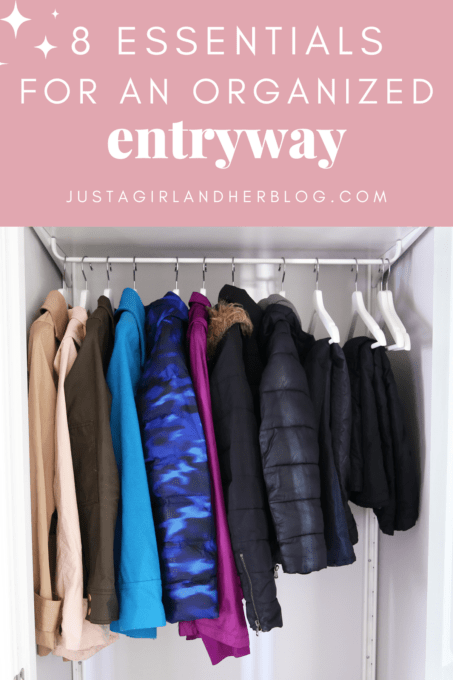
- Use matching slim hangers. They save space and look tidy.
- Group by type and color. Tops, pants, dresses, then light to dark.
- File fold tees and workout gear in drawers. You see everything at a glance.
Under-bed space:
- Use low, lidded bins for off-season clothes or spare bedding.
- Label both the front and top. You can read it from any angle.
- Note: Under-bed storage can gather dust. Use sealed bins and a bed skirt if needed.
Vertical wins:
- Add a second hanging rod.
- Install shelf dividers to keep stacks from slumping.
- Use hooks behind the door for bags, robes, or tomorrow’s outfit.
Nightstand sense:
- Top drawer: sleep mask, lip balm, charger.
- Lower shelf: book or journal.
- Keep only one drink and one book out. Visual calm helps your brain rest.
Drawer test I use on every job:
- The two-finger test. If a drawer cannot close with two fingers, it is overfull. Edit or move items.
Systems and routines that keep it tidy
The secret to how to organize a bedroom that stays neat is simple, repeatable habits. Make your system so easy it feels automatic.
Daily reset, five minutes:
- Make the bed. Smooth the duvet or blanket from top to foot.
- Return clothes to the closet or hamper.
- Clear the nightstand. Put items back in the top drawer or tray.
Weekly sweep, 15 minutes:
- Empty the hamper and start a load.
- Dust flat surfaces and wipe handles.
- Edit one small spot, like a sock drawer.
Monthly edit, 20 minutes:
- Purge worn-out items and lone socks.
- Rotate seasonal clothes.
- Check chargers and cables. Keep one spare, donate extras.
Laundry flow that works:
- Place the hamper near where you undress.
- Use a small staging hook for “wear again” items.
- Fold or hang clean clothes within 24 hours. Keep the loop tight.
Pro tip from client homes: Stack habits. Make the bed right after you stand. Put clothes away while your coffee brews. Tiny links make change stick.

Style that supports sleep
Part of how to organize a bedroom is shaping the look to calm your mind. Style should serve function and sleep.
Keep it simple:
- Choose a tight color palette of two to three calm tones.
- Limit decor on surfaces. One lamp, one plant, one photo is enough.
- Use closed storage to hide visual noise.
Light matters:
- Layer light. Use a warm 2700K bulb at the nightstand, a soft overhead, and a small task light at the dresser.
- Block street light with lined curtains or a blackout shade.
- Keep screens out or use Night Shift mode.
Bed basics:
- Pick breathable sheets. Cotton percale or linen helps temperature.
- Use two sets per bed. Wash and swap to avoid laundry lag.
- Store the spare set in a labeled bin under the bed or on a high shelf.
Cable and tech:
- Use a small cord clip on the nightstand edge.
- Charge devices in a tray or pouch. It looks clean and keeps dust down.
:max_bytes(150000):strip_icc()/bedroom-organization-tips-2647884-hero-cdb1f3ec89f44417979e6be4acbbde89.jpg)
Special cases and smart tweaks
If you wonder how to organize a bedroom that is tiny, shared, or kid-filled, tailor your plan to the people who live there.
Tiny bedrooms:
- Use a loft bed or a frame with drawers.
- Choose a narrow dresser and tall shelves to go vertical.
- Mount bedside shelves to free floor space.
Kids’ rooms:
- Use low, open bins with picture labels.
- Set one laundry hamper per child.
- Rotate toys. Keep a “now” bin and a “later” bin in a closet.
Shared rooms and couples:
- Mirror storage on both sides of the bed if you can.
- Agree on a dirty-clothes rule and a device rule.
- Use a tray system on each nightstand to avoid mix-ups.
ADHD-friendly setups I’ve used:
- Clear bins and open shelves so you see what you have.
- One-step homes: hooks for hoodies, trays for pockets, a single catch-all bowl.
- Externalize memory with labels and a small whiteboard on the closet door.
Renters:
- Use removable hooks and shelves.
- Choose furniture with hidden storage.
- Roll a cart in as a flexible nightstand.

A simple maintenance checklist and quick wins
A checklist makes how to organize a bedroom feel easy and light. Use this plan once, then repeat the parts that help most.
15-minute nightly reset:
- Two minutes to make the bed for tomorrow.
- Five minutes to put clothes away.
- Three minutes to clear surfaces.
- Five minutes to prep an outfit.
30-day tidy-up plan:
- Day 1 to 7: Edit tops, bottoms, socks, and underwear.
- Day 8 to 14: Nightstand, dresser top, under the bed.
- Day 15 to 21: Closet hangers, shoes, bags.
- Day 22 to 30: Bedding, decor, cables, and final polish.
Track what matters:
- Time to find your favorite item. Aim for under 30 seconds.
- Clear-surface score. Nightstand and dresser tops 80% clear most days.
Real-world tip: Put a sticky note on the closet door with your top three rules. Mine are “Make bed,” “One in, one out,” and “Nightstand clear.”
Frequently Asked Questions
What is the first step to get organized?
Start with surfaces. Clear your bed, nightstand, and floor. Then sort with four boxes so you can see what stays.
How do I organize a small bedroom with many clothes?
Use slim hangers, add a second closet rod, and file fold tees. Store off-season items under the bed in sealed bins.
How often should I declutter my bedroom?
Do a five-minute reset daily and a 15-minute sweep weekly. Run a quick monthly edit to catch build-up.
How can couples organize a shared bedroom without fights?
Give each person a clear zone and matching storage. Set simple rules for laundry, devices, and nightstand clutter.
What is the best way to keep a nightstand tidy?
Limit items to a lamp, one book, and a small tray. Put chargers and small items in the top drawer.
Should I keep a TV in the bedroom?
If sleep is a struggle, consider moving it out. If you keep one, set a shut-off timer and dim the screen.
What are affordable storage ideas that still look good?
Use matching bins, shelf dividers, and clear boxes with simple labels. Thrift a dresser and swap knobs for a fresh look.
How can I make the bed quickly every day?
Use a duvet with corner ties and skip extra pillows. Smooth from head to foot in under a minute.
Conclusion
You now know how to organize a bedroom with clear steps, smart storage, and easy habits. Start with declutter, map your layout, set zones, and build tiny routines that hold the line. Your room can feel lighter this week.
Pick one action today. Make the bed, clear the nightstand, or set a hamper where you undress. Then keep going. If this helped, subscribe for more home guides, share your before-and-after, or leave a question for next week’s tips.