Use the right tools, groom your pet, and clean in smart steps.
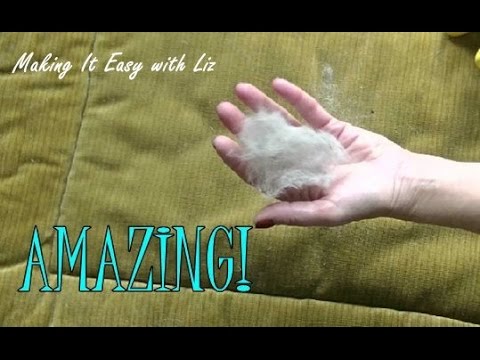
If pet hair has taken over your clothes, couch, and car, you are not alone. I’ve tested dozens of methods as a multi-pet owner and home-cleaning nerd. This guide shows how to remove pet hair on every surface, why hair sticks, and what actually works long term. By the end, you’ll have a simple plan for how to remove pet hair without wasting time or money.

Why Pet Hair Clings: The Science You Can Use
Pet hair sticks because of static, texture, and oils. Static builds on dry fabrics and pulls hair in like a magnet. Some fibers, like polyester and fleece, hold a charge and trap hair deep in the weave. Natural oils from fur help strands nest into fabric loops.
Here is how to remove pet hair with this in mind. Add moisture to cut static. Use friction that grabs hair. Then vacuum with strong airflow and a HEPA filter. This order saves time and gets better results.
As a foster pet parent, I learned this the hard way. Once I added a quick mist of water and a rubber tool before vacuuming, I cut my cleaning time in half.

The Best Tools to Remove Pet Hair (And When to Use Them)
Match the tool to the surface. You do not need everything. Start with one tool per area.
Suggested basics:
- HEPA vacuum with a motorized brush. For carpets, rugs, and stairs. A true HEPA filter traps tiny dander and helps allergies.
- Rubber glove or rubber squeegee. For sofas, car seats, and rugs. Rubber builds light friction that gathers hair into clumps.
- Microfiber cloth. For wood, baseboards, and hard floors. Picks up hair without pushing it around.
- Lint roller or reusable fabric brush. For clothes and quick touch-ups.
- Dryer with wool balls. For laundry. Loosens hair before washing.
- Spray bottle with water or a 50/50 water and white vinegar mix. For cutting static on fabrics.
When people ask how to remove pet hair fast, I suggest this toolkit first. It works in nearly every home and offers a low learning curve.

How to Remove Pet Hair from Clothes
Here is how to remove pet hair from clothes without stress.
Step-by-step:
- Toss clothes in the dryer first on no heat for 10 minutes with two wool balls. The airflow frees hair into the lint trap.
- Shake items outside. Then use a fabric brush or lint roller for what remains.
- Wash with an extra rinse. Add half a cup of white vinegar to the rinse to cut static.
- Dry again with wool balls. Clean the lint trap after.
Quick fixes:
- Use a damp rubber glove to sweep hair off leggings and coats.
- Keep a small roller in your entryway and car for last-minute touch-ups.
How to Remove Pet Hair from Upholstery and Bedding
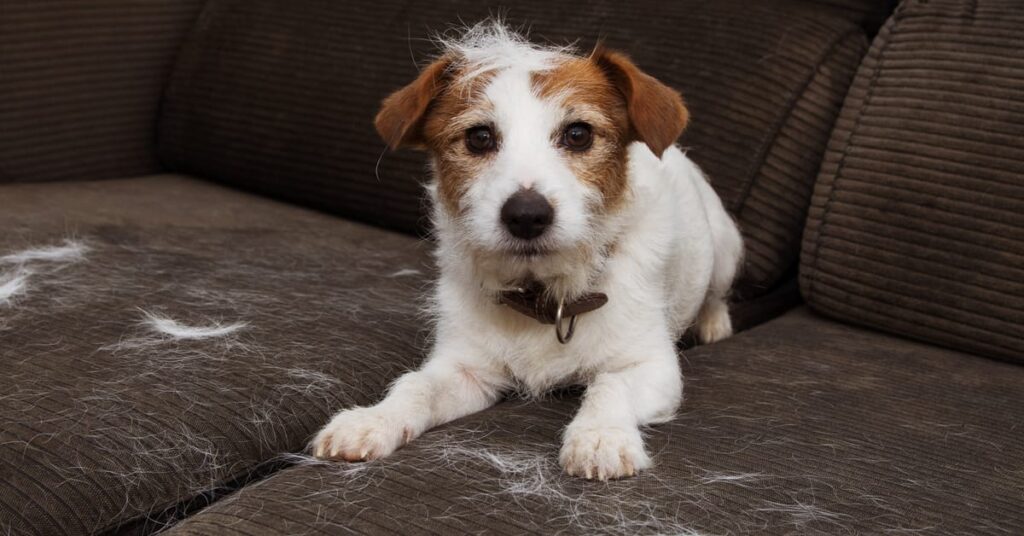
Hair loves woven fabric and seams. Work in small sections.
Try this order:
- Lightly mist the fabric with water. Do not soak it.
- Use a rubber glove or squeegee to gather hair into piles.
- Vacuum with an upholstery tool. Use short, overlapping strokes.
- For bedding, shake outside, then run on no-heat tumble for 10 minutes before washing.
Tip from my home: A damp microfiber cloth along cushion edges pulls out the hidden line of hair that most people miss.
How to Remove Pet Hair from Carpets, Rugs, and Floors
Carpets need agitation and airflow. Rugs trap hair at the base of the pile.
Follow this:
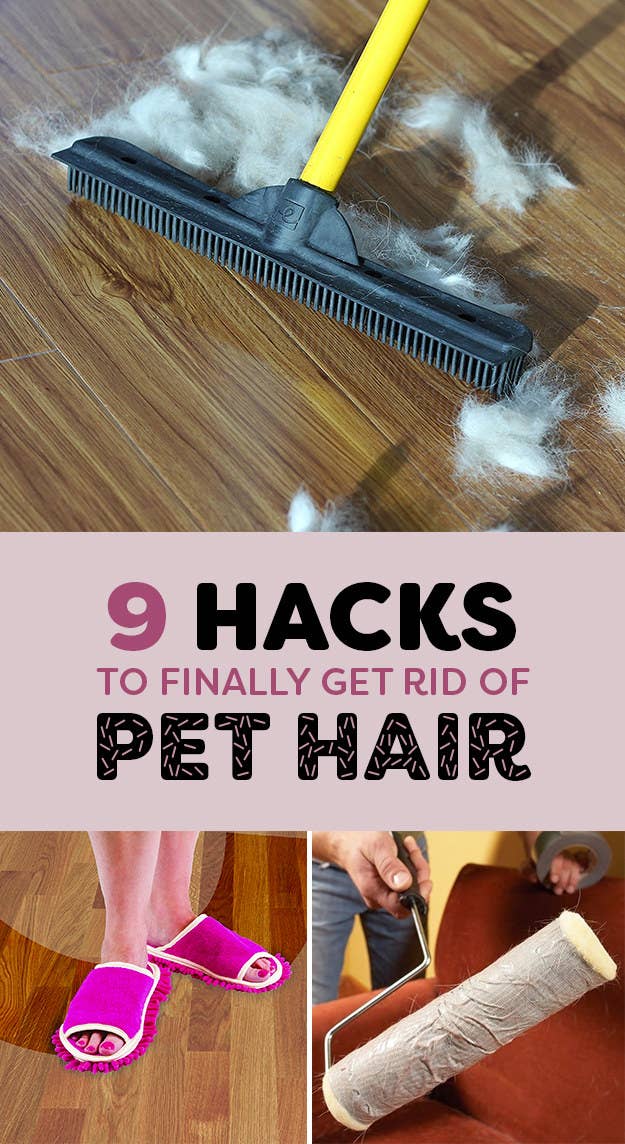
- Rake or brush first. A rubber broom or carpet rake brings hair to the surface.
- Vacuum slowly with a motorized brush. Make two passes in different directions.
- Edge clean. Run the crevice tool along baseboards and under furniture.
- On hard floors, skip dry sweeping. Use a vacuum or a slightly damp microfiber mop to avoid hair drift.
If you ask how to remove pet hair from thick rugs, use a high-pile setting and go slow. Speed kills pickup.

How to Remove Pet Hair in Your Car
Car seats and trunk liners love fur. Static builds fast in cars.
Steps that work:
- Crack the windows to reduce static and dust float.
- Lightly mist seats with water. Then use a rubber squeegee to pull hair into clumps.
- Vacuum with a narrow tool. Move front to back to follow the fabric grain.
- For stubborn hair, use a pumice stone very gently on tough mats only. Test first.
I keep a travel-size lint roller in the glove box for quick fixes. It saves my work clothes.

Prevention: Grooming and Home Habits that Reduce Shedding
The best tip for how to remove pet hair is to stop it at the source.
Daily or weekly habits:
- Brush your pet. Match the tool to the coat. A de-shedding brush for undercoats, a slicker brush for long hair, a rubber curry brush for short coats.
- Bathe on a schedule. Too often can dry skin. Ask your vet for a safe interval.
- Feed a balanced diet. Healthy skin sheds less. Omega-3s can help if your vet agrees.
- Add washable throws on couches. Wash them weekly. Swap while one set dries.
Grooming and diet changes may take a few weeks to show full results, but the payoff is big.
Laundry Tactics That Make a Real Difference
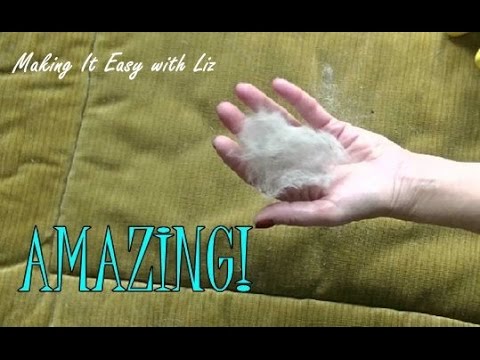
Laundry can spread hair if you wash first. Airflow should come before water.
Smart routine:
- Tumble dry with no heat and wool balls to loosen hair.
- Wash with a rinse boost. Use liquid fabric softener sparingly or white vinegar to cut static.
- Clean the washer drum and gasket if you see hair. Run a rinse cycle.
- Dry again with wool balls and clean the lint trap after each run.
If your main goal is how to remove pet hair from blankets, this dryer-first method is the game-changer.

Air Quality, Allergies, and Static Control
Dander is lighter than hair and lingers in air. Good filtration helps both comfort and cleaning.
Simple upgrades:
- Use a HEPA air purifier sized for the room. True HEPA captures 99.97% of 0.3-micron particles.
- Keep indoor humidity around 40–50%. It reduces static and helps hair fall faster.
- Change HVAC filters on time. Choose a higher MERV rating your system supports.
These changes make how to remove pet hair easier because less hair settles and sticks.
A Weekly Cleaning Plan You Can Actually Follow
A small routine beats a big cleanup.
Try this plan:
- Daily: Quick lint roll by the door. Spot vacuum high-traffic paths.
- Twice a week: Brush your pet and shake out throws outside.
- Weekly: Deep vacuum with slow passes. Wash throws and bedding with the dryer-first method.
- Monthly: Detail the car. Clean under couch cushions. Rinse the washer and clean the dryer vent screen.
Stick to this for three weeks and you will see clear floors and softer fabrics. It is the easiest path for how to remove pet hair and keep it off.
Frequently Asked Questions of How to Remove Pet Hair
What is the fastest way to get pet hair off clothes?
Tumble clothes on no heat with wool balls for 10 minutes, then lint roll. This removes most hair before washing and saves time.
How do I remove pet hair from black clothes without ruining the fabric?
Use a reusable fabric brush or damp rubber glove with light pressure. Avoid sticky rollers if the fabric is delicate or prone to pilling.
Which vacuum is best for pet hair?
Choose a vacuum with a motorized brush and a true HEPA filter. Strong airflow and a sealed body matter more than brand hype.
Do dryer sheets help with pet hair?
Dryer sheets reduce static, which helps release hair. If you prefer low scent or have sensitive skin, use wool balls and a small splash of white vinegar instead.
How can I remove pet hair from a washing machine?
Run an empty rinse cycle and wipe the gasket and drum with a damp microfiber cloth. Clean the drain filter if your model has one.
Will shaving my dog or cat reduce shedding?
Shaving is not a fix and can harm coat health. Regular brushing and proper diet do far more to manage shedding.
How do I remove pet hair from a couch quickly before guests arrive?
Lightly mist cushions, rub with a rubber glove to clump hair, then vacuum. Finish with a quick pass of a lint roller on armrests.
What helps with pet hair if I have allergies?
Use a HEPA air purifier, vacuum often with a HEPA vacuum, and wash throws weekly. Keep humidity at 40–50% to reduce static and airborne particles.
Conclusion
Pet hair is normal, but it does not have to own your home. Use the right order: loosen, gather, then vacuum with strong airflow. Add simple grooming and laundry habits, and you will spend less time cleaning and more time with your pet.
Ready to put this into action? Pick one area today and try the steps. For more guides on home care and pet life, subscribe or leave a question in the comments so I can help next.