Pour hot water, use a plunger, then clear the trap or snake the drain.
If you want to know how to unclog a sink without stress or damage, you’re in the right place. I’ve cleared hundreds of kitchen and bathroom clogs, from hair mats to bacon grease. In this guide, I’ll show you how to unclog a sink step by step, when to switch methods, and how to prevent the next clog. It’s simple, safe, and based on real-world fixes that work.
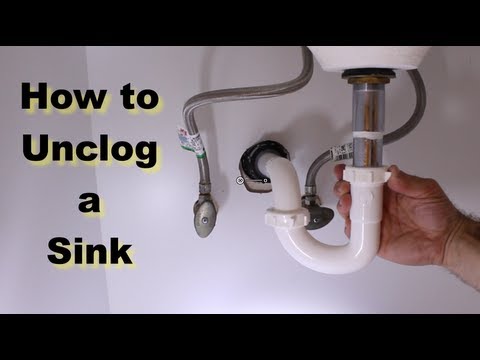
What Causes Sink Clogs
Clogs form when sticky residue traps debris until the drain narrows or seals shut. Knowing the cause helps you pick the right fix.
Common culprits:
- Kitchen: grease, oil, fat, starchy foods, coffee grounds, eggshells
- Bathroom: hair, soap scum, toothpaste, shaving cream, floss
- Utility sinks: lint, paint, dirt, small objects
- Hardware issues: sagging pipes, old rough cast iron, tight P-trap turns
Warning signs:
- Slow draining or standing water
- Gurgling sounds or foul odors
- Backups in nearby fixtures when you run water elsewhere
Why it matters for how to unclog a sink:
- Grease needs heat and surfactants
- Hair needs hooking tools or an auger
- Heavy buildup needs trap cleaning or snaking
Tools and Materials You’ll Need
You can solve most clogs with a few basic tools.
Essentials:
- Kettle or pot for hot water
- Dish soap
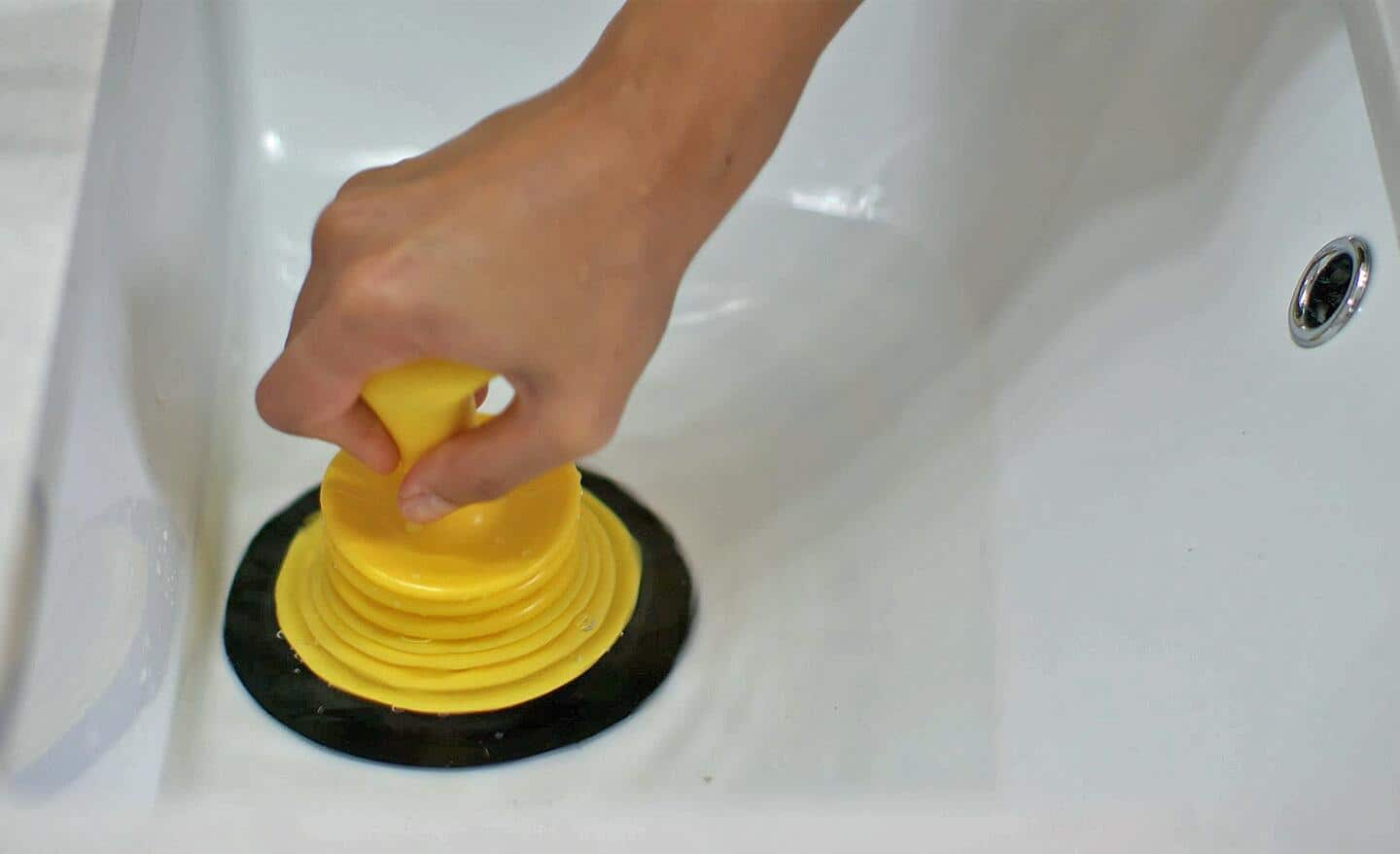
- Cup plunger (flat bottom) for sinks
- Bucket, towels, rubber gloves
- Zip-it or hair removal tool
- Adjustable wrench and old toothbrush
- Baking soda and white vinegar
- Drain snake or hand-crank auger
- Wet/dry vacuum with hose (optional)
- Flashlight and a small mirror
- Plumber’s tape (Teflon) for reassembly

Safety and Prep
A little prep keeps you safe and protects your pipes.
Do this first:
- Clear the sink and remove the drain stopper or basket
- If you have a garbage disposal, switch it off and unplug it
- Never mix chemical drain cleaners with anything else
- Ventilate the area and wear gloves and eye protection
- Place a bucket under the P-trap before opening it
Good to know for how to unclog a sink:
- Use boiling water only on metal drains; use hot-but-not-boiling on PVC
- Do not plunge after adding chemical cleaner
Step-by-Step: How to Unclog a Sink
Start with the least invasive method. Move up only if needed. This approach saves time and avoids damage.
Method 1: Hot Water and Dish Soap
This works well on grease and soap scum.
- Bring water to a boil. For PVC, heat until very hot, not boiling.
- Squirt a generous line of dish soap into the drain.
- Pour the water in two to three stages, waiting 10–20 seconds between pours.
- Run hot tap water for 1–2 minutes.
Pro tip: Repeat once. If no change, move on. This is the gentlest way to start how to unclog a sink.
Method 2: Plunging the Sink
Plunging uses pressure to break the plug.
- For double-bowl sinks, seal the other drain with a wet cloth.
- Fill the clogged side with a few inches of warm water.
- Place the plunger flat over the drain and plunge 15–20 firm strokes.
- Lift the plunger and test. Repeat up to three cycles.
Common mistake: Pushing too hard can blow out seals. Firm, steady strokes are best when learning how to unclog a sink.
Method 3: Baking Soda and Vinegar
Helps loosen light buildup and odors.
- Pour 1/2 cup baking soda into the drain. Pack it in.
- Add 1 cup white vinegar. Let it fizz 10–15 minutes.
- Flush with very hot water for 1–2 minutes.
Note: This is not a cure for heavy hair clogs. It supports other steps in how to unclog a sink.
Method 4: Zip-It or Hair Tool
Perfect for bathroom sinks.
- Remove the stopper. Some lift out; others need the pivot rod loosened under the sink.
- Insert the tool and pull up slowly. Clean debris into a trash bag.
- Repeat until clear. Flush with hot water.
Method 5: Clean the P-Trap
Great for heavy gunk close to the sink.
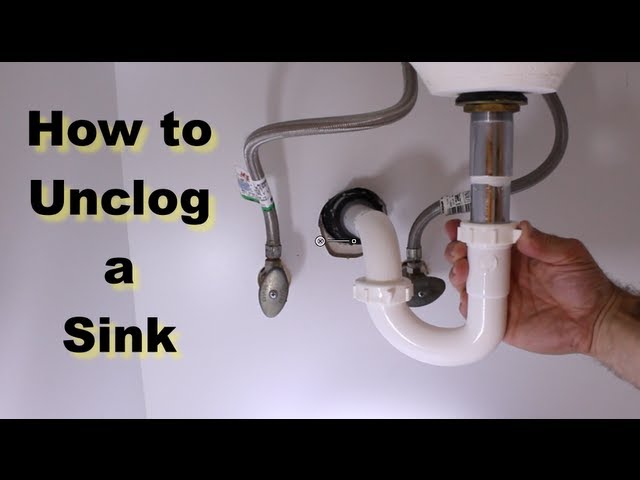
- Place a bucket under the trap (the U-shaped pipe).
- Loosen the slip nuts by hand or wrench. Keep track of washers.
- Remove the trap and dump debris into the bucket.
- Scrub the trap with a brush. Check the trap arm into the wall.
- Reassemble with washers seated. Hand-tighten, then a quarter turn more.
Test for leaks by running water. If it drains slow, the clog may be deeper. This is a core skill in how to unclog a sink like a pro.
Method 6: Use a Drain Snake or Hand Auger
Best for clogs in the branch line.
- Feed the snake into the drain or wall stub after removing the trap.
- Turn the handle clockwise as you push. Go slow and steady.
- When you hit resistance, crank to bite the clog. Then pull back a bit.
- Repeat until the cable advances freely.
- Withdraw and flush with hot water.
Pro tip: For kitchen sinks, a 1/4-inch cable is easier to guide around bends.
Method 7: Wet/Dry Vacuum Trick
Useful when water is standing.
- Set to wet mode and remove the paper filter.
- Seal the hose to the drain with a damp rag.
- Cover any overflow holes with tape or a hand.
- Vacuum for 10–15 seconds at a time. Empty and repeat.
This can pull out hair wads, rice, or coffee grounds. It is a smart add-on to how to unclog a sink without opening pipes.
Method 8: Garbage Disposal Specifics
If the disposal hums or is jammed:
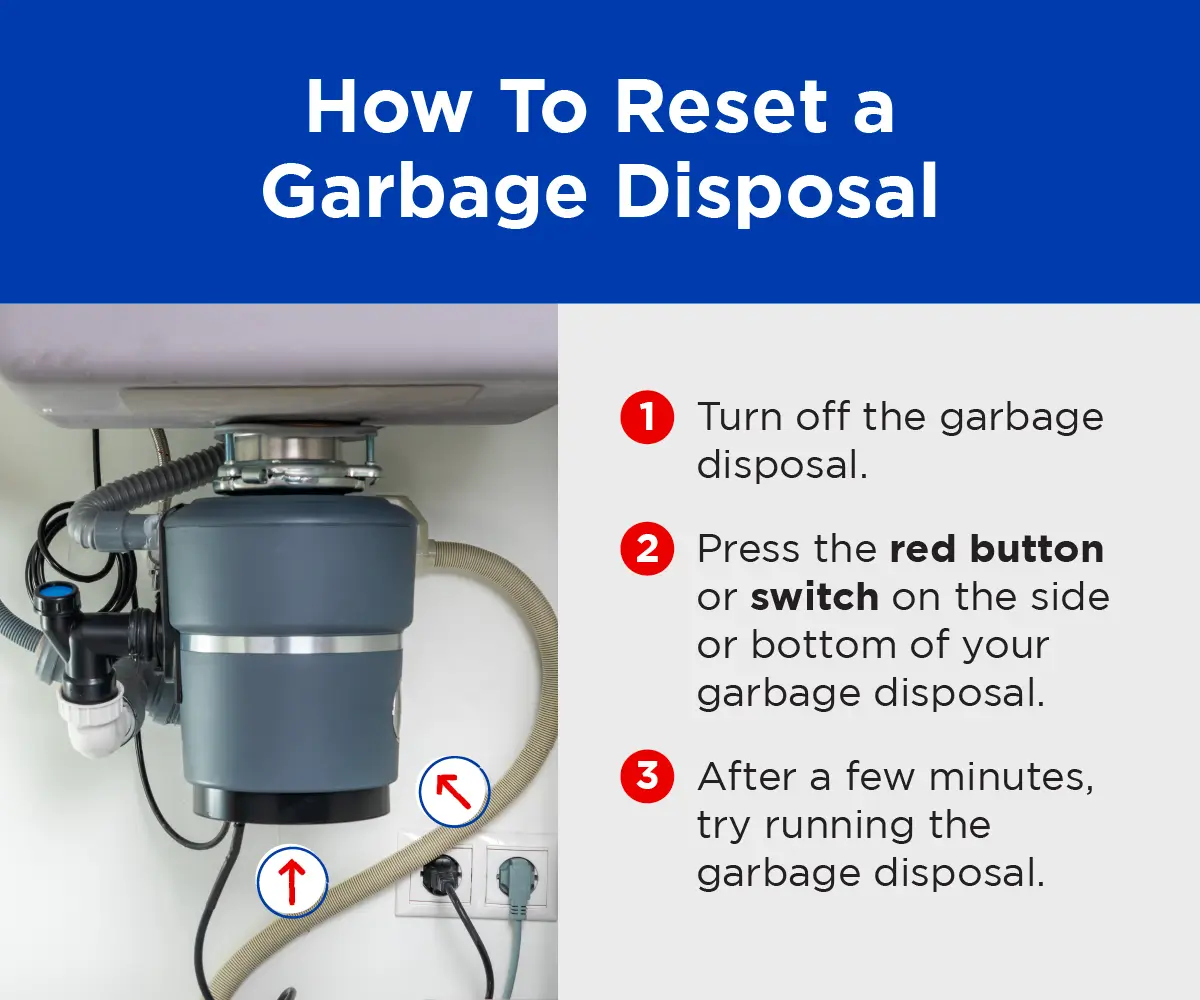
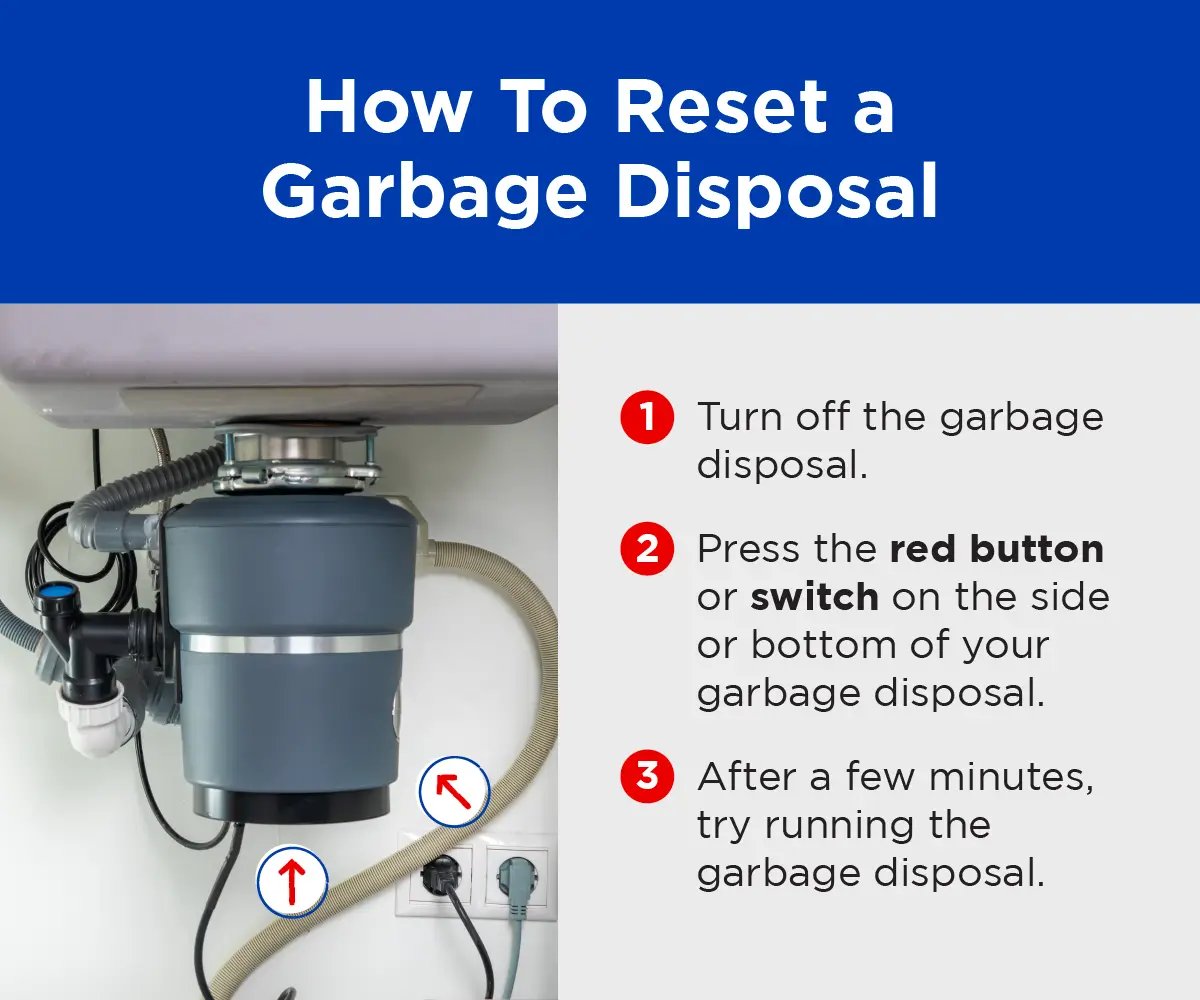
- Turn off power. Insert the included hex key in the bottom slot and turn to free the impeller.
- Use tongs to remove objects. Never put your hand inside.
- Press the reset button. Run cold water and test.
- If clogged, plunge the drain as above. Avoid baking soda and vinegar inside the disposal housing.
Which method to try first?
- Slow drain and greasy film: hot water and soap
- Hair and soap scum: zip-it, then hot water
- Standing water: plunger, then trap cleaning
- Recurring clogs: snake the line beyond the trap
These steps cover how to unclog a sink in almost every home case.

Troubleshooting and Common Scenarios
If the water backs up in another fixture:
- The blockage is downstream of the branch. Snake through the wall stub after removing the trap.
If the clog returns within days:
- You may have a partial blockage or a vent issue. Snake deeper or call a pro.
If there is a rotten egg smell:
- Flush with hot water and dish soap. Then use baking soda and vinegar. Clean the overflow channel on bathroom sinks.
If you have old metal pipes:
- Avoid harsh chemical cleaners. They heat up and can damage thin walls. Use mechanical methods.
If your stopper won’t come out:
- Loosen the pivot rod nut under the sink. Slide the rod out. Lift the stopper and clean it.
These notes help you judge how to unclog a sink fast and safely.

When to Call a Pro and What It Costs
Red flags that point to a larger issue:
- Multiple fixtures draining slow or backing up
- Water backing into the tub when you run the sink
- Frequent clogs after you already snaked the line
- Sewage odor from several drains
What to expect:
- Basic snaking at a sink: low to mid cost, often same-day
- Deep augering or pulling the trap arm: higher cost
- Camera inspection or main line work: higher tiers, but it finds root causes
- Ask for a warranty on the cleared line
Knowing when to stop DIY is part of how to unclog a sink the smart way.
Prevention: Keep Your Drains Clear
Small habits beat big clogs.
- Use a mesh strainer in every sink
- Never pour grease down the drain; wipe pans into the trash
- Run hot water after washing fatty foods
- Once a week, flush with hot water and a bit of dish soap
- Monthly, pull and clean the stopper
- For disposals, grind a few ice cubes with a citrus rind, then flush with cold, then hot water
These habits reduce the need to learn how to unclog a sink again.

DIY vs Chemical Drain Cleaners: Pros, Cons, and Pipe Safety
DIY methods
- Pros: safer for pipes, low cost, great for most clogs
- Cons: may take time, messy if you open the trap
Chemical cleaners
- Pros: can melt some organic clogs fast
- Cons: can warp PVC, corrode metals, and generate heat and fumes; never mix with other products; unsafe to plunge after use
If you must use a chemical cleaner:
- Use the smallest effective dose
- Ventilate well and avoid skin and eye contact
- If it fails, call a pro; do not plunge or snake a line full of chemicals
Choosing safe methods is key to how to unclog a sink without damage.
My Real-World Lessons From The Field
A kitchen sink I fixed last winter had a grease cap the size of a deck of cards. Boiling water and soap moved it a bit, but plunging made it worse. I pulled the P-trap and found the clog hard as wax. A quick scrape, hot flush, and it was gone. The lesson: if grease set up, go straight to the trap.
I have also seen hair ropes in bathroom sinks so long they looked like seaweed. A zip-it tool cleared them in minutes. The mistake to avoid is forcing a big plunger on a delicate sink. Gentle wins. These stories shaped how I teach people how to unclog a sink with calm and care.
Frequently Asked Questions of How to Unclog a Sink
What is the fastest way to unclog a sink?
Start with hot water and dish soap, then plunge for 15–20 strokes. If that fails, clean the P-trap or use a small drain snake.
Can I pour boiling water down PVC pipes?
Use hot, not boiling, water on PVC to avoid softening the plastic. Boiling water is fine for metal pipes.
How do I unclog a sink with a garbage disposal?
Turn off power, free the impeller with the hex key, remove objects with tongs, and press reset. Run cold water, then plunge if needed.
Is baking soda and vinegar enough to clear a clog?
It helps with light buildup and odors but won’t cut dense hair or heavy grease. Pair it with plunging or a zip-it tool.
When should I call a plumber?
If multiple fixtures clog, water backs into the tub, or clogs return fast after snaking. Also call if chemical cleaner is in the line.
Are chemical drain cleaners safe for pipes?
They can harm PVC and old metal pipes and create heat and fumes. Use mechanical methods first and avoid mixing chemicals.
Why does my sink keep clogging?
Grease, hair, and soap scum build up in rough or sagging pipes. Use strainers, flush with hot water weekly, and avoid pouring fats.
Conclusion
Now you know how to unclog a sink with clear steps, safe tools, and pro tips. Start gentle, escalate with a plan, and stop when you hit red flags. A calm method protects your pipes and your wallet.
Try one method today, then set a simple weekly flush habit. If you found this useful, share it with a friend, subscribe for more home fixes, or drop a question in the comments so I can help with your exact sink.