Edit your items, assign zones, and add grab-and-go storage you’ll use.
You clicked for real results, not clutter theory. I’m a home organizer who has set up more than 200 entryways, from tiny studios to busy family homes. This guide shows How to Organize Entryway Essentials with simple steps, smart products, and honest tips that actually hold up to daily life. Stick with me and you’ll build a smooth welcome zone that works every single day.

What Belongs in an Entryway: The Essentials Checklist
Your entry sets the tone for your home. It should hold only what you grab on the way out and drop on the way in. Here is what most homes need, nothing more, nothing less.
- Keys, wallets, and sunglasses
- Mail, packages, and returns
- Coats, jackets, and bags
- Shoes, boots, and slippers
- Umbrellas and weather gear
- Masks, lint roller, and hand sanitizer
- Dog leashes, waste bags, and treats
- A pen, tape measure, and small notepad
I use this same list each time I plan How to Organize Entryway Essentials. It cuts noise, sets limits, and keeps the area calm. If it is not on this list, it should live elsewhere.
Measure, Map, and Set Zones
Good organization starts with a tape measure. Measure wall width, floor depth, and door swing. Note outlets and light switches.
Divide the area into three zones:
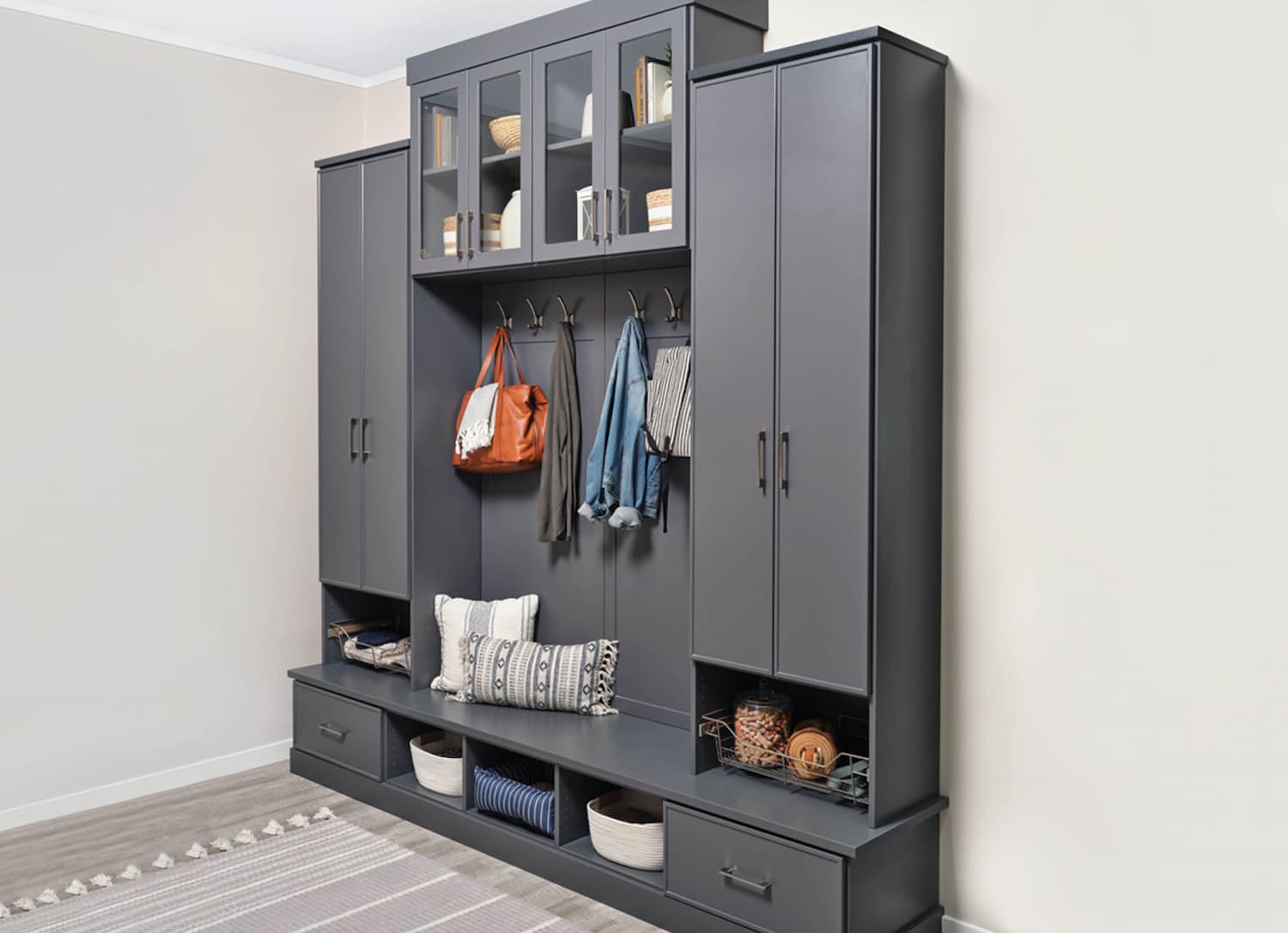
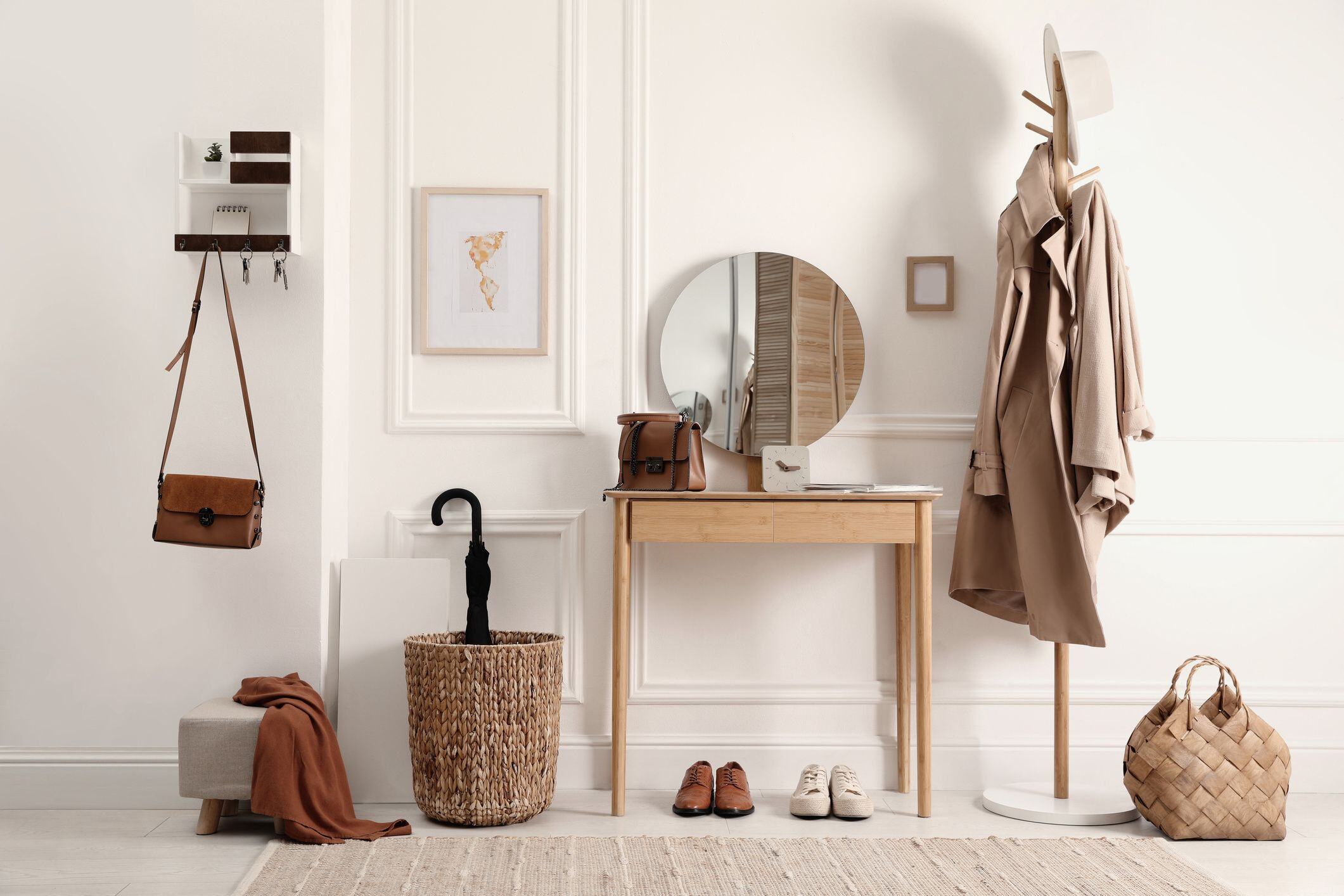
- Wall zone: hooks, racks, and a mirror
- Surface zone: tray, bowl, and mail sorter
- Floor zone: shoe rack, bench, umbrella stand
Now place each essential in its zone. Hooks take coats and bags. A lidded bin holds gloves. A shallow tray corrals keys and sunglasses. This is the backbone of How to Organize Entryway Essentials, because it removes guesswork and keeps each item a home.

Storage Ideas That Work in Any Space
You do not need a built-in mudroom. You need clear homes for things. Choose storage that matches traffic and habits.
- Wall hooks: Use double hooks for coat and bag. Mount 48–66 inches from the floor so kids can reach.
- Slim shoe rack: Pick open shelves so shoes dry fast. Allow at least one pair per person by the door.
- Bench with storage: A lift-top bench hides scarves and hats. A shelf bench holds baskets.
- Catchall tray or valet: A 10–12 inch tray is large enough for keys, wallet, and sunglasses but small enough to prevent pile-ups.
- Vertical mail file: Label slots for incoming, to-pay, and to-return.
- Command hooks: Great for renters and for dog leashes at kid height.
- Magnetic strip: Mount inside a cabinet for keys if you prefer hidden storage.
- Umbrella stand with drip tray: Keeps floors dry and safe.
I learned the hard way that deep baskets near the door become black holes. Use shallow bins so you can see what is inside. This one tweak changed how to organize entryway essentials for many of my clients.
.png?width=1250&height=798&name=Entry%20Way%208%20(credit%20Tailored%20Closet).png)
Daily Flow: Create Easy Grab-and-Go Systems
Work with your natural moves, not against them. Watch your routine for two days. Where do you drop your bag? Where do kids drop shoes? Place the right container right there.
Try these simple, proven moves:
- Put a tray within the first step inside the door. Keys land there or they get lost.
- Give each person one hook and one bin. Label both with names or icons.
- Use a rug with a rough weave at the door, then a small mat inside. Two-stage mats trap dirt and keep floors clean.
- Keep backups at the door: lip balm, hand sanitizer, and spare masks.
This habit-first plan is at the heart of How to Organize Entryway Essentials. Small friction kills systems. Easy wins keep them alive.

Small Spaces and Rentals: Smart Hacks
Tiny entry? No problem. Rentals? We can still make it work. Use vertical space and non-damaging tools.
- Over-the-door rack: Holds jackets or bags without holes.
- Narrow console (8–10 inches deep): Enough for a tray and mail sorter.
- Floating shelf with lip: Safe for phones and sunglasses.
- Corner hooks: Use dead corners to double hanging space.
- Fold-flat stools: Store under the console for quick shoe changes.
- Stick-on boot trays: Catch winter mess with zero damage.
I once fit a family of four into a 34-inch wall with a rail, six hooks, and two slim bins. They went from chaos to clear in one hour. That is How to Organize Entryway Essentials when space is tight.

Seasonal Swap and Guest Mode
Your entry will fail if it holds all seasons at once. Rotate gear every quarter.
- Winter: Add boot tray, heavy hooks, and a basket for gloves.
- Spring: Keep rain gear and a compact umbrella.
- Summer: Use a small bin for sunscreen, hats, and dog water bottle.
- Fall: Add a lint roller and light scarves.
For guest mode, clear one hook, one basket, and space for two pairs of shoes. A small framed card with Wi-Fi details is a kind touch. This simple ritual shows you know How to Organize Entryway Essentials for both family and visitors.

Style, Safety, and Cleanliness
Function comes first, then style supports it. Choose a color story that hides dirt and ties to the next room.
- Use a washable runner. Look for a tight, low pile that traps dirt but cleans fast.
- Add a mirror at eye level. It bounces light and gives a quick check before you go.
- Ventilate shoes. Open racks or perforated bins reduce odor and moisture.
- Keep floors safe. Use a non-slip rug pad and a drip tray for wet days.
- Lighting matters. A bright, warm bulb (2700–3000K) makes the entry feel calm and safe.
Clean the tray and switch the rug on a regular schedule. A 60-second wipe of the tray often is the difference between “tidy” and “sticky.” The more you practice How to Organize Entryway Essentials, the less you will need to clean later.

Maintenance: Five-Minute Weekly Reset
Great systems fail without resets. Set a five-minute timer once a week.
- Toss old receipts and junk mail.
- Return stray items to bedrooms or the car.
- Shake mats outside and vacuum the shoe zone.
- Restock dog bags and hand sanitizer.
- Check the donations and returns bin.
This tiny reset protects the time you spent learning How to Organize Entryway Essentials. It also trains everyone in the home to respect the zones.
Budget, Sourcing, and Sustainability
You can do this on any budget. Spend first on what you touch daily: hooks, mat, and a tray.
Good, better, best picks:
- Good: Command hooks, basic tray, doormat, and a simple shoe rack.
- Better: Wood rail with metal hooks, washable runner, slim bench with shelf.
- Best: Wall-mounted system with rails, bins, and a custom shoe cabinet.
Shop your home first. A baking sheet is a fine boot tray. A small bowl can be a key dish. Reuse baskets and jars. When you buy, choose repairable pieces. This is the low-waste way to practice How to Organize Entryway Essentials.
Mistakes to Avoid and Pro Tips
After hundreds of makeovers, these are the most common traps and the quick fixes.
Mistakes to avoid:
- Too many hooks. More hooks invite clutter. Keep one or two per person.
- Deep bins. They hide mess. Use shallow, labeled bins instead.
- No limits. Set a cap on shoes by the door. Store extras in closets.
- Ignoring kids’ height. Put their hooks low so they can hang up on their own.
- Skipping lighting. Dim entries feel messy even when they are not.
Pro tips that work:
- Use one signature tray. One big tray beats three small dishes.
- Mirror plus shelf combo saves inches in small halls.
- Label by person and purpose: “Ava,” “Gym,” “Returns.”
- Corral mail with a wall file and set a weekly pay day.
- Put a tiny trash can near the door for junk mail and tags.
These lessons shape how I teach How to Organize Entryway Essentials. Small choices add up to big daily wins.
Frequently Asked Questions of How to Organize Entryway Essentials
How many pairs of shoes should stay by the door?
Keep one everyday pair per person, plus one seasonal pair like boots or sandals. Store the rest in a bedroom or main closet to reduce clutter.
What is the best height for entryway hooks?
Mount adult hooks at 60–66 inches. Place kids’ hooks at 36–44 inches so they can manage their gear.
How do I keep keys from getting lost without using a bowl?
Use a slim wall-mounted key rack or a magnetic strip near eye level. Place it within the first step inside the door to build the habit fast.
How to Organize Entryway Essentials for pets?
Give leashes a dedicated hook, and place waste bags in a small pouch under it. Keep treats in a sealed jar on a shelf, away from the floor.
How can I organize a rental entry without drilling?
Use command hooks, an over-the-door rack, and a freestanding shoe bench. Add a narrow console with a non-slip pad to protect walls and floors.
How to Organize Entryway Essentials for kids and school gear?
Assign each child one hook and one labeled bin. Keep homework folders and library books in a vertical file near the door for quick mornings.
What rug or mat works best in wet climates?
Choose a coarse outdoor mat plus a washable indoor runner. A boot tray with a lip will capture drips and protect floors.
How to Organize Entryway Essentials when there is no closet?
Rely on a wall-mounted rail with double hooks, a slim shoe rack, and a console shelf. Use vertical mail files and shallow bins to stay tidy.
How do I stop mail from piling up?
Create three slots: incoming, to-pay, and to-return. Set a weekly time to clear each slot so nothing lingers.
How to Organize Entryway Essentials in a very narrow hall?
Pick furniture under 10 inches deep, add a floating shelf, and use high hooks. Store shoes vertically with a tall, slim rack.
Conclusion
You can transform your entry in one afternoon: measure, set zones, give each item a clear home, and build tiny habits that stick. Start small with a tray, two hooks per person, and a slim shoe rack, then add what you truly use.
Your next step is simple: choose one section above and do it today. If this guide on How to Organize Entryway Essentials helped you, subscribe for weekly tips or drop a comment with your space and I’ll suggest a custom plan.