Measure, mount secure brackets, and hang leveled panels that skim or kiss the floor.
You are about to master How to Hang Curtains with calm, clear steps. I have hung hundreds of panels in homes and studios. I know the traps and the quick wins. Stick with me, and you will learn How to Hang Curtains the smart way, with pro looks and zero guesswork.
The big picture: why placement matters
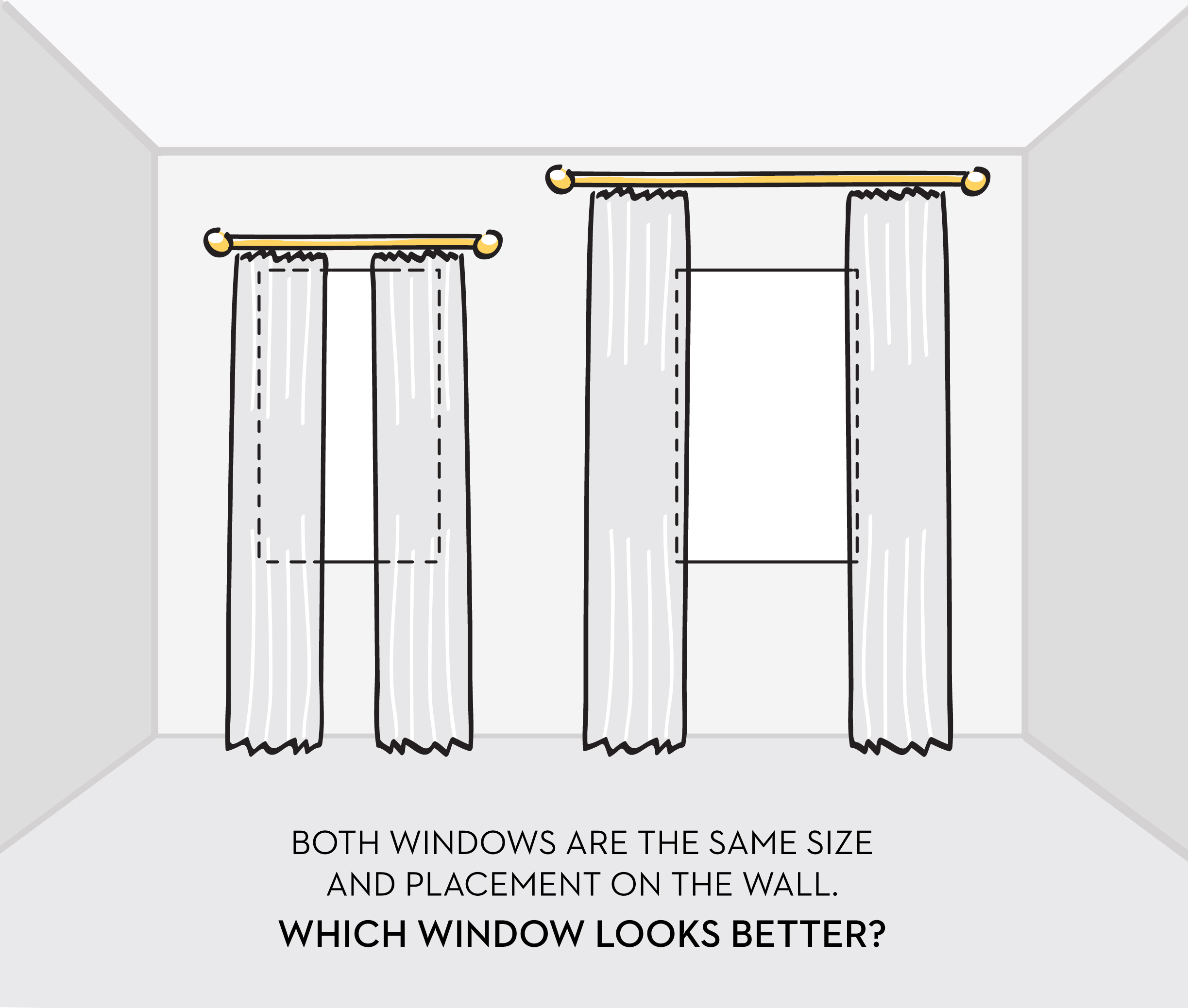
Curtains do more than block light. They shape how your room feels. Hang them high and wide, and your space looks taller and brighter. Hang them low and tight, and it can feel small.
Over the years, I learned one simple truth. Small tweaks make a huge change. If you want to know How to Hang Curtains that look custom, think about height, width, and fullness first. Then add the right hardware.
Here is what well hung curtains do:
- Lift the eye and add height to low rooms.
- Make windows look wider with extra rod width.
- Control light, sound, and heat with the right fabric.
- Frame a view and finish your decor.
I once installed a rod just above a frame. The room felt short. I moved the rod near the ceiling and added width. Same panels, big upgrade. That is the heart of How to Hang Curtains.

Tools and materials checklist
Get your kit ready. You will work faster and cleaner.
Essentials:
- Tape measure for accurate width and drop.
- Pencil and painter’s tape for marks you can move.
- Level or laser level for straight lines.
- Stud finder to locate solid backing.
- Drill, drill bits, and screwdriver bits for clean holes.
- Drywall anchors matched to your wall and load.
- Screws supplied with brackets or quality replacements.
- Curtain rod, finials, and brackets with center support if long.
- Curtains, rings or hooks, and tiebacks or holdbacks.
- Iron or steamer to release wrinkles.
- Step stool or ladder for safe reach.
- Safety glasses and a voltage/pipe detector when needed.
Tip: Check the rod’s weight rating. Heavy velvet or blackout panels need stronger brackets. If in doubt, add a center support. It is a must on rods over about 72 inches.
Choose curtains and rods that fit your window
The right pair sets you up for success. How to Hang Curtains starts with choosing fabric and hardware that match your needs.
Panel headers:
- Grommet panels slide well and look modern. They hang in smooth waves.
- Rod pocket is simple and casual. It can drag on the rod.
- Back tab gives a clean, tailored line with hidden tabs.
- Pinch pleat or hook-and-ring looks custom and stacks neatly.
Fabrics and lining:
- Sheers filter light and soften glare.
- Linen blends drape well and look relaxed.
- Velvet and thermal weaves add warmth and block sound.
- Blackout lining helps sleep and blocks heat or cold.
Rods and hardware:
- Standard round rods work for most rooms.
- Traverse rods let you open panels with a cord or wand.
- Tension rods fit light panels in rentals. They have limits.
- French return rods block side light with a bent return.
Match rod diameter to fabric weight. Heavy panels need a thicker rod. If you plan layers, use a double rod. That solves light control and gives depth.

How to Hang Curtains: measurements that never fail
Good measurements are the secret to How to Hang Curtains that look built-in. Use these simple rules.
Width:
- Measure the window frame width.
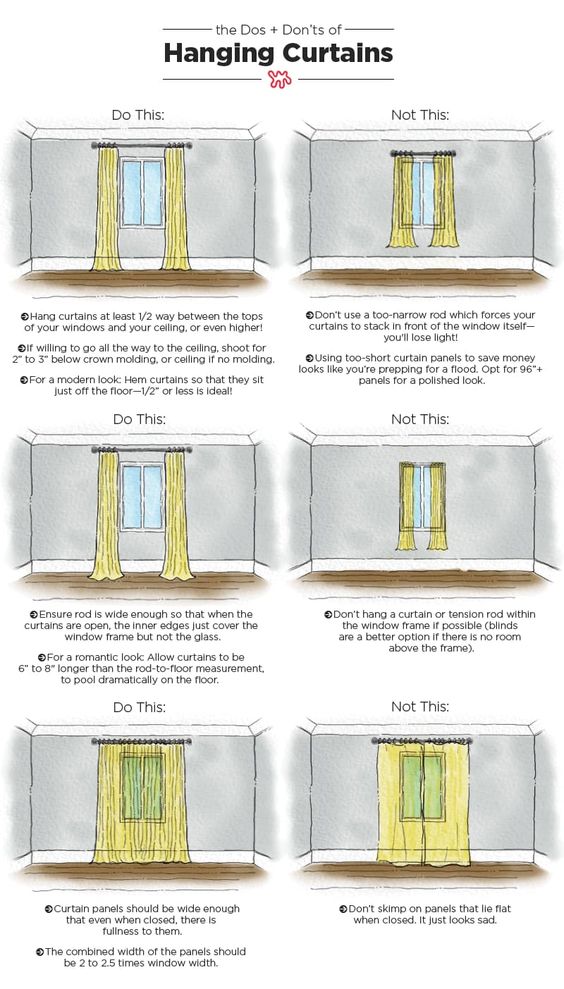
- Add 8 to 12 inches of rod on each side. This is the stack-back.
- Aim for panel fullness of 1.5 to 2.5 times the window width.
Example: Your frame is 60 inches. Use a rod about 80 to 84 inches. Choose panels that total 90 to 150 inches in width. This keeps folds full when closed.
Height:
- For a classic look, mount 4 to 6 inches above the frame.
- For a taller look, mount close to the ceiling or crown.
- Decide the bottom finish: float, kiss, break, or puddle.
Bottom finishes:
- Float: hem stops 0.5 inch above the floor. Clean and neat.
- Kiss: hem just touches the floor. Tailored but precise.
- Break: hem extends 1 inch for a soft bend.
- Puddle: add 2 to 6 inches for drama. Best for low-traffic rooms.
Projection and return:
- Choose brackets that project enough so panels clear trim.
- Use returns or wraparound rods to block side light.
These steps work for any style and any room. They make How to Hang Curtains repeatable and stress free.

Step-by-step: How to Hang Curtains like a pro
Follow this sequence. It keeps holes straight and fabric clean.
- Plan placement. Mark the ideal rod height and width with painter’s tape.
- Check for studs. Use a stud finder and a detector for wires and pipes.
- Mark bracket holes. Use a level to keep lines even.
- Drill pilot holes. Size them for your screws and anchors.
- Set anchors where there are no studs. Match anchor type to wall type.
- Screw in brackets. Tighten until snug. Do not over-torque.
- Add a center support for long rods.
- Assemble the rod and finials. Place the rod in the brackets.
- Prep panels. Steam or iron, then add rings, hooks, or slide grommets.
- Hang the panels. Space pleats or folds with your hands.
- Check length. Adjust with rings or quick hem tape if needed.
- Train folds. Tie loose bands around panels for a day to set shape.
I once skipped steaming in a rush. The panels looked limp and wrinkled. A quick steam changed the game. Smooth fabric reads as expensive, even on a budget. That is a key detail in How to Hang Curtains that impress.
Style and finishing touches
A few small choices lift the final look.
Make it tailored:
- Use clip rings to add an extra inch or two if panels run short.
- Hide the first ring behind the bracket to close side gaps.
- Choose finials that echo your hardware or lines in the room.
Layer for function:
- Pair sheers with blackout panels on a double rod.
- Use French return or wraparound rods to block morning light.
Shape the drape:
- Evenly space pleats with your fingers.
- Train folds overnight with soft ties. Keep them loose to avoid creases.
Fast fixes:
- Try fusible hem tape for quick length tweaks.
- Add a thermal or blackout liner to boost privacy and warmth.
When friends ask me How to Hang Curtains that look custom, I share this: go higher, go wider, steam, and train. Those four steps do more than any fancy trim.

Common mistakes and easy fixes
These errors are common. The fixes are simple.
Mistakes to avoid:
- Rod too narrow. Windows look small and panels crowd the glass.
Fix: Add 8 to 12 inches per side for stack-back. - Rod too low. The room feels short.
Fix: Raise the rod toward the ceiling line. - Panels too short. They float awkwardly.
Fix: Use rings, add hem tape, or replace with longer panels. - Weak anchors. Rods sag or pull out.
Fix: Use stud mounting or heavy-duty anchors rated for your load. - Skipping the steam. Folds look messy.
Fix: Steam after hanging and train the drape.
I made each of these early on. Learn from my scrapes. How to Hang Curtains well is mostly about planning and small fixes.

Care, safety, and maintenance
Good care keeps panels crisp and safe.
Care basics:
- Vacuum with a brush tool monthly to remove dust.
- Spot clean with mild soap. Follow the fabric label.
- Steam seasonally to refresh shape.
Hardware checks:
- Re-tighten bracket screws twice a year.
- Inspect anchors after moving furniture or kids tugging.
Safety:
- Keep panels clear of heaters and open flames.
- Use cordless shades under curtains in kid spaces.
- Secure tall ladders and wear eye protection when drilling.
Sustainable tips:
- Choose washable fabrics and sturdy rods you can reuse.
- If sun is harsh, add a liner to extend fabric life.
These habits lock in your work. They support every step in How to Hang Curtains with long-term results.
Frequently Asked Questions of How to Hang Curtains
How high should I hang curtains?
Hang 4 to 6 inches above the frame, or near the ceiling for height. Choose what fits your trim and crown.
How wide should my curtain rod be?
Extend 8 to 12 inches past the frame on each side. This clears the glass and makes windows look larger.
Should curtains touch the floor?
Yes, in most cases. Aim to kiss the floor, float by 0.5 inch, or add a small break for softness.
Can I hang curtains without drilling?
Yes, for light panels use tension rods or adhesive hooks. They have weight limits and may slip on some surfaces.
How many panels do I need?
Plan for 1.5 to 2.5 times the window width in total fabric. Two panels work for most windows; add more for extra fullness.
What anchors should I use in drywall?
Use quality toggle or self-drilling anchors rated for your load. Mount into studs when you can for best strength.
How do I keep light from leaking at the sides?
Use wraparound rods or French returns and add a blackout liner. Extend the rod wider to move stacks off the glass.
Conclusion
You now know How to Hang Curtains with a clear plan, solid tools, and easy steps. Measure wide, mount high, choose the right hardware, and take time to steam and train. Small choices add up to a polished look.
Pick one room and start today. You will see the lift in an hour. Want more tips like this? Subscribe for guides, ask a question in the comments, or share your before-and-after.