Pick the biggest size that fits, match material to traffic, and use a pad.
You’re here to learn how to choose a rug that looks great and lasts. I’ve styled hundreds of rooms, tested piles and pads, and fixed many bad buys. In this guide, I break down size, material, weave, and care with clear steps and real examples. If you want to master how to choose a rug, you’re in the right place.

Measure Your Space and Pick the Right Size
If you ask how to choose a rug, start with size. A rug that is too small makes a room feel cramped. The right size anchors the furniture and opens the space.
Use these simple rules:
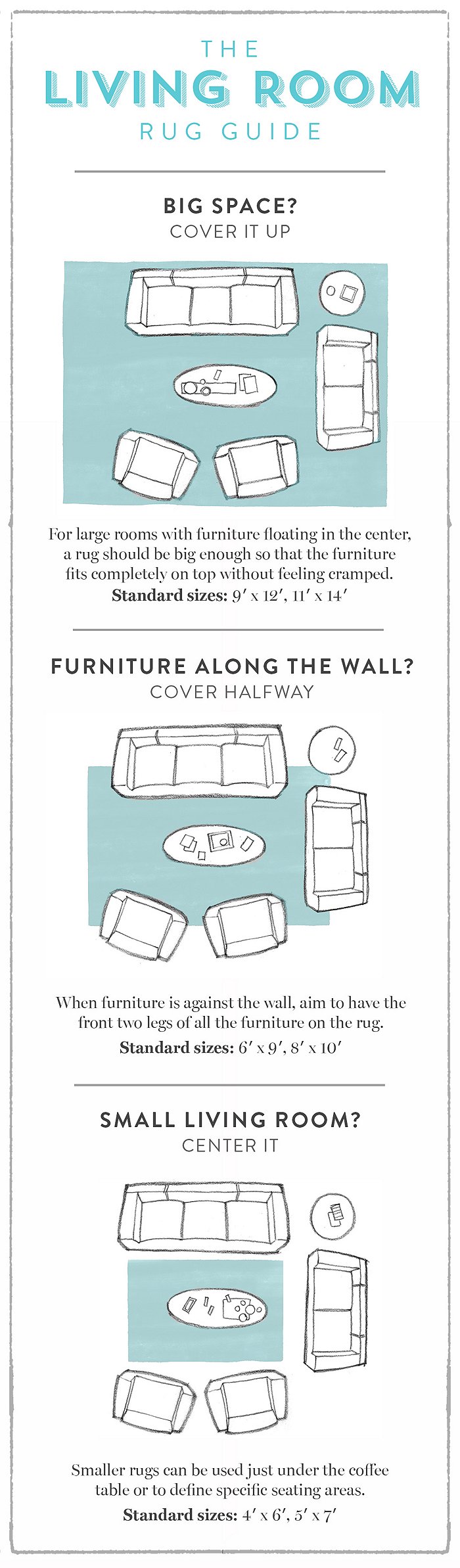
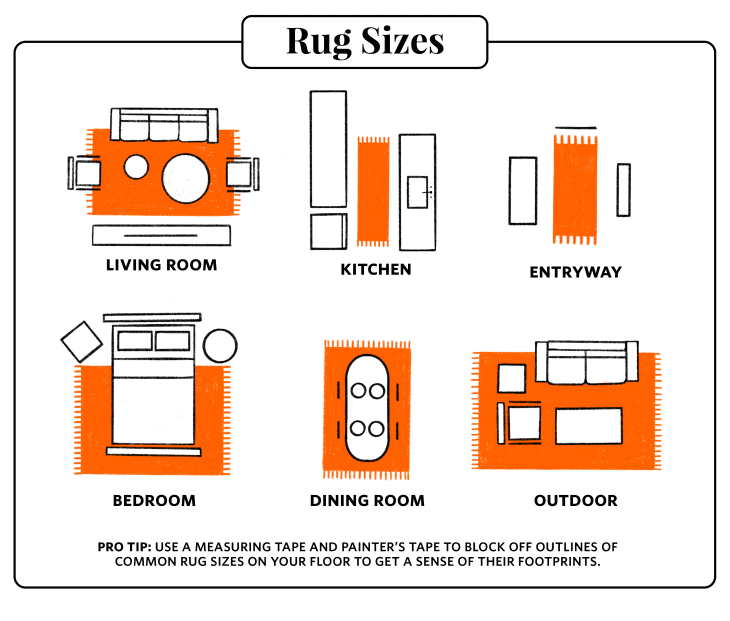
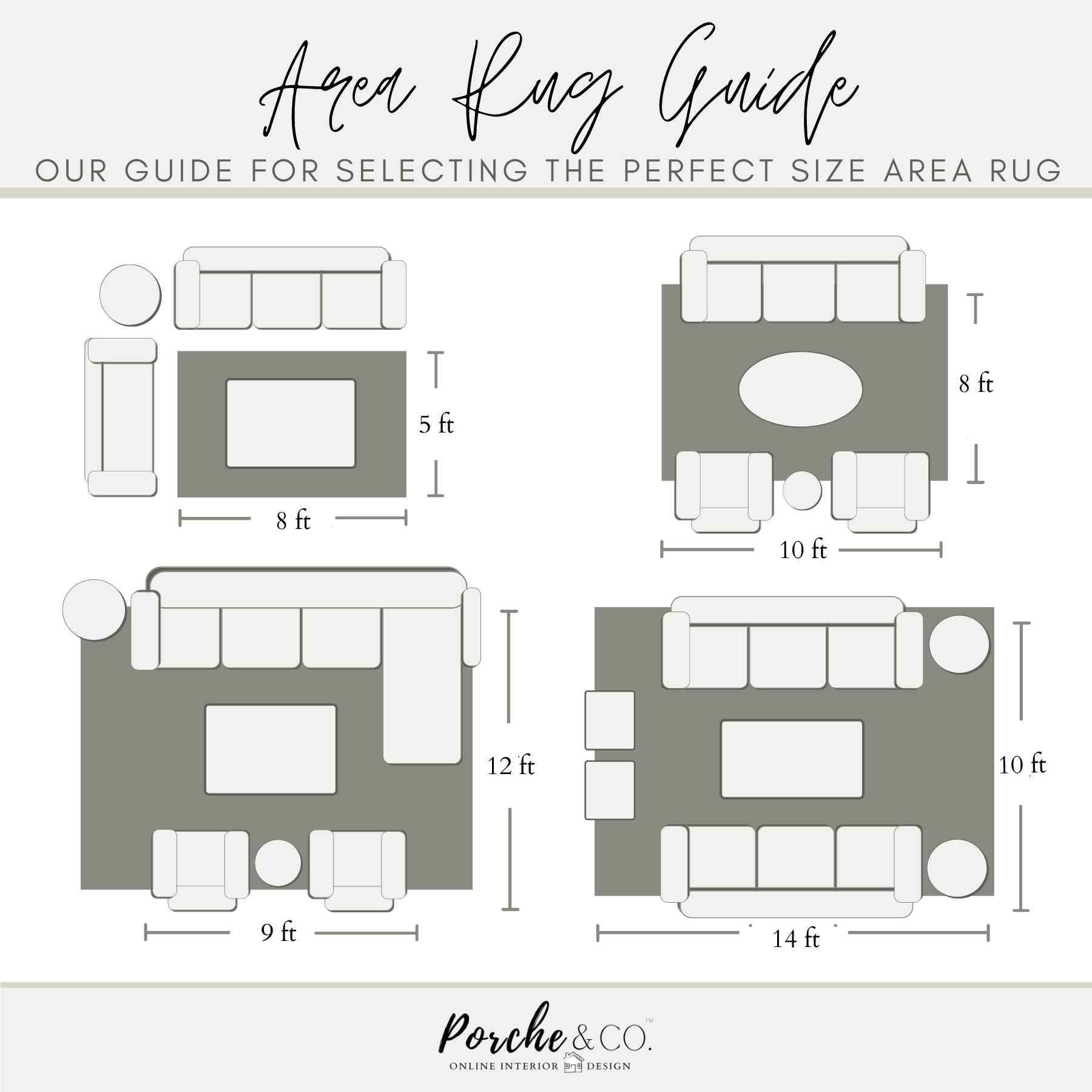
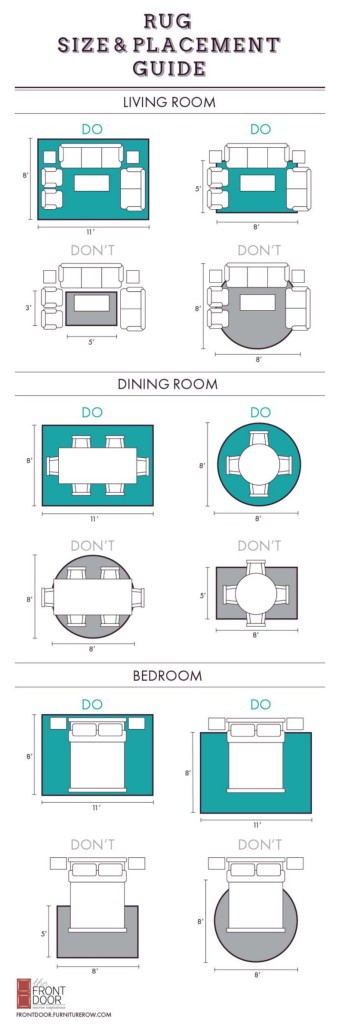
- Living room: All front legs on the rug, or all legs if space allows. Common sizes are 8×10 or 9×12.
- Dining room: Chairs should stay on the rug when pulled out. Add at least 24 inches past the table on all sides.
- Bedroom: For a queen bed, an 8×10 works well. For a king, choose 9×12. Or use two runners on each side.
- Hallway: Leave 2 to 4 inches from walls on each side of a runner.
- Room border: In most rooms, leave 8 to 12 inches of bare floor around the rug.
Pro tip from years of installs: Tape the outline with painter’s tape before you buy. This saves returns and shows how doors swing and chairs move. If you want to get how to choose a rug right, measure twice and buy once.

Choose the Right Material
How to choose a rug also means picking the right fiber. Material drives feel, look, and care.
- Wool: Durable, soft, and naturally stain resistant due to lanolin. Great for high traffic. It rebounds well and is fire resistant.
- Cotton: Light and washable. Good for kitchens and casual spaces. Less durable than wool.
- Nylon: Strong synthetic with excellent resilience. Good for busy homes and rentals.
- Polyester: Soft and colorfast. Best for low to medium traffic. Can crush in high traffic.
- Polypropylene (olefin): Very stain resistant and budget friendly. Lower resilience, best in low to medium traffic.
- Natural fibers (jute, sisal, seagrass): Textured and warm. Better for dry areas. Sisal stains with liquids. Jute is softer but can shed.
- Viscose/rayon: Silky look but weak when wet. I advise against it in busy or damp areas.
- Outdoor blends: Polypropylene or PET from recycled bottles. Fade and mildew resistant.
If pets or kids are part of how to choose a rug for your home, favor wool, nylon, or washable cotton. They clean up well and hide wear.
Pile, Weave, and Construction
Understanding build is key in how to choose a rug that holds up.
- Flatweave (kilim, dhurrie): Thin, reversible, easy to clean, great with a pad. Perfect under doors with low clearance.
- Low pile: Sleek and easy to vacuum. Ideal for dining rooms and offices with rolling chairs.
- Medium pile: Soft underfoot and still cleanable. Great for living rooms and bedrooms.
- High pile and shag: Plush and cozy. Needs more care and traps debris.
- Hand-knotted: Very durable, can last decades. Look at knot density and even weave.
- Hand-tufted: Pile is punched through a backing. Comfortable and affordable. Watch for latex backing quality.
- Machine-made: Consistent and budget friendly. Quality varies with fiber and construction.
In my practice, flatweaves shine in small spaces, while a dense hand-knotted wool rug transforms a living room and hides tracks.
Color, Pattern, and Style Strategy
Many people ask how to choose a rug color without regret. Start with your fixed elements: floors, sofa, and wall tone. Then decide if the rug should be the star or the backdrop.
- To make a small room feel larger, pick a lighter rug with a low-contrast pattern.
- To hide stains, use medium tones and mixed patterns. Vintage and heathered looks are forgiving.
- To ground bold furniture, use a neutral rug with texture.
- To add energy, choose geometric or Moroccan patterns. For calm, try solids with subtle texture.
Bring fabric swatches when you shop. Under warm light, colors shift. That is a common reason for returns and a key step in how to choose a rug with confidence.
:max_bytes(150000):strip_icc()/right-size-area-rug-for-bedroom-350698-8615a8f66ae846159199c384040de351.png)
Placement by Room
How to choose a rug gets easier with room rules you can trust.
- Living room: Keep at least the front legs of seating on the rug. Leave a few inches between rug edge and media console.
- Dining room: Add 24 inches from the table edge to the rug edge so chairs stay stable.
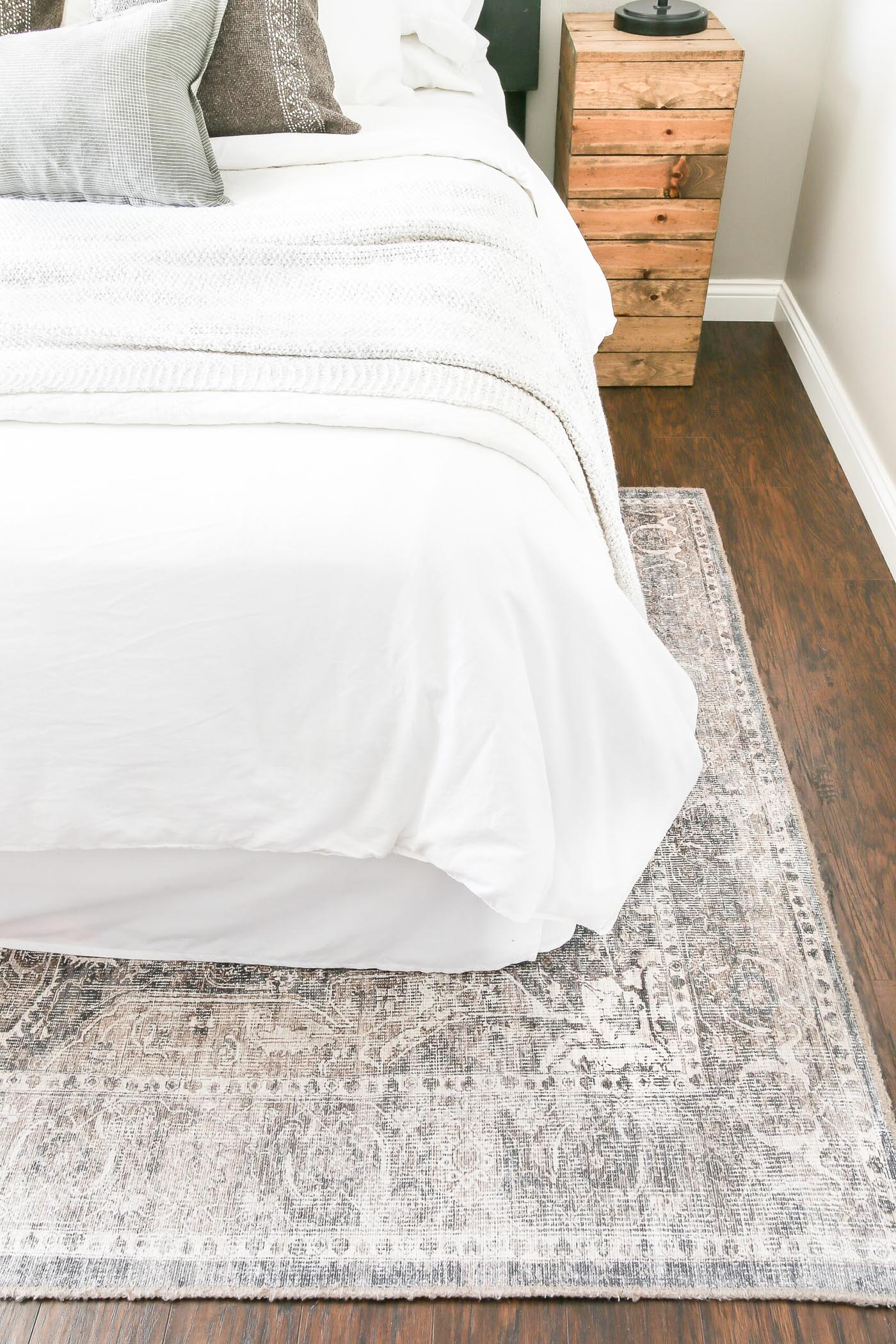
- Bedroom: Place the rug two-thirds under the bed, extending past the sides and foot. Or use runners on each side.
- Kitchen: Use runners in cook zones and by the sink. Choose washable, low pile, or flatweave.
- Entry and hallway: Non-slip runners are a must. Darker, patterned designs hide dirt.
- Outdoor: Use breathable outdoor rugs and let them dry fully after rain.
These placements help flow and safety. They are at the core of how to choose a rug that works day to day.
Underlay and Safety: Rug Pads That Work
A pad is half the comfort. It keeps rugs in place, reduces wear, and protects floors. It is also a big part of how to choose a rug that feels great.
- Felt pads: Add cushion and sound dampening under larger rugs. Pair with rubber for grip.
- Natural rubber pads: Prevent slipping on hard floors. Avoid cheap PVC pads that can stain finishes.
- Combo felt-rubber pads: Best all-around for large area rugs.
- For radiant heat or LVP: Use heat-safe, non-staining pads rated for the floor type.
From many installs, a quality pad fixes ripples, stops creep, and makes even thin flatweaves feel richer.
Care, Cleaning, and Longevity
How to choose a rug also means planning care. Good habits extend life and look.
- Vacuum weekly. For wool, use suction only or a high setting to avoid pulling fibers.
- Rotate rugs every 6 months to even out sun and foot traffic.
- Blot spills fast. Use a white cloth and cold water first. Work from the edge inward.
- For tough stains, use fiber-safe cleaners and test a hidden spot.
- Professional cleaning every 12 to 24 months for wool and silk.
- Use door mats to cut grit that wears fibers.
I learned the hard way that scrubbing a spill can felt wool. Blot, don’t rub. That single tip saves many rugs.
Budget, Quality, and Ethical Sourcing
Price maps to build and fiber. This is where many shoppers ask how to choose a rug without overspending.
- Under $300: Machine-made synthetics and cotton flatweaves. Good for rentals and quick refreshes.
- $300–$1,500: Hand-tufted wool, higher-end machine-made, and some hand-loomed options. Great value per wear.
- $1,500 and up: Hand-knotted wool or wool-silk blends. Heirloom potential and better aging.
Check details:
- Even edges and tight, consistent weave.
- Shedding level that matches fiber. New wool sheds but settles.
- Certifications like GoodWeave and OEKO-TEX for ethical and low-VOC choices.
- Return policy, warranty, and country of origin transparency.
Buying better once is a smart path in how to choose a rug you will love for years.
Buying Online vs In-Store, Returns, and Samples
Shopping online is easy, but color and scale can mislead. A few checks make a big difference in how to choose a rug with less risk.
- Order a swatch if offered. View it in daylight and at night.
- Read pile height and weight. Check close-up photos of the weave.
- Confirm pad compatibility and floor care rules.
- Review return shipping costs and restocking fees.
- On arrival, unroll fast and reverse-roll to relax curls.
In-store lets you feel pile and see true color. Online offers scale and price. I mix both: test a sample in person, then hunt the best deal online.
Common Mistakes and Pro Tips
These are my most common fixes and the steps that solve them. They are simple but key in how to choose a rug with no stress.
Mistakes to avoid:
- Buying too small. Bigger almost always looks better.
- Skipping a pad. Slips and waves follow.
- Picking viscose for busy areas. It crushes and stains.
- Ignoring door clearance and vents.
- Forgetting chair glide thickness under dining tables.
Pro tips that work:
- Layer a flatweave over a larger neutral base to add color without risk.
- Use patterned rugs under dining tables to hide crumbs between cleanings.
- For pets, match rug color to pet fur to hide shedding.
- Sun floods a space? Rotate and use UV film on windows.
Do these, and how to choose a rug becomes a repeatable win every time.
Frequently Asked Questions of How to Choose a Rug
What size rug works best for a small living room?
Choose the largest size that fits while leaving 8 to 12 inches of floor around it. An 8×10 often beats a 5×8 because it anchors the seating.
Is a wool rug good for homes with pets?
Yes, wool is durable and naturally stain resistant. Pair it with a quality pad and vacuum often to manage fur.
How do I stop my rug from slipping on hardwood floors?
Use a natural rubber or felt-rubber pad sized slightly smaller than the rug. Avoid cheap PVC pads that can discolor finishes.
What rug is best under a dining table?
Pick a low pile or flatweave for easy chair movement and cleaning. Add at least 24 inches around the table so chairs stay on the rug.
How often should I clean my rug?
Vacuum weekly and rotate every 6 months. Schedule a professional clean every 12 to 24 months for wool or silk rugs.
Conclusion
You now know how to choose a rug by size, material, weave, and care. Measure first, pick fibers for your lifestyle, use a good pad, and place it with intention.
Start with one room this week. Tape the size, test a swatch, and commit with confidence. If this guide helped, subscribe for more home tips or drop a comment with your room puzzle—I’m happy to help.