Design a minimalist home by editing, choosing quality basics, neutral palettes, and smart hidden storage.
If you want calm rooms that are easy to live in and simple to clean, you are in the right place. I will show you How to Design a Minimalist Home with clear steps, smart tools, and real-life tips. We will cover clutter edits, color, light, storage, and style. By the end, you will know how to make a home that feels open, warm, and very you.
What Minimalism Means at Home
Minimalism is not about empty rooms. It is about space that serves you. Each item has a job. Each surface can breathe. Calm grows when you see less and use more.
Studies link clutter to stress and lost focus. Fewer items can lower visual load and cut cleaning time. This is a core point in How to Design a Minimalist Home. Aim for function, clarity, and ease.
Key ideas to guide you:
- Purpose first. Every piece earns its place.
- Fewer, better. Buy less, choose well, and keep it longer.
- Negative space. Leave room around things to let them stand out.
- Honest materials. Wood, stone, linen, clay, and wool age with grace.
- Soft contrast. Use a tight color palette with rich texture.

Plan First: Map Your Space and Goals
How to Design a Minimalist Home starts with a plan. Do not shop yet. First, learn your space and list your needs. Then set a budget and a look.
Try this simple plan:
- Define use by room. Write three tasks each room must support.
- Measure walls, windows, doors, and clear paths. Draw a quick floor plan.
- Set a budget by room. Hold 10 percent for fixes or shipping.
- Make a mood board. Save five to eight images that show color, lines, and vibe.
- List must-haves. Sofa, table, bed, lights, storage, and art. Keep it short.
People also ask:
Do I need all white to be minimalist?
No. Warm neutrals, sand, clay, olive, and inky blue all work. The key is a tight palette with low contrast.
Is minimalism cold or boring?
Not if you add texture and light. Use wood, linen, and soft light to add warmth.
How many decor items per room is right?
There is no rule. Start with 10 percent of what you have now. Add pieces only if they serve a clear need.
Declutter with Purpose: The Edit That Changes Everything
You cannot buy your way to minimal. You edit your way there. How to Design a Minimalist Home means making clear choices. Keep what you use and love. Let the rest go.
Use this flow:
- Set a clear goal for each room. Write it on a sticky note. Keep it in view.
- Empty one area at a time. Do not drift to other rooms.
- Sort into four boxes. Keep, donate, sell, recycle.
- Apply the 90/90 rule. Have you used it in 90 days? Will you in the next 90?
- Do a one-touch test. If it has no home, it must leave or you must create a home for it.
Tips that help:
- Take fast photos before you start. Compare after. The change will push you on.
- For paper, scan what you need. Store the rest in a labeled file.
- For gifts, keep the love, not the thing. A photo can hold the memory.
Common traps to avoid:
- Storing piles out of sight with no plan.
- Sentiment for every item. Pick one memory item per event.
- Keeping “just in case” gadgets you never use.
Color, Light, and Materials
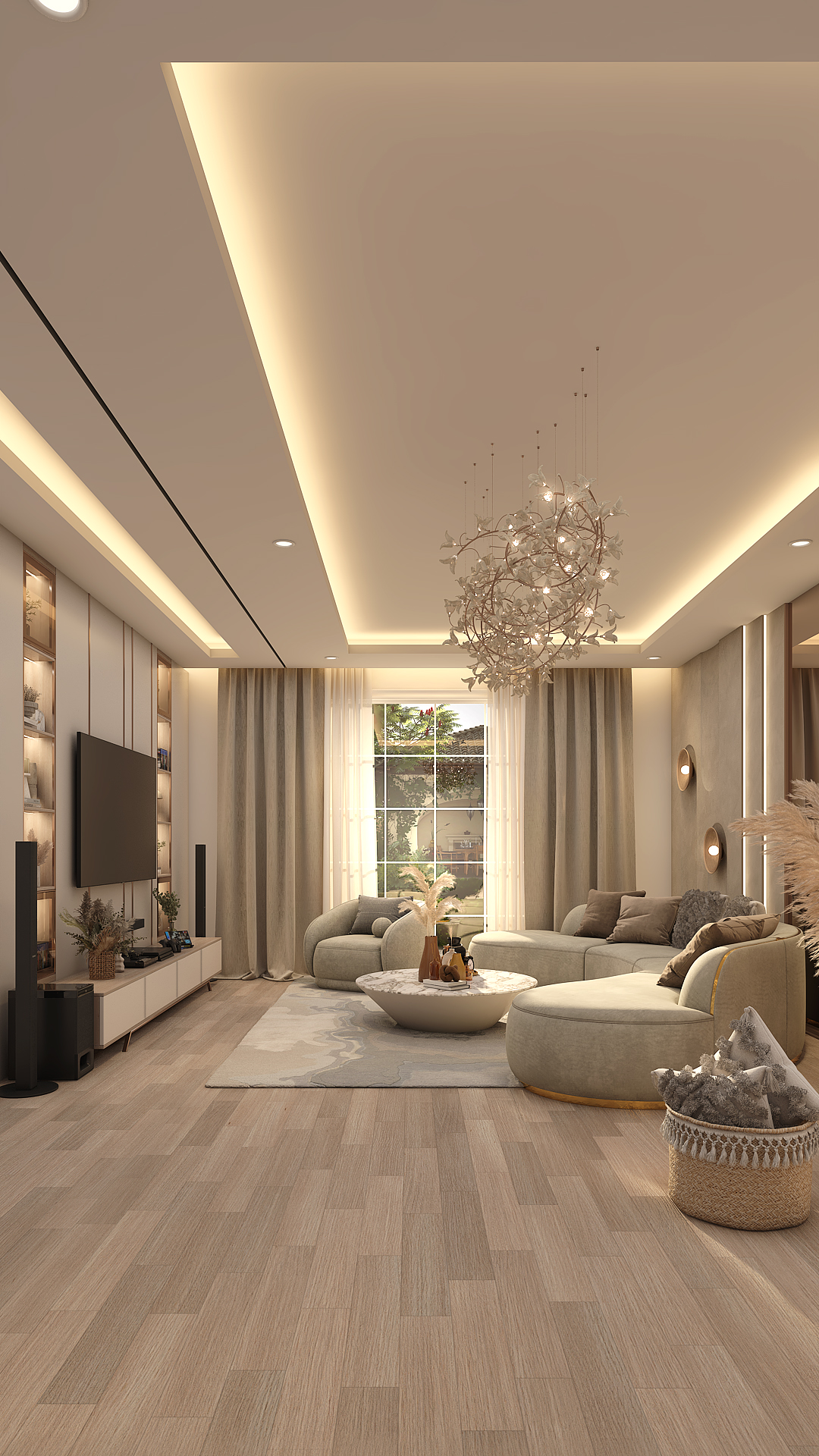
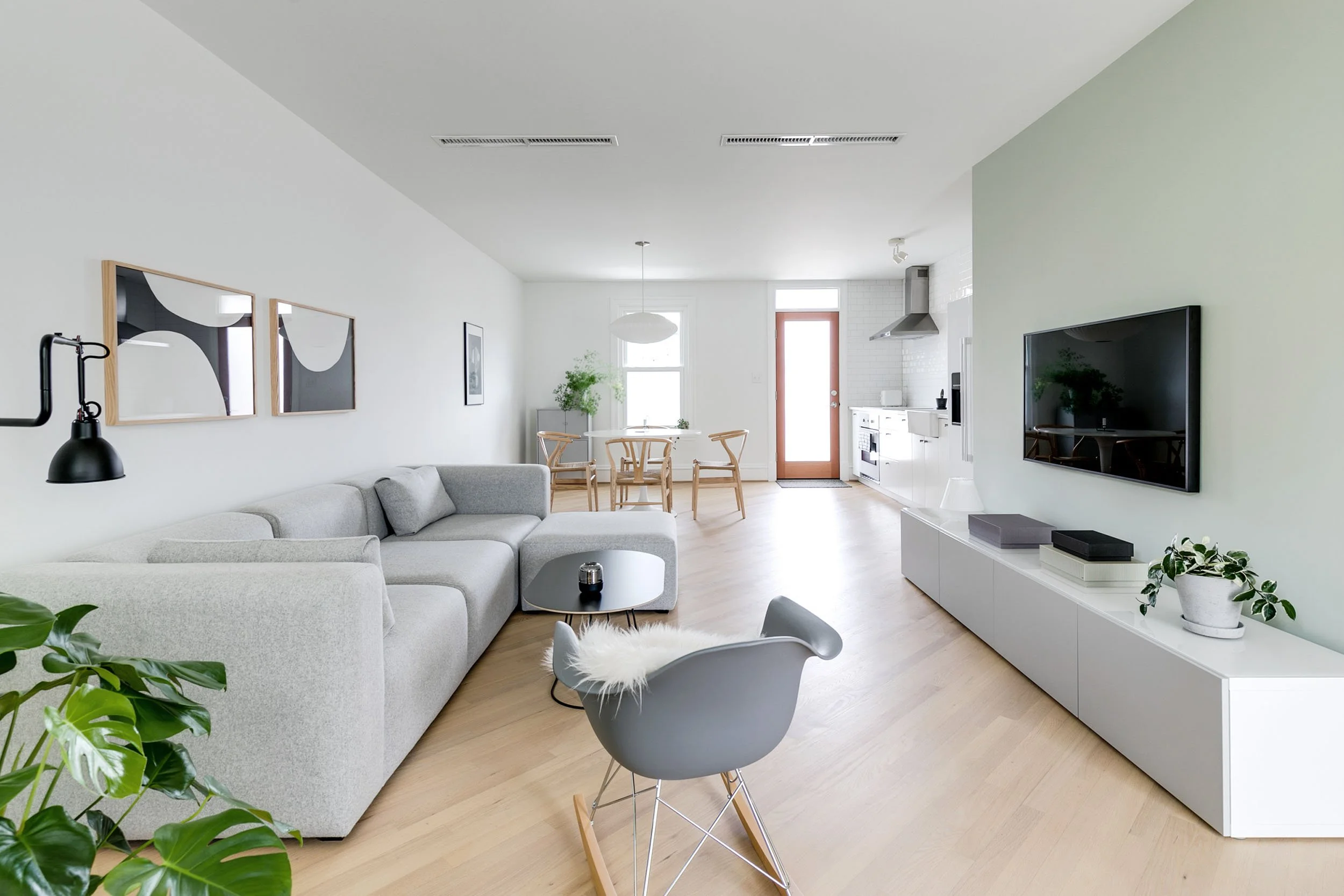
Color and light shape mood. This is vital in How to Design a Minimalist Home. A narrow palette calms the eye. Natural light opens the room.
Make it work:
- Choose a base. Warm white, soft beige, or pale gray with high light reflectance.
- Add one or two accent shades. Keep them muted for ease.
- Layer light. Use ceiling, task, and soft lamps. Place dimmers where you can.
- Soften windows with sheer panels. Let light in but cut glare.
- Pick honest materials. Oak, ash, wool, linen, stone, matte tile, and clay paint.
Small tips with big impact:
- Paint samples on two walls. Check them at morning and night.
- Use bulbs at 2700K to 3000K for warm white light. Avoid harsh blue cast.
- Repeat materials across rooms for flow.

Furniture and Layout: Less but Better
How to Design a Minimalist Home asks you to choose less and choose well. Big box sets can feel heavy. Aim for a few strong pieces that fit your life.
What to look for:
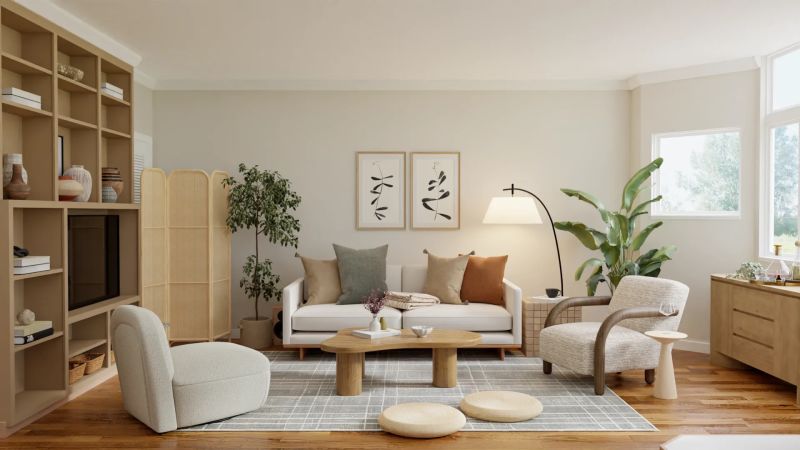
- Clean lines and low visual weight. Slim legs help a room feel open.
- Correct scale. Measure twice. Leave clear paths at least 30 inches wide.
- Multiuse pieces. A bench can seat, store, and style.
- One hero per room. Let a table, sofa, or art piece lead.
Layout tips that work:
- Float the sofa if you can. Keep space behind for air and light.
- Center rugs under front legs of seating. Size up. A small rug shrinks a room.
- Group lights near use zones. Read, dine, cook, and work.
Test your layout on paper. Or use tape on the floor. This step alone will sharpen How to Design a Minimalist Home.
:max_bytes(150000):strip_icc()/af1be3_62183d9f16f2447bbf115378c560846d_mv2-1-029e653292c24befad37789b75b9b124.jpeg)
Storage That Disappears
You need storage that hides in plain sight. The best tip in How to Design a Minimalist Home is to store by use and reach.
Ideas to try:
- Built-ins up to the ceiling. Add doors to cut visual noise.
- Deep drawers in the kitchen for pots and bowls.
- A slim console with drawers at the entry. Add a tray for keys.
- Under-bed drawers with soft close. Store off-season clothes.
- Wall hooks with a shelf rail in the hall. Limit each person to two hooks.
- Toe-kick drawers in the bath. Hide brushes and tools.
Keep it tidy:
- Label shelves inside doors. Plain words work best.
- Use one color of bins in closets. Clear or cloth with a small tag.
- Go digital for manuals and bills. Back up your files.
Styling and Decor: The 10 Percent Rule
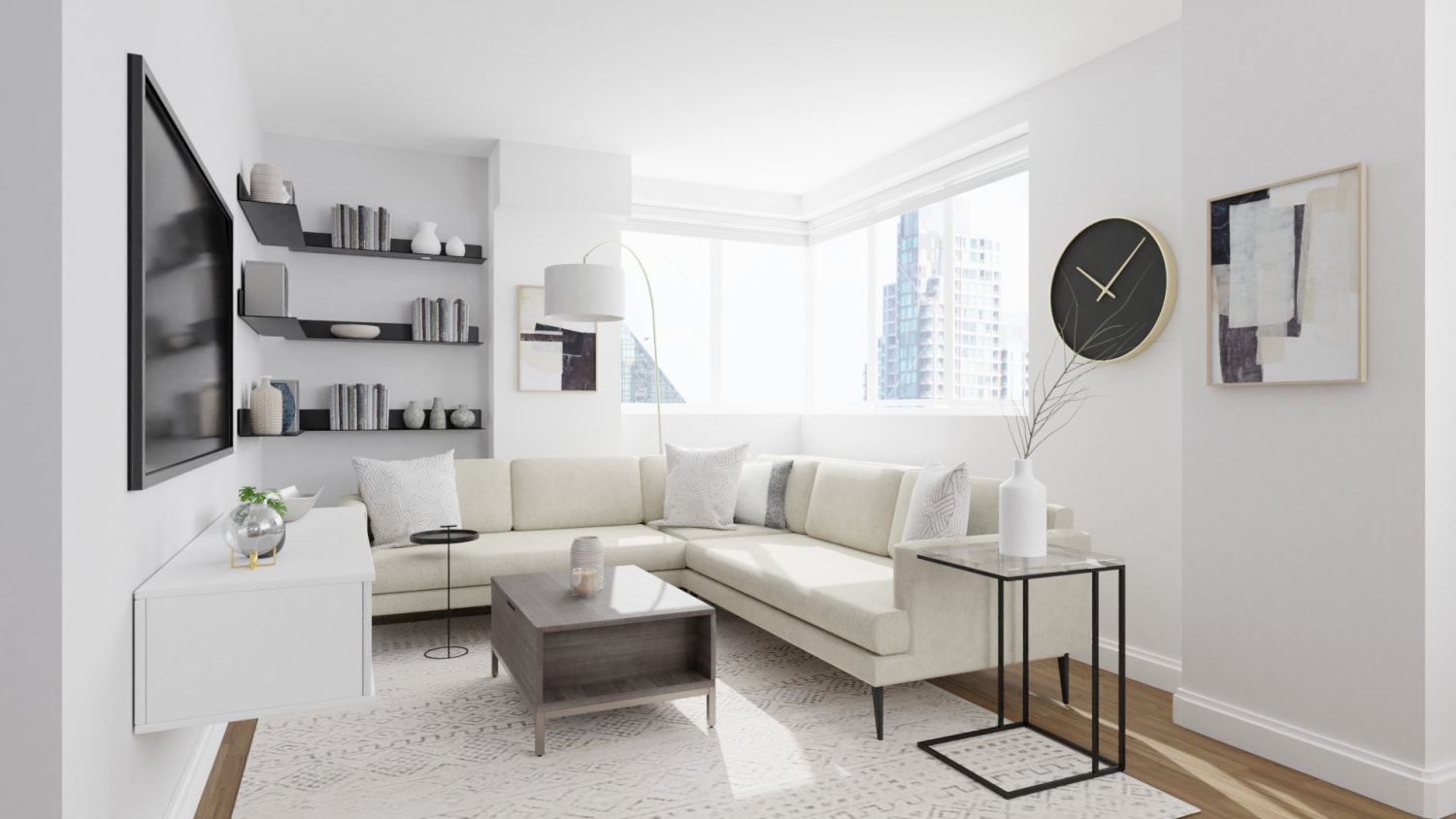
Style should feel light. Aim to style with 10 percent of what you own now. This is a smart way to start How to Design a Minimalist Home.
Simple ways to add soul:
- Art. One large piece beats many small ones. Use simple frames.
- Books. Stack a few on a table. Let spines share a tight color range.
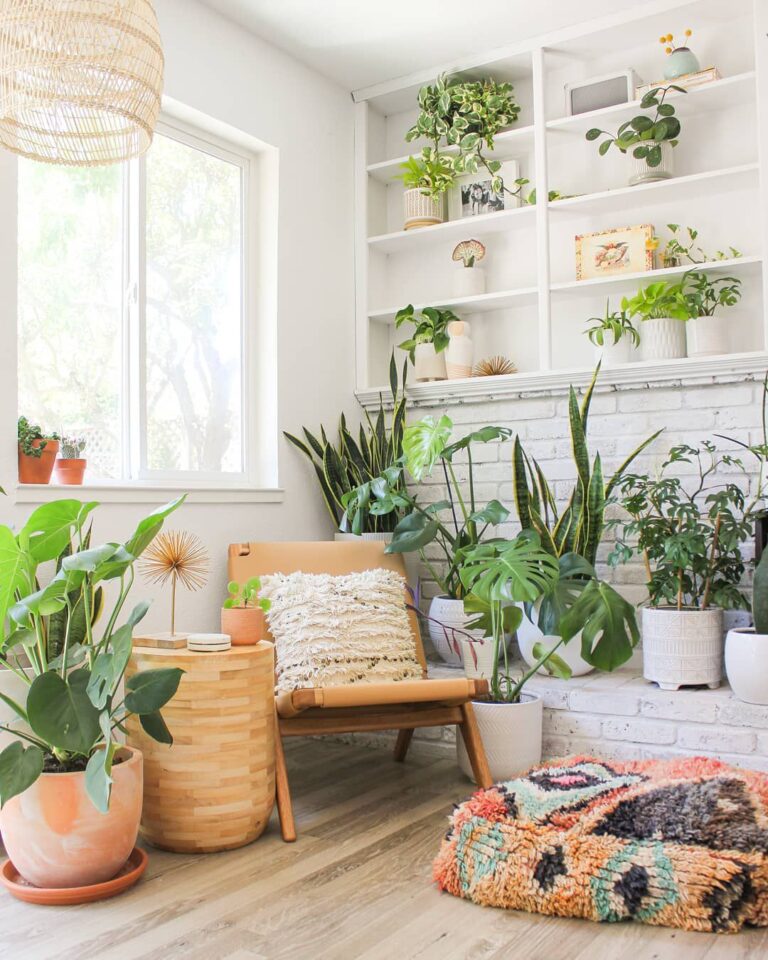
- Plants. One tall plant adds life. Use a plain pot with a tray.
- Texture. Mix linen, wool, and matte ceramics for depth.
- Scent and sound. A soft playlist and a candle can warm a room fast.
Edit each surface:
- Leave at least one third of it clear.
- Group items in threes. Vary height and shape.
- Remove one item at the end. The space will breathe.
Real Life Minimalism: Kids, Pets, Roommates
How to Design a Minimalist Home must work for real life. Mess will happen. Plan for it.
Make it easy:
- Zones. Create clear spots for toys, bags, and shoes. Use low bins for kids.
- Durable fabrics. Choose tight weaves and stain guard on sofas.
- Washable rugs. Cotton or pet-safe indoor-outdoor rugs save stress.
- Closed storage in shared rooms. Out of sight means calm.
- Pet gear. Pick one style and color for beds, bowls, and bins.
A small example:
- In a small city condo, a family used a wall of tall cabinets with baskets by child. Night reset took five minutes. The room stayed calm.
Budget and Sustainable Choices
You can keep costs low and still make it last. How to Design a Minimalist Home is about value, not price tags.
Smart money moves:
- Buy fewer, better. A solid wood table beats two cheap ones over time.
- Shop secondhand. Look for real wood, wool, and metal frames.
- Refinish and reupholster. It cuts waste and saves cash.
- Use low-VOC paints and natural fibers. Better air, better sleep.
- Time your buys to sales. Big stores run clear cycles each year.
Think life cycle:
- Ask how it will age and how to fix it.
- Pick parts you can replace. Choose standard bulb bases and hinges.
Systems, Tech, and Maintenance
Good systems keep your space simple. This is the quiet power in How to Design a Minimalist Home.
Make it stick:
- One-in, one-out. When something comes in, something goes out.
- Five-minute reset at night. Clear counters, fluff pillows, fold throws.
- Weekly sweep. Empty the entry bowl, recycle mail, wipe fronts.
- Seasonal audit. Edit clothes and decor four times a year.
Tech that helps:
- Smart plugs and scenes to set light with one tap.
- A cable box, raceways, and velcro ties to hide wires.
- A slim robot vacuum for daily dust.
Common Mistakes and Fixes
Many people struggle with How to Design a Minimalist Home at first. Here are fast fixes.
Typical errors:
- All white and nothing else. Add warm woods and linen to stop the chill.
- Too few lights. Add a lamp to each corner zone.
- Tiny rugs. Size up so front legs sit on the rug.
- No plan for paper. Go digital and add one inbox tray.
- Over-editing. If it feels sterile, add a plant and a textured throw.
Quick checks:
- Do paths feel tight? Move or remove one piece.
- Do counters pile up? Add a closed bin where the pile starts.
A 30-Day Action Plan for How to Design a Minimalist Home
This plan makes change feel light. It helps you see wins fast.
Week 1: Plan and prep
- Define room goals and budget. Make your mood board.
- Measure and draw a simple floor plan.
- Order bins, labels, and two lamps if needed.
Week 2: Edit and donate
- Edit the entry, living room, and kitchen surfaces.
- Box items to donate. Schedule pickup or drop-off.
- Scan key papers. Set up one inbox tray.
Week 3: Layout and light
- Place core furniture per plan. Tape first if unsure.
- Set bulbs to warm white. Add two dimmers.
- Hang one large art piece. Remove small clutter.
Week 4: Style and systems
- Add one plant and one textured throw.
- Label storage. Create a five-minute reset routine.
- Review and adjust. Remove one item per room.
Use this plan as a start. It shows How to Design a Minimalist Home in small steps that stick.
Frequently Asked Questions of How to Design a Minimalist Home
What is the first step to start?
Begin with a clear plan for each room and a quick surface edit. Do not buy new items until you finish both steps.
How many colors should I use?
Pick one base neutral and one or two soft accents. Repeat them across rooms for flow.
Can a small home be minimalist?
Yes. In fact, small homes gain the most. Use vertical storage, foldable pieces, and clear paths.
Is minimalism expensive?
It does not have to be. Buy fewer, better items, shop secondhand, and fix or refinish when you can.
How do I keep it up over time?
Use one-in, one-out and a five-minute nightly reset. Do a seasonal edit to stay on track.
Conclusion
Design is choice. When you choose with care, your home gets quiet and your life gets clear. Use this guide to map your space, edit with purpose, and add only what you need and love. Start today with one drawer and one lamp, and build from there. Share your wins, ask a question, or subscribe for more guides on How to Design a Minimalist Home and smart living.