
Vacuum loose debris, apply baking soda and vinegar, scrub, rinse, dry, and lube.
If you want spotless sills and smooth-sliding windows, you are in the right place. I’ll show you how to clean window tracks like a pro, with simple tools and zero stress. This guide breaks down the process, shares my real-world tips, and helps you avoid costly mistakes. Stick with me, and you’ll master how to clean window tracks in less than an hour.
Why clean window tracks
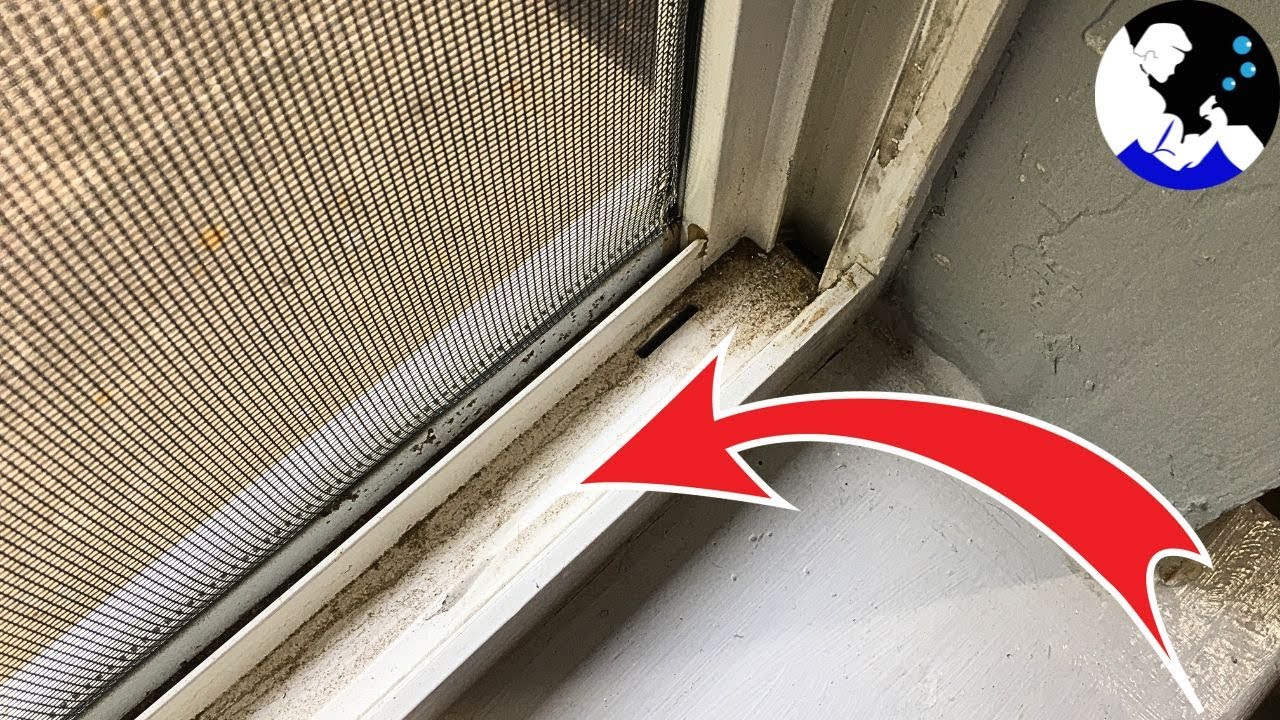
Clean tracks help windows glide without a fight. They also protect seals, reduce drafts, and block pests. You will see less mold, less dust, and fewer odd smells. It is a small job with big payoffs.
Aim for a light clean once a month. Do a deeper clean in spring and fall. If you live near the coast or a dusty road, clean more often.
Tools and supplies you need
You do not need fancy gear. A small kit works great.
Essentials
- Vacuum with a crevice tool
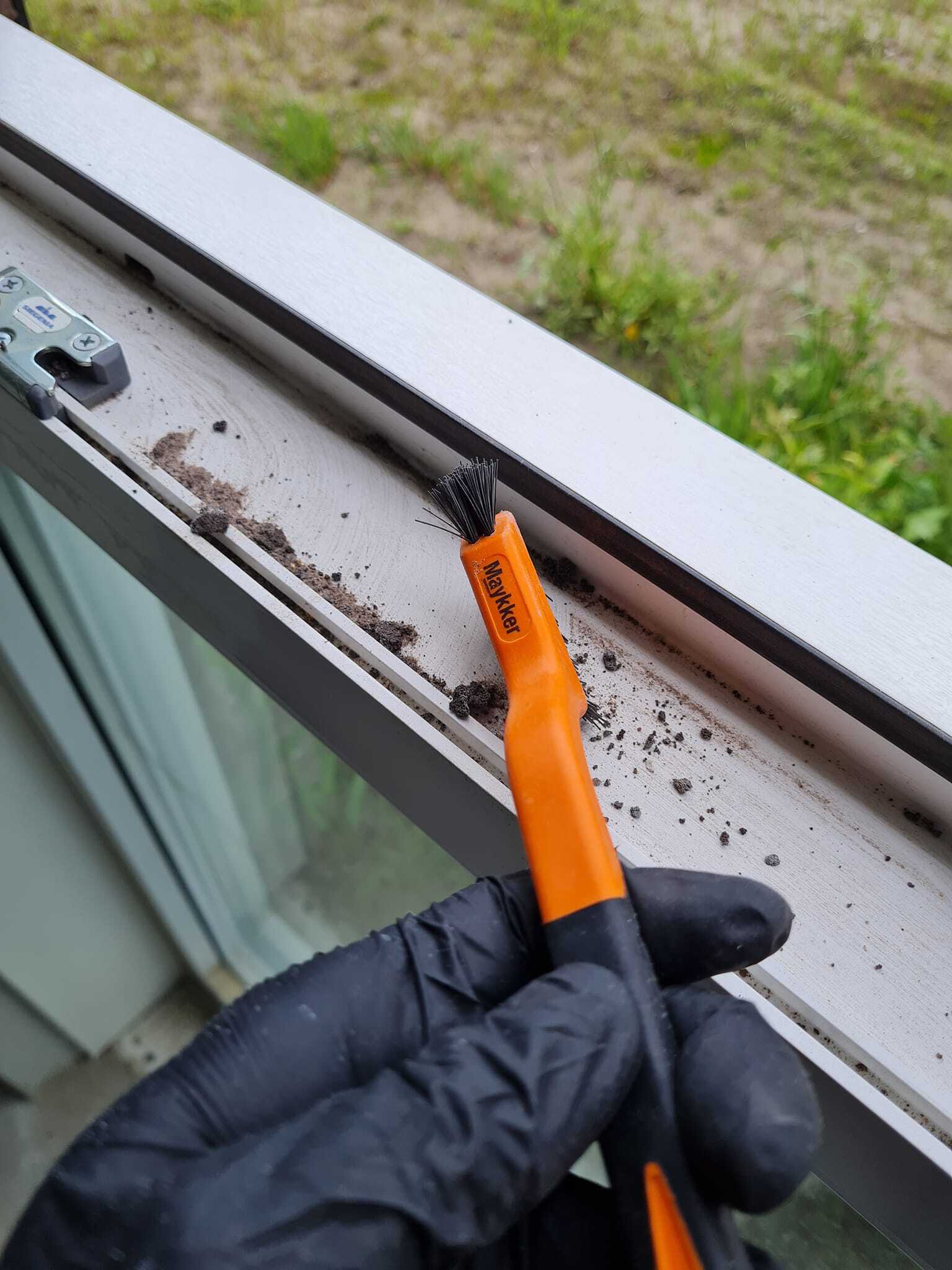
- Soft nylon brush and an old toothbrush
- Microfiber cloths and paper towels
- Plastic scraper or an old credit card
- Cotton swabs or wooden skewers
- Spray bottle with warm water
- Baking soda and white vinegar
- Mild dish soap
- Silicone-based spray or dry PTFE lube
Nice-to-haves
- Painter’s tape for masking edges
- A small squeeze bottle or turkey baster for rinsing
- A handheld steamer for stuck grime
Safety
- Nitrile gloves
- Eye protection
- Good airflow
These items are all you need for how to clean window tracks fast and well.
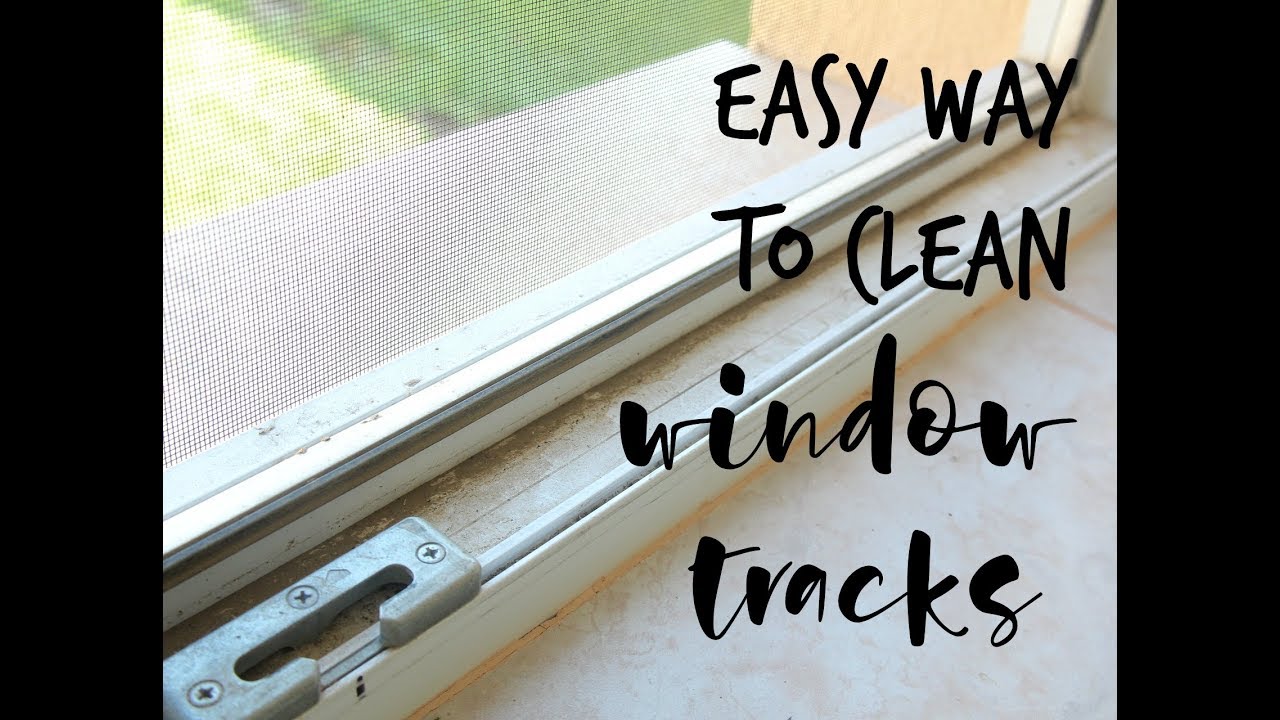
Step-by-step: How to Clean Window Tracks
Follow this simple plan. It works on vinyl, aluminum, and fiberglass tracks.
-
Prep the area
Open the window. Remove the screen if you can. Lay a towel on the sill. -
Dry clean first
Use the vacuum with the crevice tool. Pull out dust, grit, and dead bugs. This stops mud from forming later. -
Break up the crust
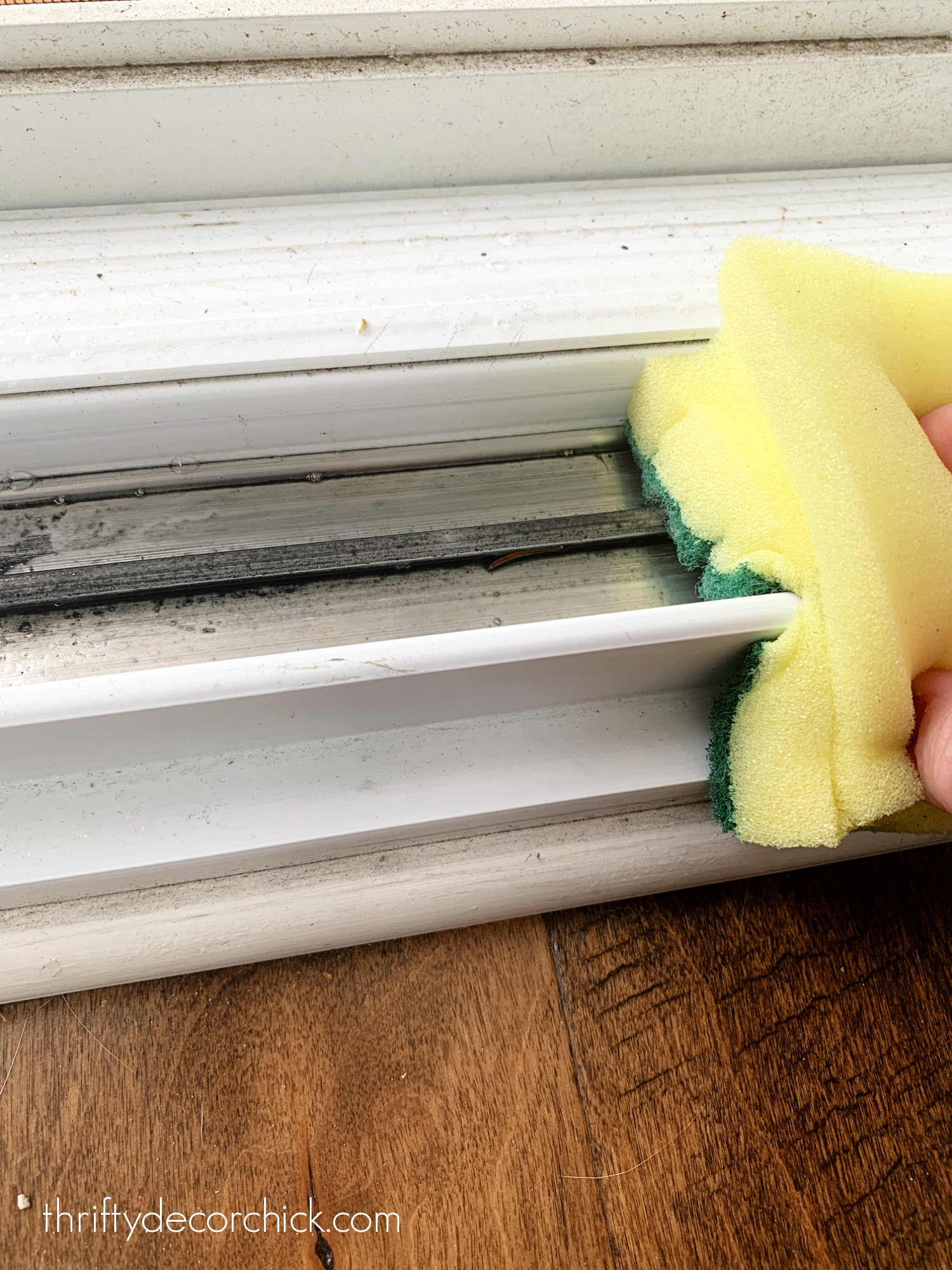
Loosen edges with a plastic scraper or old card. Brush corners with a toothbrush. -
Choose your cleaner
For light soil, use warm water with a drop of dish soap. For grimy tracks, sprinkle baking soda. Then mist vinegar until it foams. -
Let it sit
Give the cleaner 5 to 10 minutes. The dwell time does the heavy lifting. -
Scrub smart
Work from clean to dirty. Start at the top end and move down. Use a toothbrush for grooves and screw heads. -
Rinse with control
Use a squeeze bottle or baster to direct warm water. Keep wood trim as dry as you can. -
Detail the corners
Use cotton swabs to lift sludge from tight spots. Wrap a cloth over a butter knife to reach long grooves. -
Wipe dry
Blot with a microfiber cloth. A hair dryer on cool helps dry deep channels fast. -
Clear the weep holes
Look for tiny drain slots in the outer track. Poke clear with a zip tie or skewer. Test with a splash of water. -
Lube the slide, not the dirt
Spray a light coat of silicone or dry PTFE into a cloth. Wipe the contact rails only. Do not use oil-based lubes. They grab dust. -
Test and reassemble
Slide the sash back and forth. Reinstall the screen. Admire the smooth glide.
Mistakes to avoid
- Do not soak wood trim. Use a near-dry method.
- Do not leave vinegar on bare aluminum for long. Rinse and dry.
- Do not use steel wool. It can scratch and rust.
Repeat these steps whenever you search for how to clean window tracks and want a result that lasts.
Dealing with tough problems
Some tracks fight back. Here is how to win.
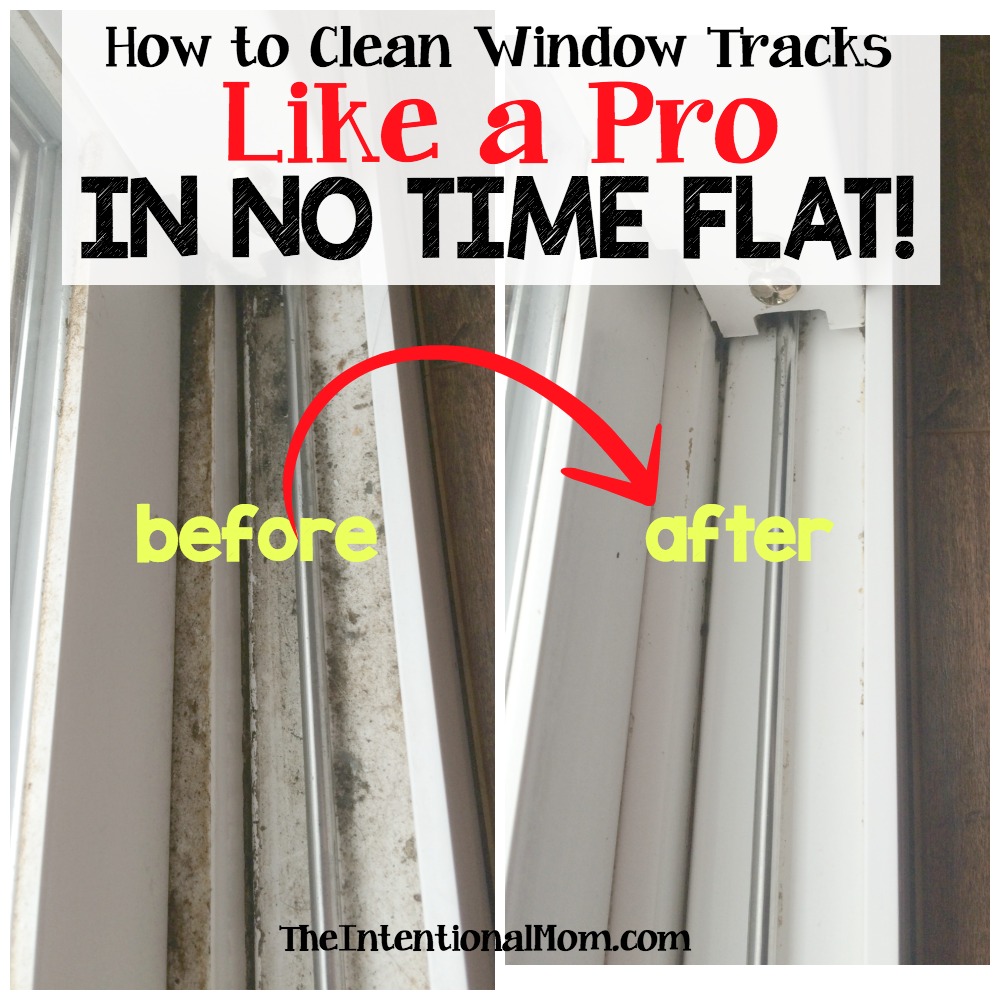
Mold or mildew
- Ventilate well. Wear gloves and eye cover.
- Spray 3% hydrogen peroxide or a vinegar solution. Let it sit for 10 minutes.
- Scrub and rinse. Dry fully. Keep drains clear to stop the return.
Grease, smoke film, or sticky grime
- Use warm water with dish soap. Add a small splash of rubbing alcohol.
- Scrub, then rinse. Follow with a mild cleaner if needed.
Mineral scale from hard water
- Use a citric acid or vinegar soak on the mineral only.
- Avoid marble or stone sills with acids. Wipe and rinse fast.
Corrosion on aluminum
- Use a gentle non-scratch scrub pad with soapy water.
- Rinse and dry. Avoid strong alkali or acids that can etch.
Bugs and clogged weep holes
- Vacuum first.
- Clear holes with a skewer.
- Test with water flow. If water stands, clean again.
These fixes pair well with the main plan for how to clean window tracks, and they target the root issues.
Safety and material notes
Vinyl and uPVC
- Safe with dish soap, baking soda, and vinegar.
- Avoid harsh solvents. They can haze the surface.
Aluminum
- Keep contact time short with acids.
- Dry well to limit oxidation.
Wood frames near tracks
- Use minimal water.
- Wipe dry at once. A fan helps.
Glass and hardware
- Keep lubricants off glass and weatherstrips.
- Use dry PTFE or silicone on sliding rails only.
These rules keep your work safe as you learn how to clean window tracks the right way.
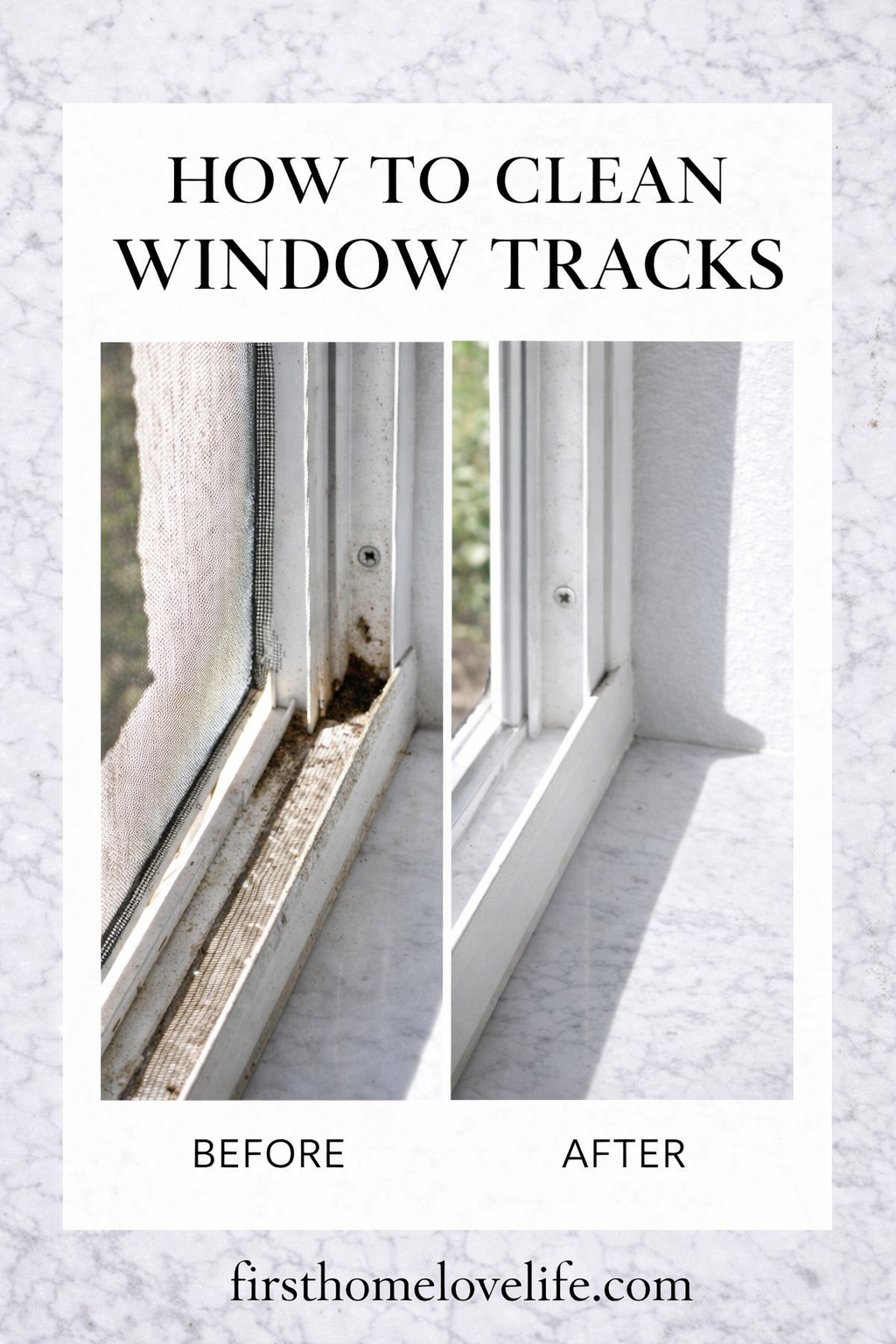
Ongoing care and prevention
A few small habits cut work by half.
- Do a 5-minute monthly wipe. Use a damp cloth and a quick vacuum.
- After storms, check and clear the weep holes.
- Keep screens clean. Dust from screens drops into tracks.
- Add a thin coat of dry lube each season for smooth slides.
- Replace torn weatherstrips to block dirt.
Set reminders for spring and fall. This is the easy path for how to clean window tracks with less effort over time.
Real-world tips from the field
These are tricks I use in homes each week.
- Wrap a cloth around a plastic card. It fits the narrow groove like a charm.
- Tape off painted edges with painter’s tape. No scuffs, no touch-ups.
- A turkey baster gives a perfect, splash-free rinse.
- For stubborn corners, steam for 10 seconds, then wipe.
- Do not use oil-based lubes. They feel smooth for a day, then turn into glue.
The more you practice how to clean window tracks, the faster and cleaner your results.

Frequently Asked Questions of How to Clean Window Tracks
What is the fastest way to clean window tracks?
Vacuum first, then use baking soda and vinegar for 5 minutes. Scrub, rinse with a squeeze bottle, dry, and add a light silicone wipe.
Can I use vinegar to clean window tracks?
Yes, it breaks down grime well. Rinse and dry, and avoid long contact on bare aluminum.
How often should I clean window tracks?
Do a light clean monthly and a deep clean twice a year. If you live in a dusty or coastal area, clean more often.
What lubricant should I use on window tracks?
Use silicone spray or a dry PTFE lubricant. Apply to a cloth and wipe rails lightly to avoid dust buildup.
How do I clean window tracks covered in mold?
Ventilate, wear gloves, and use 3% hydrogen peroxide or a vinegar mix. Let it sit, scrub, rinse, and dry fully.
How do I unclog window track weep holes?
Probe them with a zip tie or skewer, then flush with water. If water does not drain, repeat until clear.
Conclusion
Clean tracks make windows glide, seal better, and last longer. You now know how to clean window tracks with simple tools, safe methods, and smart habits. Start with one window today, time yourself, and you will see how quick it is. Ready for more handy home wins? Subscribe, ask a question in the comments, or share your own best tip.