
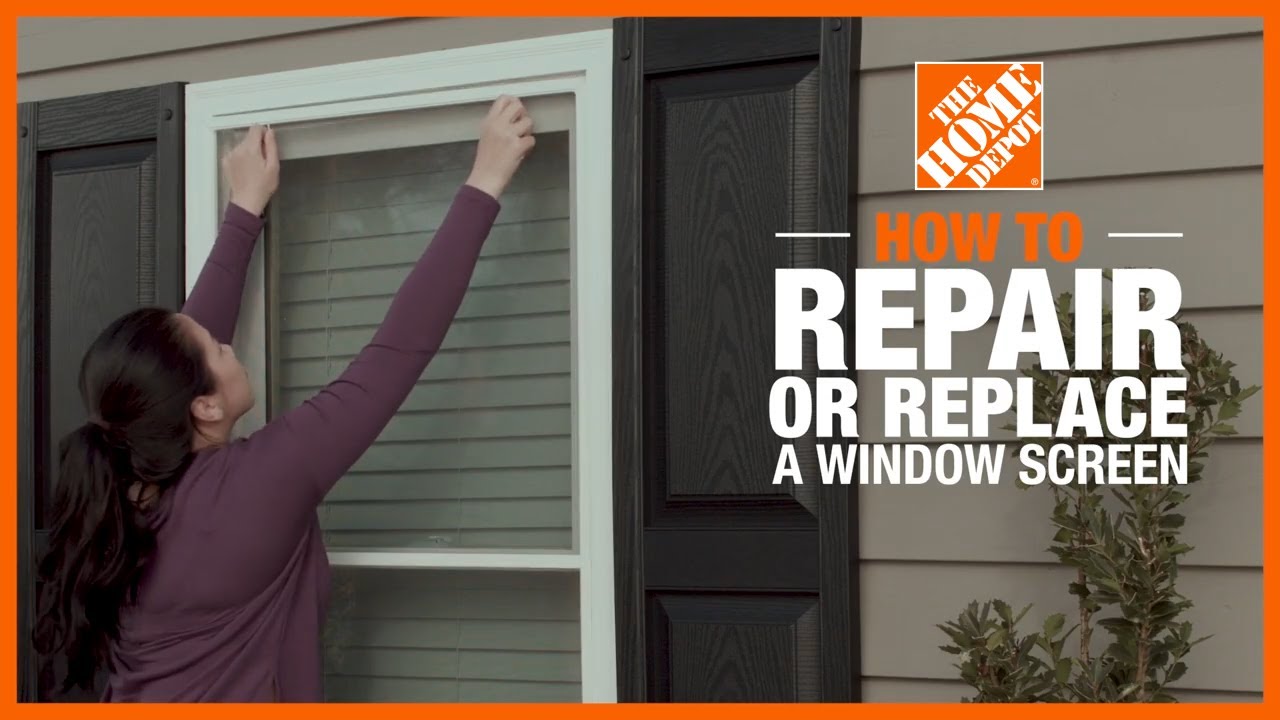
Remove the screen frame, roll in new mesh with spline, trim, and reinstall.
If you want to learn how to replace a window screen like a pro, you’re in the right place. I have replaced hundreds of screens in homes, rentals, and shops. In this guide on how to replace a window screen, I’ll walk you through simple steps, common mistakes, and smart tips that save time and money. Stick with me, and you’ll get a clean, tight screen on your first try.
Why replacing a window screen matters
A good screen keeps bugs out and lets fresh air in. It also filters dust and softens sun glare. When it tears or sags, comfort drops fast.
Learning how to replace a window screen gives you control over airflow and privacy. It also boosts curb appeal at a low cost. Most homeowners can do it in under an hour.

Tools and materials you need
You do not need a shop full of tools. A few basics work well.
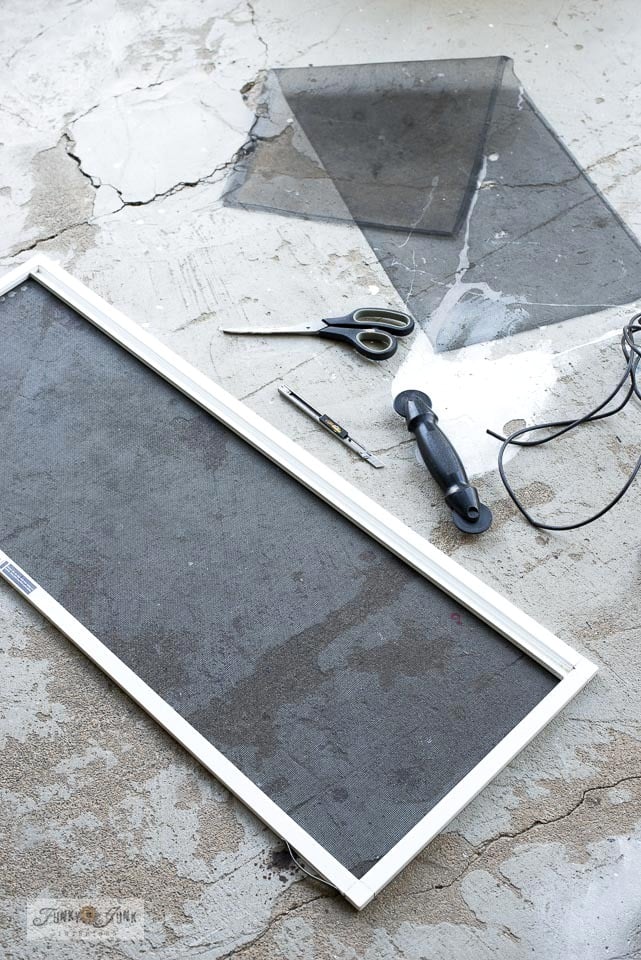
- Spline roller with convex and concave wheels
- Utility knife with a sharp blade
- Flat screwdriver or pick to pry out spline
- Scissors for cutting mesh
- Masking tape or spring clamps to hold mesh
- Replacement screen mesh in fiberglass, aluminum, or pet-resistant
- Spline sized to your frame groove
- Corner keys if your frame needs new corners
- Work surface like a table or clean floor
Pro tip: Keep a scrap 6-inch piece of spline and mesh for test fits. It helps you pick the right size and tension. Learning how to replace a window screen starts with the right fit and feel.

Step-by-step: How to Replace a Window Screen
Follow these steps to get a smooth, tight screen without waves.
-
Remove the screen frame
- Lift the tabs or turn the clips.
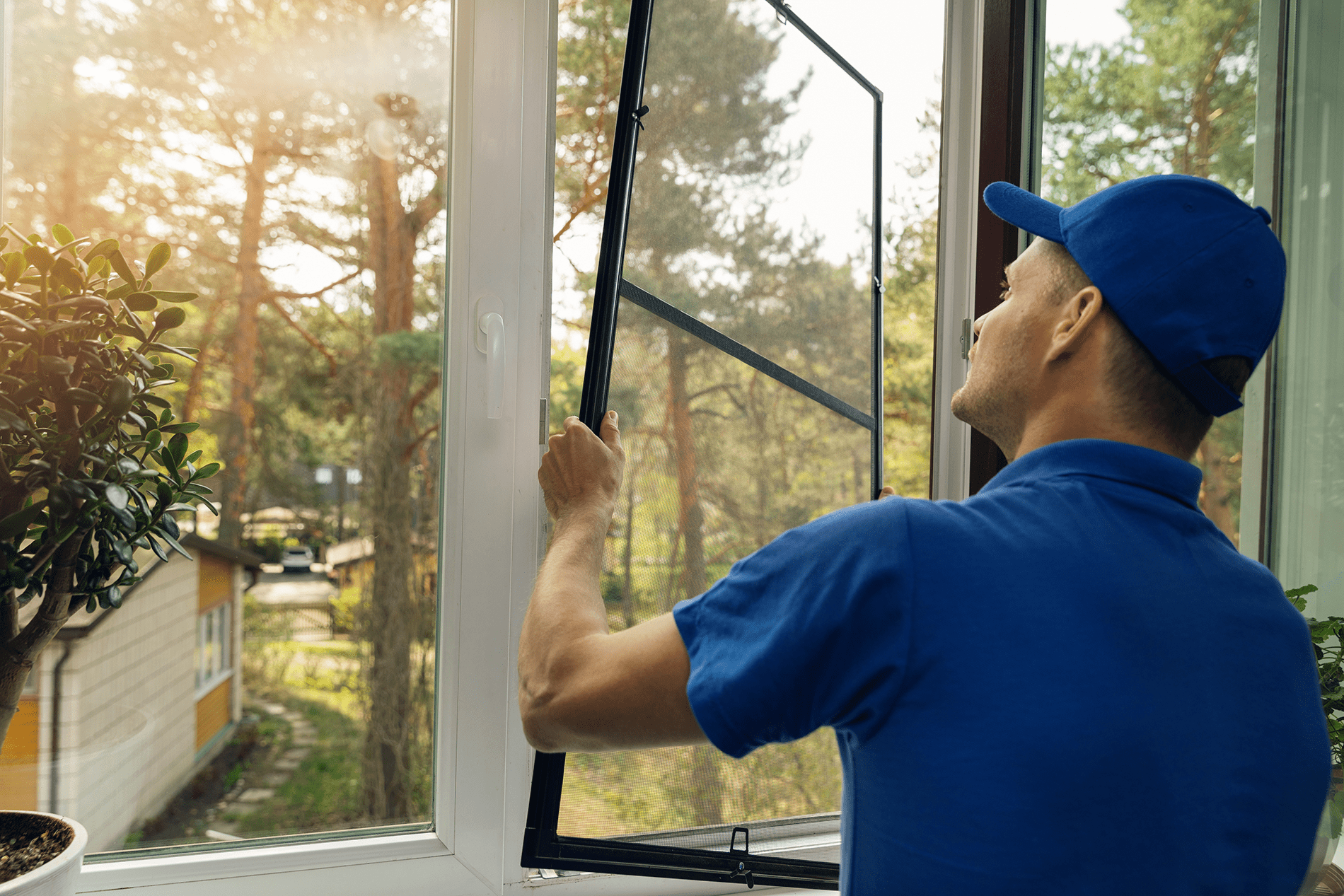
- Tilt the frame out and set it flat on a table.
-
Measure and record sizes
- Measure width and height of the frame.
- Note spline size if printed on the old spline. If not, save a short piece for matching.
-
Remove old spline and mesh
- Use a pick or flat screwdriver to lift a spline end.
- Pull the spline out. Remove the old mesh.
-
Inspect the frame
- Check corners and grooves for damage.
- Replace broken corners. Clean the groove.
-
Cut new mesh
- Lay the mesh over the frame with 1–2 inches extra on all sides.
- Align the weave square with the frame for a neat look.
-
Anchor one side with spline
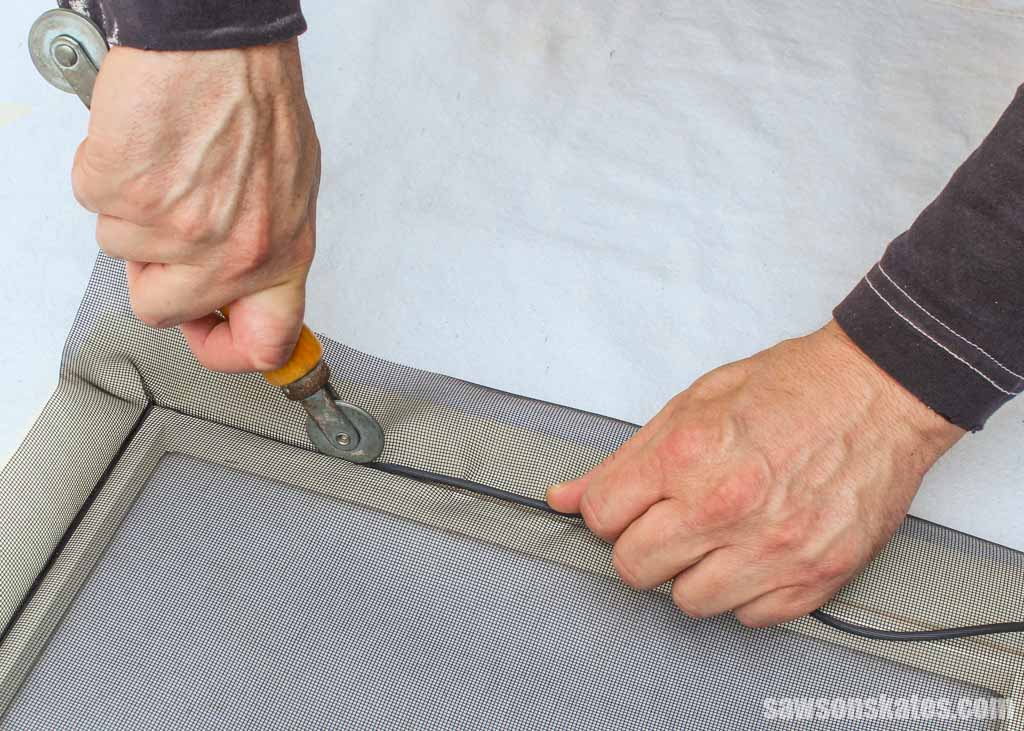
- Start at a corner. Use the concave wheel to press spline into the groove.
- Keep light tension on the mesh. Do not stretch hard.
-
Roll the adjacent side
- Keep mesh square. Roll spline down the next side.
- Use clamps or tape on the free sides if the mesh shifts.
-
Finish the last two sides
- Work from the middle out toward the corners for even tension.
- If the frame bows, release a bit of spline and relax the mesh.
-
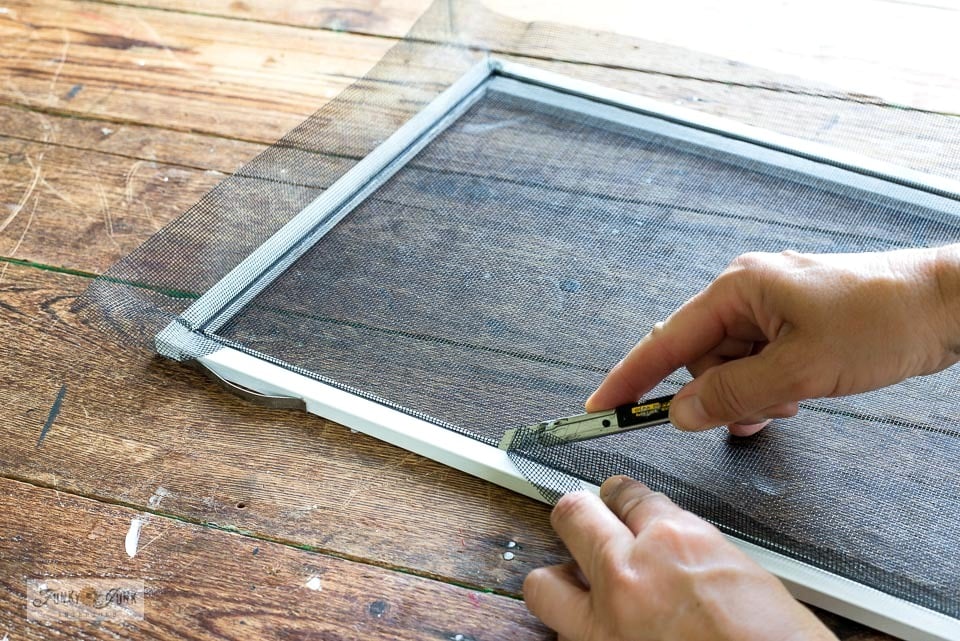
Trim excess mesh
- Run a sharp blade along the outside of the spline.
- Trim cleanly without nicking the new mesh.
-
Reinstall the frame
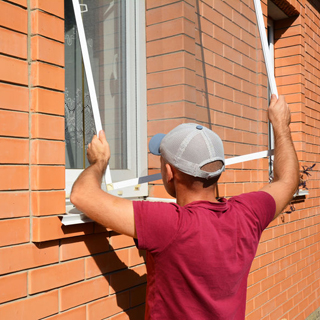
- Fit the bottom first, then the top.
- Snap in the tabs or clips. Test for rattle and fit.
If you are new to how to replace a window screen, practice on a small window first. You will feel how much pressure the spline wants. After one or two, you will move fast.
Measuring and choosing the right screen material
Screen mesh comes in types that suit different needs.
-
Fiberglass mesh
- Easiest to work with. Resists dents and wrinkles.
- Great for most homes. Affordable and forgiving.
-
Aluminum mesh
- Stronger against wind and cats, but sharp on edges.
- Can crease if bent. Wear gloves.
-
Pet-resistant polyester or vinyl-coated
- Thick and tough. Good for dogs and cats.
- Needs larger spline groove or smaller spline due to thickness.
-
Solar or sun-control mesh
- Reduces heat and glare. Some privacy by day.
- Darker view, but energy friendly.
As you learn how to replace a window screen, check your frame’s groove width. Thicker mesh often needs a smaller spline so it sits right. Always test a short corner before rolling a full side.
Frame types and spline sizes explained
Not all frames are the same. Knowing yours avoids a bad fit.
-
Standard aluminum window frames
- Use round vinyl spline. Common sizes are 0.125, 0.140, 0.160, and 0.180 inch.
-
Wood screens
- Often use staples and a wood stop instead of spline.
- A narrow bead holds the mesh.
-
Vinyl or composite frames
- Also use spline. The groove can be tight. Test fit first.
Pick a spline that presses in firm without crushing the frame. If you force it, you may twist the frame or wave the mesh. Learning how to replace a window screen the right way starts with this choice.
Common mistakes and how to avoid them
I have made them all. Here is what to watch for.
-
Over-stretching the mesh
- This bows the frame. Keep light, even tension only.
-
Rolling the spline off the edge
- Stay centered in the groove. Slow down at corners.
-
Trimming too close too soon
- Always seat all four sides first. Then trim.
-
Wrong spline size
- Too big makes waves. Too small slips out. Test a short piece.
I once rushed a patio screen and pulled the mesh tight like a drum. The frame curved and never sat flat. I redid it with a looser hand and worked from the middle out. That fix has held for years. These small habits shape how to replace a window screen with pro results.

Troubleshooting quick fixes
If something looks off, try these simple repairs.
-
Wrinkles in the middle
- Lift the nearest side a foot or two. Relax the mesh and re-roll.
-
Loose corner
- Pull back a few inches, set the corner square, and re-seat spline.
-
Bowed frame
- Remove one long side. Reduce mesh tension. Add spline again.
-
Spline popping out
- Use a slightly larger spline or change to a softer spline material.
These fast fixes are part of how to replace a window screen without starting over.
Safety tips and prep
Smooth, safe steps lead to cleaner work.
- Wear gloves with aluminum mesh. The edges can be sharp.
- Cut away from your hand with a fresh blade.
- Use eye protection when prying spline or cutting frames.
- If using a ladder, keep three points of contact and a helper nearby.
Safety matters as much as skill when you learn how to replace a window screen.
Cost, time, and when to hire a pro
DIY costs are friendly. A standard window runs $10 to $25 for mesh and spline. A spline roller adds a few dollars if you do not have one.
Time per screen is 15 to 30 minutes once you learn the flow. If frames are bent or the screen is large, plan longer. Hire a pro if you have custom shapes, tall ladder work, or dozens of screens. For many homes, learning how to replace a window screen saves hundreds over a season.
Care and maintenance to make it last
A little care keeps the mesh clean and tight.
- Vacuum dust with a soft brush every few months.
- Wash with mild soap and water. Rinse well and air dry.
- Avoid high-pressure washers. They can stretch or tear screens.
- Check spline each spring. Reseat any loose spots.
Good care supports all the work you put into how to replace a window screen.
Frequently Asked Questions of How to Replace a Window Screen
What size spline do I need?
Measure the groove and test-fit with a small piece. Most homes use 0.140 or 0.160 inch, but always confirm with a short trial.
Can I reuse the old spline?
Yes, if it is still flexible and not cracked. If it feels stiff or flattened, replace it for a better grip.
How tight should the screen be?
Aim for smooth, not drum-tight. Light tension avoids frame bow and keeps corners square.
Is fiberglass or aluminum mesh better?
Fiberglass is easier to install and resists wrinkles. Aluminum is stronger but can crease and has sharper edges.
Can I replace a screen without removing the frame?
Sometimes, but results are better with the frame out. You need a flat surface to roll spline evenly and trim clean.
How do I fix a bowed screen frame after installing mesh?
Remove one long side of spline, relax tension, and re-roll from the middle outward. If still bowed, check that the spline is not oversized.
What if I don’t have a spline roller?
Use a plastic putty knife or a smooth coin to press spline gently. Go slow to avoid cutting the mesh.
Conclusion
Now you know how to replace a window screen from start to finish. You have the tools, steps, and fixes to handle most screens with calm and confidence. Start on a small window, practice the feel of the spline, and build your rhythm.
Take action today. Pick one worn screen and refresh it. If this guide helped, share it with a friend, subscribe for more hands-on tips, or leave a question so I can help you nail your next project.