
Open windows, trap odors with baking soda, simmer citrus, add herbs and houseplants.
You want a clean, bright smell without harsh sprays. You’re in the right place. I’ve spent years testing simple methods that work in real homes, with kids, pets, and busy days. This guide shows you How to make your home smell fresh naturally using proven tips, safe ingredients, and easy habits you can start today. It’s friendly, practical, and backed by science and real-life wins.

Start with air: the science behind a fresh-smelling home
If you ask me How to make your home smell fresh naturally, I’ll begin with air. Fresh scent starts when you remove stale air and bad sources. Open windows for 10–15 minutes a day when weather allows. Cross-ventilate by opening two windows on opposite sides.
Here’s why it works. Outdoor air often dilutes indoor smells, moisture, and VOCs. The EPA notes indoor air can be more polluted than outdoors. Vent fans in kitchens and baths push moist, smelly air outside. That reduces mildew, cooking smells, and pet odors.
Try this simple routine:
- Crack a window right after showering or cooking to vent steam and smells.
- Use the range hood every time you cook. It cuts grease and smoke.
- Run the bathroom fan for 20 minutes after showers.
- Replace HVAC filters every 2–3 months. Use a MERV 8–13 filter if your system allows.
Personal tip: I set a daily phone reminder to open windows while I make coffee. My living room smells lighter all day.

Natural odor removers that actually work
When clients ask How to make your home smell fresh naturally, I reach for four heroes: baking soda, activated charcoal, white vinegar, and sunshine. They pull odors instead of masking them.
- Baking soda traps acidic smells. Place open boxes in the fridge, closets, or near the litter box. Replace monthly.
- Activated charcoal has huge surface area. Use breathable bags in shoes, gym bags, and cars. Recharge in the sun.
- White vinegar neutralizes alkaline odors and cuts soap film. Set a small bowl out for an hour to clear a room smell.
- Sunshine and fresh air help kill musty odors in fabrics. Set rugs or pillows outside on a dry day for an hour.
Limitations to know:
- Vinegar smells strong at first. It fades as it dries. Do not mix with bleach.
- Charcoal and baking soda need time. Give them hours to work.
- Sun can fade fabric. Limit to short sessions.
In my home, a tiny bowl of vinegar on the counter vanishes cooking smells by bedtime. It beats any synthetic spray.

Daily habits that keep rooms fresh
How to make your home smell fresh naturally is less about one hack and more about small habits. Do these and you’ll avoid the “why does it smell weird?” moments.
- Take out trash before it smells. Rinse the bin with hot soapy water monthly.
- Keep the fridge crisp: wipe spills fast; store baking soda inside.
- Air out shoes after use. Use charcoal bags in the closet.
- Wash pet bedding weekly. Brush pets often to reduce dander.
- Tackle laundry fast. Wet towels smell fast. Hang them to dry right away.
- Run a dehumidifier in damp rooms. Aim for 40–50 percent humidity.
Mistakes I learned to avoid:
- Letting damp mops sit in a bucket. They grow musty fast.
- Storing gym clothes in a closed hamper. Air them first to prevent sour smells.
Source: lisabronner.com
DIY natural deodorizers and easy recipes
If you want How to make your home smell fresh naturally without chemicals, try these simple blends I use on repeat.
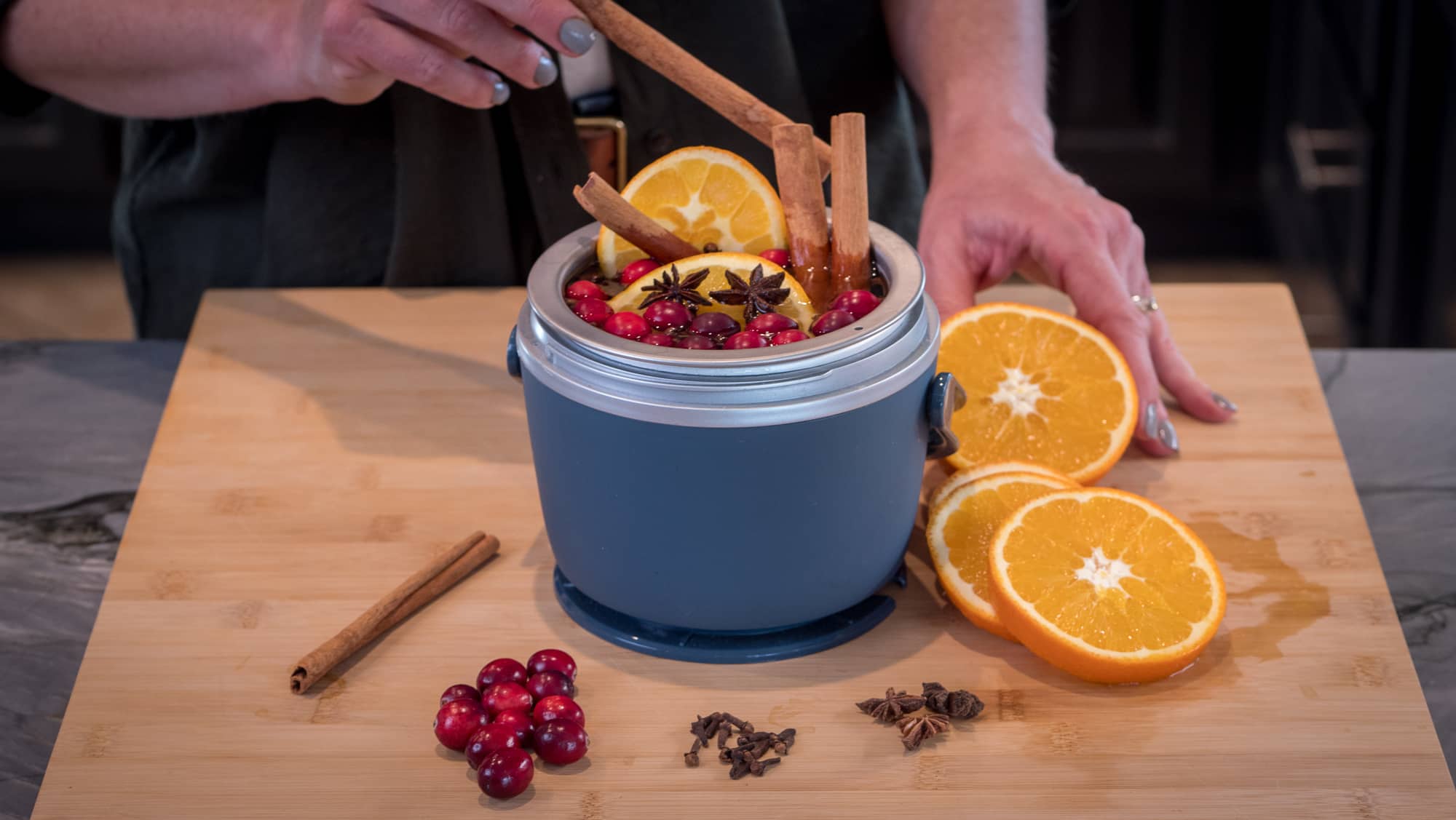
Simmer pots
- Add water to a small pot. Toss in lemon slices, orange peels, cinnamon sticks, or cloves.
- Simmer on low for 30–45 minutes. Top up water as needed.
Room spray
- Mix 1 cup distilled water, 1 tablespoon vodka or witch hazel, and 20–30 drops essential oil.
- Good blends: lemon and lavender; rosemary and grapefruit.
- Shake before each use. Spray into the air, not on wood.
Carpet refresher
- Combine 1 cup baking soda with 10 drops lavender or lemon oil.
- Sprinkle on carpet. Wait 15 minutes. Vacuum well.
Closet sachets
- Fill small cotton bags with dried lavender, cedar chips, or coffee beans.
- Tuck in drawers and gym bags.
Reed diffuser
- Mix 1/4 cup sweet almond oil with 25–30 drops essential oil.
- Add reeds and flip weekly.
Pro tip: Use glass bottles for sprays. Oils can react with some plastics over time.

Plants, candles, and microbes: helpful or hype?
People ask How to make your home smell fresh naturally with plants. Houseplants look lovely and can help a space feel fresher, but their impact on air cleaning is small in real rooms. Studies in labs show benefits, yet real homes have more air flow. Still, herbs like mint and rosemary give a light, green scent when you brush past.
Safer candle choices:
- Beeswax and soy candles burn cleaner than paraffin.
- Choose unscented or lightly scented options.
- Keep wicks trimmed to 1/4 inch to reduce soot.
Probiotic cleaners can help balance odors on some surfaces. They add friendly microbes that crowd out stink-causing bacteria. Use on floors and bins as directed, and patch test first.
A note on incense: It can smell great but may add smoke and particulates. Use sparingly and ventilate.
Kitchen and bathroom playbook
How to make your home smell fresh naturally often comes down to the kitchen and bath. These rooms make the biggest smells, good and bad.
Kitchen steps
- Degrease the stove hood filter monthly with hot water and dish soap.
- Boil lemon slices and a little vinegar in the microwave for two minutes. Wipe clean.
- Drop citrus peels in the garbage disposal with ice. Run cold water.
- Keep a compost pail with a tight lid. Empty often.
Bathroom steps
- Pour a half cup baking soda, then a cup of hot vinegar down the drain. Wait 10 minutes. Flush with hot water.
- Squeegee the shower after use. It slows mildew.
- Wash bath mats weekly. Dry fully between uses.
- Keep a small charcoal bag behind the toilet.
My client with a tiny bath cut odors by 80 percent after adding a squeegee and a 20-minute fan timer. It took days, not weeks.

A seasonal plan for a fresh home
A smart plan makes How to make your home smell fresh naturally easy all year.
Spring
- Deep clean soft stuff: curtains, throw covers, and pillows.
- Open windows on dry days. Pollen high? Air out mid-day when counts dip.
Summer
- Run a dehumidifier to stop mildew in basements.
- Store damp beach towels outside the main hamper.
- Keep citrus simmer pots very light. Heat rises already.
Fall
- Clean vents. Swap HVAC filters before the heat kicks on.
- Sun rugs on crisp days to beat musty notes.
Winter
- Crack windows for 5 minutes to refresh stale heated air.
- Use beeswax candles for a warm, clean scent.
- Add a bowl of vinegar after heavy cooking to neutralize smells fast.

Source: loveandsweettea.com
Essential oils: safe, simple, and smart
You can boost How to make your home smell fresh naturally with oils, but do it right. More is not better. Use 3–5 drops in a diffuser per 100 ml of water. Run for 20–30 minutes, then pause.
Beginner-friendly oils
- Lemon for bright, clean notes
- Lavender for calm, soft scent
- Eucalyptus for fresh spa air
- Rosemary for herb warmth
- Sweet orange for kitchen zest
Safety notes
- Keep oils away from kids and pets. Cats are very sensitive to many oils.
- Avoid tea tree and eucalyptus around cats. Check with your vet.
- Do not apply to skin undiluted. Do not use on pet fur or bedding.
- Ventilate and stop if anyone gets a headache or coughs.
What I learned: A tiny amount goes far. One extra drop can turn great into too much.

Quick questions people ask
Does opening windows really help in cities?
Yes. Even in cities, short bursts of fresh air can dilute indoor smells and moisture. Time it for lower traffic hours and use a fan to boost flow.
How fast can I clear cooking smells after frying?
Turn on the range hood and open a window for 10 minutes. Set out a small bowl of vinegar and wipe grease on nearby surfaces.
What if my home smells musty after rain?
Run a dehumidifier and a fan to move air. Sun rugs and use baking soda on carpets, then vacuum well.
Frequently Asked Questions of How to make your home smell fresh naturally
How often should I use baking soda for odor control?
Refresh open boxes every 30 days. For carpets, sprinkle once a month or after spills, then vacuum.
Can houseplants remove bad smells on their own?
Plants add a fresh feel but do little for strong odors. Focus on air flow, humidity control, and odor absorbers first.
Are natural sprays safer than store-bought air fresheners?
Most DIY sprays skip harsh propellants and heavy synthetics. Still, spray into open air, not on skin, and ventilate.
What is the fastest way to clear a smoky room scent?
Open two windows on opposite sides and run a fan. Set out bowls of vinegar and wipe hard surfaces to remove residue.
How do I keep my fridge from smelling without perfumes?
Clean spills fast, store raw onions and fish well sealed, and keep an open box of baking soda. Replace it monthly.
Is vinegar safe on all surfaces?
Vinegar is not safe on natural stone like marble or granite. Test any surface first and avoid mixing it with bleach.
Will essential oils bother my pets?
Some oils can harm pets, especially cats. Diffuse lightly, ventilate, and ask your vet about safe options.
How long should I simmer a pot for home scent?
Simmer 30–45 minutes on low and never leave it unattended. Top up water as needed and stop when the room smells fresh.
Can charcoal bags be reused?
Yes. Place them in the sun for an hour to recharge. Replace them every one to two years.
What humidity level prevents musty smells?
Aim for 40–50 percent indoors. Use a dehumidifier in damp rooms and a hygrometer to track levels.
Conclusion
A fresh-smelling home starts with air flow, smart moisture control, and simple odor traps. Add quick daily habits, then layer gentle natural scents to taste. When you focus on source control first, every other step works better.
Pick one room today and try three moves: open a window, set out baking soda, and simmer citrus. You’ll feel the shift by tonight. Want more tips like How to make your home smell fresh naturally? Subscribe for weekly ideas, ask a question in the comments, and share your wins so we can learn together.