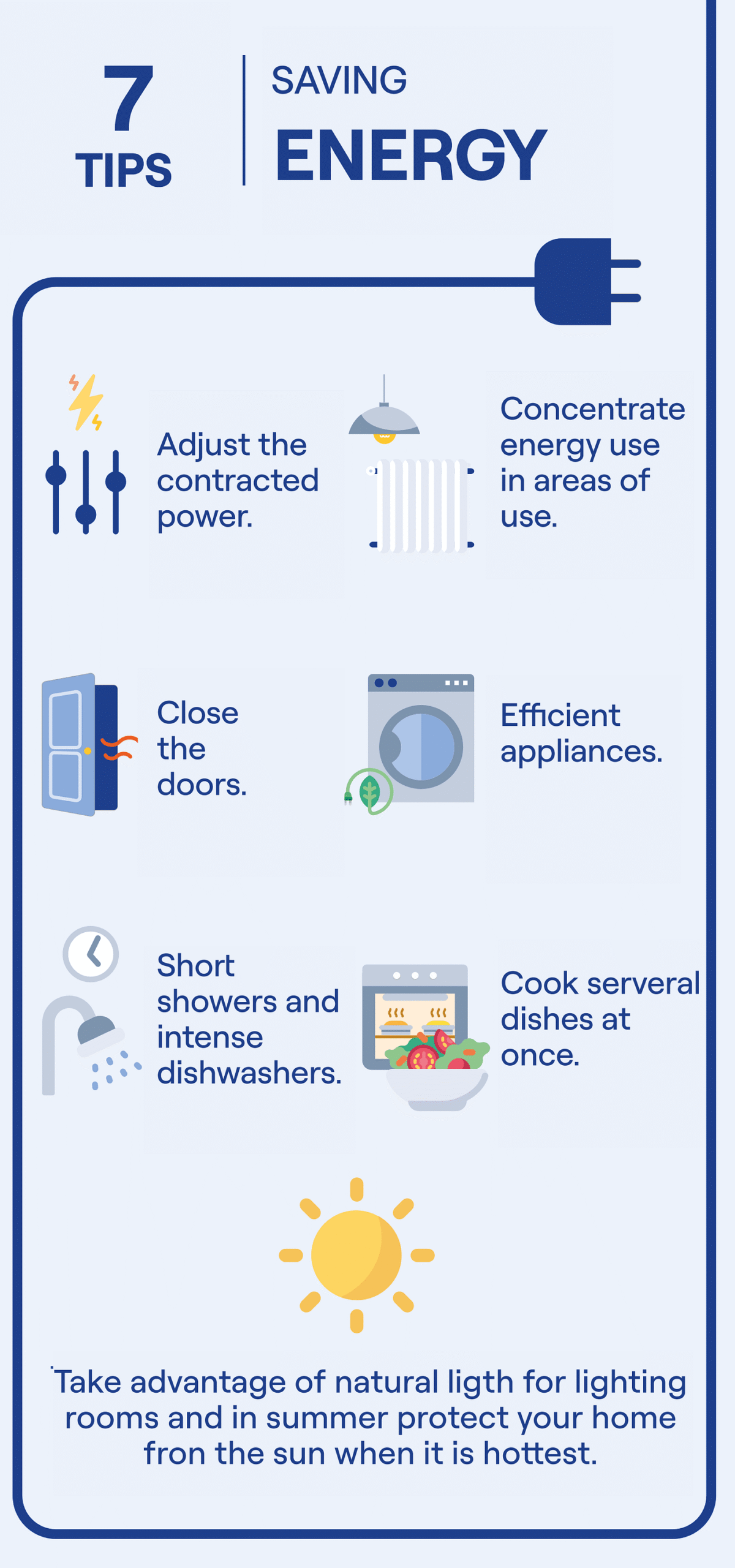
Switch to LEDs, seal air leaks, and kill standby power with smart strips.
There is a simple path for how to save electricity at home. I have helped many families cut bills by double digits with small changes. In this guide, I will show you how to save electricity at home with quick wins, smart upgrades, and clear habits you can use right away.
Why saving electricity at home matters
Saving electricity lowers your bill, boosts comfort, and cuts emissions. The average US home spends a large share on heating, cooling, water heating, and appliances. According to national energy data, lighting and gadgets can be a big slice too. Small changes stack up fast.
There is also a comfort payoff. Better sealing and smart controls can reduce hot and cold spots. They also cut noise and dust. From an environmental view, lower use means fewer emissions from power plants.
Here is the key idea. Learn where your energy goes. Then target the biggest loads first. That is the backbone of how to save electricity at home.
.png)
Start with a 20 minute home energy check
A short walk through your home can reveal large savings. Grab a notepad and do this quick check.
- Check your thermostat setpoints. Heat at 68 to 70 during the day and cooler at night. Cool at 76 to 78 with ceiling fans to feel cooler.
- Look for drafts. Run your hand near doors, windows, and attic hatches. If you feel air, add weatherstripping or caulk.
- Find phantom loads. Unplug chargers and game consoles that glow when off. Use smart power strips for TV and office gear.
- Open the panel on your HVAC air handler. Check the filter. If it looks gray, replace it. A clean filter can cut energy use and protect your system.
- Inspect lighting. Note any incandescent or old CFL bulbs. Plan to switch to LEDs.
- Check the water heater dial. Set it to 120 degrees for safety and savings.
- Look at the fridge settings. Keep 37 to 40 for the fridge and 0 to 5 for the freezer. Clean the coils if dusty.
- Run a quick meter test. At a quiet time, turn off big loads and see if your meter still spins fast. That means base loads need attention.
From my own field visits, a single smart strip on a media center often saves 30 to 60 dollars per year. A fresh HVAC filter can cut use by up to 15 percent on the fan in some cases. This quick check is a strong first step in how to save electricity at home.

Quick wins you can do today
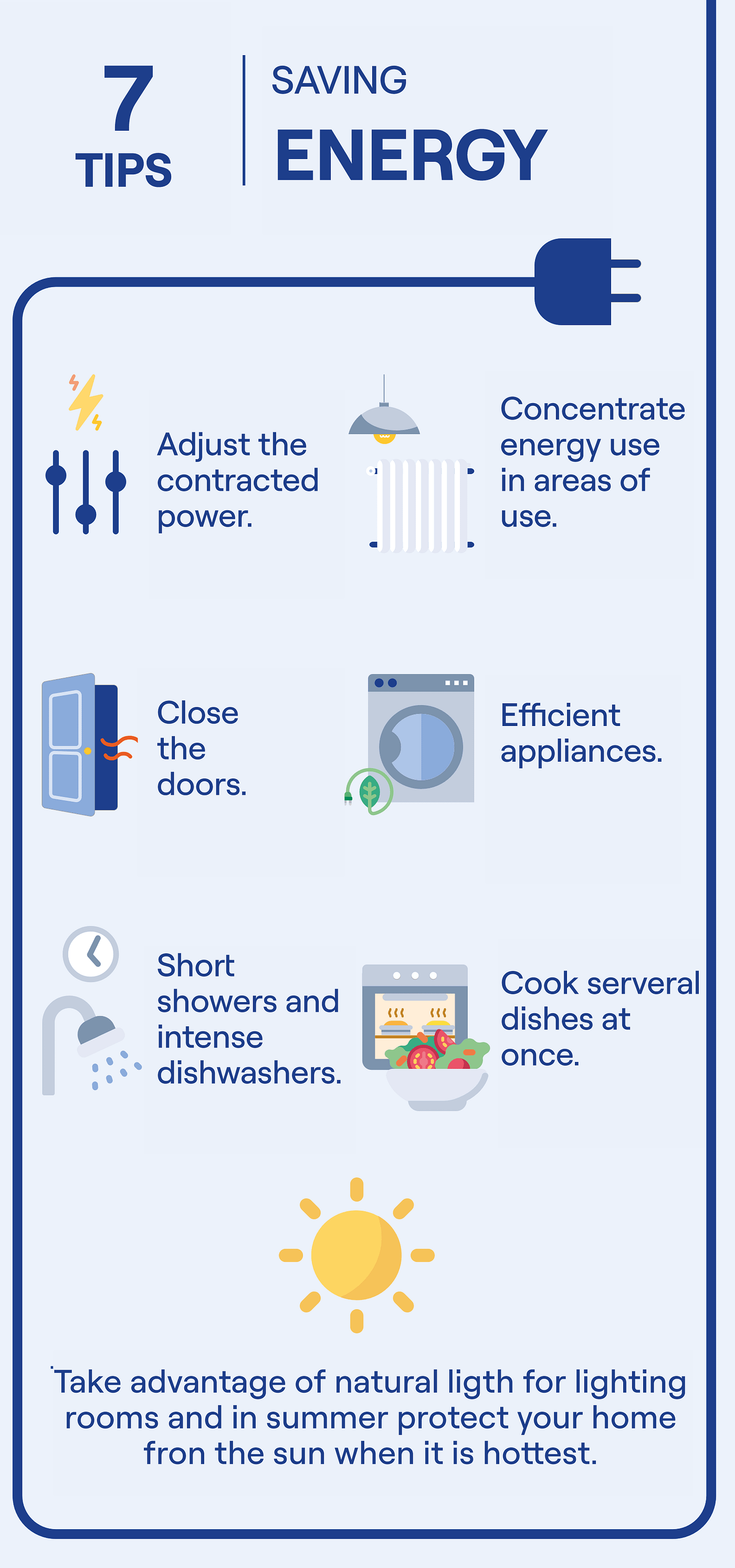
These simple moves work in almost every home. They are low cost and often pay back in months. If you want how to save electricity at home fast, start here.
- Swap to LED bulbs. LEDs use about 75 percent less energy and last longer. Replace bulbs in high use spots first.
- Use smart power strips. Set them to cut power to TV gear and gaming when the TV turns off.
- Adjust thermostat setpoints. Go up two degrees in summer and down two in winter. Use a fan to stay comfortable.
- Wash clothes in cold water. Modern detergents work well in cold. Run full loads.
- Air dry when you can. Or use dryer balls and the sensor dry mode.
- Turn off heated dry on the dishwasher. Open the door at the end and let dishes air dry.
- Seal air leaks. Add weatherstripping on doors and caulk gaps around windows and baseboards.
- Close shades on hot days. Open them on sunny winter days. Use light curtains to block heat.
- Fix the fridge seal if it is loose. Test with a paper dollar. If it slips out, replace the gasket.
- Set your computer to sleep after 10 minutes. Shut it down at night.
- Use the right size pan on the stove. Match pan size to burner size for less waste.
Each tip adds a small cut. Together they deliver a big change. This is the most direct path for how to save electricity at home without big spending.

Bigger upgrades with strong ROI
Once you finish the quick wins, plan for upgrades that give long term savings. These can anchor how to save electricity at home for years.
- Smart thermostat. Learns your schedule and trims heating and cooling use. Savings vary by climate. Many utilities offer rebates.
- Attic air sealing and insulation. Seal first, then insulate to the right level for your climate. This helps comfort and reduces HVAC run time.
- Heat pump HVAC. Modern heat pumps are very efficient. They can cut heating energy a lot compared to old electric resistance or oil systems.
- Heat pump water heater. Uses heat from the air. Often cuts water heating energy by half or more. Works well in basements or garages.
- ENERGY STAR appliances. Pick top rated fridges, washers, and dishwashers. Check the EnergyGuide label for kWh per year.
- Induction cooktop. Heats fast, is safer, and wastes less heat in the room. It can also reduce indoor air pollution.
- Windows and window films. If windows are old and drafty, low cost films or storm windows can help. Full window replacement is costly and best done with other shell work.
Based on studies from national labs and industry groups, these upgrades can reduce whole home use by 10 to 40 percent depending on your start point and climate. Check local and federal rebates to improve payback.
Room by room guide on how to save electricity at home
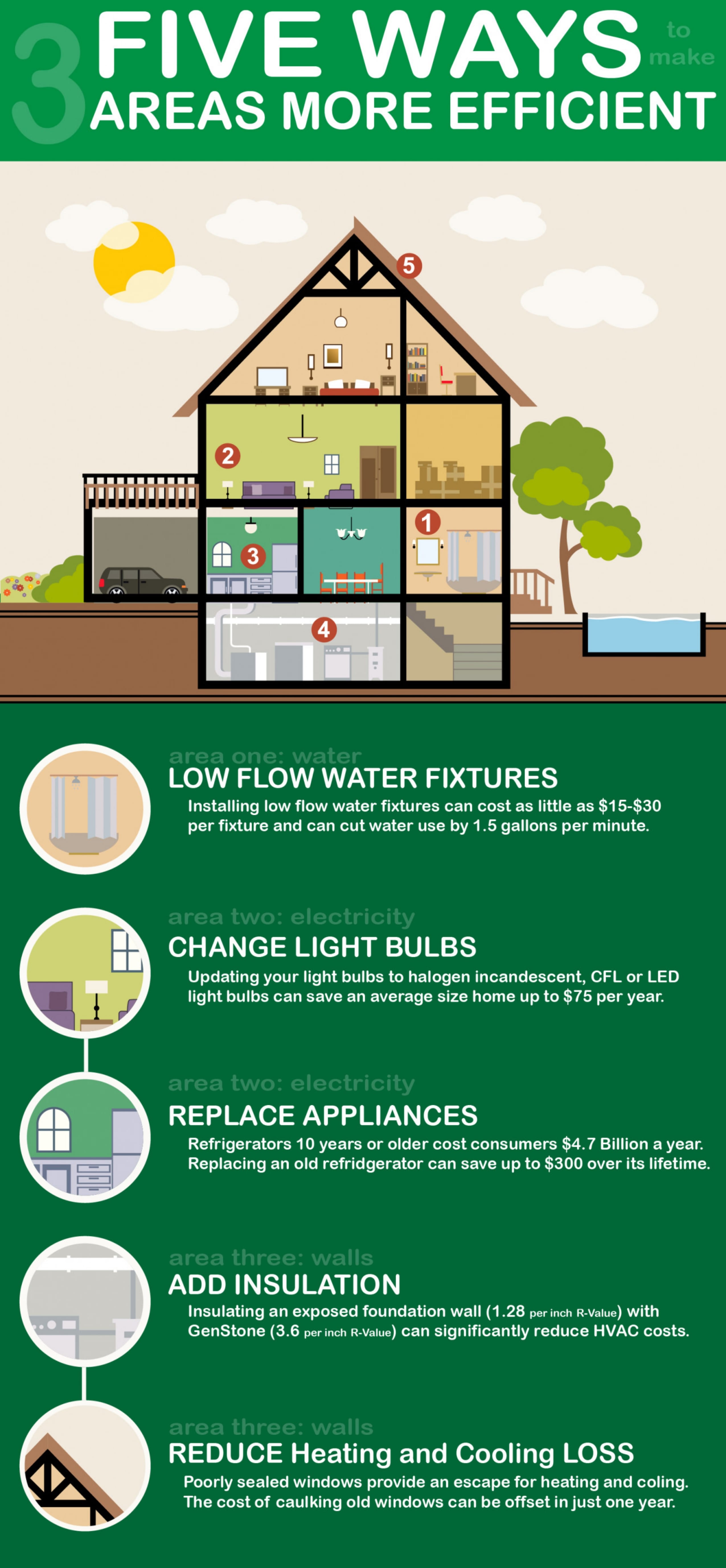
Target each space with simple steps. This makes change easy to follow and track.
Kitchen
- Use a lid to boil water faster. Turn heat down once water boils.
- Keep the fridge full but not packed. Air must move. Do not put hot food straight in.
- Use the microwave, toaster oven, or air fryer for small meals.
- Fix leaky faucet aerators. Hot water leaks waste power.
Laundry
- Wash cold. Use high spin speed to cut dryer time.
- Clean the dryer lint screen and vent. This helps flow and saves time and energy.
- Try a drying rack for light items.
Living room
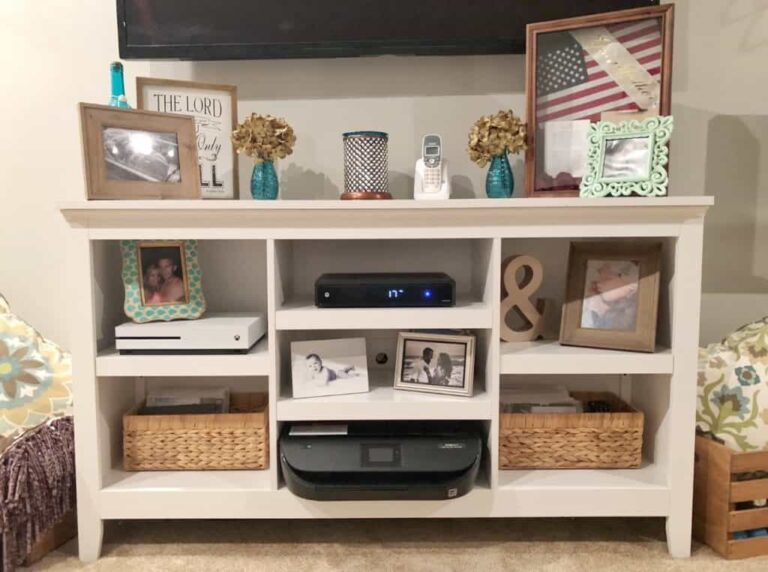
- Put the TV and game gear on a smart strip.
- Use LEDs in lamps. Aim for warm light around 2700 to 3000 K.
- Use ceiling fans. In summer, run forward for a breeze. In winter, run reverse on low to push warm air down.
Bedrooms and home office
- Use sleep timers on TVs. Dim displays on clocks and routers if possible.
- Set your computer to sleep when idle. Use a smart plug to track usage.
- Add a draft snake at the door if the hall is cooler.
Bathroom
- Take shorter showers. Use a low flow showerhead. Many feel great and cut hot water use a lot.
- Turn off the exhaust fan after 15 minutes. Add a timer switch.
- Use a heated towel rack on a timer if you have one.
Garage and outdoors
- Put garage fridges on a smart plug. Check kWh. Old fridges can waste a lot, especially in summer.
- Use motion sensors for outdoor lights. Use LEDs rated for outdoor use.
- If you have a pool, run the pump during off peak hours. Use a variable speed pump if possible.
These room based tips make how to save electricity at home feel simple and clear. Focus on daily use spaces first.
Smart habits that stick
Technology helps, but habits lock in savings. Use these nudges to make change easy.
- Pick one weekly goal. For example, cold wash only this week. Then add a new goal next week.
- Post a simple chart on the fridge. Track last month versus this month kWh.
- Use voice assistants to turn off groups of lights. Set routines for bedtime and leaving home.
- Talk with your family. Share the bill target and celebrate wins.
In my home, we set a monthly kWh budget. Each Sunday we check the utility app. That little ritual keeps how to save electricity at home top of mind without stress.
Seasonal tips to save more
Adjust with the seasons to keep savings strong.
Summer
- Close blinds on the sunny side by noon. Use light colored shades to reflect heat.
- Run the dishwasher and dryer at night. Avoid oven use on hot afternoons.
- Check the AC outdoor unit. Clear leaves and keep it clean for good airflow.
Winter
- Let sun in during the day. Close curtains at night to keep heat inside.
- Use a space heater only in the room you are using. Lower the main thermostat a bit.
- Seal the attic hatch and insulate it. Warm air loves to escape there.
Spring and fall
- Use windows for fresh air when weather allows. Turn off AC and heat.
- Service your HVAC once a year. This keeps it efficient and reliable.
These tweaks line up with how to save electricity at home all year long. Timing matters as much as the tool you use.
Track, measure, and verify your savings
What gets measured gets managed. Build a simple tracking plan.
- Use your utility app. Many now show daily and hourly kWh.
- Try a smart plug for your top five gadgets. Check which ones are worth deeper changes.
- Borrow or buy a plug in watt meter. Test chargers, speakers, and small tools for phantom load.
- Set a baseline. Note last year use for the same month. Weather can shift use, so compare year over year.
I like to set a monthly kWh target and a stretch goal. When we beat the target, we put a small part of the savings into a fun fund. That little reward made how to save electricity at home a family game.
Costs, rebates, and payback
Do the math before spending. Many upgrades qualify for rebates and tax credits. Federal programs and many utilities offer help for heat pumps, insulation, smart thermostats, and more.
Estimate simple payback. Divide the total cost by the yearly bill savings. If the number is under five years, that is often a solid bet. If it is longer, factor in comfort and maintenance. Use trusted calculators to check your numbers and seek quotes from licensed pros.
Financing options can smooth upfront costs. Many utilities offer on bill financing or zero interest loans. These tools support how to save electricity at home without strain on your budget.
Frequently Asked Questions of how to save electricity at home
What uses the most electricity in a typical home?
Heating and cooling lead in most climates. Water heating, fridges, and dryers are next, while lighting and electronics make up the rest.
How much can LEDs really save?
LEDs use about 75 percent less energy than old bulbs. In a typical home, full LED swaps can save 100 to 200 dollars per year.
Do smart power strips make a big difference?
Yes, they cut standby power from TV and office gear. Expect 5 to 10 percent cuts on electronics loads with little effort.
Is it better to turn AC off when leaving or raise the setpoint?
Raising the setpoint by 5 to 8 degrees is best for short trips. For long trips, use away mode or turn it off and cool down when you return.
What is a good water heater temperature?
Set it to 120 degrees for safety and savings. This reduces scald risk and lowers standby losses.
Are heat pumps worth it in cold climates?
Modern cold climate heat pumps work well even in low temps. They can beat electric resistance and compete with gas in many cases.
How often should I change my HVAC filter?
Check monthly and change every one to three months. A clean filter protects your system and lowers energy use.
Will unplugging my phone charger matter?
It helps, but the gain is small by itself. Put chargers and small gear on a single smart strip for better results.
Conclusion
You now have a clear map for how to save electricity at home. Start with a quick energy check, stack easy wins, then plan smart upgrades. Track your progress and turn savings into a habit that sticks.
Pick two tips to try today. Swap five bulbs to LEDs and add one smart strip. Share your results, ask a question, or subscribe for more step by step guides and tools to cut your next bill.