Create simple zones, set daily resets, and route items to a home.
You want calm rooms and clear counters. You also want a plan that sticks. In this guide on How to Organize Daily Clutter, I share a simple system that works. I have set up hundreds of homes and desks. I’ve seen what fails and what lasts. Follow along to learn small steps that make a big shift.

What Counts as Daily Clutter?
Daily clutter is the stuff that drifts without a home. Think keys, mail, cords, receipts, hair ties, and mugs. It grows fast and hides your space.
When I teach How to Organize Daily Clutter, I start with clear words. Clutter is any item that sits out with no role or date. It steals time and adds stress. Studies link visual clutter with higher stress and lower focus.
The fix is not more bins. The fix is clear choices, fast habits, and flow. You want fewer steps, not more work.
:strip_icc()/chelius-460abac11dd545d582b484f5c73cd5e6.jpg)
A Simple Framework: Reset, Reduce, and Route
Here is my core playbook for How to Organize Daily Clutter. It takes minutes, not hours.
- Reset daily. Do a five-minute sweep at the same time each day.
- Reduce volume. Remove one out of three items from hot spots.
- Route by zones. Give every type a clear home near where it is used.
- Use one-touch. Touch an item once. Decide now, not later.
- Cap the space. Right-size a tray, bowl, or bin to set limits.
Think of it like traffic lights for stuff. Green is a clear drop spot. Yellow is a short hold spot with a date. Red is a block that forces a choice. The system guides your moves so you do not think hard.

Room-by-Room Playbook
You can learn How to Organize Daily Clutter by room. Start where you enter and where you sit the most.
Entryway
- Add a small tray for keys and wallet.
- Use a hook per person for bags.
- Place a slim bin for returns and library items.
Set a two-item rule per hook. Extras go to the closet at once.
Kitchen
- Keep the counter clear with a wipe zone by the sink.
- Make a coffee station with mugs, pods, and spoons together.
- Use a mail sorter and set a weekly pay-and-file time.
Store tools where you use them. Spatulas by the stove. Sponges by the sink. It cuts steps and mess.
Living Room
- Use a lidded basket for remotes and game gear.
- Keep a magazine file and a two-week toss rule.
- Add a small charging tray to tame cords.
Pick a color style for bins. It looks neat and guides the eye.
Bathroom
- Use drawer dividers for hair and skin groups.
- Keep a backstock bin under the sink with a one-in, one-out rule.
- Hang a clear pocket for heat tools.
Toss expired items each month. It frees space and reduces choices.
Bedroom
- Limit nightstand items to three: lamp, book, and water.
- Use a shallow tray for daily jewelry.
- Keep a laundry hamper within one step of the closet.
Make the bed first. It sets a tone of order in two minutes.
Home Office
- Make an in-tray, an out-tray, and a shred bin.
- Use a rolling cart for cables and tech.
- Park tasks in a simple list: now, next, later.
Work in zones. Deep focus at the desk. Storage on shelves. Calls near a window.
Kids and Pets
- Use low bins with photo labels.
- Keep a grab-and-go leash hook and treat jar near the door.
- Do a two-song tidy with kids each night.
Make it easy to help. If kids can reach it, they can reset it.
Systems That Stick: Tools, Storage, and Labels
Smart tools make How to Organize Daily Clutter simple. Use tools that reduce steps and add speed.
- Trays and bowls catch small items at drop points.
- Drawer inserts stop the junk drawer from spreading.
- Clear bins show stock and prevent double buys.
- Shelf risers and turntables keep items in view.
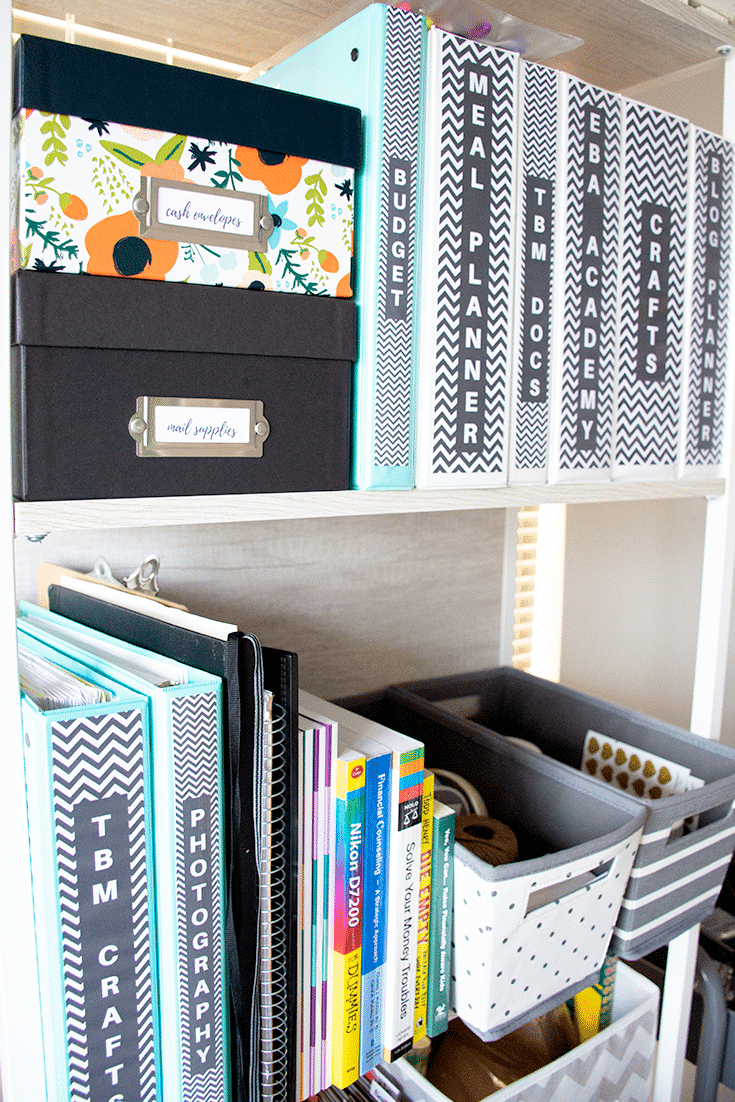
- Labels set rules. Words and icons tell people where things live.
Label with nouns, not verbs. Keys, mail, chargers. Keep it plain and short. I like a date label on hold bins. If the date passes, I decide fast.

Daily, Weekly, Monthly Checklists
A short list beats a long clean. These lists fit real life and help you master How to Organize Daily Clutter.
Daily five-minute reset
- Clear sinks and wipe main counters.
- Return remotes, chargers, and cups.
- Empty the car trash at the door bin.
Weekly 20-minute sweep
- Process mail and pay bills.
- Purge one hot spot bin.
- Wash entry mats and swap guest towels.
Monthly hour
- Audit bathroom and pantry dates.
- Clear two shelves or one drawer set.
- Donate one bag from closets or toys.
Set a timer. Stop when it rings. The win is the habit, not perfect rooms.
Time-Saving Micro Habits That Beat Clutter
Small moves stack up. They fight daily mess before it forms.
- The two-minute rule. If it takes under two minutes, do it now.
- The one-cup rule. One cup per person per day.
- The stairs basket. Items go up only when the basket is full.
- The car caddy. Keep wipes, bags, and a spare tote in the trunk.
- The Sunday stage. Pack bags and lunches the night before the week.
I teach clients to pair a habit with a cue. Wipe counters after coffee. Sort mail after dinner. It becomes muscle memory.
Digital Clutter and Paper Flow
How to Organize Daily Clutter also covers screens and paper. They pile up fast and feel heavy.
- Go paperless where you can. Scan and save to simple folders.
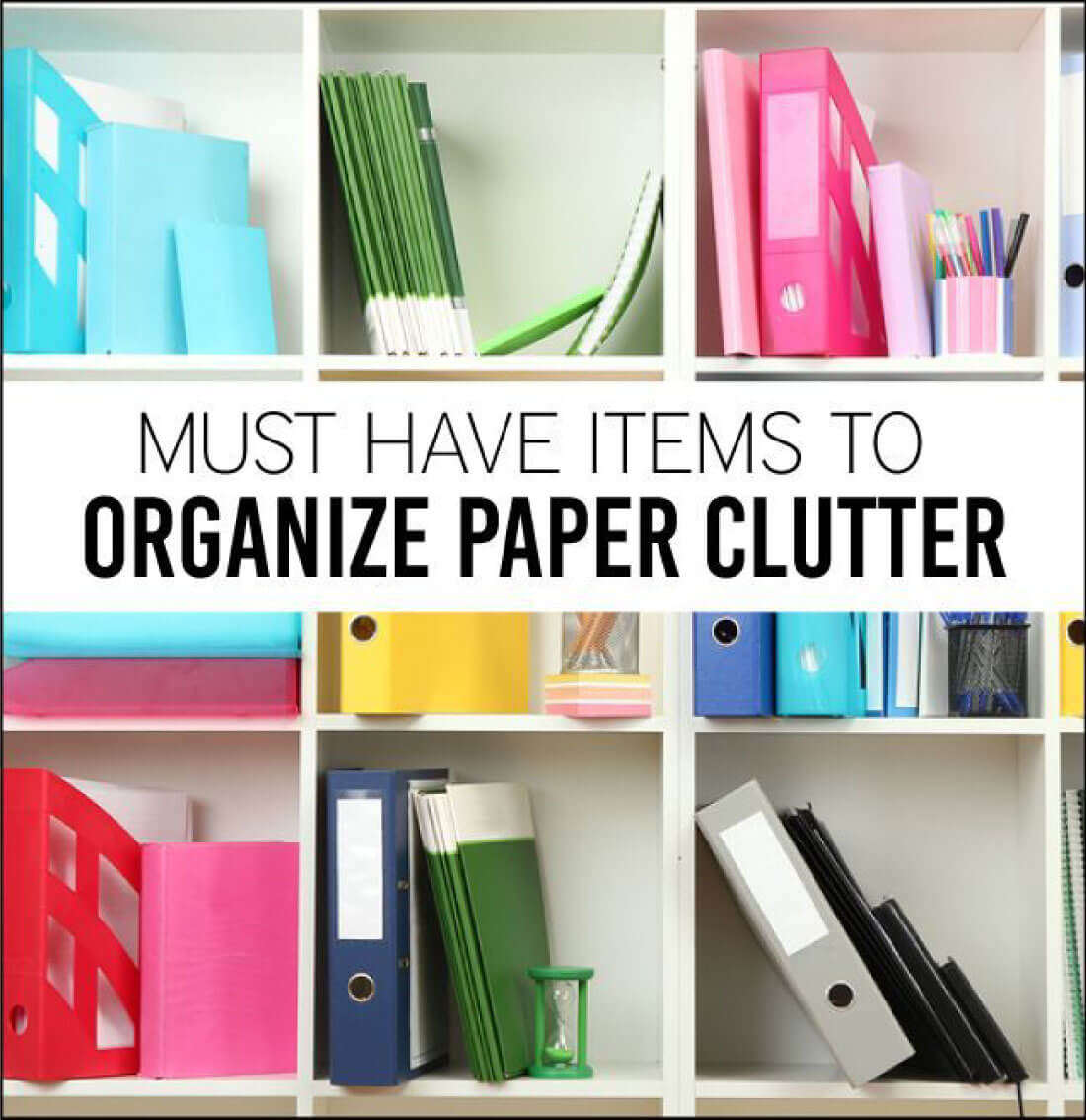
- Use a three-tier paper flow: to pay, to file, to toss.
- Unsubscribe from five promo emails per day.
- Rename files with date, client, and topic.
- Set a weekly 15-minute digital tidy.
Back up files. Use one cloud and one drive. Too many tools make new clutter.

Common Mistakes and How to Fix Them
I see the same traps in homes and offices. You can fix them fast and learn How to Organize Daily Clutter the right way.
- Buying bins first. Measure and plan zones before you shop.
- Hiding, not sorting. A bin of mixed items becomes a black hole.
- No limits. Set a cap per person for shoes, mugs, and bags.
- Over-labeling. Too many labels cause noise. Label only active zones.
- Waiting for a full day. Small steps daily beat rare big days.
Research shows that small wins raise follow-through. Start tiny. Five minutes is enough to keep flow.

Maintenance and Motivation: Make It Automatic
You want your space to stay clear on autopilot. Habit science helps you keep How to Organize Daily Clutter alive.
- Stack habits. Attach a tidy step to an existing routine.
- Use visible cues. Keep the tray where you drop keys.
- Track streaks. A simple checkmark can drive action.
- Share roles. Give each person one clear zone to own.
- Reward fast. Play a song or light a candle after resets.
Expect life spikes. Holidays and trips add stuff. Plan a reset day after big events. Grace beats guilt and keeps you moving.
Frequently Asked Questions of How to Organize Daily Clutter
What is the fastest way to start?
Pick one hot spot and set a five-minute timer. Clear, sort, and give items a home right there.
How do I keep family on board?
Make it easy and clear. Use simple labels, low bins, and one job per person.
Do I need fancy bins to organize?
No. Start with boxes and bowls you have. Upgrade only after zones prove useful.
How often should I declutter?
Do a daily five-minute reset and a weekly sweep. Add a monthly hour for deeper areas.
What if I get overwhelmed?
Shrink the task. One drawer or one surface is a win. Use a timer and stop on time.
Conclusion
Order grows from small, steady moves. You now know How to Organize Daily Clutter with zones, resets, limits, and habits. Start with one tray, one hook, and one five-minute sweep.
Pick a room and set your timer today. Share your win, ask a question, or subscribe for more bite-size tips. Your clear space is closer than you think.