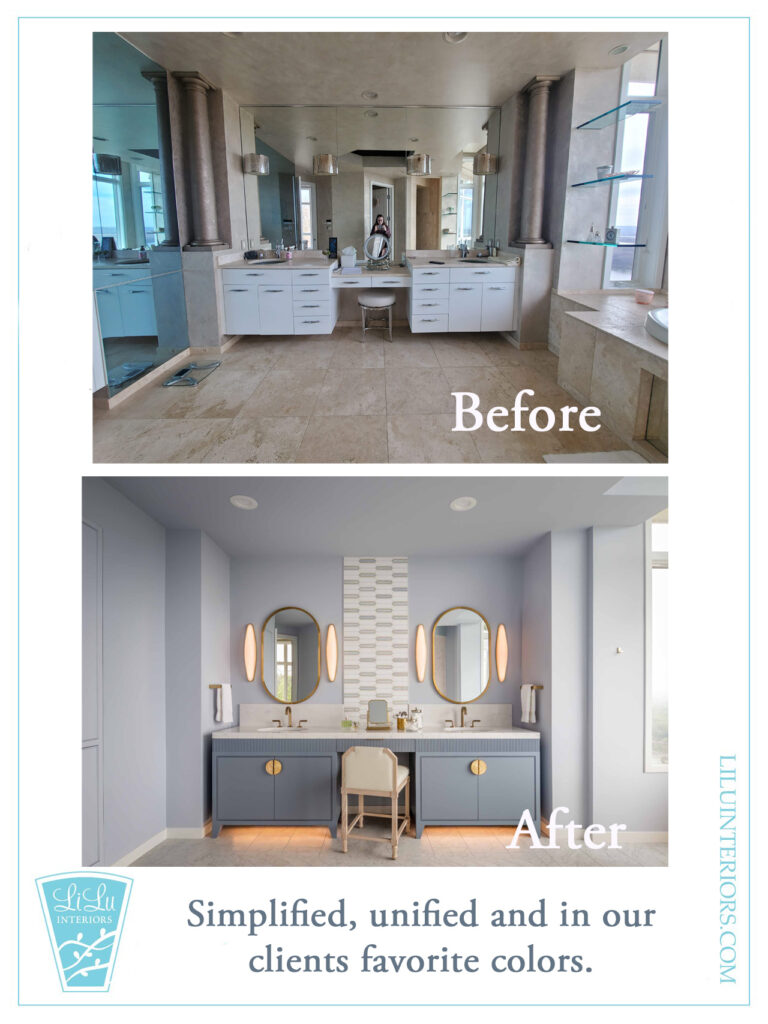
Blend function, flow, light, and personality to craft a home people love.
If you want to learn how to design a home everyone will admire, you’re in the right place. I’ve spent years helping clients turn rooms into warm, timeless spaces that feel natural and look special. This guide breaks down the full path from layout to lighting, color to styling, so you can master how to design a home everyone will admire without guesswork.

Start With a Vision, Not a Shopping List
Great homes start with a clear story. Before you buy, define how you live, host, and rest. List must-haves, deal-breakers, and the feeling you want when you walk in.
Build a mood board. Use a few words to steer it, like calm, bright, and grounded. Choose images for texture, light, and shape, not just furniture. Share it with anyone who lives with you.
I ask clients to pick three colors, three materials, and three feelings. It keeps the plan tight and personal. This step anchors how to design a home everyone will admire.

Plan the Layout for Flow and Real Life
Flow shapes comfort. Map where you move, sit, and gather. Leave clear paths and avoid tight corners. Think zones: entry, work, rest, dine, and play.
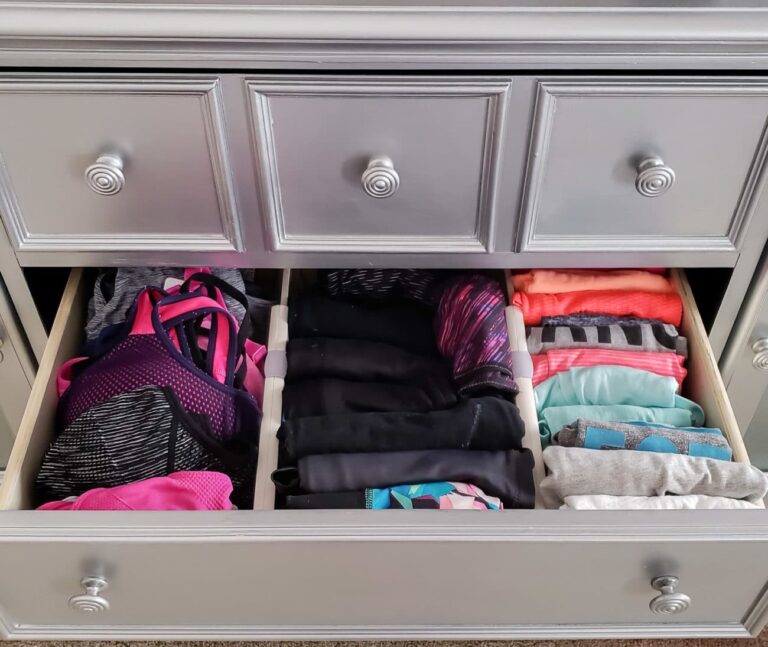
A simple test helps. Stand at the entry and trace the route to the sofa, kitchen, and bath. If you bump into things, the plan needs air. Add storage near each zone so clutter never travels.
I design around one strong focal point per room. It could be a view, a mantel, or art. Flow decides how to design a home everyone will admire.

Choose a Cohesive Palette and Honest Materials
Color guides mood. Use the 60-30-10 rule: main, support, and accents. Keep undertones in sync. Test paint on big swatches and watch them across the day.
Pick durable finishes. Mix warm woods, matte stone, and brushed metal. Aim for contrast, not conflict. If you have kids or pets, choose tight weaves and cleanable rugs.
I bring a sample kit to every site. If materials look good in your light, you are safe. A tight palette fuels how to design a home everyone will admire.
Light Like a Pro: Layer, Dim, and Glow
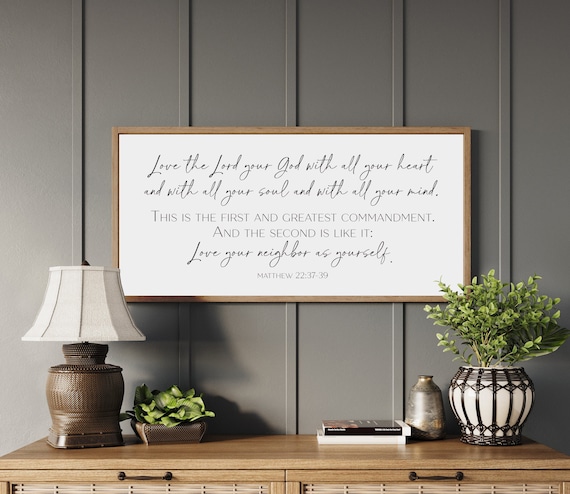
Good light brings rooms to life. Use three layers. Ambient to fill, task for work, and accent to add drama. Place dimmers so you can shift from day to night with ease.
Mind color temperature. Use 2700–3000K in living areas and bedrooms. Use 3500–4000K for kitchens and studies. Choose bulbs with CRI 90+ so colors read true.
Let daylight do the heavy lift. Sheers soften glare and keep views. Mirrors bounce light into dark corners. Great light shapes how to design a home everyone will admire.

Nail Scale, Proportion, and Comfort
Measure first. Buy later. A big sofa in a small room feels heavy. A tiny rug makes the room look lost. Leave at least 18 inches between sofa and coffee table.
Use these quick rules:
- Sofa plus chairs should form a U or L for talk.
- Hang art with its center at about 57 inches.
- Rugs should hold at least the front legs of seating.
- Keep 36 inches clear for main walkways.
Pick depth and seat height for comfort. Try pieces in person if you can. Right scale is core to how to design a home everyone will admire.

Layer Texture for Warmth and Soul
Texture adds life. Mix smooth with nubby, matte with sheen, cool with warm. Think linen next to leather, stone with wood, sisal with wool.
Keep layers simple and easy to swap. Use throws, pillows, and smaller rugs for seasons. Plants add movement and calm. Natural touches lower stress and noise.
When a room feels flat, add one rough, one soft, and one shiny element. Texture and comfort round out how to design a home everyone will admire.

Style With Intention: Art, Books, and Meaning
Make a home that tells your story. Group items in odd numbers. Vary height and shape. Leave space so the eye can rest.
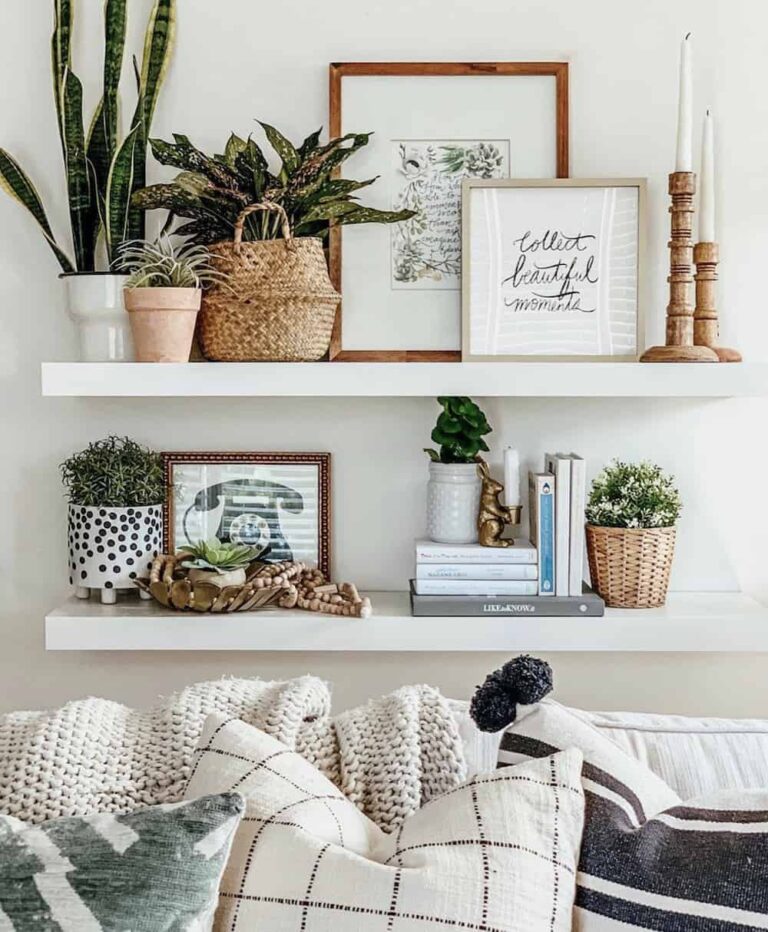
Build gallery walls with consistent spacing. Mix frames, but keep a theme in color or mat. Style shelves with books, bowls, art, and one wild card. Edit often.
I ask clients to pick five items that matter. We design around them. Your story completes how to design a home everyone will admire.

Curb Appeal and Exterior Harmony
People judge a home before they step in. Start at the street. Update house numbers, mailbox, and door hardware. Add a large, simple mat and fresh pots with green.
Pick exterior paint that suits your light and neighborhood. Test swatches on different sides of the house. Light fixtures should match in finish and scale.
Keep the path clear and lit. Add plants for height, color, and year-round shape. Curb appeal belongs in how to design a home everyone will admire.

Healthy, Sustainable, and Smart Choices
Choose low-VOC paint and sealers. Vent well. Use a MERV 11 or higher filter. Add rugs and soft walls to cut echo and stress.
Save energy with LEDs, smart dimmers, and good insulation. Pick water-saving fixtures. If you can, plan for solar and EV charging.
Tech should serve you, not the other way around. Start small with a hub, smart bulbs, and sensors. Wellness and green choices guide how to design a home everyone will admire.
Budget, Timeline, and Vendor Management
Make a clear budget with a 10–20% cushion. Rank items as must-have, nice-to-have, and later. Spend on sofas, rugs, and lighting. Save on side tables and decor.
Plan in phases. Order long-lead items first. Track every order with dates and costs. Get three quotes for trades. Ask for proof of license and insurance.
Use simple, clear scopes of work. Do a punch list at the end. Smart planning funds how to design a home everyone will admire.
Common Mistakes to Avoid
Do not paint first. Choose paint last, after fabrics and rugs. Skip matchy sets. Mix styles and eras for depth.
Do not ignore light and scale. Avoid tiny rugs. Measure your doors and halls before you buy. Test samples in your light. Give each room a focal point.
I once replaced a brand-new sofa that could not fit through the stair turn. We measured the room, not the route. Avoiding these traps is part of how to design a home everyone will admire.
A Quick Room-by-Room Guide
Entries
- Add a bench, hooks, and a tray for keys.
- Use a runner and a mirror to stretch space.
Living rooms
- Face seating toward a view or feature.
- Add task lights near chairs and sofa arms.
Kitchens
- Use zones for prep, cook, and clean.
- Add under-cabinet lights and deep drawers.
Bedrooms
- Keep warm light and blackout shades.
- Use closed storage to keep calm.
Bathrooms
- Favor wall sconces at face level.
- Add niches and hooks to reduce clutter.
Outdoors
- Create shade, add a rug, and warm light.
- Choose weather-proof fabrics and planters.
Room focus helps with how to design a home everyone will admire.
Frequently Asked Questions of How to Design a Home Everyone Will Admire
What is the first step if I feel overwhelmed?
Start with a vision board and three words that define your goal. Then list your must-haves and one room to finish first.
How do I pick a color palette that won’t date fast?
Use a calm base of neutrals and add color with art and textiles. Keep undertones in sync and test large swatches in natural light.
How can I design on a tight budget?
Spend on items you touch daily like a sofa, mattress, and lighting. Save by shopping vintage, refinishing, and phasing decor over time.
How long does a full-room design usually take?
With lead times, most rooms take 8–16 weeks from plan to install. Custom pieces or construction can add a few months.
Can I mix modern and traditional styles without clashing?
Yes. Connect them with a shared palette and repeated finishes. Balance sleek lines with one or two detailed pieces.
What rug size works best for a living room?
Pick a rug that holds at least the front legs of all seating. In large rooms, go bigger so the seating reads as one zone.
Do smart home devices really help design?
They help set mood and save energy. Start with smart bulbs and dimmers for instant impact.
Conclusion
A home that turns heads starts with a clear story, a smart plan, and kind details. Focus on flow, light, scale, and texture. Add your voice with art and honest materials. Then edit, test, and let the space breathe.
You now know how to design a home everyone will admire with calm steps and bold results. Start with one room this week. Share your progress, ask a question, or subscribe for more guides and checklists.