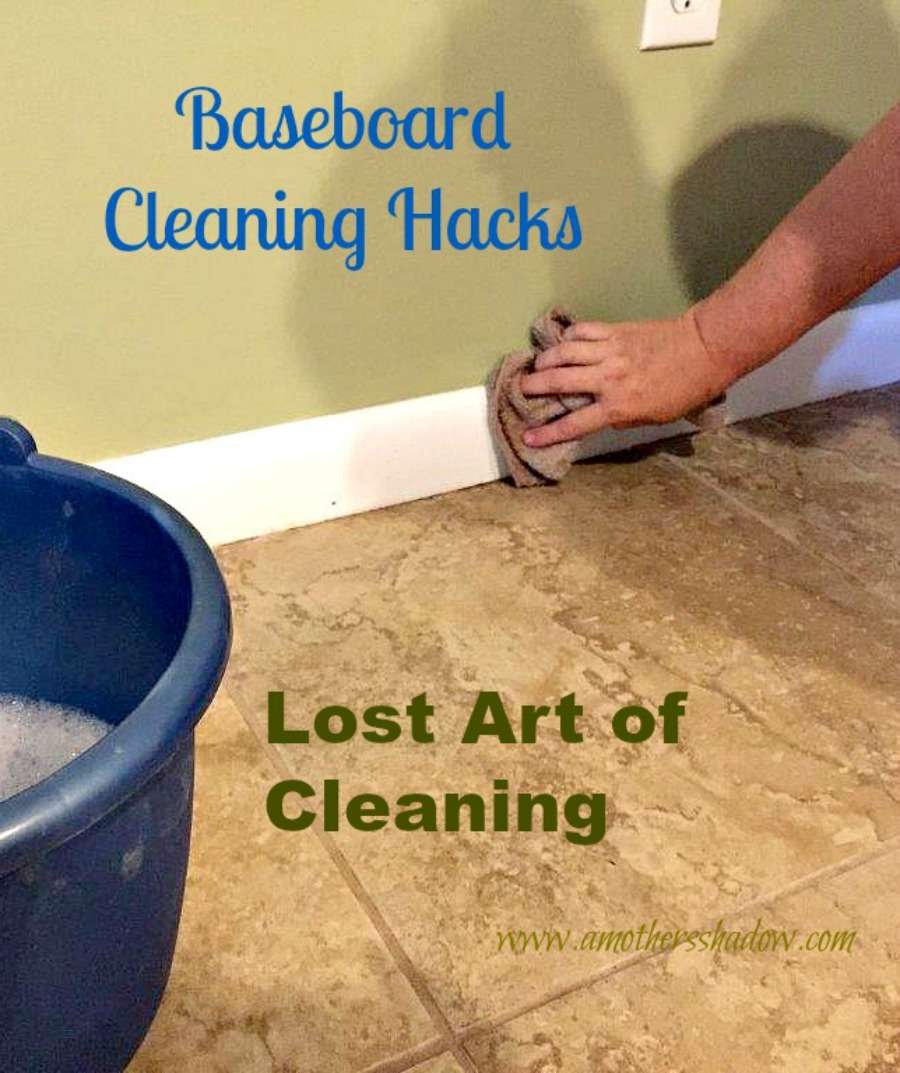
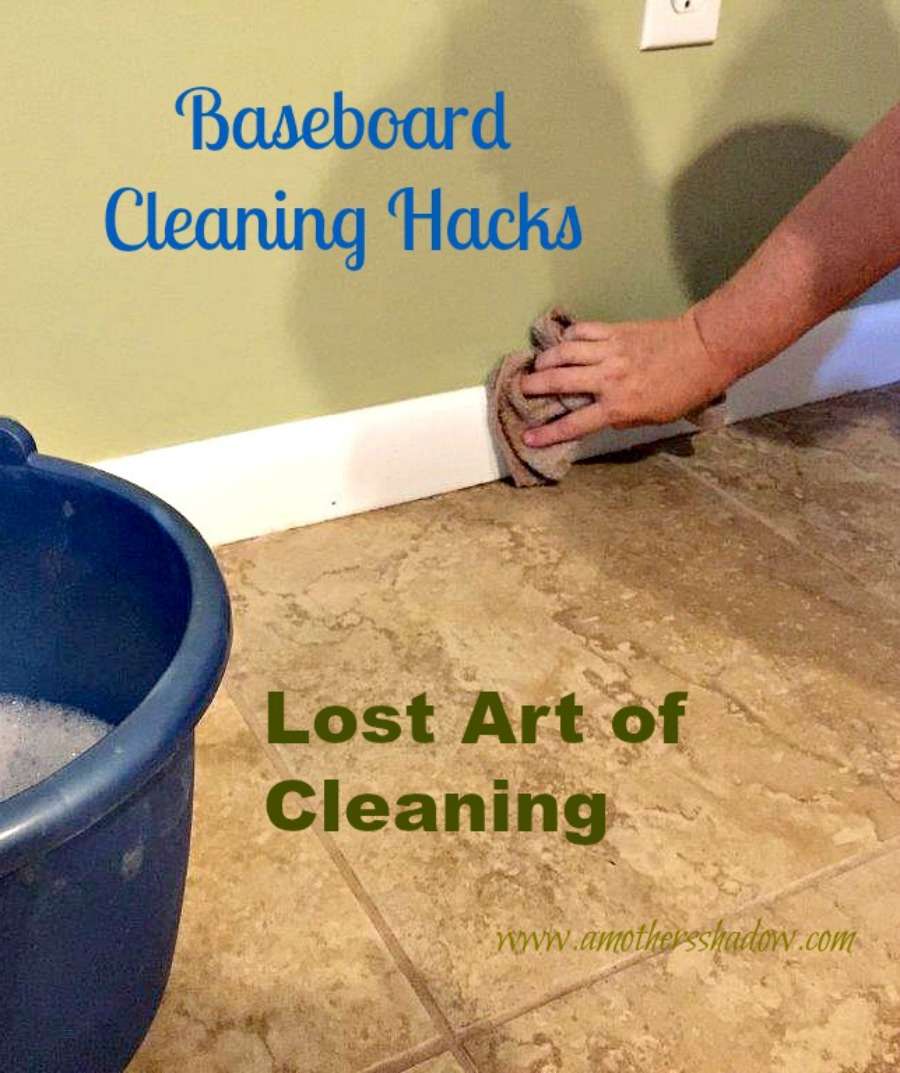
Vacuum loose dust, wipe with warm soapy water, detail edges, dry, and protect.
If you came here to learn how to clean baseboards like a pro, you’re in the right place. I’ve cleaned hundreds of homes and learned what works on every trim style and finish. Below, I share simple steps, pro tools, and real-world tricks so you can master how to clean baseboards fast, safely, and with lasting results.

Why Baseboards Get Dirty (And Why It Matters)
Baseboards sit where dust settles and where shoes, mops, and pet tails hit. That means they collect grime fast. When they look dull, the whole room feels tired, even after you mop.
Here is why they trap dirt:
- Static draws dust to painted trim.
- Foot traffic causes scuffs and shoe marks.
- Mopping can splash dirty water onto the ledge.
- Kitchens and baths add grease and moisture.
Clean trim frames every wall. When you know how to clean baseboards well, the space looks brighter, sharper, and cleaner overall.

Supplies You Need to Clean Baseboards
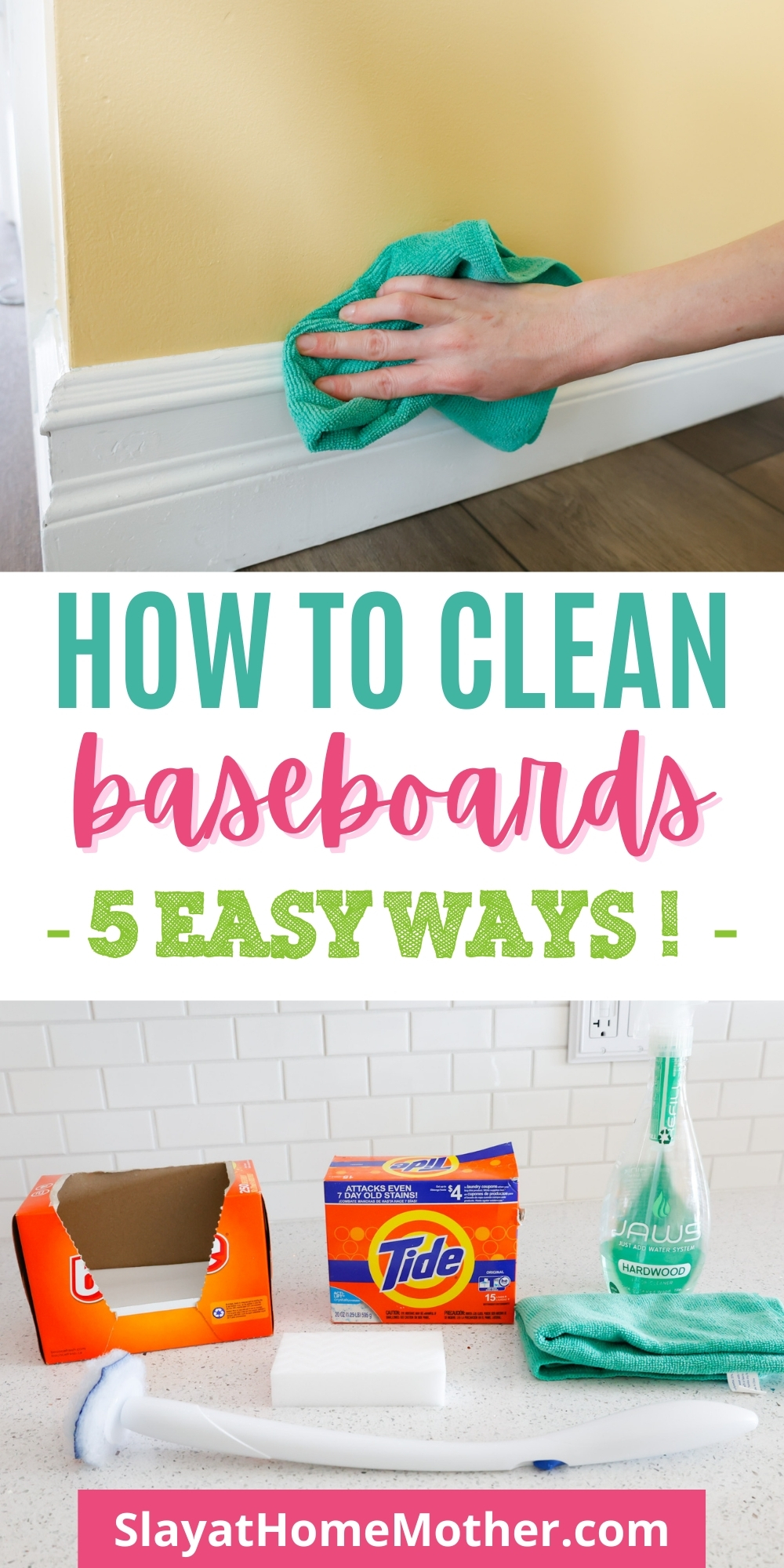
A few smart tools make the work faster and safer. I keep a small caddy ready so I can clean as I go.
- Vacuum with a soft brush attachment
- Microfiber cloths and a flat mop with a microfiber pad
- Mild dish soap or castile soap
- Warm water in a bucket or spray bottle
- Melamine foam pads for scuffs
- Old toothbrush and cotton swabs for grooves and corners
- Putty knife wrapped in a microfiber cloth for edges
- Wood-safe polish or conditioner for sealed wood
- Painter’s tape to protect carpet lines
- White vinegar for grease on painted surfaces only
- Hydrogen peroxide for mildew on sealed, light-colored paint
- Kneepads or a low stool for comfort
Always test any cleaner on a hidden spot first. Follow paint and flooring maker guidance to protect finishes.

How to Clean Baseboards: Step-by-Step
If you want a quick win and want to know exactly how to clean baseboards, follow these steps. This method works on most painted trim and sealed wood.
-
Dry dust first
- Vacuum the top edge and front face with a brush tool.
- Run a dry microfiber pad along the length to pick up stragglers.
-
Mix a gentle cleaner
- Add a small drop of mild soap to warm water.
- Lightly dampen the cloth. Do not soak it.
-
Wipe the face and top edge
- Work in short sections.
- Rinse the cloth often so you do not smear dirt.
-
Detail the grooves
- Use a toothbrush or cotton swabs in ridges and corners.
- For edges, slide a cloth-wrapped putty knife along the trim.
-
Remove scuffs and marks
- Use a melamine pad with light pressure.
- Keep it damp and gentle to avoid dulling the paint.
-
Dry and buff
- Wipe dry with a clean microfiber to prevent water marks.
- This helps stop dust from sticking right away.
-
Optional: Protect the finish
- For painted trim, a tiny amount of diluted soap left behind can reduce static.
- For sealed wood, apply a wood-safe conditioner sparingly and buff dry.
Pro time-saver from my kit: clip a microfiber pad to a flat mop and clean long runs without kneeling. When asked how to clean baseboards fast for showings, this is the method I use.
Methods by Material and Finish
Not all trim is the same. If you want to master how to clean baseboards without damage, match the cleaner to the surface.
Painted wood or MDF (semi-gloss or satin)
- Use warm water with mild soap.
- Tackle grease with a little vinegar in water, then rinse with plain water.
- Avoid strong degreasers that can dull sheen.
Stained and sealed wood
- Skip vinegar and harsh cleaners.
- Use a wood-safe cleaner and a barely damp cloth.
- Dry at once and condition sparingly to keep luster.
Unpainted or unsealed wood
- Dust only or use a slightly damp cloth.
- Do not saturate, as water can raise the grain or warp the wood.
MDF
- MDF swells with water.
- Use a nearly dry cloth and quick passes.
- Never soak corners, seams, or nail holes.
Vinyl or PVC trim
- Mild soap and water works well.
- For scuffs, use a gentle melamine pad.
- Rinse and dry to prevent residue.
Tile or stone baseboards
- Use a pH-neutral stone cleaner.
- Do not use vinegar on natural stone.
- Wipe grout lines with a soft brush and dry to avoid haze.
This material-first approach is key to how to clean baseboards the right way, every time.
Deep Cleaning, Stain Removal, and Damage Repair
Sometimes a quick wipe is not enough. Here is how to clean baseboards when you face tough messes.
-
Scuffs and shoe marks
Use a damp melamine pad with light strokes. Buff with a microfiber after to restore sheen. -
Crayon, marker, or sticky residue
Start with warm, soapy water. For stubborn spots, try a small amount of mineral spirits on painted wood, then rinse and dry. -
Grease near the kitchen
Use a few drops of dish soap in warm water. For painted trim, a brief vinegar rinse works, then follow with plain water and a dry cloth. -
Mildew in bathrooms
Ventilate well. Dab hydrogen peroxide on the spot, wait a few minutes, wipe, then dry. Test first to avoid lightening dark paint. -
Gaps and chips
Caulk small gaps along the wall line. For chips, sand lightly, prime if needed, and touch up with matching trim paint.
These steps reflect field-tested ways on how to clean baseboards beyond simple dusting, while keeping finishes safe.
Preventive Care and Quick Maintenance
The best secret for how to clean baseboards is to make it easy to keep up.
- Dust weekly with a dry microfiber pad while vacuuming floors.
- Wipe with soapy water every one to three months, based on traffic.
- After mopping, run a dry cloth along the top edge to catch splashes.
- Use a robot vacuum with an edge brush to reduce buildup.
- Seal joints with paintable caulk to block dust-catching gaps.
- Store a small kit with a pad, soap spray, and cloth so touch-ups take two minutes.
I learned that short, regular care beats rare, heavy scrubs. It saves time and keeps paint fresh.
:max_bytes(150000):strip_icc()/GettyImages-1363124685-b3b8a87809154194bbca8afcbc51e3c0.jpg)
Safety, Green Options, and Common Mistakes
Cleaning is simple, yet there are pitfalls. Here is how to clean baseboards safely and well.
Safety
- Ventilate when using any cleaner.
- Wear gloves if you have sensitive skin.
- Never mix bleach and ammonia products.
- Keep water away from outlets and cable plates.
Greener choices
- Use castile soap and warm water for most jobs.
- Choose microfiber for dusting to cut disposable wipes.
- Spot-treat stains before reaching for harsher products.
Common mistakes to avoid
- Too much water on MDF or wood causes swelling or peeling.
- Scrubbing hard with melamine can burnish or dull paint.
- Oily polishes attract dust and make future repainting harder.
- Skipping a dry buff leaves streaks that show in sunlight.
Being careful pays off. These guardrails are part of how to clean baseboards like a pro and keep them looking new.
Frequently Asked Questions of How to Clean Baseboards
How often should I clean baseboards?
Dust them weekly and wipe them every one to three months. Busy entryways and kitchens may need monthly wipes.
What is the fastest way to clean baseboards without kneeling?
Use a flat mop with a microfiber pad. Mist it with soapy water, glide along the trim, then do a quick dry pass.
Can I use vinegar to clean baseboards?
Use vinegar only on painted trim to cut light grease, then rinse. Do not use it on natural stone or unfinished wood.
How do I clean baseboards with carpet without getting it wet?
Lay painter’s tape on the carpet edge to shield fibers. Wipe the trim with a lightly damp cloth and dry right away.
What removes scuff marks without ruining paint?
A damp melamine pad works with light pressure. Test first and buff with a microfiber cloth after.
How do I clean baseboards before painting?
Wash with warm, soapy water, then rinse and dry. Lightly sand glossy spots, dust off, and prime where needed.
Conclusion
You now have a simple, proven plan for spotless trim. Start with dry dusting, wipe with gentle soap, detail the edges, and dry for a crisp finish. Match your method to the material, avoid excess water, and make small, regular touch-ups.
Put these tips to work on one room today, then set a quick monthly routine. If you found this guide on how to clean baseboards helpful, subscribe for more easy home-care wins, or leave a comment with your favorite trick.