Empty the drawer, sort by use, add dividers, label, and maintain.
If you have ever wondered how to organize a drawer without stress, you are in the right place. I have set up hundreds of drawers in homes and offices, and I know what works in real life. In this guide, I will show you how to organize a drawer step by step, with simple tools and steady habits that last.

Why Drawer Organization Matters
A tidy drawer saves time and lowers stress. You grab what you need fast, and you stop buying duplicates. It also protects items from wear and tear.
A clear layout helps everyone in the home or office. When each tool has a home, anyone can find it. Good order builds small wins that keep the space calm.
If you search how to organize a drawer for the long term, think beyond shape. Focus on use, flow, and maintenance. That is how you build a drawer you can keep neat.
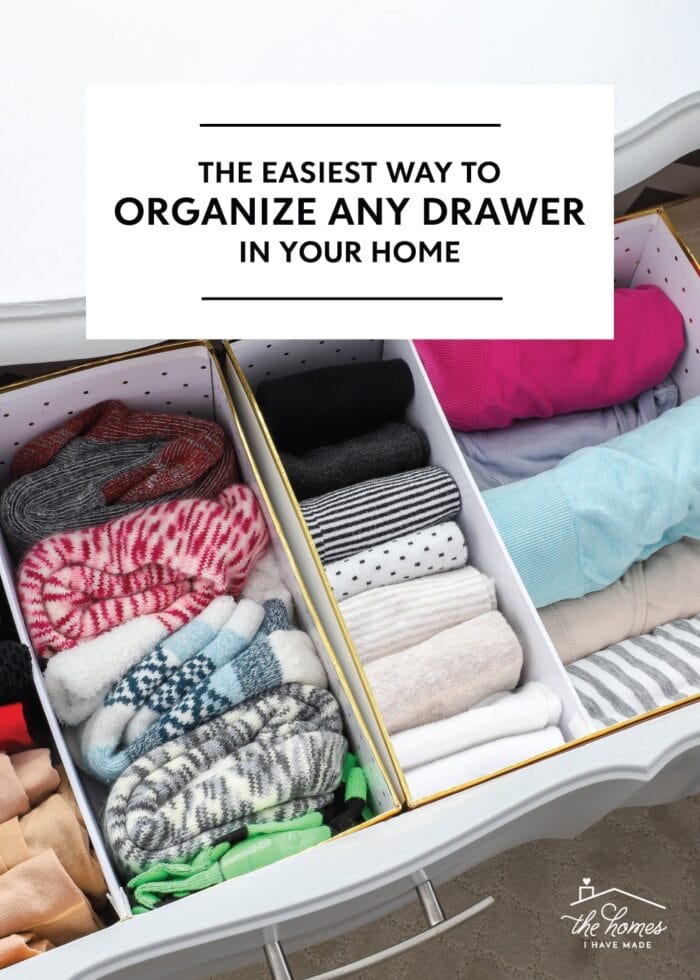
Tools and Supplies You Will Need
You do not need fancy gear to start. Begin with what you have, then add what fits.
- Measuring tape to get the inside length, width, and height
- Drawer liner to stop sliding and protect the base
- Adjustable dividers for custom zones
- Small bins or trays to group tiny items
- Zip bags or pouches for loose parts
- Label maker, painter’s tape, or sticky notes for clear names
- A small brush and cloth to clean the drawer
If you aim to learn how to organize a drawer on a budget, repurpose food containers, gift boxes, or ramekins. They work well for clips, keys, and makeup.
Step-by-Step: How to Organize a Drawer
Follow this simple path. It works for any drawer.
-
Define the job
Decide what the drawer will hold. If its job is not clear, it will become a junk spot fast. -
Empty and clean
Take out all items. Wipe the base and sides. Add liner if the surface is slick. -
Sort and edit
Make quick piles: keep, relocate, donate, recycle, toss. Keep only what fits the job. -
Measure the space
Write the inner size. This stops the common error of buying wrong-sized bins. -
Plan your zones
Sketch the layout or place sticky notes inside the drawer. Put daily-use items up front. -
Choose organizers
Use adjustable dividers and small trays that match your plan. Keep walls snug to prevent drift. -
Contain and label
Group like with like. Label the front of each zone. Labels make the order stick. -
Load by frequency
Put the most used tools front and center. Store rare items at the back or in a higher drawer. -
Test and tweak
Open and close the drawer a few times. If items shift, add liner or adjust a divider. -
Maintain a reset
Do a 60-second reset at the end of the day. This one habit keeps the system fresh.
This is the core of how to organize a drawer in any room. In my work, the 60-second reset is the game changer. It is small, quick, and it works.
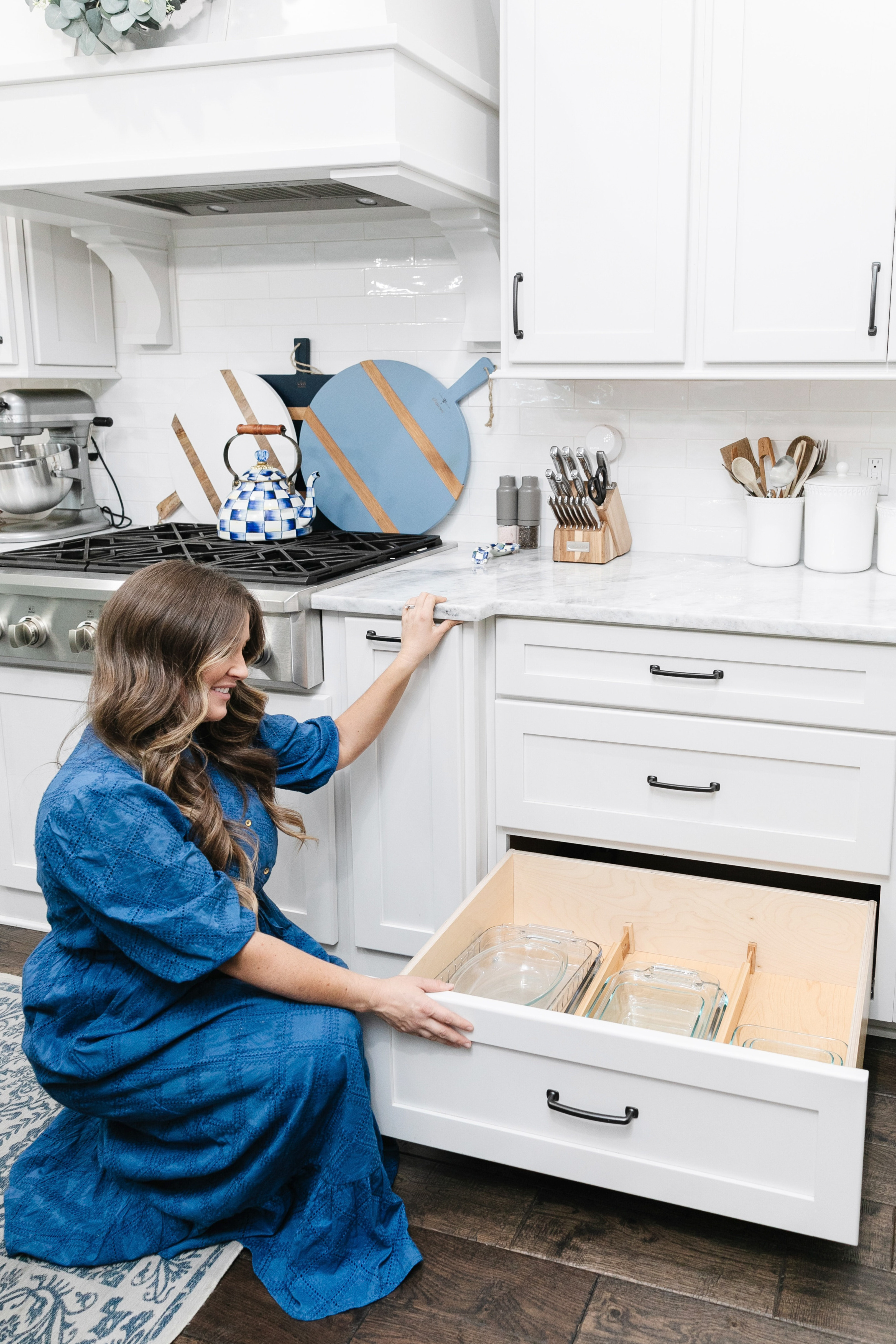
Layout Strategies for Different Drawers
Every drawer type has a best pattern. Use these quick maps.
Kitchen utensil drawer
- Put spatulas, tongs, and spoons in long zones.
- Keep sharp tools in a tray or sheath for safety.
- Store daily tools near the front, baking tools in back.
Utility or junk drawer
- Rename it the utility drawer.
- Set micro-zones for batteries, tape, pens, and keys.
- Use small cups for coins and tiny parts. Add clear labels.
Bathroom vanity drawer
- Group by routine: morning, night, hair, dental.
- Use leak-proof bins for liquids.
- Keep hot tools on one side to avoid cord tangles.
Desk drawer
- Make zones for write, clip, tech, and mail.
- Stand sticky notes and envelopes on edge to save space.
- Keep a charge cable in a clip so it does not slip.
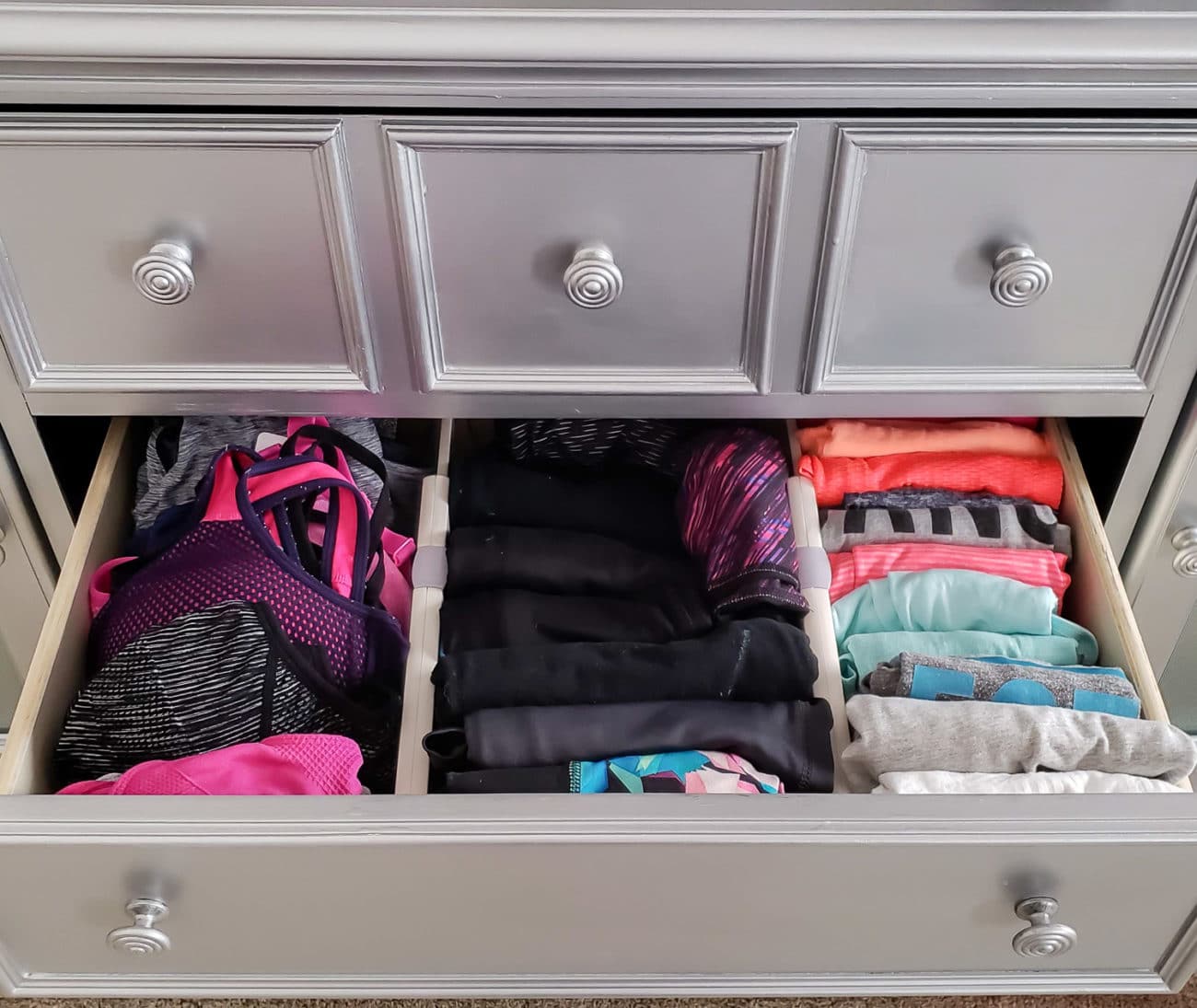
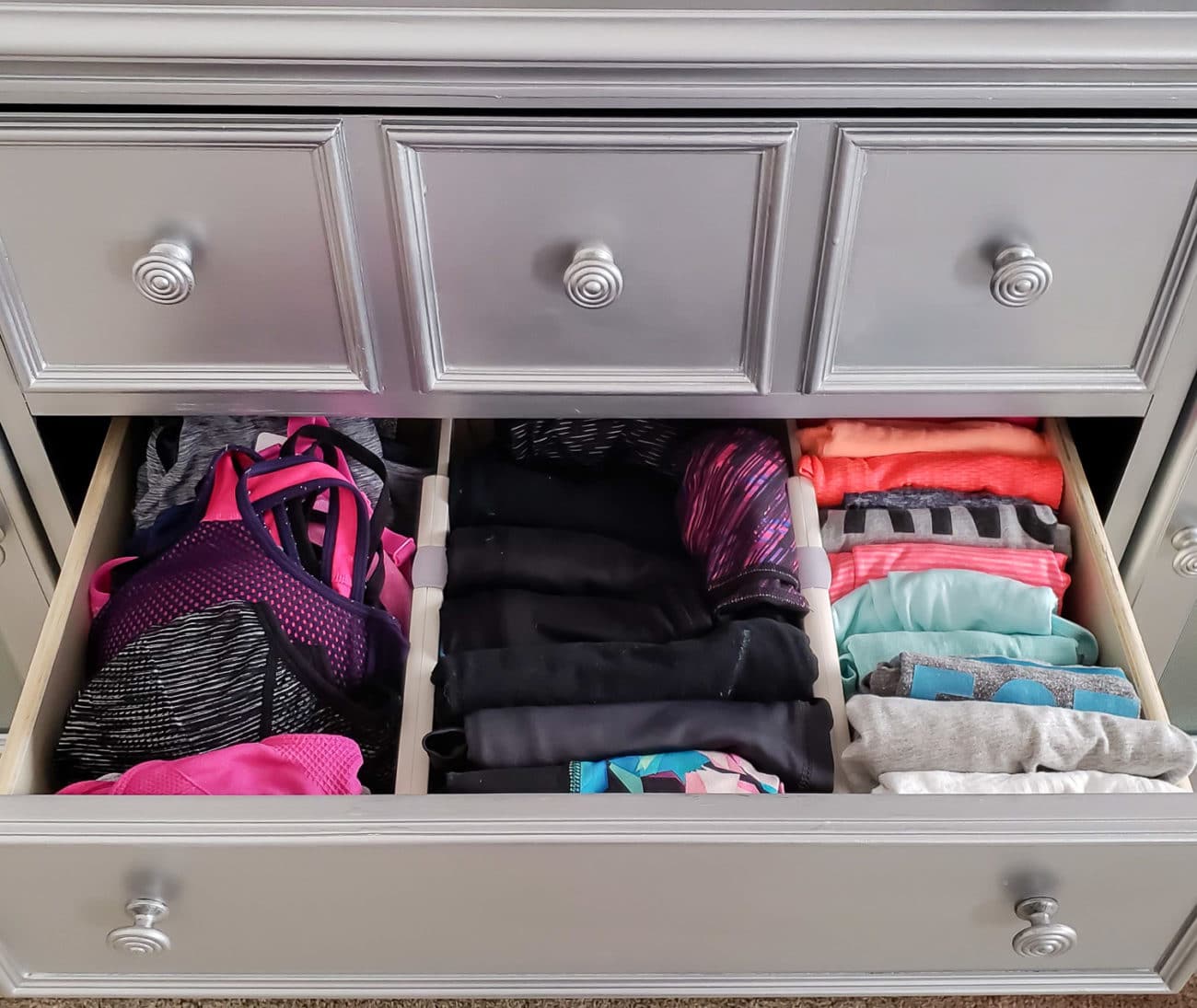
Dresser drawer
- File-fold shirts and socks so you can see each item.
- Use thin dividers to keep stacks from falling over.
- Keep lounge wear at the front, formal wear in back.
These simple maps show how to organize a drawer for each area without waste. Test one idea at a time. Keep what works and drop the rest.
/organize-a-junk-drawer-half-hour-2648365_01-c9f528d665194df9bc0c4ce075e290f9.jpg)
Maintenance and Habits
Good habits keep your work from sliding.
- Daily reset for one minute to return items to their homes
- Weekly sweep to remove drift and toss trash
- One-in, one-out rule to control volume
- Seasonal review to match life changes
- Family or team brief so others know the system
If you teach others how to organize a drawer, point to the labels. Labels are small signs that guide action and memory.

Common Mistakes and How to Fix Them
Many people face the same traps. Here is how to avoid them.
-
Buying bins first
You end up with poor fits. Measure the drawer and plan zones before you shop. -
Overfilling
Full drawers jam fast. Leave 10 to 15 percent free for smooth use. -
Stacking piles
Stacks hide items. Use file folding and vertical storage instead. -
Mixing jobs
One drawer should have one clear job. Split mixed items into the right homes. -
Skipping labels
If it is not named, it will drift. Labels make it easy for everyone to follow.
When clients ask how to organize a drawer that always gets messy, I look for one root issue. It is almost always unclear job or no label. Fix those first.

Space-Saving Methods and Smart Hacks
Small tweaks make a big impact.
- Use vertical file folding for clothes and napkins
- Add a tray under a tray if height allows
- Clip cords to the front edge with binder clips
- Use tension dividers to flex with changing content
- Line with non-slip liner to stop movement
- Color-code labels for fast scanning
- Repurpose candle jars and tins for small items
If you are still learning how to organize a drawer in a tiny home, aim for thin walls and flexible dividers. You gain space with every millimeter saved.

Frequently Asked Questions of How to Organize a Drawer
How often should I redo a drawer?
Do a quick check weekly and a deeper edit each season. Small, steady care beats a big overhaul.
What is the best way to keep items from sliding?
Use a non-slip liner and snug dividers. Test by opening and closing the drawer a few times.
How do I organize a junk drawer that holds everything?
Give it one job as a utility drawer with clear zones. Limit categories to essentials like tools, tape, and batteries.
Should I label inside a home drawer?
Yes. Labels guide you and others to return items to the right spot. They also make resets fast.
How can I organize a deep drawer?
Build layers with low trays and a taller bin at the back. Store light, daily items up front and heavy or rare items in back.
What if I rent and cannot modify the cabinet?
Use removable liners and tension dividers. They protect the drawer and leave no marks.
How do I teach kids to keep drawers neat?
Use picture labels and simple zones. Show them a 30-second reset and make it a game.
Conclusion
You now know how to organize a drawer from start to finish. Empty, sort, measure, zone, contain, label, and maintain. These steps work in the kitchen, bath, office, and closet.
Start with one drawer today. Set a timer for 15 minutes and try the 60-second reset for a week. Share your win, ask a question, or subscribe for more guides that make space work for you.