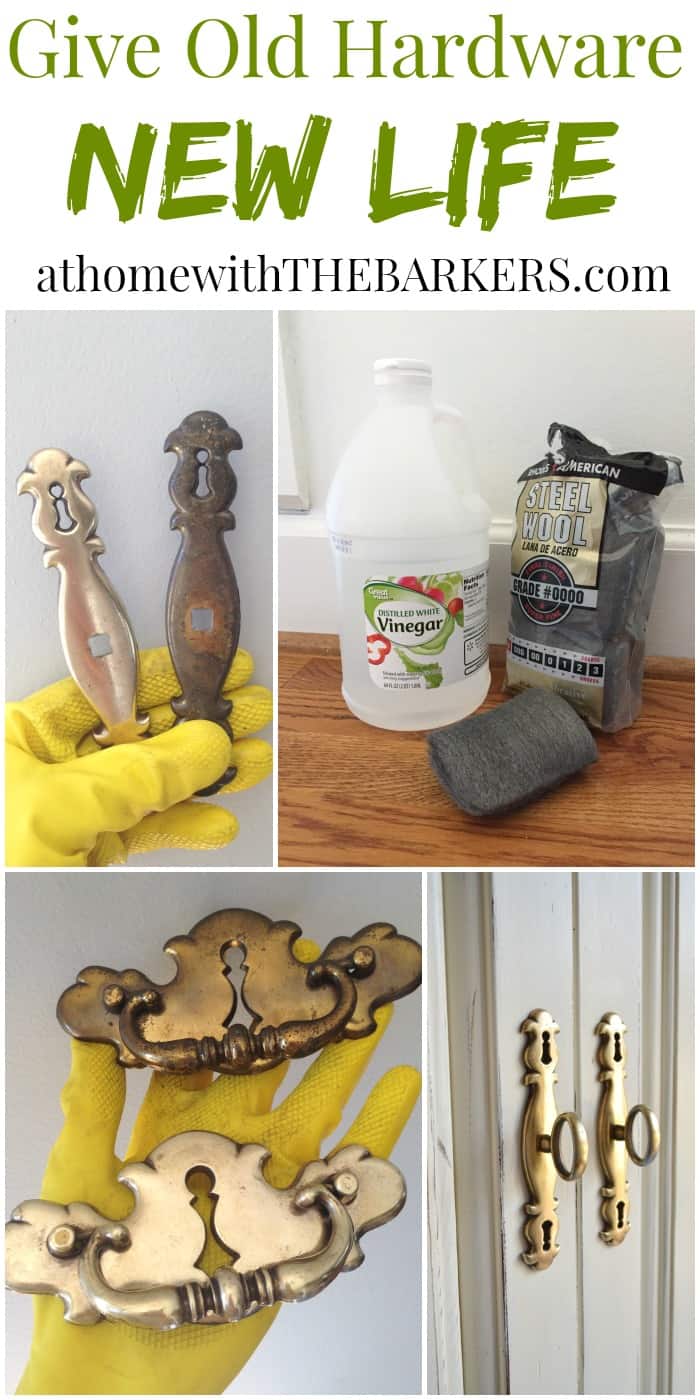
Soak hardware, scrub gently, rinse, dry, then polish and protect the finish.
If you want to learn how to clean old cabinet hardware the right way, you are in the right place. I restore homes and furniture, and I have cleaned hundreds of knobs, pulls, and hinges. Below, I share proven steps, safe products, and pro tips. You will learn how to clean old cabinet hardware by finish, avoid damage, and get a durable shine that lasts.

Understand Your Hardware: Metal, Finish, and Age
Before you plan how to clean old cabinet hardware, you need to know what it is. Solid brass, brass-plated steel, chrome, nickel, stainless steel, bronze, and painted hardware all need different care.
How to identify common types:
- Use a magnet. If it sticks, you likely have steel under a thin plated finish.
- Look at edges and screw holes. Flaking or a yellow tint may show brass plating over steel.
- Check for lacquer. Many older brass knobs have a clear coat. It can yellow, crack, or peel.
- Note patina. Dark brown or green on brass or bronze can be a natural, valued finish.
Why it matters:
- Abrasives can cut through plating fast.
- Ammonia can etch brass and nickel.
- Strong acids strip patina and can harm threads.
If the hardware is very old, handle with care. Some vintage brass alloys may contain traces of lead. Avoid dry sanding. Wear gloves when needed.
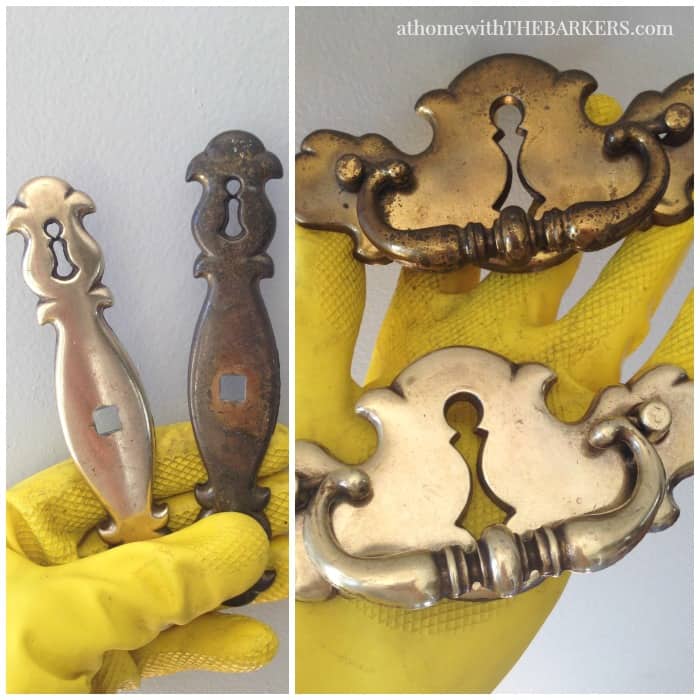
Tools and Supplies You Will Need
Gather your kit before you start how to clean old cabinet hardware. Simple tools will do most jobs.
Basic cleaning tools:
- Soft toothbrush and microfiber cloths
- Mild dish soap and warm water
- Plastic basin and zip bags
- Cotton swabs and wooden toothpicks
For deeper cleaning:
- Baking soda and white vinegar
- Lemon juice and salt for brass
- Non-abrasive metal polish matched to finish
- Mineral oil, paste wax, or microcrystalline wax
- Painter’s tape for protecting areas
- Fine brass brush for rusted steel screws
Safety and care:
- Nitrile gloves
- Eye protection
- Ventilation if using polish or solvents
Tip from the field: Label every screw and hinge leaf as you remove them. A small parts tray or egg carton prevents mix-ups.

Step-by-Step: How To Clean Old Cabinet Hardware The Safe Way
This is my go-to sequence for how to clean old cabinet hardware without damage.
Remove and prep:
- Photograph each door and drawer for reference.
- Remove knobs, pulls, backplates, and hinges. Bag parts by door or drawer.
- Plug screw holes with painter’s tape so doors stay aligned.
Wash and assess:
- Mix a few drops of dish soap in warm water.
- Soak hardware for 10 to 15 minutes to lift grease.
- Brush with a soft toothbrush. Rinse and dry well.
- Inspect for plating wear, cracks, or rust.
Treat stains and build-up:
- Use cotton swabs with a bit of polish on spots.
- Avoid steel wool on plated items. It can strip the finish.
Polish and protect:
- Apply a metal polish suited to your finish. Work in small areas.
- Buff with a clean cloth until dry and bright.
- Add a thin wax coat to seal and slow tarnish.
Reinstall:
- Hand-tighten screws. Do not overtighten. It can crack old wood or strip threads.
- Check alignment and smooth door swing.
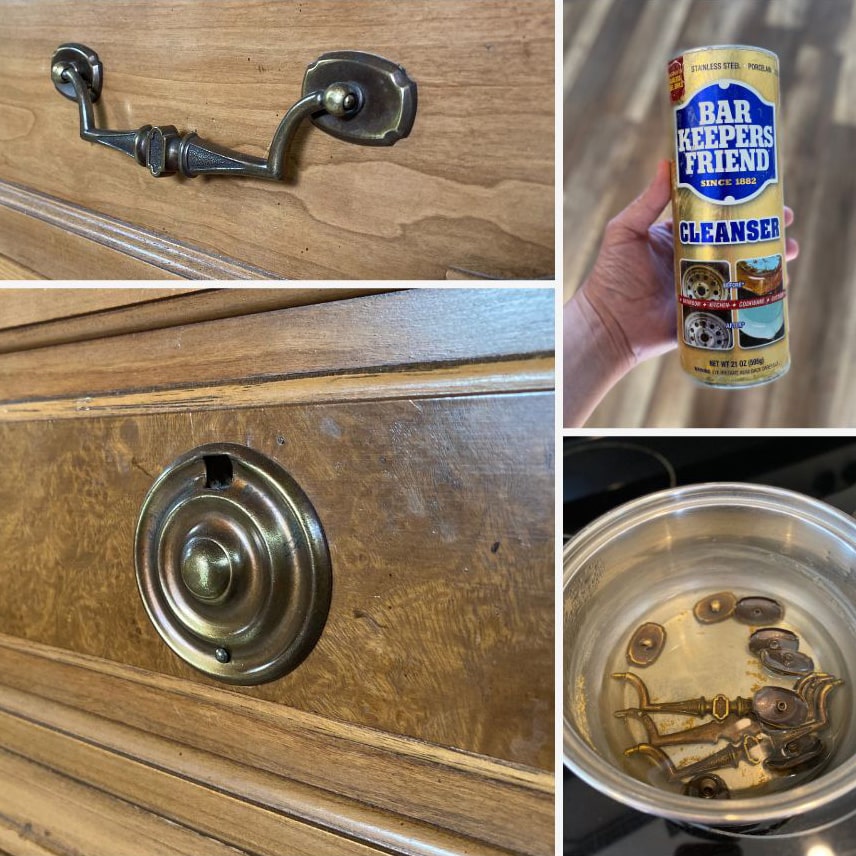
Source: arayofsunlight.com
Deep Cleaning Methods By Finish
Different finishes call for different steps. This is where many mistakes happen when people try how to clean old cabinet hardware.
Solid Brass, Unlacquered
- Try a paste of lemon juice and baking soda or salt. Rub gently, then rinse.
- For heavy tarnish, use a brass polish. Follow label directions.
- Protect with microcrystalline wax. It keeps shine longer.
Brass-Plated Steel
- Do not use acids or abrasives. The plating is thin.
- Clean with mild soap and water, then use a gentle all-metal polish.
- If plating is gone, consider spray refinishing or replacement.
Nickel and Satin Nickel
- Wash with soap and water. Avoid ammonia and bleach.
- For spots, use a nickel-safe polish. Buff lightly to keep the satin look.
- Wipe dry after each cleaning to prevent water marks.
Chrome
- Soap and water handle most grime.
- For hard water spots, use a 50:50 vinegar and water wipe. Rinse well.
- Stubborn spots respond to a chrome polish. Finish with wax.
Stainless Steel
- Clean along the grain with a mild dish soap solution.
- Remove rust tea-staining with a paste of baking soda and water.
- Add a light oil or stainless cleaner for a uniform sheen.
Oil-Rubbed Bronze and Antique Bronze
- Do not polish, as you can lift the living finish.
- Clean with mild soap and water. Dry right away.
- Maintain with a dab of mineral oil. Wipe off excess.
Painted or Enamel Hardware
- Use only mild soap and water.
- Avoid solvents and abrasives. They can lift paint.
- Touch up chips with matching enamel if needed.

Source: youtube.com
Removing Rust, Corrosion, and Old Paint
When you start how to clean old cabinet hardware, you may find rusted screws, stuck hinges, or old paint drips. Here is how to fix them without harm.
Rust and corrosion on steel:
- Soak screws in penetrating oil for a few hours.
- Use a brass brush to loosen rust. Wipe clean.
- For light rust on chrome, a crumpled aluminum foil dipped in water can help. Rinse and dry.
Paint removal on metal:
- For latex paint, try warm soapy water and a plastic scraper.
- For stubborn layers, place hardware in a zip bag with a small amount of safe gel paint remover. Follow all safety rules. Rinse and neutralize per product guide.
- A baking soda simmer can loosen paint on solid brass or steel. Do not use this on plated parts. Keep heat low and time short.
Mineral deposits:
- Use diluted vinegar on chrome or stainless. Rinse fast to avoid etching.
- Avoid vinegar on zinc, aluminum, or natural stone nearby.
Always test in a hidden spot first. Go slow. Less force is better.
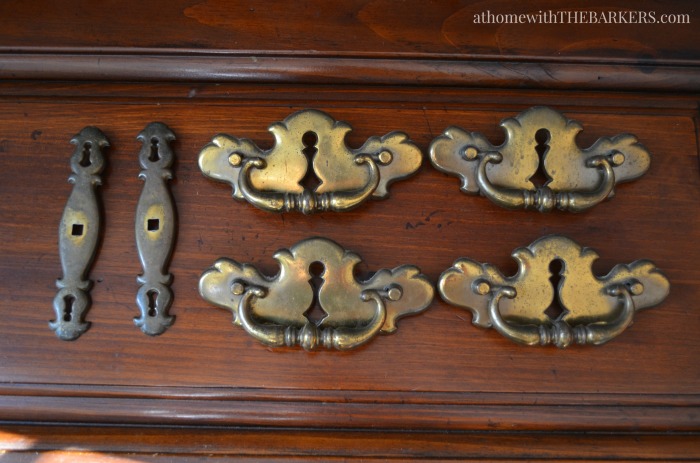
Polishing, Waxing, and Sealing For Lasting Results
A bright finish is great, but keeping it that way is the real win in how to clean old cabinet hardware.
Polishing tips:
- Use a polish that matches the metal. Read the label.
- Apply a pea-size amount with a soft cloth. Work in small circles.
- Buff dry until no residue remains.
Waxing and sealing:
- Apply a very thin coat of paste wax. Let it haze. Buff to a soft glow.
- On unlacquered brass, wax slows tarnish and cuts fingerprints.
- For daily care, wipe hardware with a dry cloth. Water is the enemy of the shine.
When to re-lacquer:
- If an old clear coat is peeling, you can strip it and re-lacquer.
- Use a spray lacquer rated for metal. Light coats, 8 to 10 inches away.
- Let cure per can directions before handling.

Source: reddit.com
Reinstalling Without Scratches or Misalignment
Many people rush this step in how to clean old cabinet hardware. A few small habits prevent chips and squeaks.
Protective setup:
- Place a towel on your work surface.
- Use painter’s tape on doors under knobs to avoid slips.
Smart fastening:
- Start all screws by hand. Do not cross-thread.
- Tighten until snug. Stop when the hardware no longer shifts.
Final checks:
- Align pulls level by measuring to the door edge.
- Open and close doors to confirm hinge action is smooth. Add a drop of lubricant if needed.
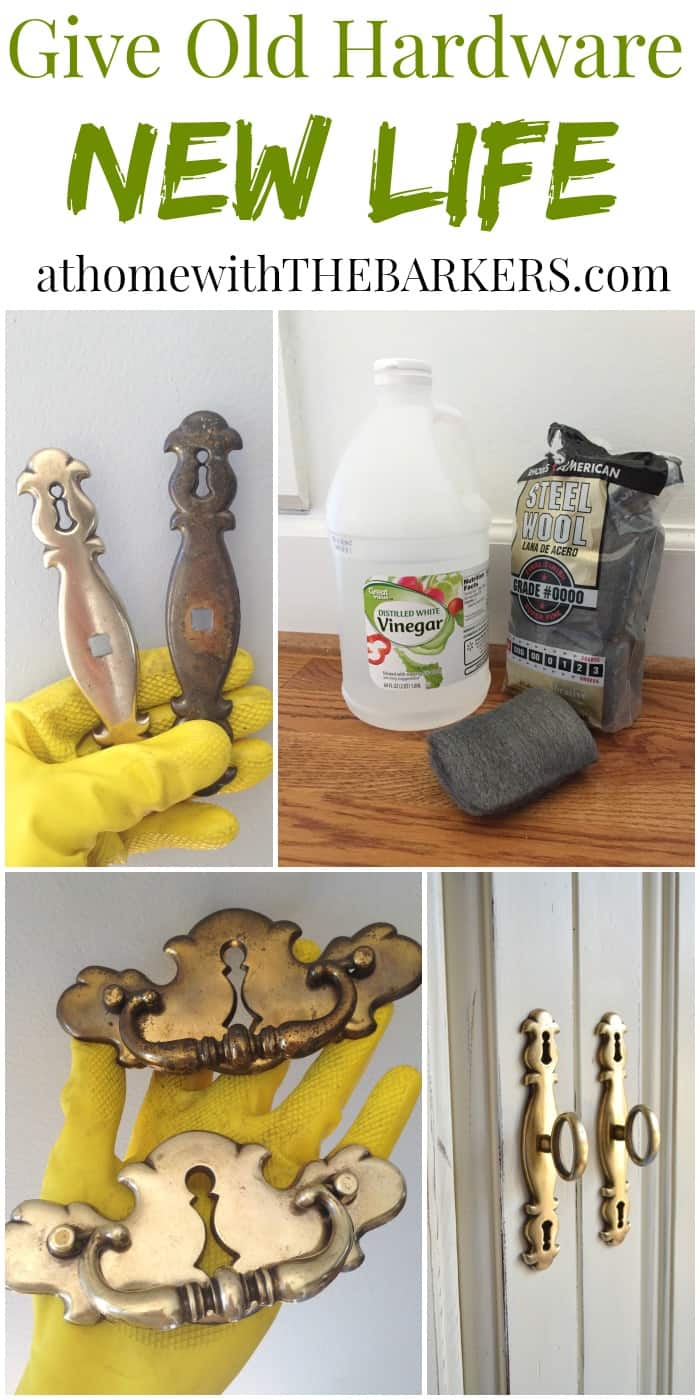
Source: athomewiththebarkers.com
Eco-Friendly and Safe Cleaning Practices
You can master how to clean old cabinet hardware while staying safe and green.
Safer choices:
- Start with soap and water. It solves most grime.
- Use baking soda pastes and diluted vinegar when the metal allows.
- Ventilate when using any polish or solvent. Wear gloves.
Health notes:
- Very old brass may include trace lead. Avoid sanding dust. Clean up with damp cloths.
- Never mix cleaners like bleach and ammonia. That creates harmful fumes.
- Follow manufacturer safety data for each product you use.

Source: youtube.com
Cost, Time, and When To Restore vs Replace
A smooth plan makes how to clean old cabinet hardware fast and cost-effective.
Time and cost:
- Light cleaning and polish for a full kitchen can take four to six hours.
- Supplies often cost less than a new set of quality hardware.
- Specialty polishes and waxes last for many projects.
When to replace:
- Plating is worn through and base metal shows in many spots.
- Threads are stripped or parts are bent or cracked.
- Your design has changed and sizes no longer match.
When to restore:
- Solid brass or bronze with good bones and unique style.
- Historical pieces where patina adds value.
- Heirloom sets that only need cleaning and care.
Frequently Asked Questions of how to clean old cabinet hardware
What is the safest way to start cleaning old cabinet hardware?
Begin with warm soapy water and a soft brush. This lifts grease and dirt without harming the finish.
Can I use vinegar on brass or nickel hardware?
Use vinegar sparingly and diluted, and only on chrome or stainless. For brass and nickel, choose a polish made for that metal.
How do I know if my hardware is brass-plated or solid brass?
Use a magnet and check edges. If the magnet sticks or edges show flaking, it is likely plated steel.
How often should I polish cabinet hardware?
Polish only when it looks dull after a basic wash. A thin coat of wax can extend time between polishes.
What is the best method to remove paint from old metal hardware?
Try warm soapy water and a plastic scraper first. For stubborn layers, use a safe gel remover or a gentle baking soda simmer on solid metals.
Should I re-lacquer brass after cleaning?
Only if the old lacquer has failed or you want a hard barrier. Many people prefer wax for easier upkeep on unlacquered brass.
What if my hardware still looks dull after cleaning?
It may have micro-scratches or worn plating. Use a matching metal polish, then wax. If plating is gone, consider refinishing or replacing.
Conclusion
Cleaning old cabinet hardware is simple when you match the method to the metal and finish. Start gentle, test first, polish with care, and seal the shine. With this guide to how to clean old cabinet hardware, you can revive character pieces and protect them for years.
Set aside an afternoon, gather your kit, and try these steps on one door today. Share your results, ask questions, or subscribe for more practical restoration tips.