Style a mirror by nailing placement, scale, frame, light, and layered decor.
You’re here to learn how to style a mirror with confidence, and I’m ready to help. I’ve styled hundreds of mirrors in homes and shoots, from tiny powder rooms to grand entryways. In this guide, I’ll show you how to style a mirror step by step, with clear rules, easy visuals, and real-world tips that work in any home.
What “styling a mirror” really means
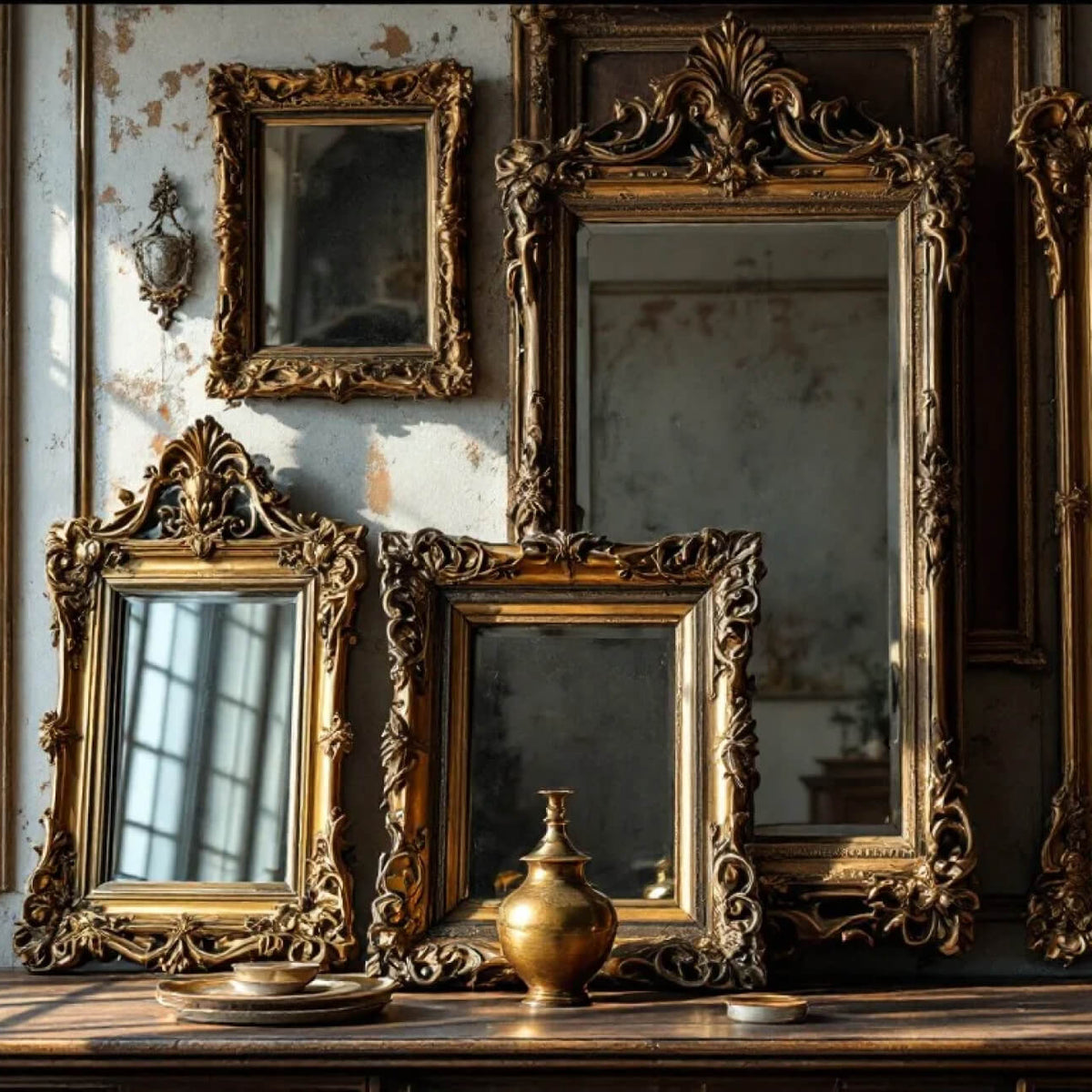
Styling a mirror is more than hanging glass on a wall. It is about composing a scene that flatters the room and you. It blends placement, frame choice, light, and a small mix of decor around it. Done well, it makes the space brighter, taller, and more personal.
If you came to learn how to style a mirror, think of it like dressing a friend. You choose the fit. You add the right layers. You make sure the light is kind. Then you let the personality shine.
:strip_icc()/PureSaltWEBREZ-63-d490625a55dc4be09e5660f14ae76641.jpg)
Know your mirror type and shape
Different mirrors push the room in different ways. Match type and shape to the mood you want.
- Round mirrors soften sharp rooms and help balance boxy furniture.
- Rectangular mirrors feel crisp and tidy. Great for modern and classic spaces.
- Arch or capsule mirrors add gentle height and a luxe vibe.
- Irregular organic mirrors bring play and movement to calm rooms.
- Full-length mirrors expand small rooms and are ideal for bedrooms and entries.
- Framed mirrors add warmth and color. Frameless mirrors feel clean and bright.
- Pivot mirrors in baths give function and a boutique feel.
When you know these traits, you know how to style a mirror that fits your style and your space.

Pick the right spot and height
Good placement does most of the work.
- Reflect the best view. Aim the mirror at a window, art, or a pretty vignette.
- Avoid glare. If a window hits it hard, shift the angle or add sheer curtains.
- Entry console: leave about 6–10 inches from the top of the console to the bottom of the mirror.
- Over mantels: 4–7 inches above the mantel keeps it grounded.
- Over sofas or dressers: mirror width should be about 50–80 percent of the furniture width.
- Gallery standard: center at about 57–60 inches from the floor to the center for most walls.
- Bathrooms: center the mirror near eye level for the main users. Keep the bottom edge a few inches above the faucet to avoid splash marks.
Test with painter’s tape or paper cutouts. This one trick will save you time and holes. It is one of my top tips when clients ask how to style a mirror with no stress.
Frames, finishes, and color stories
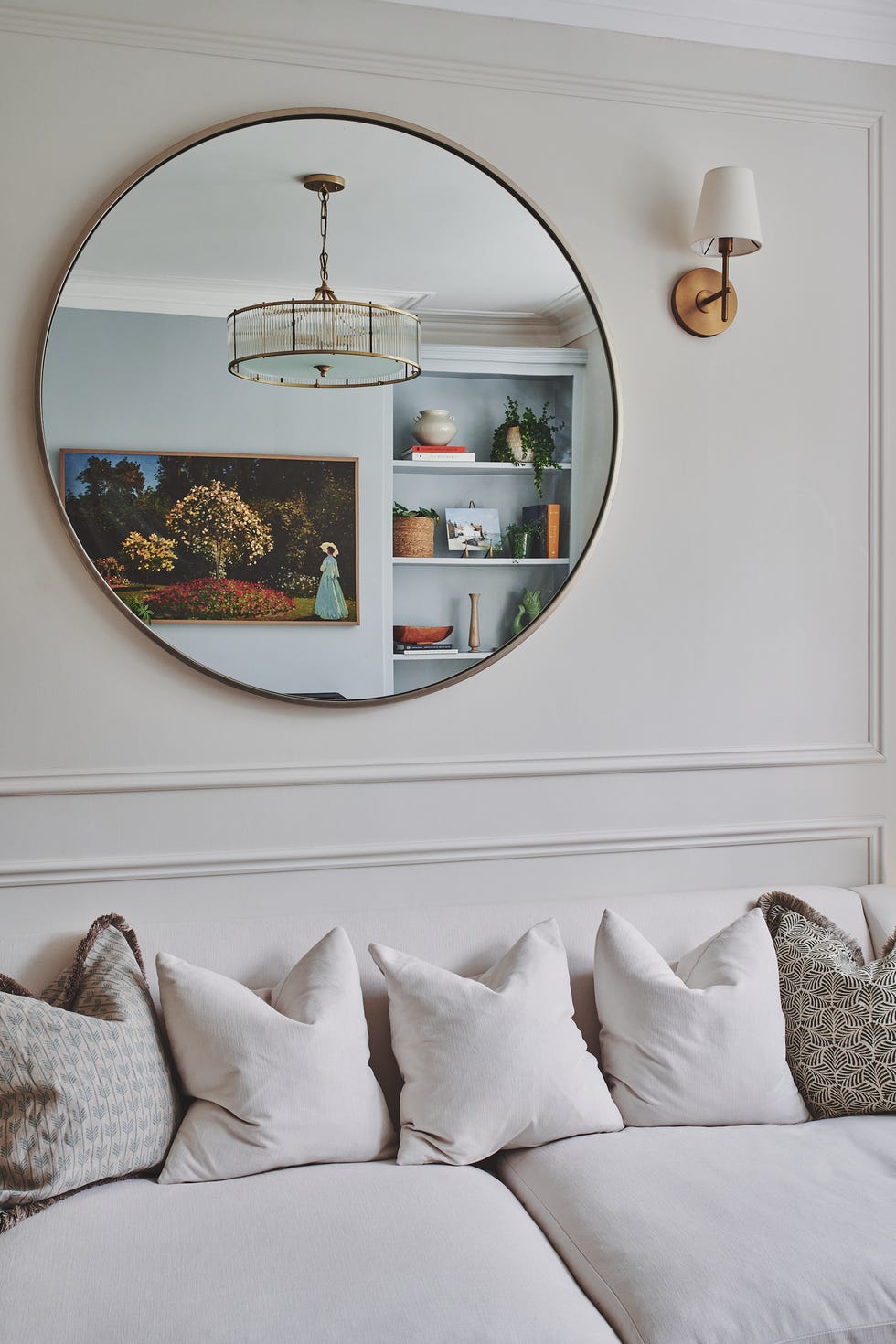
The frame is your bridge to the room.
- Black frames add contrast and anchor light rooms.
- Brass, champagne, or bronze warm a cool palette.
- Chrome and polished nickel feel crisp and bright.
- Wood adds texture and calm. Match undertones, not exact color.
- Color frames can echo a rug or art for a pulled-together look.
Mixing metals is fine. Aim for one dominant finish and one accent. This balance is central to how to style a mirror without visual noise.

Build a vignette: console, dresser, or mantel
A mirror often lives above a surface. Style that surface to complete the scene.
- Use the rule of thirds. Left, center, right each get a “moment.”
- Vary height. Stack books, add a tall branch, then a low bowl.
- Use odd numbers. Groups of three or five look lively.
- Add life. A plant, fresh greens, or flowers wake up the scene.
- Create shine. A small metallic object or glass piece echoes the mirror’s light.
- Contain clutter. A tray makes keys and mail look neat.
When clients ask how to style a mirror over a console, I start with a tall vase on one side, a stack of books with a small object on the other, and a shallow catchall in the center. Simple, fast, and it works.
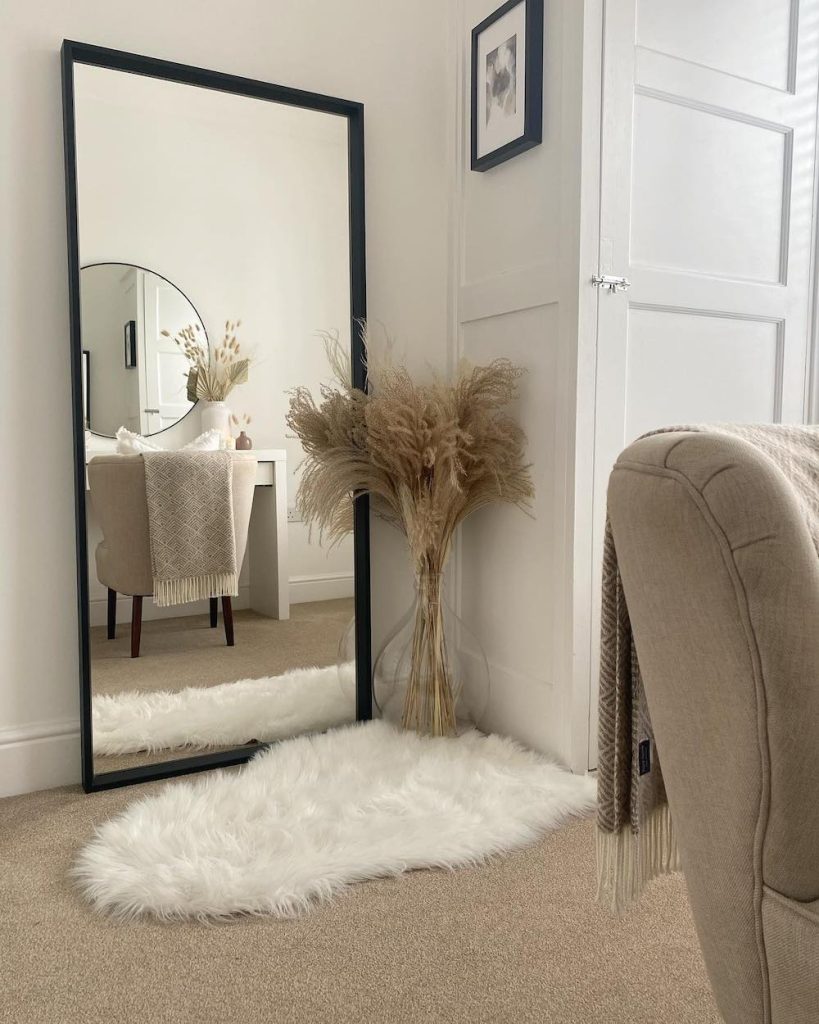
Use light well: sconces, lamps, and daylight
Light makes mirrors magic.
- Flank with sconces when you need even face light, like in a bath or entry.
- Pair with a table lamp on a console or dresser for soft glow at night.
- Bounce daylight. Angle the mirror to pull window light deeper into the room.
- Dim it. Warm bulbs (2700–3000K) are flattering near mirrors.
How to style a mirror with light is about softness. Avoid a bare bulb reflecting straight at your eyes.

Get scale and proportion right
Scale is the secret sauce.
- Over furniture, aim for 50–80 percent of the piece’s width.
- Tall ceilings love taller mirrors or stacked art plus mirror.
- Small rooms like one big gesture, not many tiny pieces.
- Big walls call for pairs or a mirror plus sconces.
If you only remember one rule for how to style a mirror, let it be this: when in doubt, go a bit bigger. A too-small mirror makes a room feel skimpy.
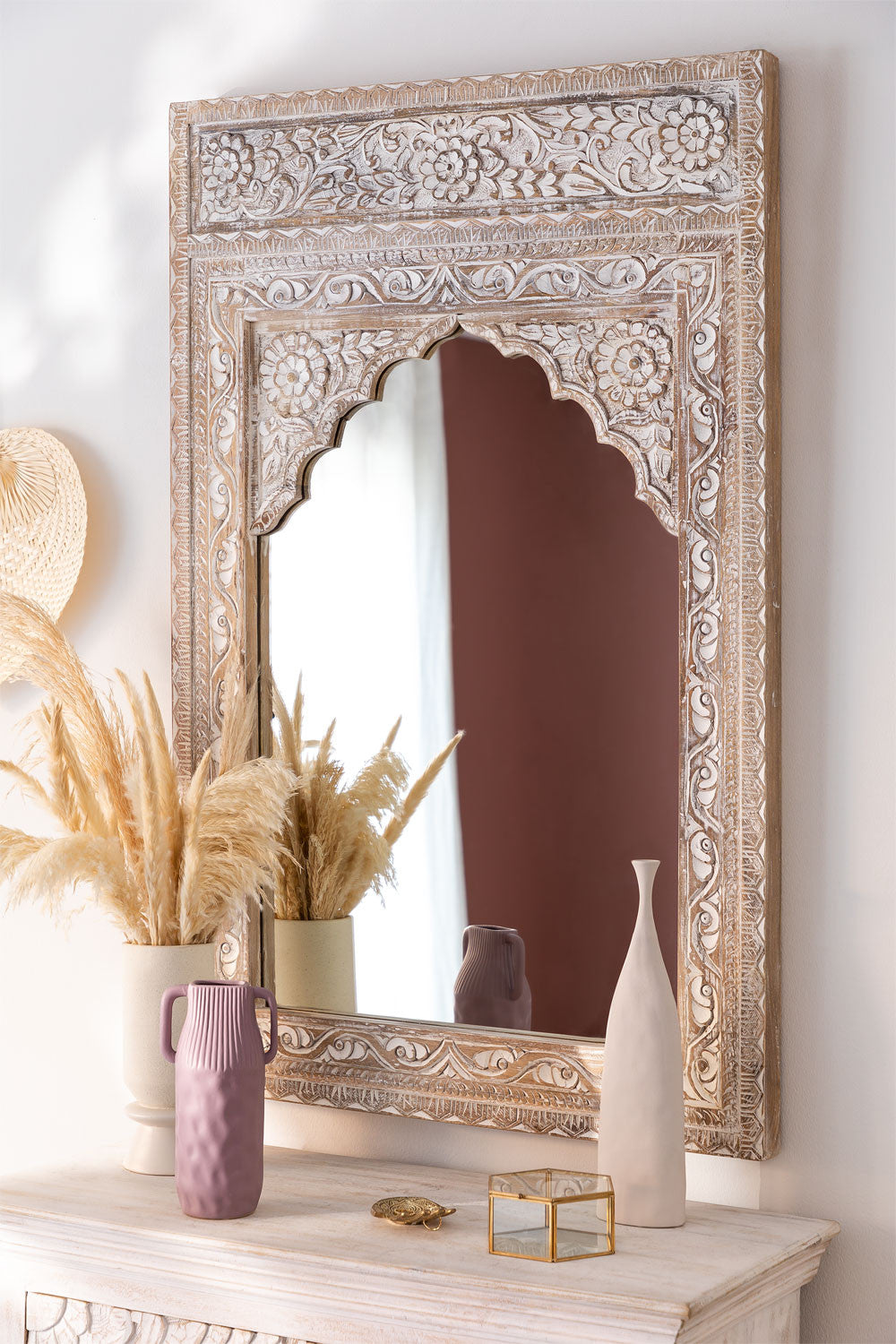
Style by room
Every room has its own needs. Here is how to style a mirror in each one.
- One large round or arch mirror over a console.
- Add a tray for keys, a lamp, and a bowl for mail.
- A tall branch adds height and life.
Living room
- Above the mantel with 4–7 inches of breathing room.
- Or lean a big mirror on a credenza with layered art in front.
- Avoid facing the TV to reduce distraction.
Bedroom
- Above a dresser with a lamp and a jewelry tray.
- Full-length mirror near a window for better outfit checks.
- Keep faces out of bed sightlines if it feels unsettling.
Bathroom
- Size to the vanity width. Wall-to-wall mirrors feel luxe in small baths.
- Add sconces at face height for even light.
- Use moisture-safe frames and sealed edges.
Dining room
- One large mirror to reflect the table and chandelier.
- Keep decor low to avoid blocking views across the table.
Hallway
- A slim vertical mirror makes narrow halls feel taller.
- Add a small shelf or hooks below for grab-and-go.

Seasonal and swappable styling
Keep it fresh without buying new furniture.
- Spring: light branches, pastel blooms, woven trays.
- Summer: sea glass, shells in a bowl, airy linen runners.
- Fall: amber glass, pine cones, eucalyptus.
- Winter: candles, evergreen clippings, metallic accents.
This is a budget-friendly way to master how to style a mirror year-round.
Common mistakes and quick fixes
- Mirror too small: size up or add flanking sconces to widen the visual field.
- Hung too high: drop it so the center hits near eye level.
- Cluttered surface: edit to three to five items and add a tray.
- Harsh glare: rotate a few degrees or soften with sheers.
- Frame clash: repeat one finish in two other small spots nearby.
Each fix builds your eye for how to style a mirror with calm and intention.
Budget and DIY ideas
You can get a designer look on a small budget.
- Thrift a solid mirror and refresh the frame with paint or rub-n-buff.
- Add peel-and-stick molding to create a faux frame on a frameless mirror.
- Layer a small art print partly over a leaning mirror for depth.
- Create a gallery wall around a mirror using mixed frames you already own.
- For rentals, lean tall mirrors and use removable strips to secure the top.
These hacks are how to style a mirror without big spend or holes.
Care, safety, and installation
Safety and care matter as much as style.
- Use wall anchors for heavy mirrors. Find studs when you can.
- Add earthquake or museum putty under leaning mirrors.
- Keep bathroom mirrors sealed at the edges to resist moisture.
- Clean with a soft microfiber and a light glass spray to avoid streaks.
- For kids and pets, avoid sharp corners or use rounded frames.
Knowing these basics is part of how to style a mirror like a pro and keep it safe.
My go-to process: step-by-step on how to style a mirror
Follow this quick path I use with clients.
- Choose the purpose. Light boost, outfit check, or focal point.
- Pick shape and frame that match your style and the room’s lines.
- Test size with taped outlines on the wall or floor.
- Set the height. Eye level, then adjust for furniture and sightlines.
- Add light. Sconces or a lamp if needed.
- Build the vignette. Three zones, mixed heights, one living element.
- Edit. Remove one thing. Then step back and check the reflection.
Repeat this process any time you wonder how to style a mirror in a new spot.
Frequently Asked Questions of How to Style a Mirror
How high should I hang a mirror above furniture?
Leave about 6–10 inches between the top of the furniture and the bottom of the mirror. Adjust for lamp height and ceiling height.
Should a mirror be wider than the furniture below it?
Not usually. Aim for 50–80 percent of the furniture width so it feels balanced.
Can I mix metals when styling a mirror?
Yes. Choose one main metal and one accent. Repeat each at least twice in the room.
How do I stop a mirror from reflecting clutter?
Aim it at a window, art, or a clean wall. Edit the surface below and use a tray to hold small items.
Is it safe to lean a large mirror?
Yes, if you secure the top with anti-tip hardware or removable straps. Add felt or putty at the base to prevent slipping.
What size mirror works best over a mantel?
Choose a mirror that is 50–75 percent of the mantel width. Keep 4–7 inches of space from the mantel to the mirror.
How do I style a mirror in a small room?
Use one larger mirror rather than many small ones. Place it to bounce light and keep the vignette simple.
Conclusion
Mirrors do more than reflect. With smart placement, right scale, and a calm vignette, they shape mood, light, and flow. Start small: pick one spot, tape the outline, test the height, add a lamp, and style three simple objects. You now know how to style a mirror with confidence.
Take five minutes today and try one tweak from this guide. Share your before and after, subscribe for more room-by-room tips, and tell me which space you want help with next.