Freeze the wax, lift it off, then heat-and-blot; treat leftover stains gently.
Wax spills happen fast. Cleanups do not have to be hard. I’ve cleaned wax from sofas, rugs, wood, and walls for years. In this guide, I show you How to Remove Candle Wax step by step, with safe tools, real-life tips, and clear methods that work on almost any surface. You will learn smart tricks, what to avoid, and how to prevent stains the next time you light a candle.

What Candle Wax Is and Why It Sticks
Most candle wax is paraffin, soy, or beeswax. It melts, flows, and cools to a hard film that grips pores and fibers. Dyes and fragrance oils can leave stains even after the wax is gone.
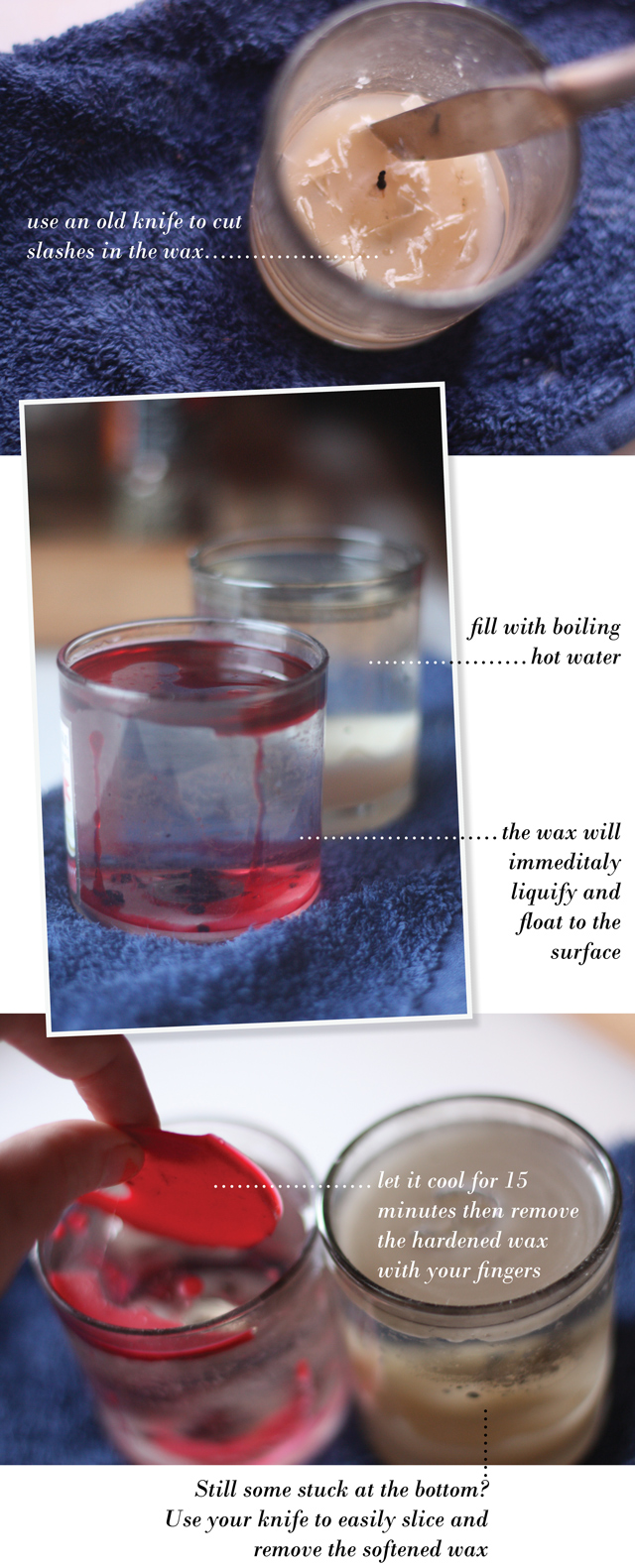
The right move depends on the surface. Wax hates cold. It also softens with low heat. That is why the best plan is chill, lift, then heat-and-blot. This is the core of How to Remove Candle Wax on almost anything.
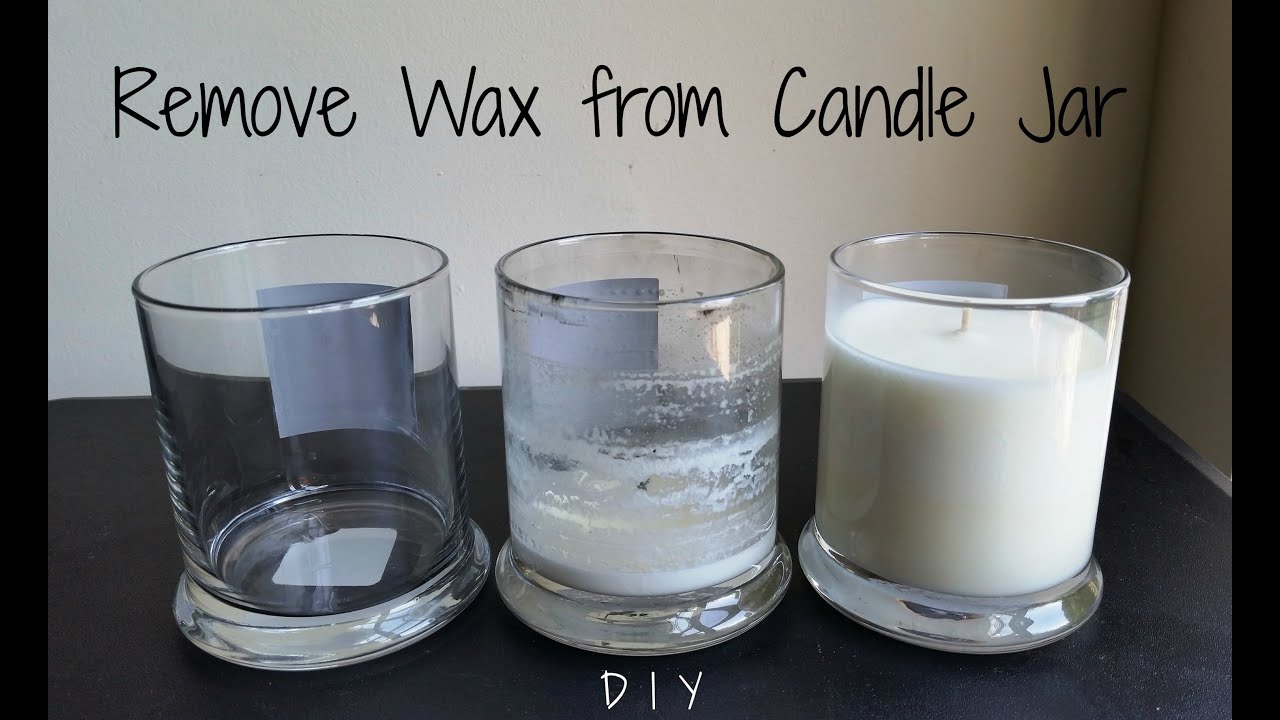
Tools and Materials You’ll Need
You do not need fancy gear. Simple items work well.
- Ice pack or a bag of frozen peas for chilling wax fast
- Plastic scraper, old gift card, or a dull butter knife to lift chunks
- Iron on low, hair dryer on warm, or a heat gun on low for softening
- Plain brown paper, paper towels, or an old cotton cloth for blotting
- Isopropyl alcohol, mineral spirits, or vinegar for final spot treatment (test first)
- Enzyme detergent or oxygen bleach for washable fabrics
- Microfiber cloths and cotton swabs for control
- Mild dish soap and warm water for gentle cleaning
- Masking tape to lift crumbs from fibers
- Gloves and good airflow for safety
I use what I have on hand and keep it simple. The method matters more than the brand.
How to Remove Candle Wax from Different Surfaces
Below are my proven steps for How to Remove Candle Wax on the most common materials. Always test in a hidden spot first. Work slow. Check progress often.
Fabric and Washable Clothes
- Chill the wax with ice until brittle.
- Flake off the chunks with a plastic scraper.
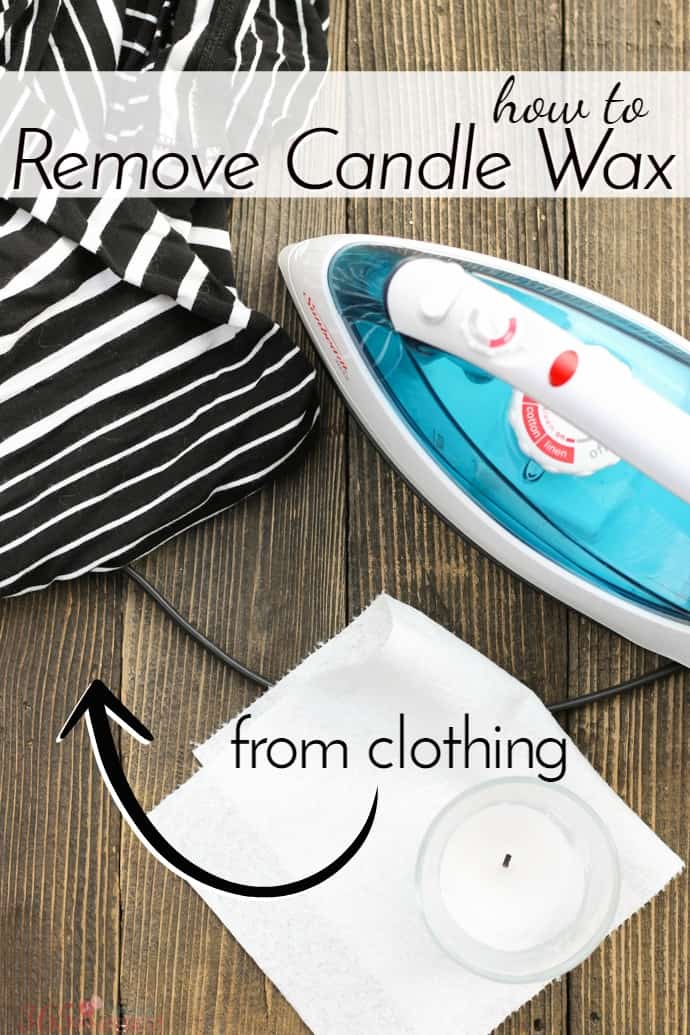
- Place brown paper over the spot. Warm an iron on low. Press and lift. Move to a clean paper area as the wax soaks in.
- Pre-treat any residue with liquid detergent or a small amount of isopropyl alcohol.
- Wash on warm, per the care label. Air dry first. Heat from a dryer can set stains.
Tip from experience: For colored wax, repeat the heat-and-blot with fresh paper several times. I once cleared red wax from a white cotton shirt with three short rounds.
Carpets and Rugs
- Press ice in a bag on the wax for a few minutes.
- Gently break and lift the solid wax. Use masking tape to pick up crumbs.
- Place paper or a towel over the spot. Warm with an iron on low or a hair dryer. Blot, do not rub.
- For dye or oil residue, dab with a little isopropyl alcohol on a cloth. Blot with water after.
- Pile-groom with your fingers once dry.
Pro note: On wool, skip strong solvents. Use mild dish soap and cool water for any last marks.
Upholstery
- Chill and lift as above.
- Use a warm hair dryer and blot with paper. Keep the heat moving.
- Spot clean with a small amount of upholstery cleaner or isopropyl alcohol on a cloth.
- Blot with plain water to rinse. Air dry.
I saved a linen sofa this way after a holiday spill. Small, steady heat plus lots of clean paper did the trick.
Wood (Finished and Unfinished)
- Let wax cool. Do not smear warm wax on wood.
- Lift the bulk with a plastic scraper along the grain.
- For finished wood, warm gently with a hair dryer and wipe with a soft cloth.
- If a film remains, use a tiny bit of mineral spirits on a cloth. Wipe and follow with wood polish.
- For unfinished wood, use minimal heat and skip liquids. Lightly buff with a dry cloth.
Avoid strong heat guns on wood. They can blush the finish or raise grain.
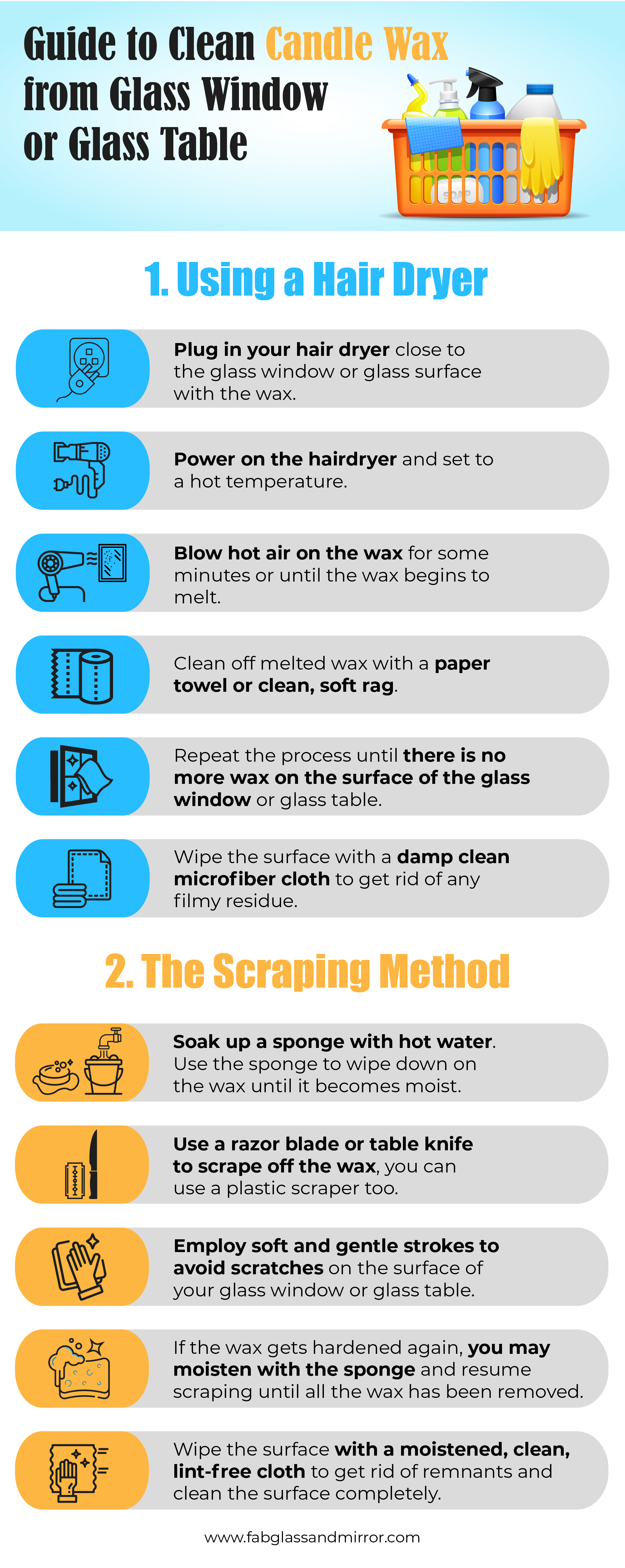
Glass, Metal, and Ceramic
- Let wax harden. Pop it off with a plastic scraper.
- Warm any thin film and wipe away.
- Clean with dish soap and hot water.
- For streaks, use vinegar on a cloth, then rinse.
Painted Walls and Baseboards
- Chill if you can.
- Lift gently with a plastic edge.
- Soften the rest with a warm hair dryer. Wipe with a damp microfiber cloth.
- If color lingers, try a little dish soap. Avoid harsh solvents that can dull paint.
Leather
- Chill and lift the chunks.
- Warm slightly with a hair dryer on low. Blot with paper.
- Wipe with a leather cleaner. Condition after.
Stone, Tile, and Grout
- Harden and lift wax.
- Warm the film and blot.
- Clean with pH-neutral stone cleaner.
- Skip acidic cleaners on natural stone.
This surface-by-surface method is the heart of How to Remove Candle Wax with less risk and better results.
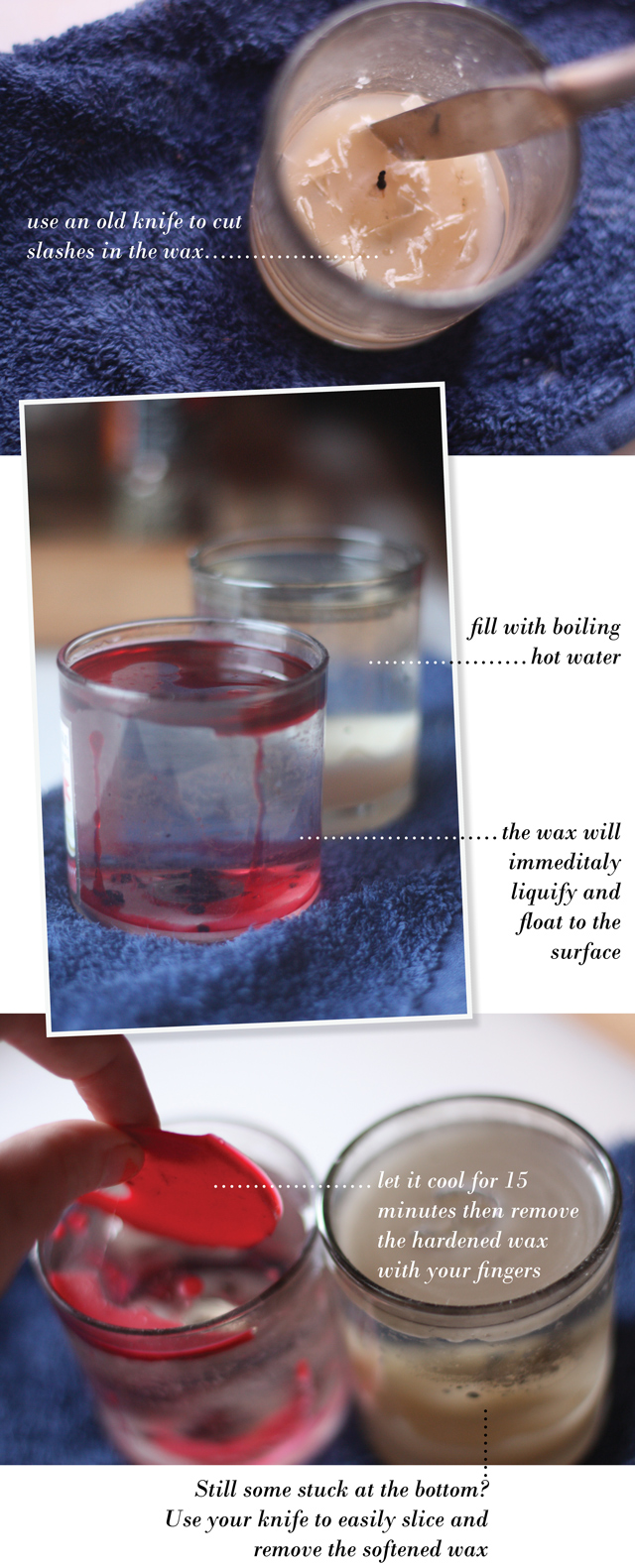
:strip_icc()/pouring-water-candle-jar-e88c358e-54fd8f067a964d6482bde52cd2ad59f8.jpg)
Dealing with Stains After Wax Removal
Sometimes the wax is gone, but a shadow stays. That is often dye or fragrance oil. Here is how to treat it.
-
Dyes on fabric and carpet
- Dab with isopropyl alcohol and a white cloth. Blot from the outside in.
- For washable fabrics, use oxygen bleach per label. Air dry and recheck.
-
Oil residue
- Use a drop of dish soap. Work it in. Rinse or blot with water.
- On carpet, follow with a plain water rinse and blot dry.
-
Soot or smoke film
- Wipe hard surfaces with a mix of warm water and a little dish soap.
- On walls, use gentle strokes to avoid shiny spots.
-
Stubborn marks
- Repeat short heat-and-blot rounds. Fresh paper each time.
- If nothing helps, consult a pro, especially for antiques or fine rugs.
These stain steps round out How to Remove Candle Wax when color or oil lingers.
Quick Methods at a Glance
Use these fast playbooks when you need results now.
-
Cold method
- Ice it. Lift chunks.
- Brush or vacuum crumbs.
-
Heat-and-blot method
- Cover with paper.
- Warm with an iron on low or hair dryer.
- Lift and replace paper until clean.
-
Final finish
- Spot treat. Rinse or wipe.
- Dry and check under bright light.
I return to these three moves every time I coach someone on How to Remove Candle Wax at home.

Safety, Pitfalls, and When to Call a Pro
A little care prevents damage.
- Do not scrape with sharp metal. It can gouge wood and scratch glass.
- Keep irons on low. High heat can set stains or warp finishes.
- Test any solvent in a hidden spot. Some paints and plastics soften fast.
- Ventilate when using alcohol or mineral spirits. Wear gloves.
Call a pro if you face rare or valuable textiles, old wood finishes, or a large colored spill on a light wool rug. That choice can save money in the end. Smart caution is part of How to Remove Candle Wax the right way.
Prevention Tips for Next Time
Small habits stop big messes.
- Trim wicks to a quarter inch before lighting.
- Use stable holders with trays to catch drips.
- Keep candles away from vents and drafts.
- Choose dripless or soy candles for cleaner burns.
- Set a timer. Extinguish before the last half inch of wax.
I follow these at home. Since then, I rarely need my wax kit. Still, knowing How to Remove Candle Wax well means less stress if a spill happens.
Frequently Asked Questions of How to Remove Candle Wax
How do I remove candle wax fast without special tools?
Use ice, a plastic card, and a hair dryer. Freeze, lift, then warm and blot with paper.
Will a hot iron ruin clothes during wax removal?
Use low heat and keep the iron moving. Place paper between the iron and fabric to protect fibers.
Can vinegar remove candle wax?
Vinegar does not dissolve solid wax well. Use it after wax removal to clean glass or hard surfaces.
What if colored wax stains my carpet?
Blot with isopropyl alcohol using a white cloth. Rinse with water after and repeat as needed.
Is it safe to use a heat gun on wood?
Use a hair dryer instead. Heat guns can overheat finishes and cause permanent damage.
Conclusion
You now have a clear plan for How to Remove Candle Wax on fabrics, floors, walls, and more. Chill, lift, heat-and-blot, and finish with the right spot treatment. Simple tools and short steps win the day.
Try one small area first and build confidence. Save these steps for the next cozy night at home. Want more practical home care guides? Subscribe, share your results, or drop a question in the comments.