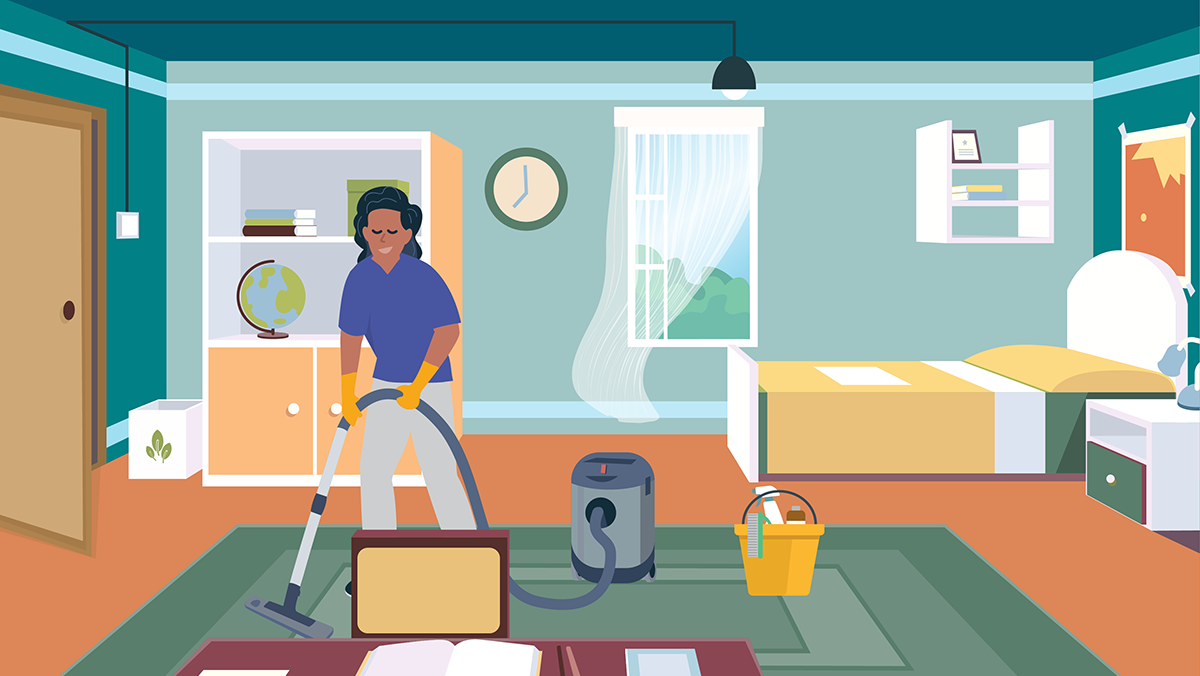
Clean first, then sanitize high-touch surfaces with approved products, proper contact time, and safe habits.
You want a home that looks clean and is actually safe. That takes more than a quick wipe. In this guide on How to Sanitize Your Home, I share a proven plan I use for families and rentals. You will learn what works, what to avoid, and how to keep germs in check without stress.
What Sanitizing Really Means
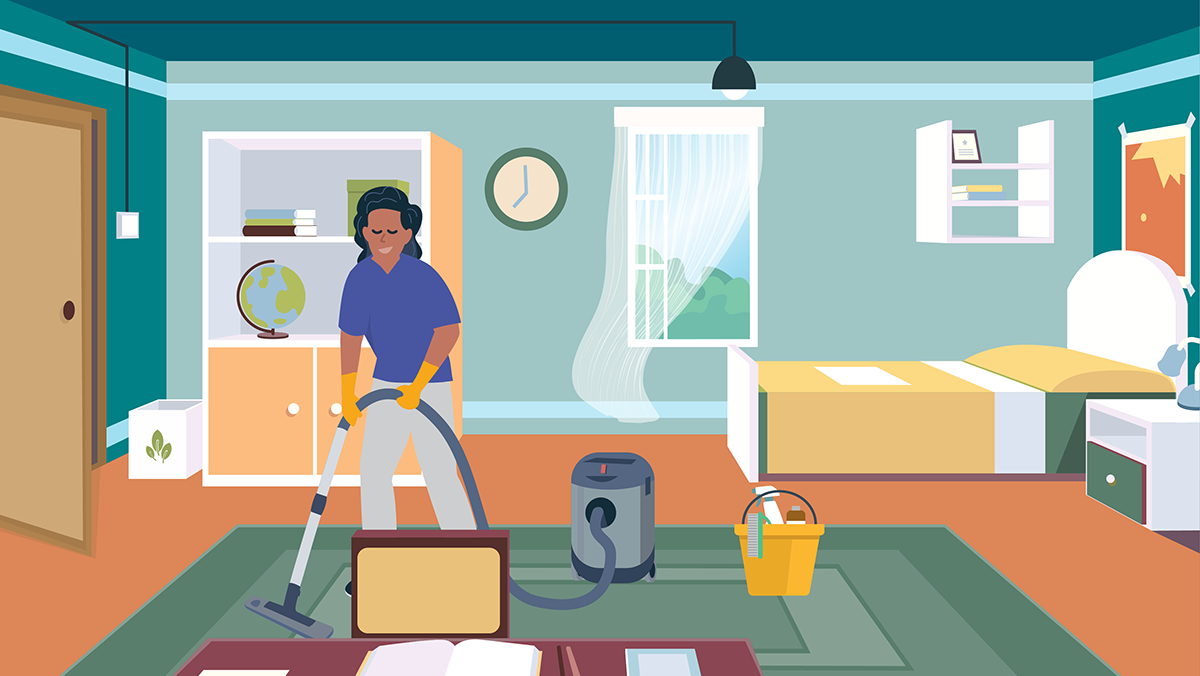
Cleaning removes dirt. Sanitizing lowers germs to safer levels. Disinfecting kills most listed germs on a surface. The difference matters.
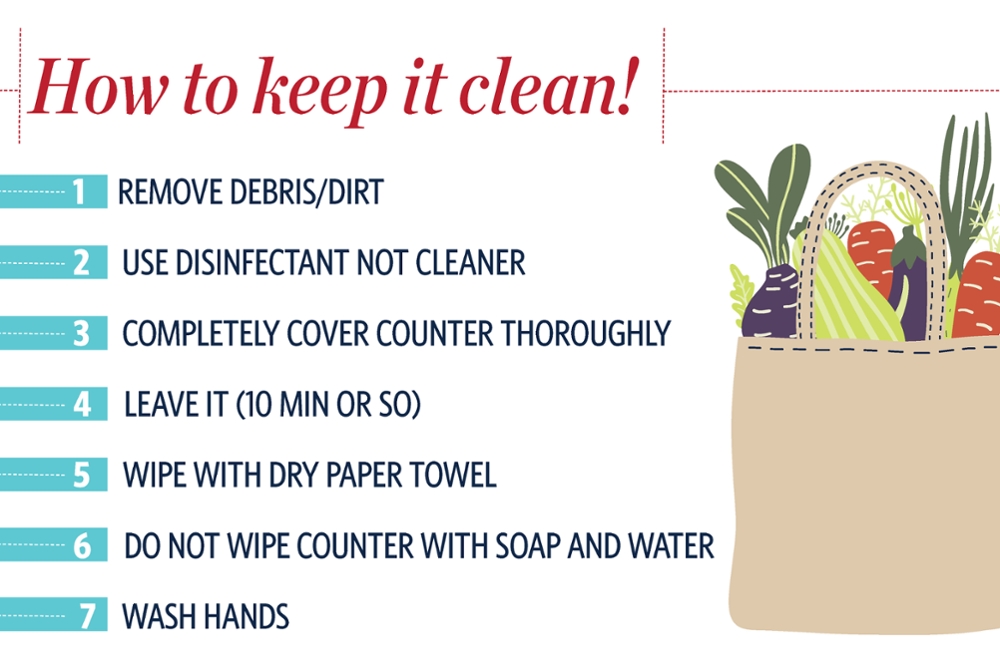
Always clean before you sanitize or disinfect. Dirt blocks the product. The label lists the contact time. This is the wet time needed to work. Do not wipe it dry early.
Use products that match your goal. For viruses, look for products vetted by public health agencies for that use. On food-contact surfaces, use a food-safe sanitizer. Then rinse if the label says to do so.
Microfiber cloths are key. They grab soil and reduce streaks. Use color-coded cloths to avoid cross-use. For example, red for toilets and blue for kitchens.
Tools and Supplies Checklist
You do not need a closet full of gear. A small set does the job fast.
- Microfiber cloths and mop pads. Color-coded to prevent mix-ups.
- Disposable gloves and a simple apron. Protects skin and clothes.
- A mild cleaner or dish soap. Breaks down grease and grime.
- A surface sanitizer or disinfectant. Check the label and contact time.
- A spray bottle and a bucket. For mixing and easy reach.
- Paper towels or dry cloths. For final drying where needed.
- A soft brush and an old toothbrush. For grout and tight spots.
- A HEPA vacuum. Traps fine dust and allergens.
- A steam cleaner, if you have one. Great for floors and some fabrics.
How to Sanitize Your Home: A Simple Step-by-Step Plan
- Declutter fast. Clear counters and floors. This speeds up every step.
- Ventilate. Open a window or run the HVAC fan. Fresh air helps.
- Dust high to low. Use a damp microfiber. Catch dust so you do not spread it.
- Clean surfaces. Use soapy water or an all-purpose cleaner. Wipe off soil.
- Apply sanitizer or disinfectant. Read the label. Cover the surface well.
- Respect contact time. Keep it visibly wet for the full time. Set a timer.
- Rinse when the label says to. This matters on food or kid surfaces.
- Dry. Air-dry or use a clean towel. Dry surfaces stay cleaner longer.
- Launder cloths. Wash on hot, then dry on high heat.
- Wash your hands. This is the last and most vital step.
I use this flow when I teach How to Sanitize Your Home to new renters. It works because it is simple and repeatable.
Room-by-Room Guide
Kitchen
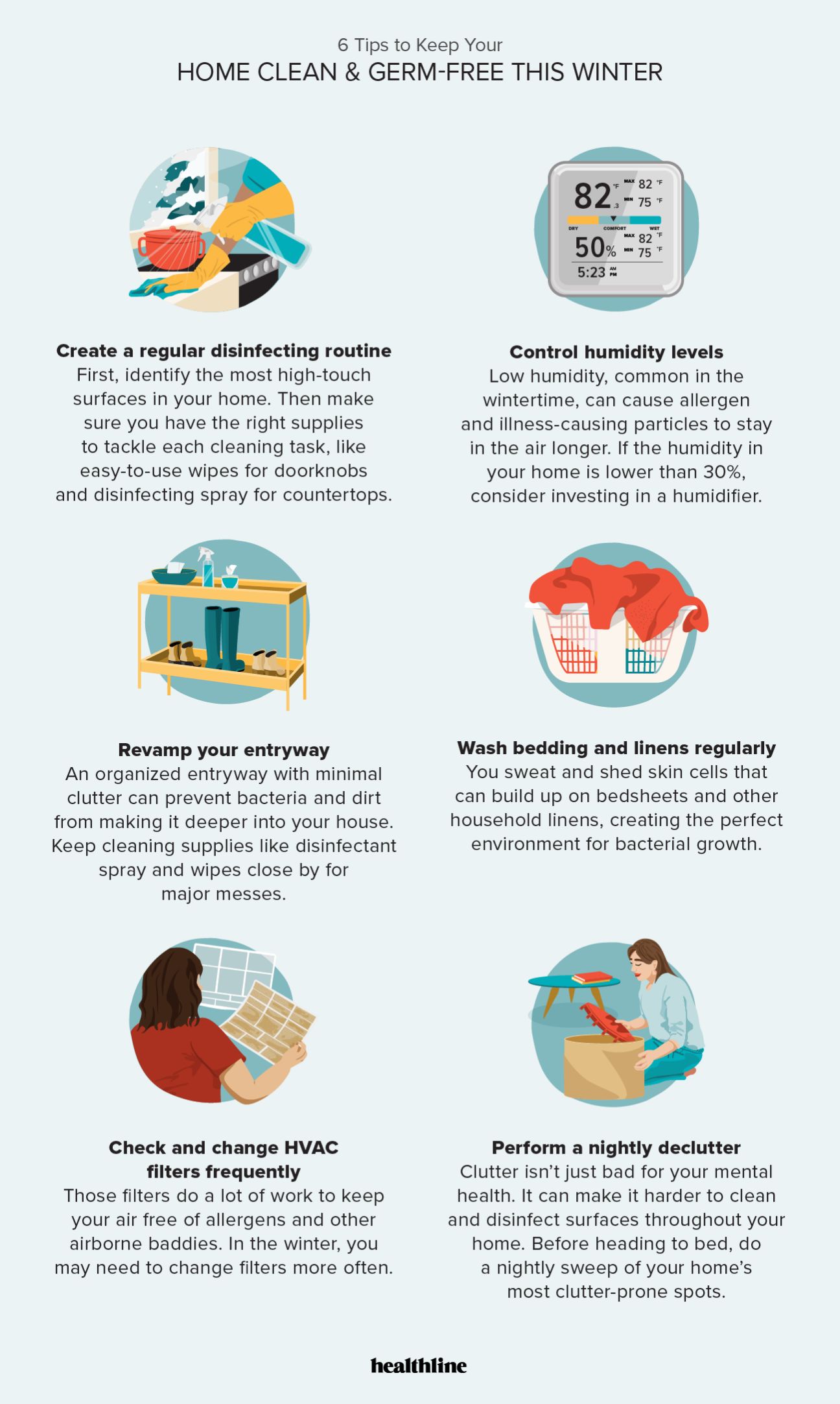
Focus on sinks, counters, handles, and the fridge door. Clean first to remove grease. Then sanitize food-contact areas with a food-safe product. Rinse if the label says to. Cutting boards need hot soapy scrubs. Then sanitize and air-dry.
A tip from my own kitchen: I keep a timer on the stove. I spray, start the timer for the listed contact time, and move to the next spot.
Bathroom
Hit faucets, toilet flush, seat, and light switches. Clean the bowl, then disinfect. Let it dwell. For showers, scrub soap scum first. Then use a product that lists mold or mildew if needed.
Bedrooms
Sanitize knobs, drawer pulls, and remotes. Wash bedding on hot if safe for the fabric. Vacuum with a HEPA filter. Wipe crib rails with a baby-safe sanitizer if you have a little one.
Living Areas
Remote controls, game controllers, and touch screens collect germs. Use electronics-safe wipes or 70% alcohol on a cloth. Let them dry. Clean and sanitize handrails and table edges.
Entryway and Laundry Room
Treat door hardware, shoe trays, and washer knobs. Place a small pump of hand sanitizer by the door. This alone cuts spread a lot.

High-Touch Surfaces You Should Never Skip
These items see many hands. They are your top wins when you plan How to Sanitize Your Home.
- Door knobs and deadbolts. Inside and out.
- Light switches and dimmers. Wipe the plate and edges.
- Faucet handles and flush levers. Kitchen, bath, and laundry.
- Fridge, microwave, and oven handles. Also coffee maker buttons.
- Remotes, phones, tablets, and keyboards. Use device-safe methods.
- Stair rails and chair backs. Daily in busy homes.
- Shared toys and game pieces. Rotate and sanitize in batches.
- Car steering wheel and controls. Count them as part of home care.

Safe Use of Disinfectants and Natural Options
Pick the right active for the job. Common ones include alcohol, hydrogen peroxide, bleach, and quats. Each has rules.
- Bleach (sodium hypochlorite). Works fast, but can damage fabrics. Use fresh mix. A common mix is 4 teaspoons of regular bleach in 1 quart of water for hard surfaces. Check your product label. Vent the area.
- Alcohol. Use 70% isopropyl or ethyl alcohol for small items and screens. Let it air-dry.
- Hydrogen peroxide. Many ready-to-use sprays use it. Good broad action. Follow contact time.
- Quats (like benzalkonium chloride). Many wipes use these. Good for routine touch points.
Never mix chemicals. Vinegar and bleach together release a toxic gas. Do not mix quats with soaps. Read the label first. Wear gloves if it can irritate skin.
Prefer low-odor options? Soap and water still do a lot. Steam works well on many sealed floors and some fabrics. It cuts grime using heat only. Essential oils smell nice, but they are not stand-alone sanitizers. Use them for scent, not germ control.

After Illness: Extra Steps That Matter
When someone is sick, How to Sanitize Your Home needs a few add-ons. Think of zones and time. Keep sick person items apart. Use one bathroom if you can.
- Focus on shared touch points twice a day. Switches, remotes, and handles.
- Wear gloves for laundry. Wash on the warmest safe setting. Dry on high heat.
- Use a disinfectant with a virus claim. Respect dwell time.
- Vent the room well. Fresh air reduces lingering droplets.
- For stomach bugs, pick a product that lists norovirus. Many need a bleach mix for this.
I once managed a college rental during flu season. We set a simple rule: sanitize remotes and handles each night. Sick days fell within a week.
Schedules, Checklists, and Habits That Stick
How to Sanitize Your Home works best as small, steady habits. Short beats perfect.
Daily
- Wipe kitchen counters after cooking. Include sink handles.
- Sanitize phone and remote. One minute total.
- Quick pass on door handles before bed.
Weekly
- Bathrooms top to bottom. Respect contact times.
- Fridge handles and shelves. Remove spills and sanitize.
- Light switches and stair rails. Whole-house loop.
Monthly
- Deep clean kitchen gear. Microwave, oven knobs, and toaster.
- Wash pillows and mattress protectors if care tags allow.
- Sanitize baseboards and vents. Dust, then wipe.
Print your list and post it. Assign one daily task per person. Keep supplies in a small caddy you can carry.
Common Mistakes to Avoid (From My Experience)
- Spraying and wiping right away. The product needs wet time to work.
- Skipping the clean-first step. Soil blocks the active ingredient.
- Using one cloth for the whole house. This spreads germs. Color-code.
- Overusing bleach. It is strong but not for every job.
- Not reading labels. Food surfaces may need a rinse.
- Fogging without need. Overkill and can harm lungs and gear.
- Missing soft items. Wash throws, pillow covers, and cloth toys.
- Forgetting the HVAC filter. Upgrade to at least MERV 11 if your unit allows.
- Spraying electronics directly. Spray the cloth, not the device.
- Ignoring hands. Handwashing beats any spray.
These are the things I see most when I audit homes and rentals.
Air Quality, Ventilation, and Filtration
Sanitizing is not only about wipes. Air matters too. It affects how fast germs move.
- Bring in fresh air. Open windows for 10–15 minutes when weather allows.
- Use exhaust fans when cooking and showering. Run for 20 minutes.
- Upgrade HVAC filters to the highest MERV your system supports, often MERV 11–13.
- Add a HEPA purifier in busy rooms. Size it for your space.
- Keep humidity near 40–60%. Too dry or too damp helps germs.
When I show people How to Sanitize Your Home, this air step is a big unlock. The place feels better at once.
Frequently Asked Questions of How to Sanitize Your Home
How often should I sanitize high-touch surfaces?
High-touch areas need daily care in busy homes. Do a quick pass each night, then a deeper weekly round.
What is the correct contact time for disinfectants?
It depends on the product. Read the label and keep surfaces wet for the full listed time, often 1–10 minutes.
Can I make a safe bleach solution at home?
Yes, if the label allows. Mix small fresh batches, wear gloves, and never mix bleach with other cleaners.
Do I need to sanitize after cleaning every time?
Not always. For routine tidy homes, cleaning with soap may be enough. Add sanitizing during illness, after guests, or on high-touch spots.
Are natural cleaners enough to sanitize?
Soap and hot water remove many germs, which is great. For true sanitizing or disinfecting, use a product with proven claims and follow directions.
How to Sanitize Your Home if I have pets and kids?
Pick child-safe, pet-safe products and rinse where labels say. Ventilate rooms and store chemicals out of reach.
What is the best way to sanitize electronics?
Use 70% alcohol on a soft cloth or device-safe wipes. Do not spray directly and let them air-dry.
Conclusion
A safe home comes from simple steps done well. Clean first, apply the right product, give it time, and hit the spots that hands touch most. Add fresh air and small daily habits, and your space will feel calm and healthy.
Pick one room today and run the plan. Share this guide with a friend who wants to learn How to Sanitize Your Home, subscribe for more home care tips, and leave a comment with your best time-saving trick.