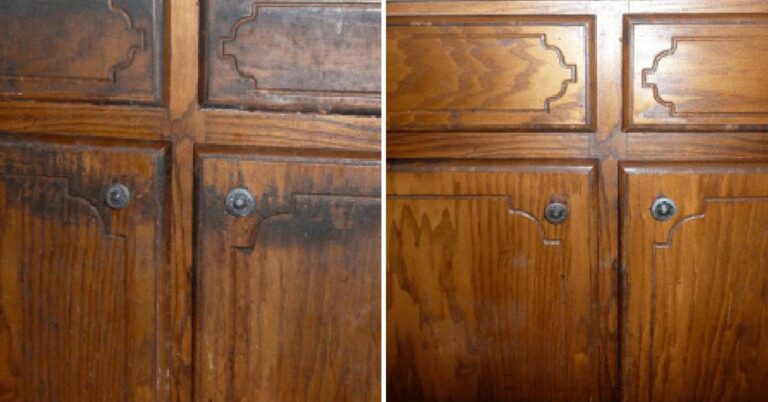
Cut dust by trapping it at sources, filtering air, and cleaning smart.
You searched for how to reduce dust in your home because you want clean air and less daily fuss. I’ve helped many families tackle dust in old farmhouses, new builds, and city apartments. In this guide, I’ll show you How to Reduce Dust in Your Home with proven steps, clear tools, and a plan you can keep up with. Expect practical advice, data-backed tips, and simple routines that work.
What Dust Is And Why It Piles Up
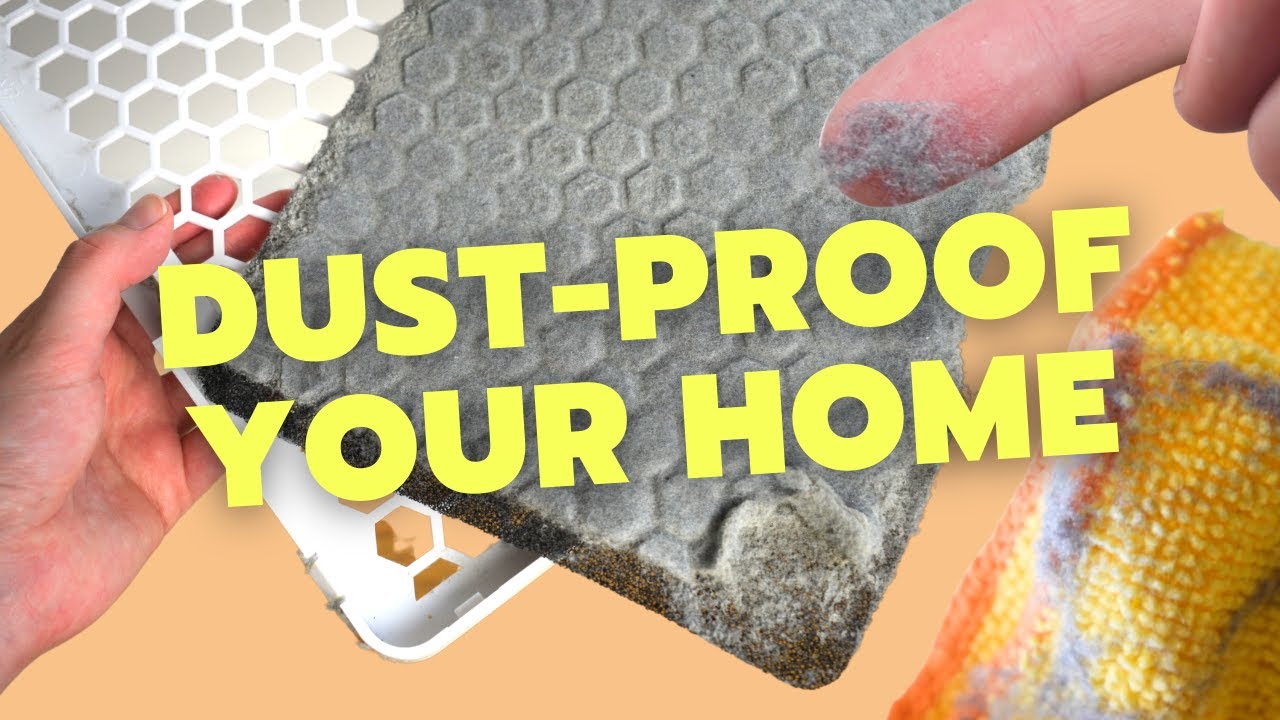
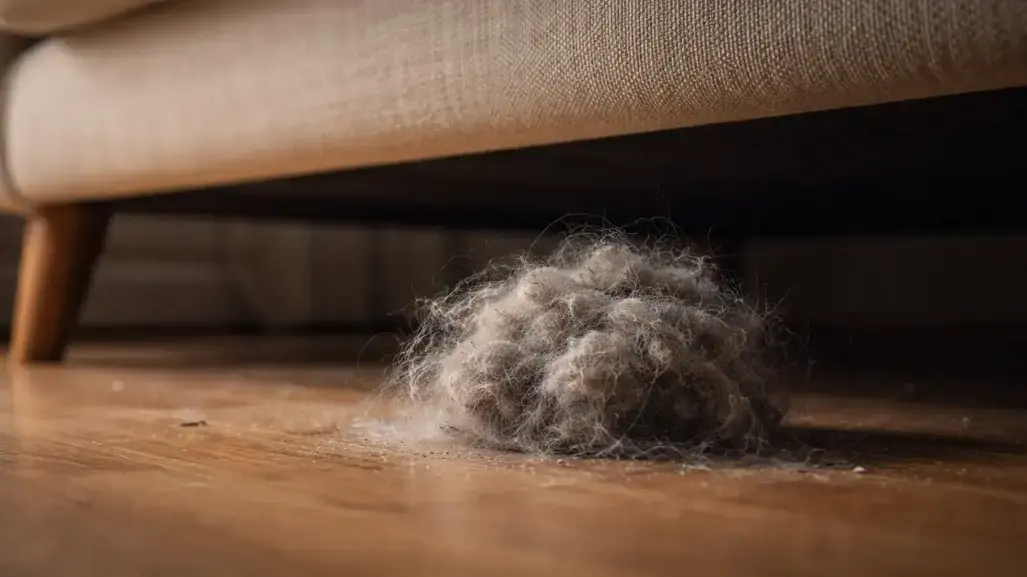
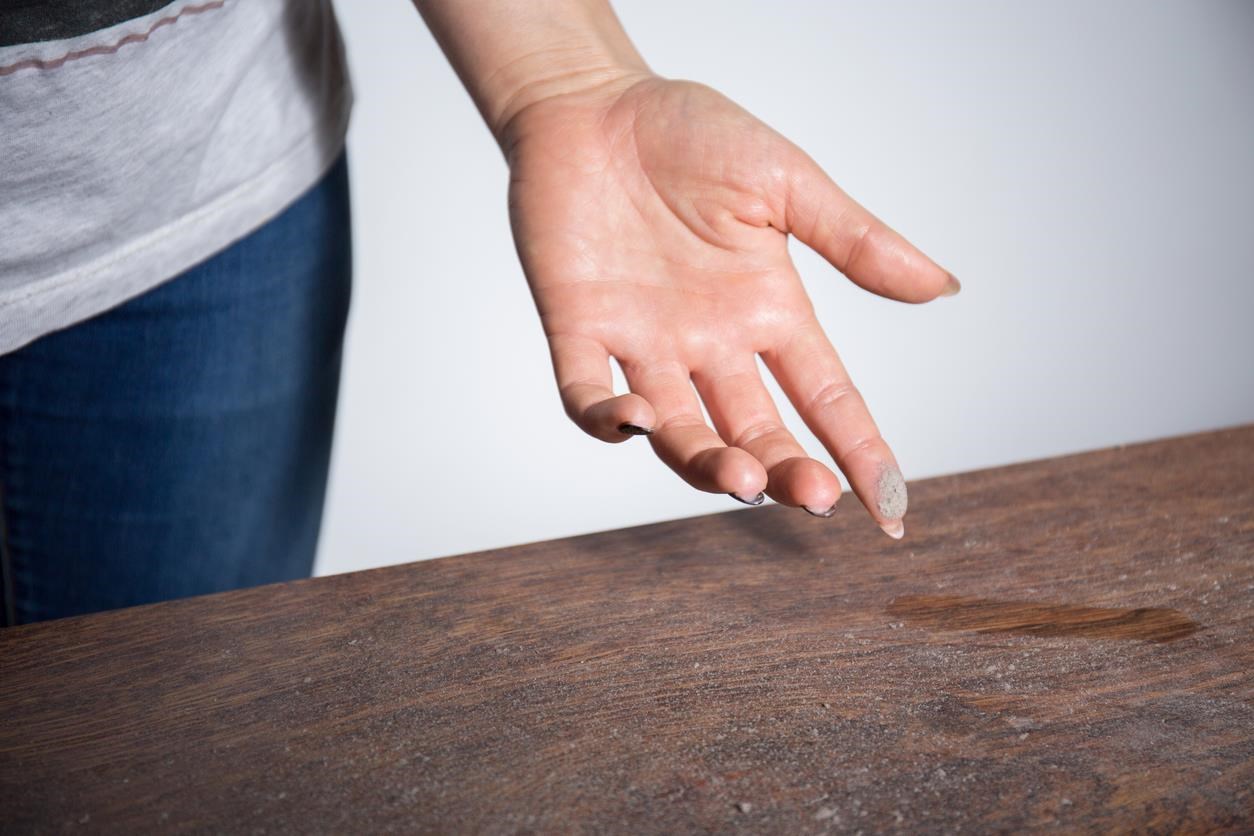
Household dust is a mix of tiny bits: skin flakes, fabric fibers, soil, pollen, pet dander, soot, and even microplastics. It sneaks in from shoes, windows, vents, and everyday life. Indoors, it settles fast on flat spots and soft fabrics.
To master How to Reduce Dust in Your Home, you need two moves. Stop dust at the door and trap it in the air. Then remove it from surfaces before it floats again. When you do both, you see less film on tables and breathe easier.
Key sources to watch:
- Entry points like doors, windows, and mail slots
- High-shed fabrics like fleece throws and old carpets
- HVAC return vents and leaky ducts
- Dry rooms with low humidity that lift dust back up
Daily And Weekly Habits That Cut Dust Fast
Small habits add up. The goal is to capture dust before it spreads. These steps keep it simple and light.
Daily:
- Use two doormats per entry, one outside and one inside.
- Leave shoes at the door in a bin or rack.
- Wipe kitchen counters with a damp microfiber cloth after meals.
Weekly:
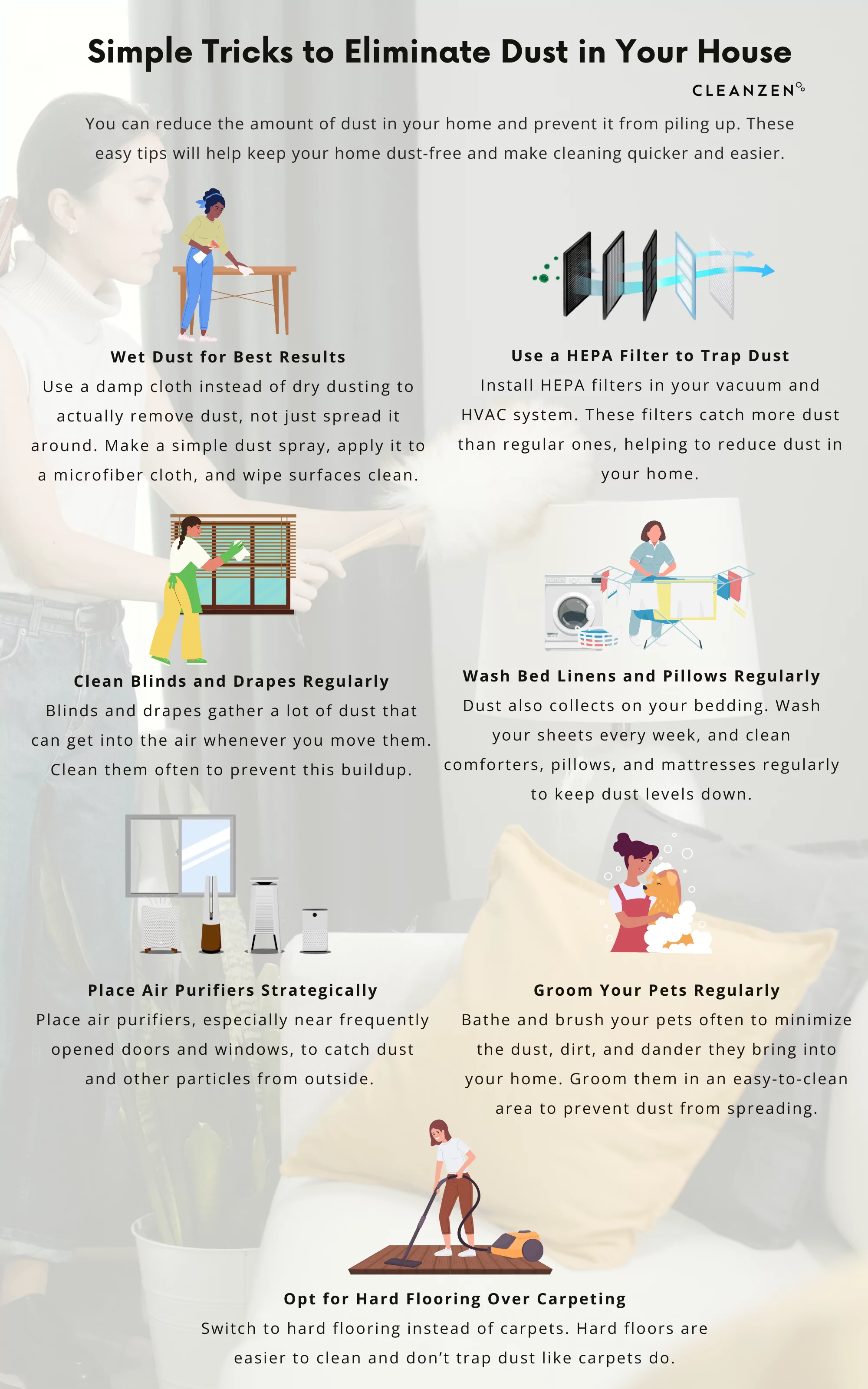
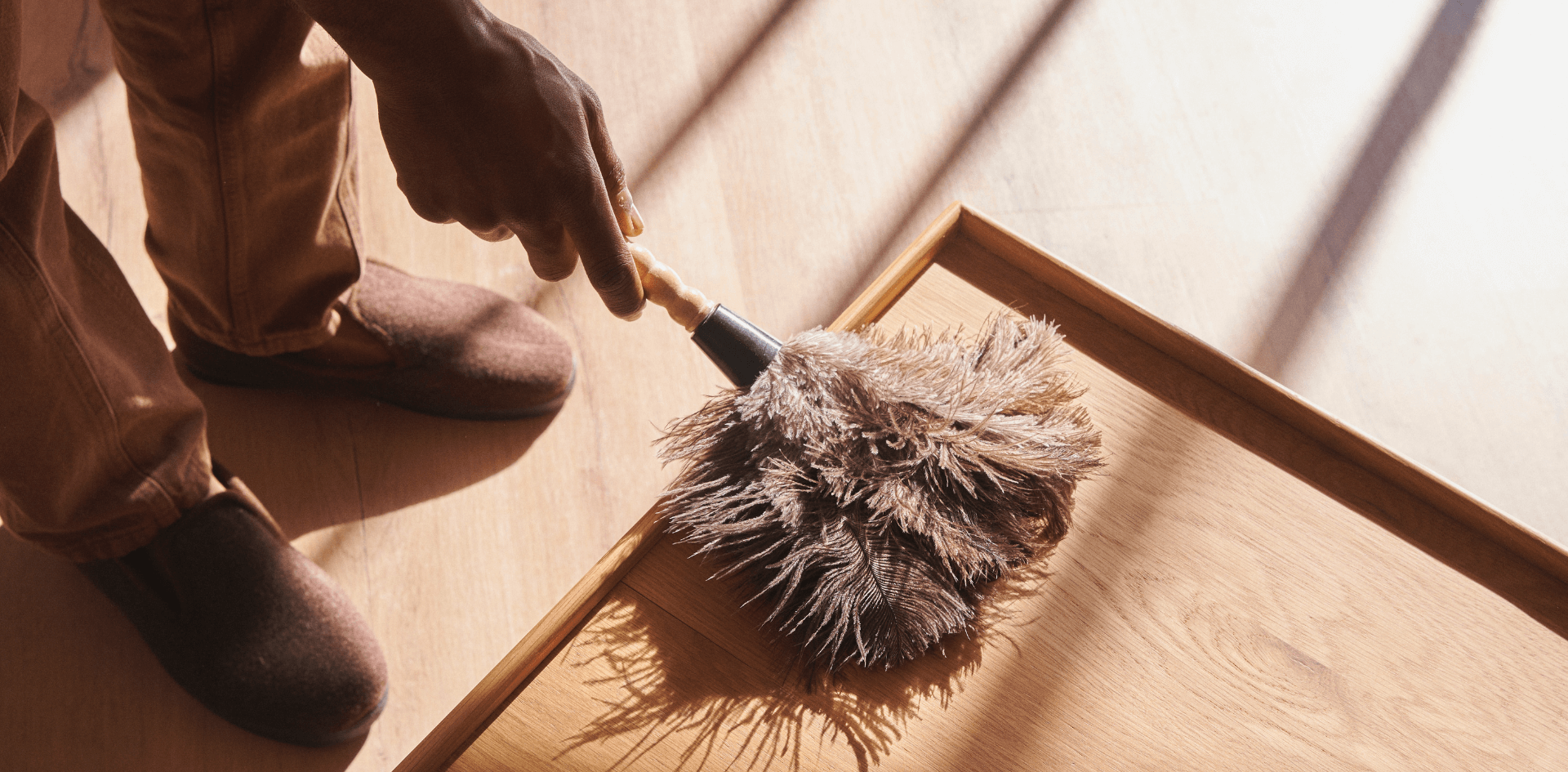
- Dust top to bottom with damp microfiber, not feather dusters.
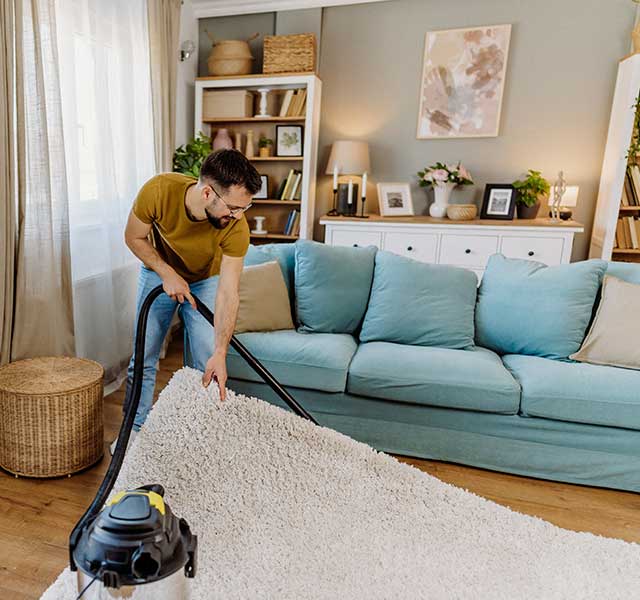
- Vacuum floors and upholstery with a sealed HEPA machine.
- Wash bedding in hot water and dry on high heat.
I teach these steps first when showing How to Reduce Dust in Your Home. They give quick wins in seven days and set a base for bigger gains.

Deep Cleaning Blueprint: Room By Room
A smart path lowers work and lifts results. Move in one direction and let gravity help.
Kitchen:
- Wipe high spots like cabinet tops, fridge tops, and light fixtures.
- Clean vents and the range hood filter.
- Mop with a damp microfiber pad after vacuuming.
Living room:
- Lift couch cushions and vacuum seams with a crevice tool.
- Dust blinds, baseboards, and media gear with a barely damp cloth.
- Shake or vacuum rugs outside if you can.
Bedrooms:
- Wash sheets weekly and duvets every one to two months.
- Encase pillows and mattresses in allergen-proof covers.
- Clear under-bed storage and vacuum with a HEPA tool.
Bathrooms:
- Clean exhaust fans and check for lint build-up.
- Wipe vanity lights and mirror frames.
- Keep laundry hampers covered.
These steps make How to Reduce Dust in Your Home feel clear and doable, even with a busy week.
Air Quality Upgrades That Make A Big Difference
Clean air keeps dust from landing. Filtration, airflow, and moisture all play a part.
HVAC filters:
- Use a MERV 11 to MERV 13 filter if your system supports it.
- Change it every 60 to 90 days, or monthly in peak seasons.
- Seal gaps around the filter so air cannot bypass it.
Room air purifiers:
- Pick a true HEPA unit sized for your room’s square footage.
- Place it near regular activity, not in a corner.
- Run it on low or auto all day for steady capture.
Humidity control:
- Keep indoor humidity around 40 to 50 percent.
- Use a dehumidifier in damp basements and a humidifier in dry winters.
- Stable humidity helps dust mites and particles stay in check.
With these upgrades, you lock in How to Reduce Dust in Your Home at the source and in the air.
Fabrics And Surfaces: Where Dust Loves To Hide
Soft items hold more dust than hard ones. They also shed fibers that add to the mix.
Bedding and textiles:
- Wash sheets weekly and pillowcases twice a week if you have allergies.
- Choose tightly woven covers to block dust mites.
- Dry blankets outside in the sun when weather allows.
Curtains and blinds:
- Vacuum curtains with a brush tool every two weeks.
- Wipe blinds with a damp microfiber towel, one slat at a time.
Floors and rugs:
- Hard floors beat wall-to-wall carpet for dust control.
- If you keep rugs, pick low pile and vacuum the back too.
- Use door runners to trap grit where it starts.
These choices strengthen How to Reduce Dust in Your Home with moves you can set and forget.
Pets, People, And Daily Life
We shed hair, skin, and fibers. Pets add fur and dander. Tackle both with gentle care.
For pets:
- Brush dogs and cats outside if possible.
- Bathe pets as needed with vet-safe shampoo to cut dander.
- Wash pet beds weekly on hot and dry on high heat.
For people:
- Keep a lint roller near the entry for quick touch-ups.
- Use covered laundry bins to avoid fiber drift.
- Place a sturdy mat for strollers and sports gear.
These habits lower inputs and help with How to Reduce Dust in Your Home without stress.
Tools And Methods That Actually Work
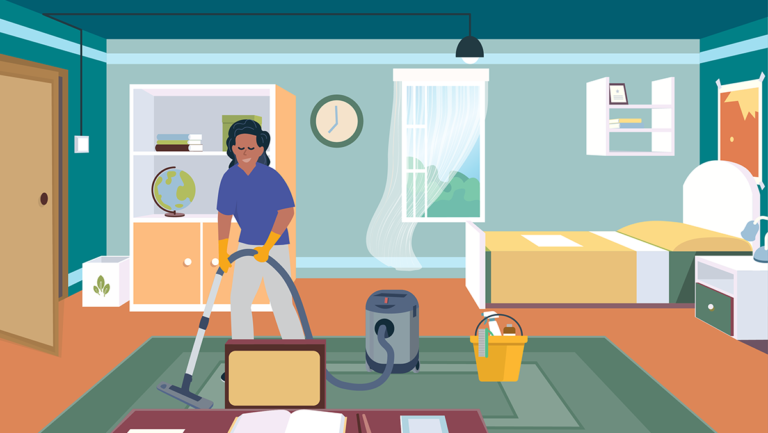
The tool matters as much as the time. The right cloth or vacuum can halve your work.
Microfiber over cotton:
- Microfiber grabs fine dust and holds it.
- Use it barely damp to trap, not push, particles.
Vacuums:
- Pick a sealed HEPA vacuum with strong suction and a motorized brush.
- Empty the canister outside and wipe the seals.
Smart helpers:
- A robot vacuum runs daily and cuts crumbs between deep cleans.
- An extendable duster reaches ceiling fans and vents.
- Keep a caddy with cloths, gloves, and a small brush to move fast.
I learned this the hard way after years with a cheap vac. Upgrading made How to Reduce Dust in Your Home far easier and faster.

Seasonal And Home Maintenance Checks
Dust grows when parts of the home wear or clog. Simple checks keep it under control.
Every season:
- Clean return and supply vent grilles.
- Wash or swap range hood and bath fan filters.
- Rinse window screens and check weatherstripping.
Yearly:
- Inspect HVAC ducts for leaks and seal with mastic where needed.
- Clean dryer vents to boost airflow and catch lint.
- Review attic insulation; gaps pull in dusty air.
These checks support How to Reduce Dust in Your Home for the long term.

Health, Allergies, And Safety Notes
Dust can hold pollen, mold fragments, and tiny metals. It can trigger sneezes, asthma, and headaches. Take care while you clean.
Safer cleaning:
- Wear a well-fitted respirator when deep cleaning or vacuuming old carpets.
- Open windows for airflow if the weather and outdoor air are clean.
- Use fragrance-free cleaners to avoid extra irritants.
Special cases:
- In very old homes, avoid sanding paint that may hold lead.
- For heavy soot or construction dust, use a HEPA shop vac and seal work zones.
- Ask a pro if you suspect mold or asbestos.
Following these steps is part of a careful plan for How to Reduce Dust in Your Home and to protect your health.
Budget And Time Plans You Can Keep
You do not need a big budget to win. Start small and build.
If you have 10 minutes:
- Wipe the top five dust zones: TV stand, coffee table, nightstands.
- Run the robot vacuum or spot vacuum high-traffic areas.
Weekend plan:
- Wash sheets and vacuum mattresses.
- Clean vents, baseboards, and one room of blinds.
Budget tiers:
- $0: Shoe policy, shaken mats, damp dust with water.
- $50–$150: Microfiber kit, allergen pillow covers, door mats.
- $200–$500: HEPA vacuum or air purifier for a main room.
Stack these choices and you will master How to Reduce Dust in Your Home without burnout.
Frequently Asked Questions of How to Reduce Dust in Your Home
How often should I change my HVAC filter?
Every 60 to 90 days for most homes. If you have pets, allergies, or live near construction, check monthly.
Are air purifiers worth it for dust?
Yes, a true HEPA purifier sized for the room can cut fine dust. Run it on low all day for steady capture.
What is the best way to dust surfaces?
Use a slightly damp microfiber cloth and work top to bottom. Rinse or swap cloths often so you do not smear dust.
Do indoor plants help with dust?
Plants can catch some particles on leaves, but the effect is small. Focus on filtration, microfiber, and vacuuming for real gains.
Should I replace carpets to reduce dust?
If you have allergies or lots of shedding, yes, hard floors help a lot. If not, a strong HEPA vacuum and regular cleaning can keep carpets manageable.
What humidity level is best to control dust?
Aim for 40 to 50 percent indoor humidity. This range helps keep particles from staying airborne and can reduce mite allergens.
How do I keep dust off electronics?
Wipe with an anti-static or microfiber cloth and manage cables to cut lint traps. Keep an air purifier nearby if the room gathers fine dust.
Conclusion
Dust control is a system, not a sprint. Stop dust at the door, filter the air, and clean with purpose. Use microfiber, a sealed HEPA vacuum, and steady routines. With these habits, How to Reduce Dust in Your Home stops being a chore and becomes a quick, calm ritual.
Pick one upgrade today, like a better filter or two new door mats. Try the weekly plan for two weeks and track the change. If this helped, subscribe for more home tips, or share your favorite trick in the comments.