Seal cracks, fix drainage, add interior drains, and control humidity.
If you want to know how to waterproof a basement the right way, you are in the right place. I’ve helped many homeowners stop leaks, dry out walls, and keep mold away. In this guide, I break down how to waterproof a basement step by step. You will learn what works, what does not, and what to do first for best results.
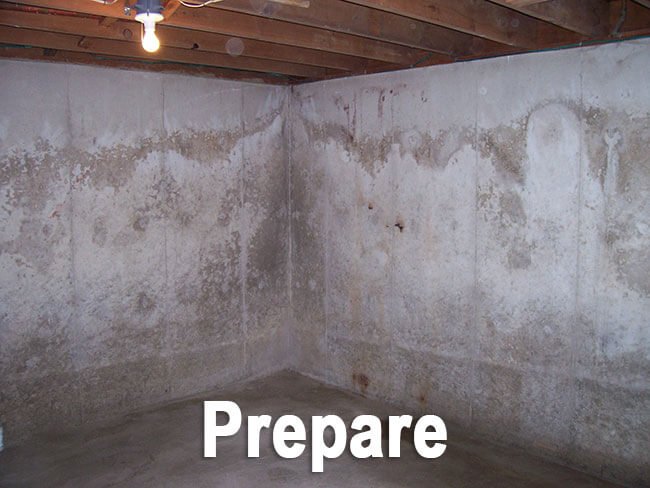
Understand how water gets in
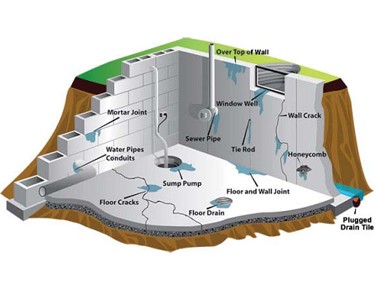
Water follows simple rules. It moves from wet to dry and from high to low. In basements, it shows up in four ways.
- Liquid leaks. Rain or groundwater pushes through cracks and joints.
- Wicking. Concrete pulls water up like a sponge.
- Vapor. Moist air moves through walls and floors.
- Condensation. Warm, wet air hits a cool wall and turns to water.
Look for these signs.
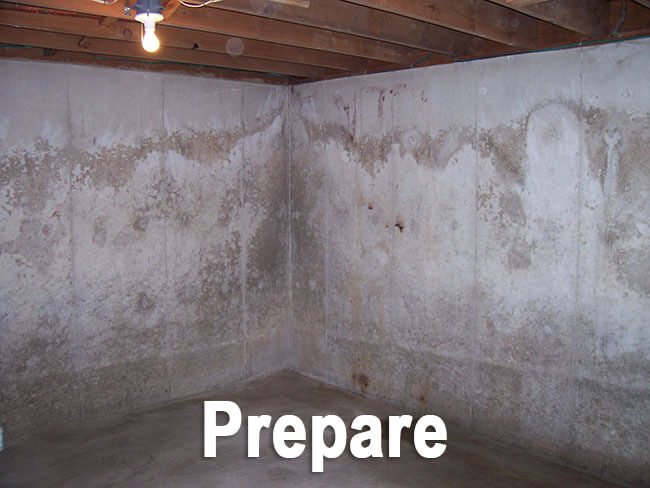
- White powder on walls. That is efflorescence.
- Musty smell. That is mold or mildew.
- Paint that peels or blisters.
- Rust on metal or stains on baseboards.
- Damp carpet or swollen trim.
To learn how to waterproof a basement, start by naming the source. Guessing wastes time and money. Good diagnosis makes the fix clear.
Diagnose the source before you seal
Do quick checks first. You can do them in a day.
- Walk your home in rain. Watch gutters, downspouts, and low spots.
- Tape a 2-foot plastic square on the wall. If water forms behind it, vapor is the issue. If it forms on the front, it is condensation.
- Mark damp spots on the wall and floor. Check if they line up with window wells or corners.
- Pour water near the foundation. If it seeps in fast, you may have a drain problem.
- Check plumbing. Look at the water meter for movement when all taps are off.
Write down what you see. Photos help. Once you find the causes, you will know how to waterproof a basement without guesswork.

Exterior defenses that work
Keep water away from the foundation first. This is the best long-term fix.
- Grade the soil to slope away. Aim for a 6-inch drop over the first 10 feet.
- Clean gutters twice a year. One downspout per 600 to 1,000 square feet of roof.
- Add downspout extensions. Send water at least 10 feet from the house.
- Fix low spots and settle lines. Fill with compacted soil and seed or sod.
- Add window well covers and drains. Tie drains into a footing drain if you have one.
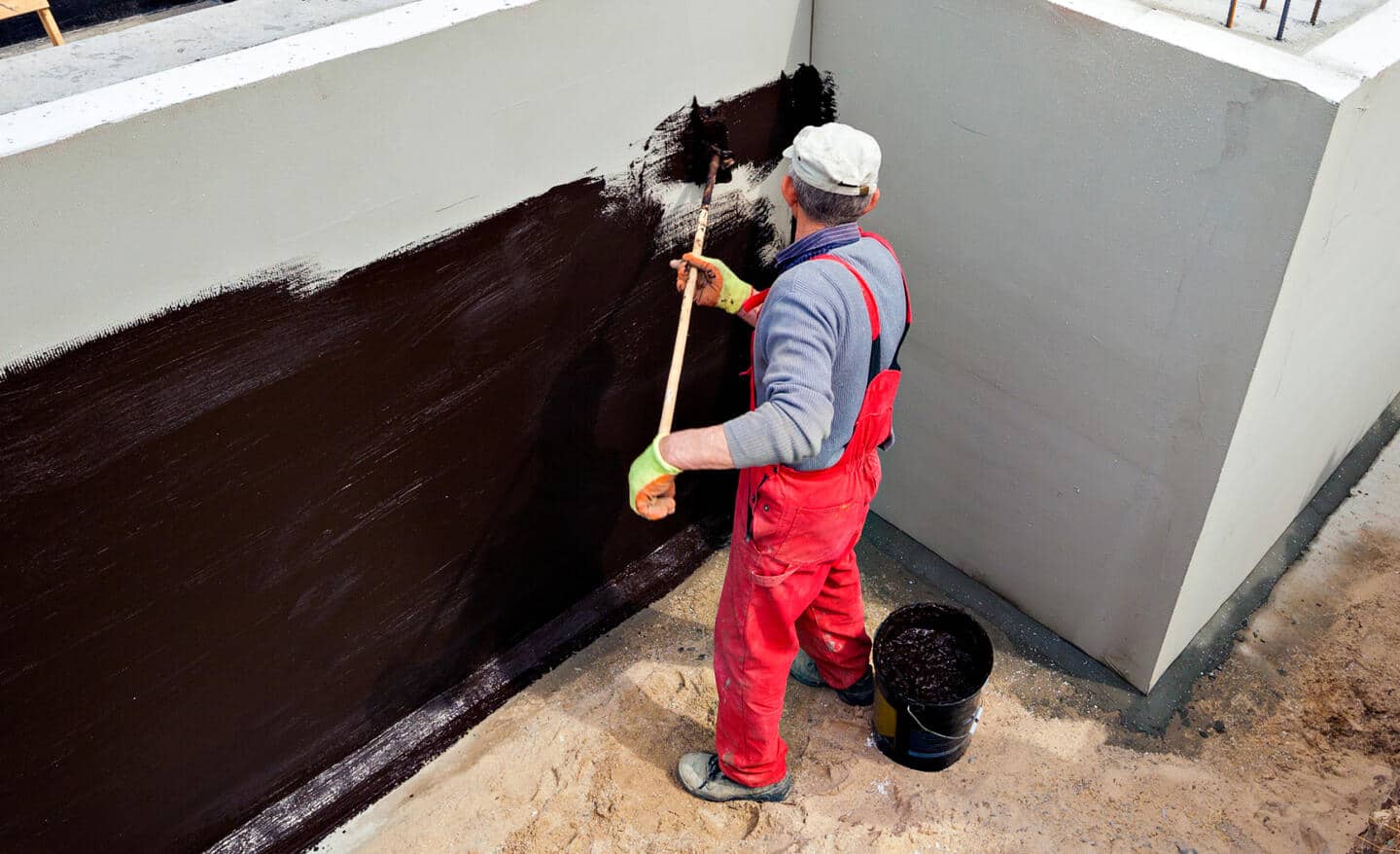
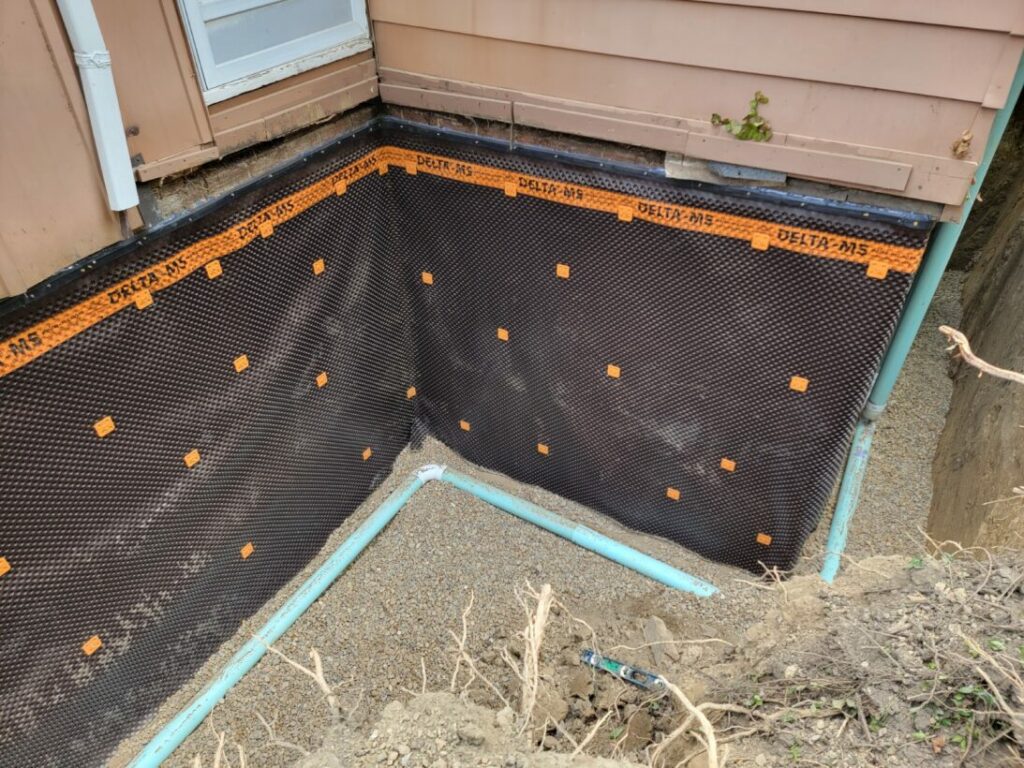
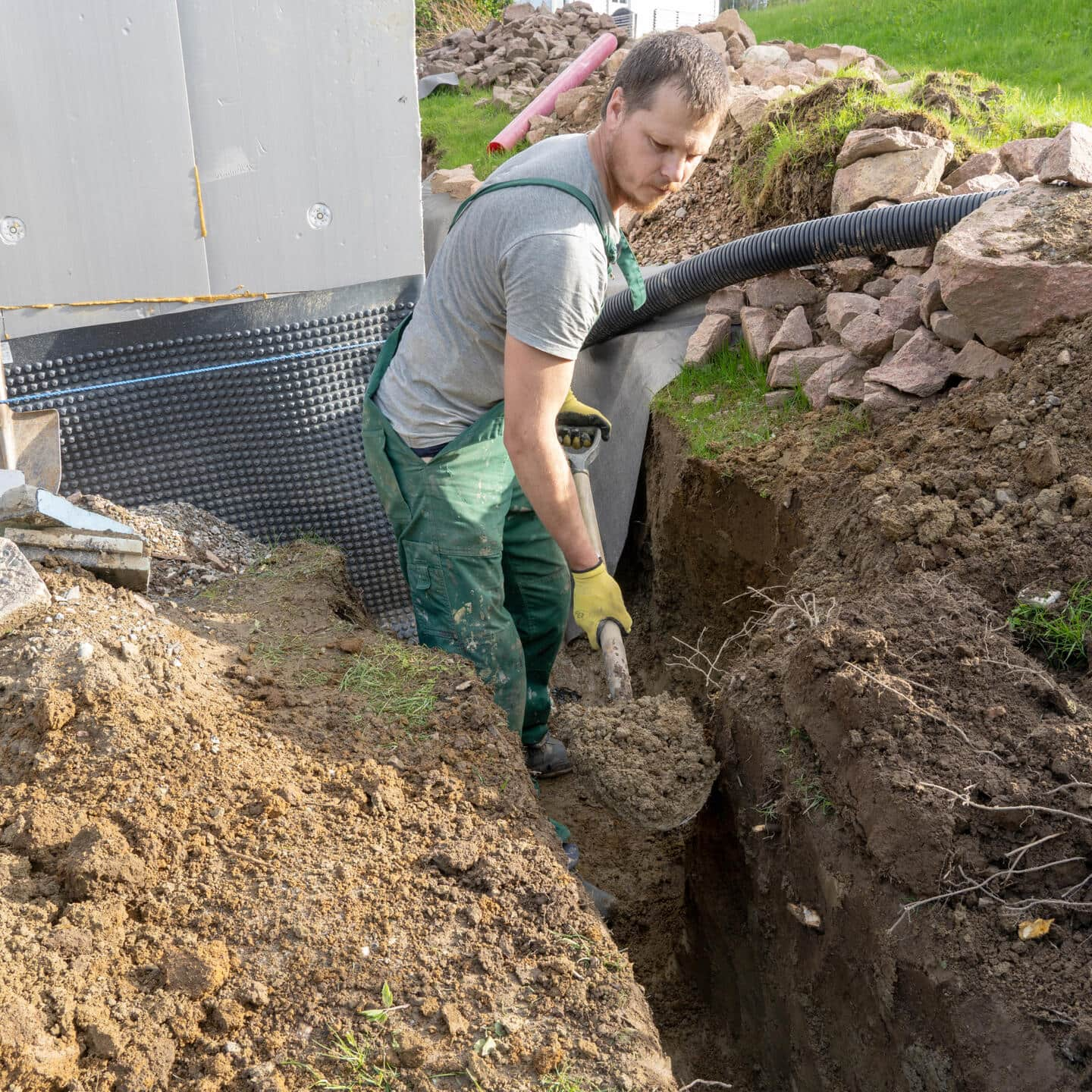
- Upgrade to a real waterproofing membrane, not only damp-proof paint. Use a dimple mat to relieve pressure.
- Install or repair footing drains. Wrap with fabric and bed in clean gravel.
Costs vary by home and soil. Grading is cheap. Membranes and exterior drains can cost more. Yet they often solve the root cause. If you want to know how to waterproof a basement for good, start here when possible.
Interior methods that stop leaks and seepage
When you cannot fix the outside, work inside.
- Seal small cracks. Inject polyurethane for moving cracks. Use epoxy for structural cracks after a pro checks them.
- Patch active leaks. Use hydraulic cement on cold joints and pipe penetrations.
- Brush on cementitious or crystalline coatings. These block water but need a sound, clean wall.
- Add an interior drain tile. Cut the slab at the edges. Lay a perforated pipe in gravel. Cover with concrete. Send water to a sump pump.
- Use a wall vapor barrier that drains to the system. This keeps walls dry and clean.
Interior systems do not stop water outside. They manage it inside. This is a smart way for how to waterproof a basement when digging is not an option.

Sump pumps, backups, and smart alerts
A sump pump is your last line of defense. It moves water out before it spreads.
- Choose a cast iron pump. It runs cooler and lasts longer.
- Size it for your head height and flow. Many homes do well with 1/3 to 1/2 HP.
- Add a check valve. It stops water from falling back.
- Use a deep, perforated basin with a lid. That cuts noise and vapor.
- Add a battery backup or a water-powered backup. Power fails during storms.
- Install a high-water alarm and Wi‑Fi alert. You will know if the pump fails.
- Test twice a year. Clean the pit. Replace the battery as directed.
If you ask how to waterproof a basement during big storms, a solid sump system is key.
Vapor control, insulation, and dehumidifiers
Dry air protects the whole space. Even when no water drips, vapor can feed mold.
- Aim for 45 to 55 percent relative humidity.
- Seal rim joists and penetrations first.
- Use closed-cell foam or rigid foam on walls. Avoid fiberglass on bare concrete.
- Use a continuous vapor barrier on the warm side when code allows.
- Add a dehumidifier sized to your space. A large unit beats two small ones. Drain it to a sump or a floor drain.
- Keep air moving. Run the HVAC fan on schedule or add a small inline fan.
This is a core part of how to waterproof a basement and keep it healthy year-round.
A simple weekend plan for minor seepage
You can handle light seepage in a weekend. Here is a plan I use.
Tools and materials
- Bleach-free cleaner, wire brush, and shop vacuum
- Hydraulic cement and polyurethane crack seal
- Cementitious coating and roller
- Downspout extensions and soil for grading
- Box fan and a dehumidifier
Steps
- Clean the walls. Remove paint that peels and scrub salts.
- Seal cracks and the cove joint with hydraulic cement.
- Roll on two coats of cementitious sealer. Follow cure times.
- Extend downspouts. Rake soil to slope away from the house.
- Run a dehumidifier. Aim for 50 percent RH.
This plan shows how to waterproof a basement without heavy tools. Test after the next rain. If water still appears, plan for an interior drain or call a pro.

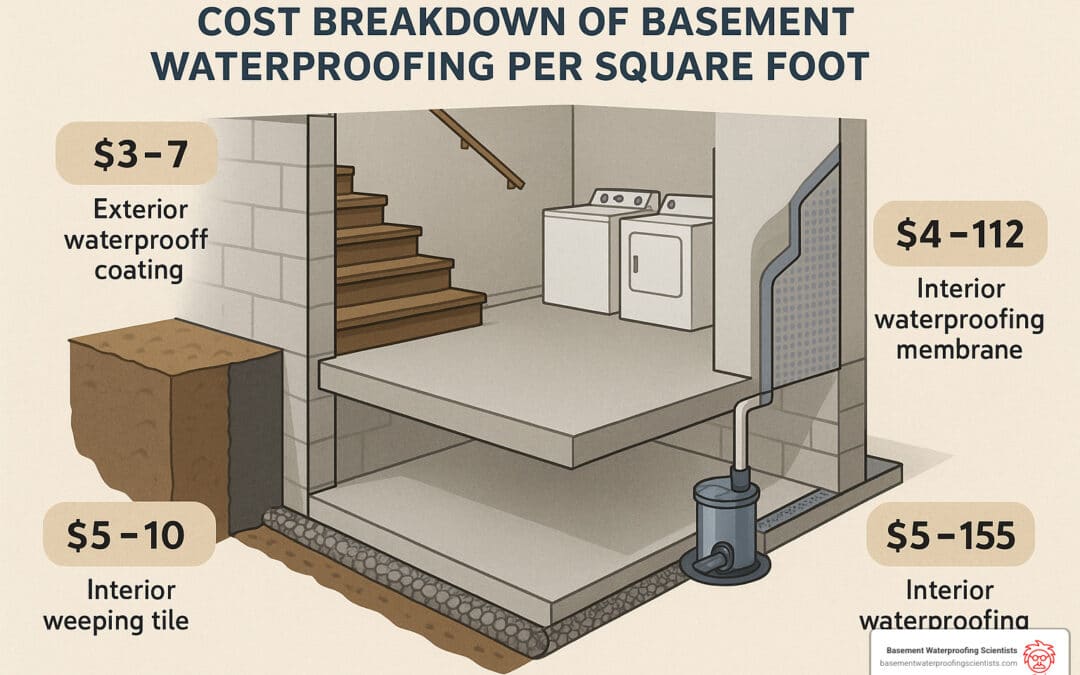
Costs, permits, and when to hire a pro
Budgets range a lot. Here is a rough guide.
- Grading and extensions. Low cost.
- Crack injection per crack. Low to medium.
- Interior drain and sump. Medium.
- Exterior membrane and drain. High.
- Full wall rebuild or anchors. Very high.
Ask your local office about permits. Sumps, drains, and egress windows may need them. Discharge sump water to the yard or storm line. Do not send it to a sanitary sewer.
Hire a pro when you see these signs.
- Horizontal cracks or bowing walls
- Fast, high-volume leaks
- A very high water table
- Repeated sewer backup
- Mold across large areas
A seasoned contractor knows how to waterproof a basement under pressure. They can match the fix to soil, footings, and code.
Maintenance schedule and quick inspections
Dry basements need simple care. Make it a habit.
Every season
- Clear gutters. Check downspouts and extensions.
- Walk the yard after rain. Look for pooling water.
- Test the sump pump and alarm.
Twice a year
- Check wall coatings and patch if needed.
- Vacuum dehumidifier coils and clean filters.
- Inspect window wells and covers.
Each year
- Regrade small low spots.
- Review your photos and notes.
- Update your plan for how to waterproof a basement as the house settles.
Common mistakes I have seen and how to avoid them
I have seen the same errors many times. They cause long delays and added costs.
- Painting over wet walls. Coatings will fail on damp, dirty surfaces. Dry and prep first.
- Short downspouts. Water dumps at the footing and comes right back in. Extend them 10 feet.
- No backup on the sump. The pump dies during storms. Add a battery or water-powered unit.
- Fiberglass on concrete. It traps moisture and feeds mold. Use foam insulation instead.
- Skipping diagnosis. People start with sealers, then add drains, then dig. Start with cause and plan the fix. That is the heart of how to waterproof a basement the smart way.
Frequently Asked Questions
How long does basement waterproofing last?
Exterior membranes and drains can last decades with proper install. Interior systems last many years if pumps and filters are maintained.
What is the best sealer for concrete walls?
Cementitious and crystalline products bond well and block water. They need clean, sound concrete and may not stop large leaks alone.
Do I need a dehumidifier if I have a sump pump?
Yes, if humidity is high. A pump moves liquid water, while a dehumidifier controls vapor and prevents mold.
Can I waterproof a basement from the inside only?
Yes, for many seepage cases. For heavy hydrostatic pressure or wall movement, you may need exterior work too.
How much does it cost to waterproof a basement?
Minor fixes can be low cost. Full drainage systems or exterior work can be much higher, based on size and soil.
Will a vapor barrier trap moisture in my walls?
Not if you pair it with proper drainage. Always allow a path for water to reach a sump or drain.
Conclusion
You now have a clear plan to stop leaks, move water out, and keep air dry. Start outside with grading and gutters. Seal cracks, add drains, and set up a strong sump system. Control vapor with foam and a good dehumidifier.
Pick one task today. Extend a downspout or test your pump. Small steps stack up fast. Want more tips on how to waterproof a basement and keep it that way? Subscribe, share your questions, or tell me what you are tackling next.