Design a minimalist home by editing essentials, balancing light, and adding calm texture.
I have helped dozens of clients turn busy rooms into quiet spaces that still feel warm. In this guide on How to Design a Minimalist Home, I’ll walk you through the method I use on real projects: clear steps, easy choices, friendly fixes, and lessons learned. You will leave with a plan you can use this week.
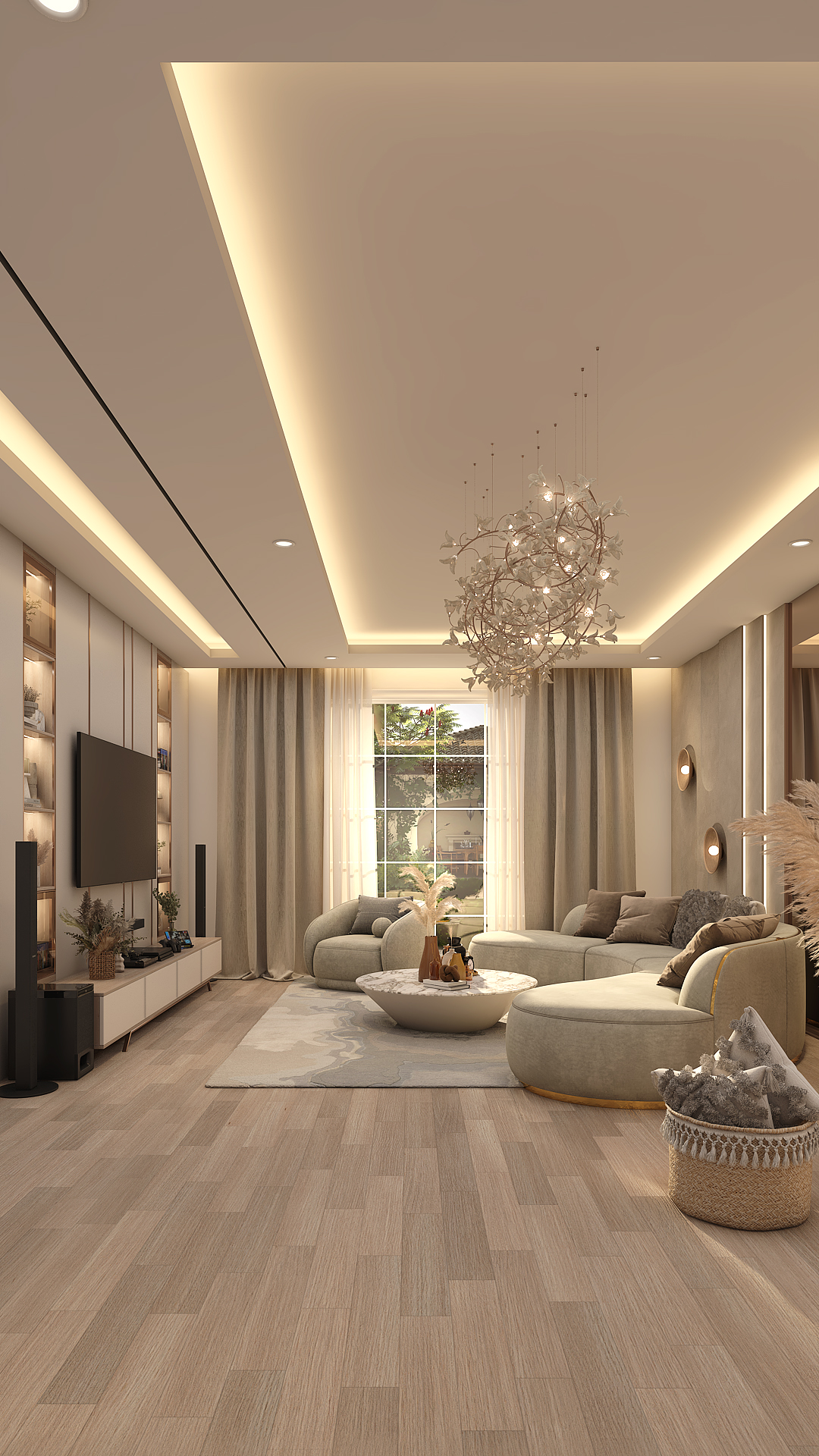
What Minimalism Really Means at Home
Minimalism is not empty rooms. It is clarity with comfort. You keep only what adds value. You give each item space to shine.
A minimalist home lowers stress. Fewer choices and less clutter free your mind. Cleaning is faster. Your rooms feel larger and lighter.
Think of it like a calm playlist. You choose a few good tracks. You turn the volume to a soothing level. You enjoy the silence between notes. That is How to Design a Minimalist Home with intention.

How to Design a Minimalist Home: A Step-by-Step Plan
Follow these steps to design a space that looks good and lives well.
- Set your why
- List three reasons you want less. Sleep better. Save time. Host with ease.
- Write them down. Tape the list inside a cabinet. It will guide choices.
- Audit the space
- Walk each room with a box and a notepad.
- Mark visual noise: piles, cables, busy patterns, and extra decor.
- Declutter by category
- Clothes, books, papers, kitchen tools, decor, digital files.
- Keep what you use or love. Release the rest.
- Choose a core palette
- Two light neutrals, one mid tone, one accent.
- Repeat across rooms for flow.
- Pick fewer, better furniture pieces
- Favor clean lines and solid build.
- Choose multi-use items like a bench with storage.
- Plan storage early
- Hidden storage keeps surfaces clear.
- Label the inside. Labels calm the brain.
- Layer texture, not stuff
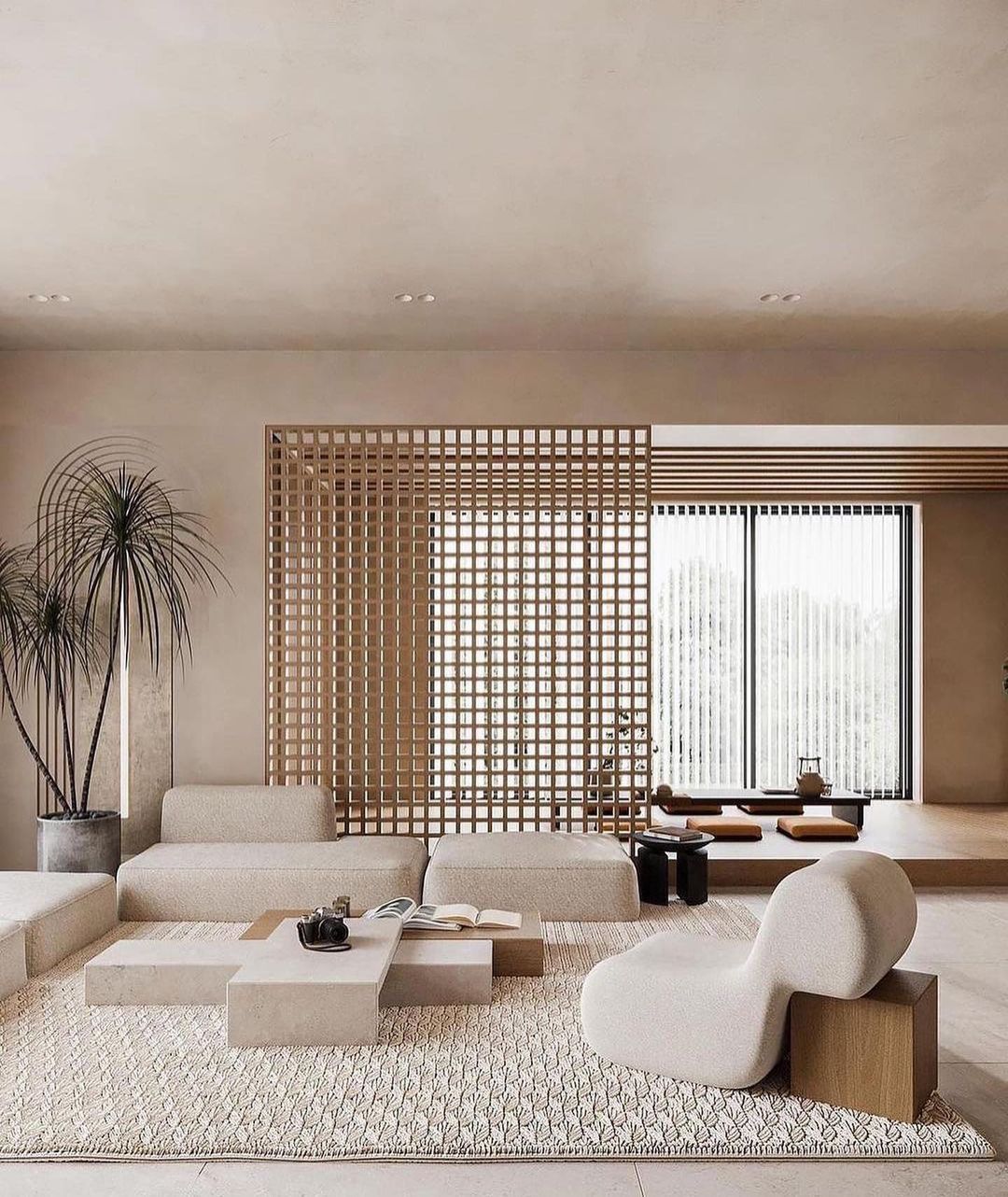
- Linen, wool, wood, stone, matte metal.
- This is how to design a minimalist home that still feels warm.
- Light in three layers
- Ambient, task, accent.
- Add dimmers. Aim for soft, even light.
- Edit art and objects
- One strong piece per wall is enough.
- Group small items on a single tray.
- Tame tech and cables
- Use cord channels and power strips with switches.
- Hide routers in ventilated cabinets.
- Create daily reset habits
- Five-minute tidy at night.
- One-in, one-out rule for new items.
PAA-style quick answers
Q: Where do I start if I feel overwhelmed?
A: Start with the entry. Clear the floor and surfaces. Then move to one closet.
Q: How many colors should I use?
A: Aim for three to five total. Keep most items in light tones for an airy feel.
Q: How do I keep it from feeling cold?
A: Add natural textures and warm light. Use wood, woven baskets, and soft rugs.
This is the core of How to Design a Minimalist Home. Keep, repeat, and refine.
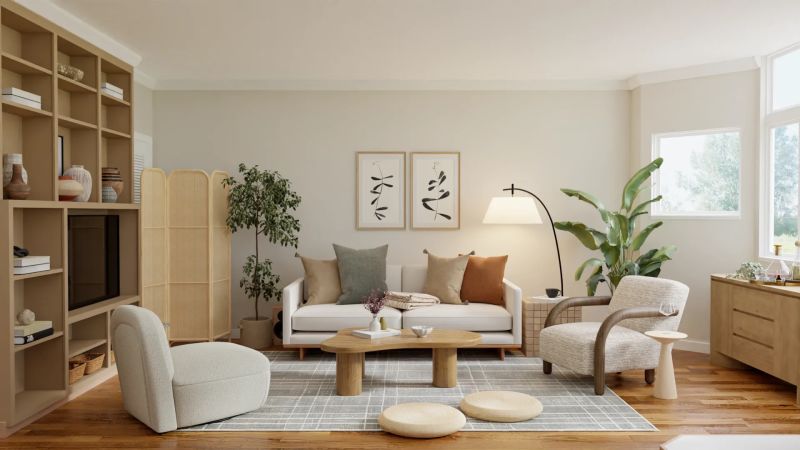
Decluttering That Lasts
Fast purges bounce back. Gentle, steady edits stick. I learned this after a client re-filled a cleared room within a month.
Try these methods
- Four-box method: keep, donate, recycle, unsure. Decide the unsure box weekly.
- 90/90 rule: if you have not used it in 90 days and will not in 90 more, let it go.
- One shelf at a time: finish a small zone in 20 minutes.
Make parting easier
- Take a photo of sentimental items.
- Donate to a place that aligns with your values.
Set boundaries
- Space limits stuff. One drawer for tools. One bin for kids’ art. When full, review.
This is a kind way to follow How to Design a Minimalist Home without guilt.
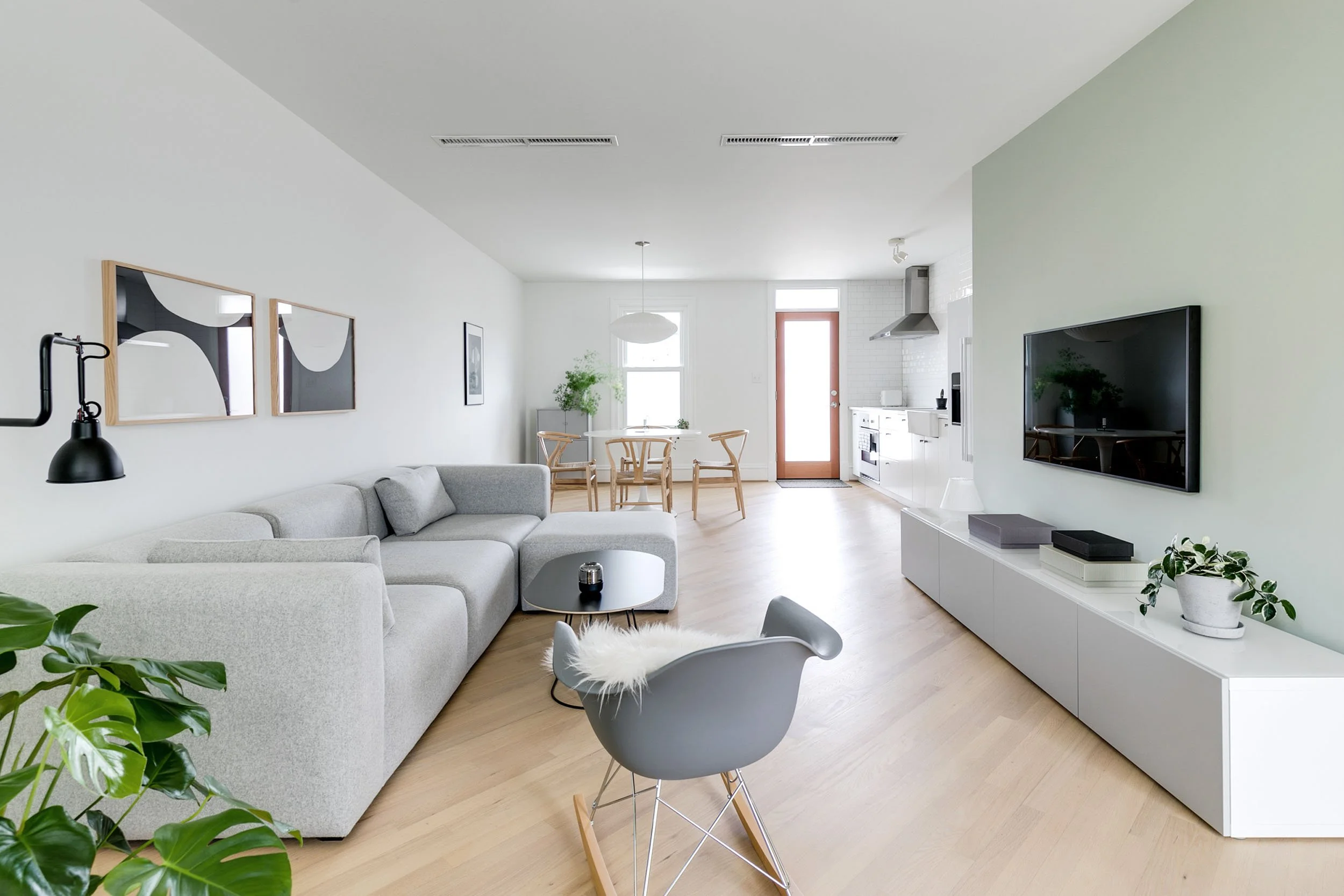
Color, Contrast, and Texture
A good palette is quiet but not flat. Aim for warm whites, soft grays, or earthy beiges. Add a muted accent, like olive or ink blue.
Use the 60-30-10 idea
- 60 percent base color on walls and big pieces.
- 30 percent support color on textiles and chairs.
- 10 percent accent on art or a vase.
Build depth with texture
- Mix smooth paint, nubby linen, raw wood, and matte metal.
- Keep patterns simple and large scale.
Natural light shifts color all day. Test swatches on two walls before you paint. This small step is key in How to Design a Minimalist Home that feels calm at noon and at night.

Furniture and Layout for Flow
Pick fewer pieces with clean lines. Choose the right size for the room. Too big looks cluttered. Too small looks weak.
Plan clear paths
- Leave at least 30 inches for walkways.
- Keep sofas off walls to make space feel designed.
Favor multi-use items
- Nesting tables.
- Storage ottoman.
- Extendable dining table.
Create zones with rugs and light. A single large rug calms a room better than many small ones. In my own living room, swapping two small rugs for one big wool rug changed the whole feel. It looked bigger at once. That is a small win in How to Design a Minimalist Home.
:max_bytes(150000):strip_icc()/af1be3_62183d9f16f2447bbf115378c560846d_mv2-1-029e653292c24befad37789b75b9b124.jpeg)
Smart Storage Without Visual Noise
Closed storage keeps the room serene. Open shelves need strict editing. Use them for books you love or one simple display.
Core ideas
- Built-in where you can. Simple flat fronts hide busy lines.
- Vertical space is gold. Use tall cabinets and high shelves with doors.
- Use matching boxes inside closets. Label the front.
- Corral daily items in trays at entry and on dressers.
- Hide cables with channels and grommets.
I ask clients to assign a home to every item. If it has no home, it should not come in. That habit powers How to Design a Minimalist Home that stays tidy.
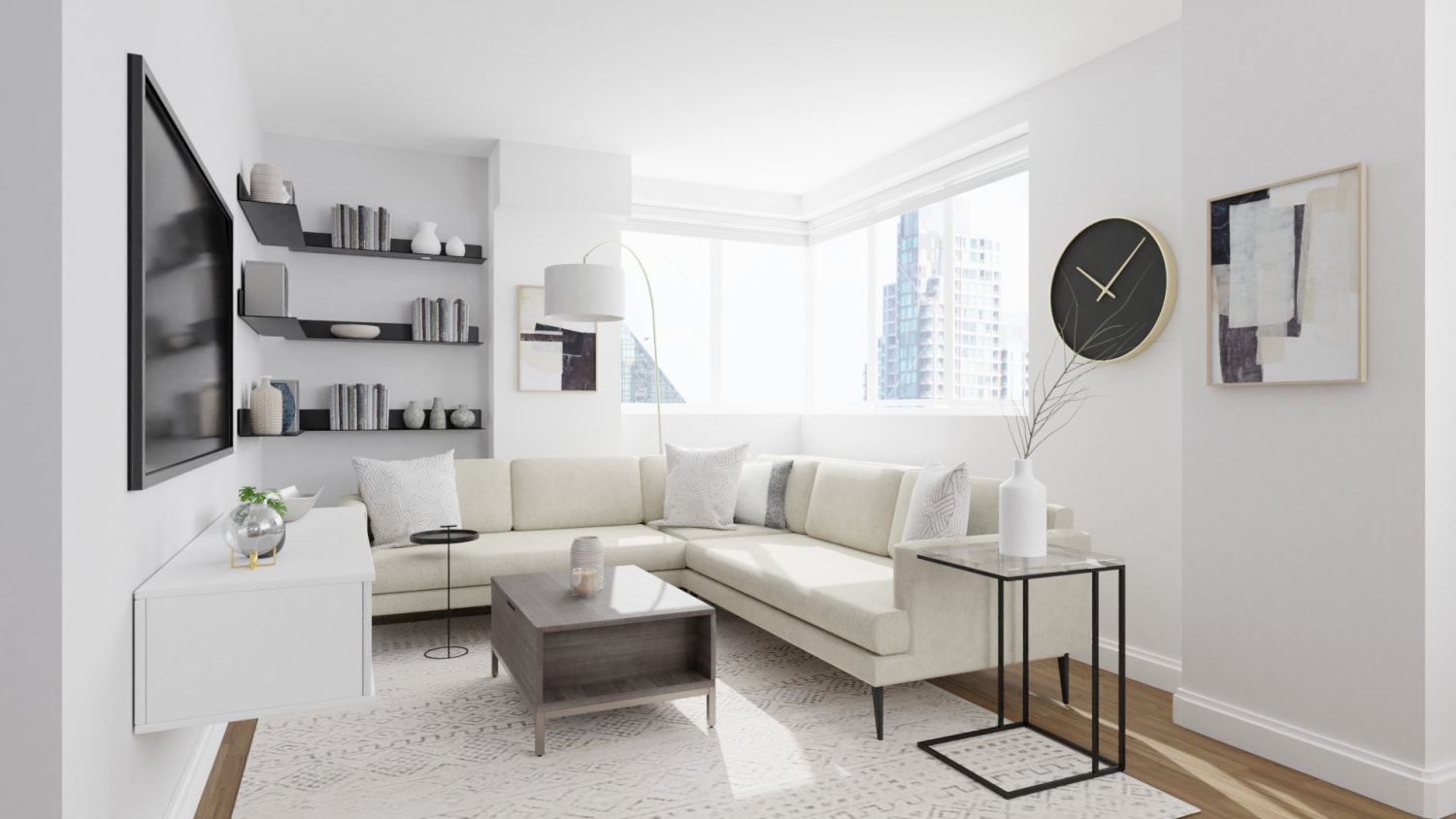
Lighting and Atmosphere
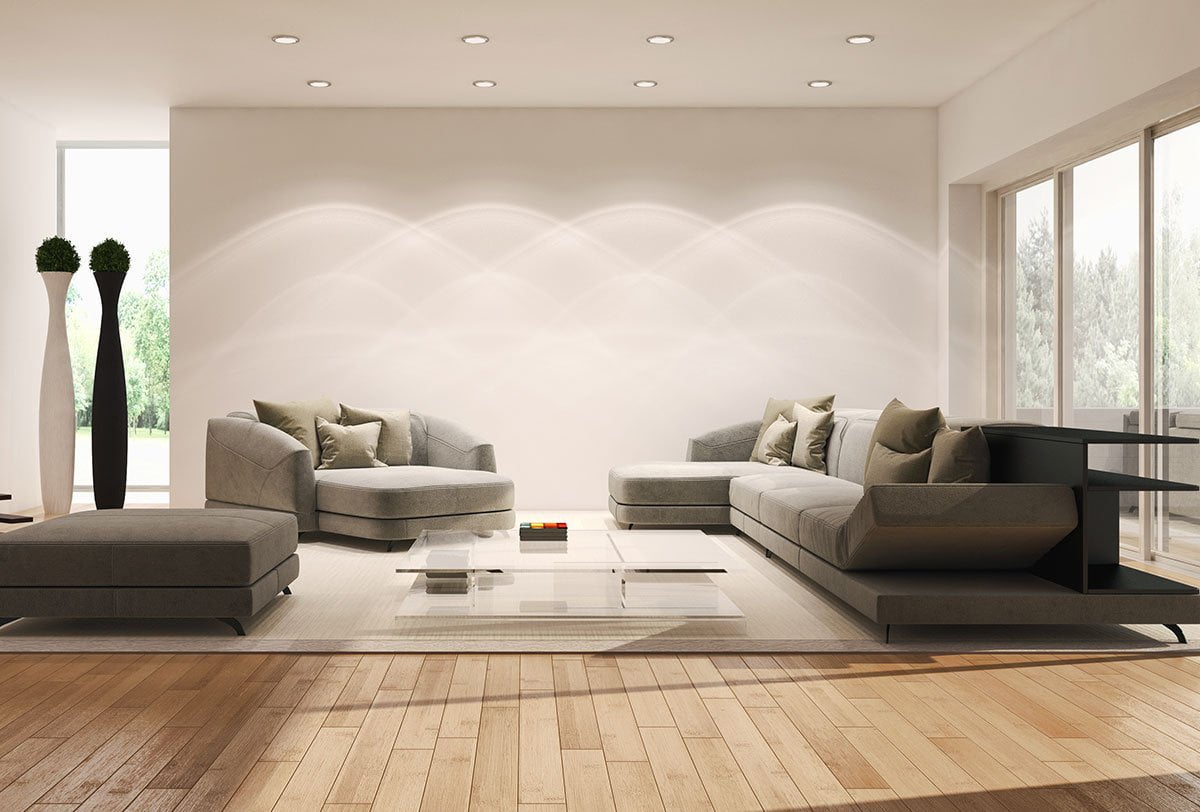
Good light is like good editing. It sets the mood and shows the form.
Layer it
- Ambient: flush mount or recessed for even light.
- Task: lamps near seats, under-cabinet in kitchens.
- Accent: a slim sconce, a small spotlight for art.
Mind color temperature
- Use warm white for living areas.
- Use neutral white for task zones.
Let in daylight. Keep window dressings simple. Use sheer panels or rollers. Add dimmers to calm nights. These small moves shape How to Design a Minimalist Home you want to come back to.
Room-by-Room Minimalism
Living room
- One sofa, one chair, and one table may be enough.
- Hide remotes in a drawer.
- Use one large art piece or a simple grid.
Kitchen
- Clear counters. Store tools by task.
- Use one set of daily dishes. Donate extras.
- Decant pantry staples only if it helps you.
Bedroom
- Low bed, two simple nightstands, soft lamps.
- Under-bed bins for off-season clothes.
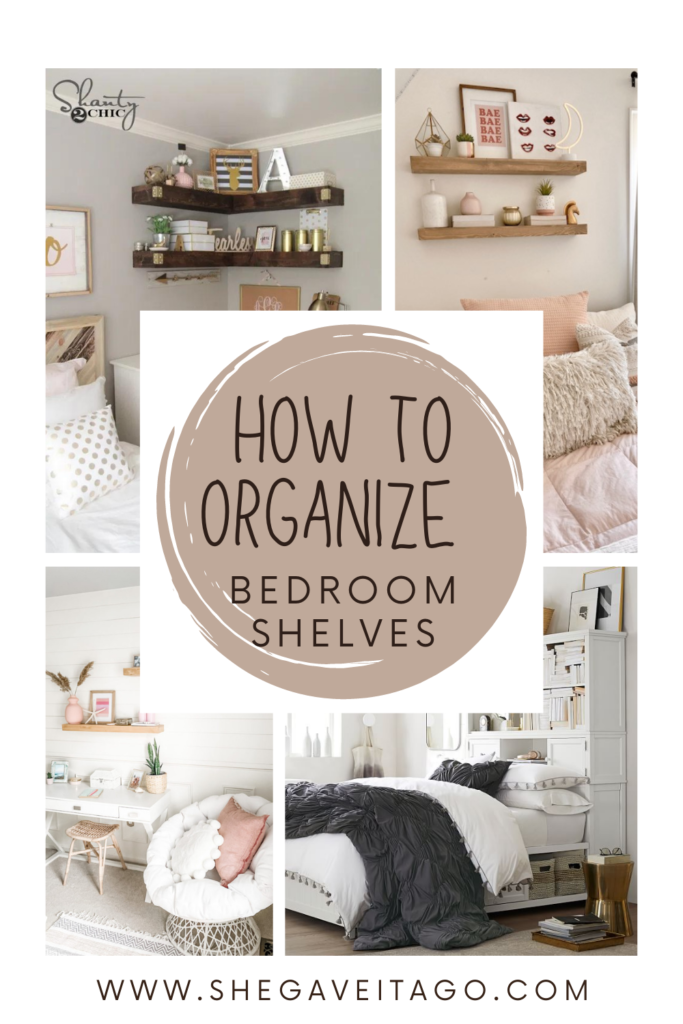
- Keep decor to two or three calm items.
Bathroom
- One caddy per person.
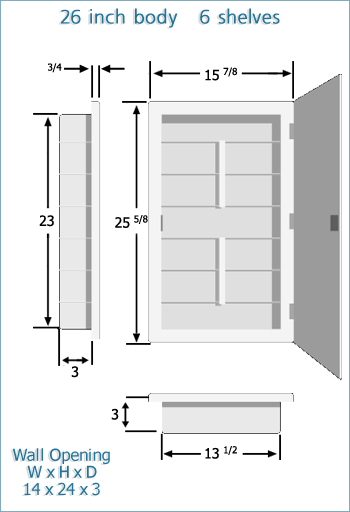
- Use wall hooks and a slim cabinet.
- Choose light, washable towels.
Workspace
- One clear surface. A drawer unit on wheels.
- Cable tray under the desk.
- A plant for life and color.
Small apartment
- Use foldable or nesting pieces.
- Mirror near a window.
- A single palette across all rooms.
Treat each room as a chapter. That is how you stitch together How to Design a Minimalist Home that feels whole.
Budget-Friendly Ways to Design a Minimalist Home
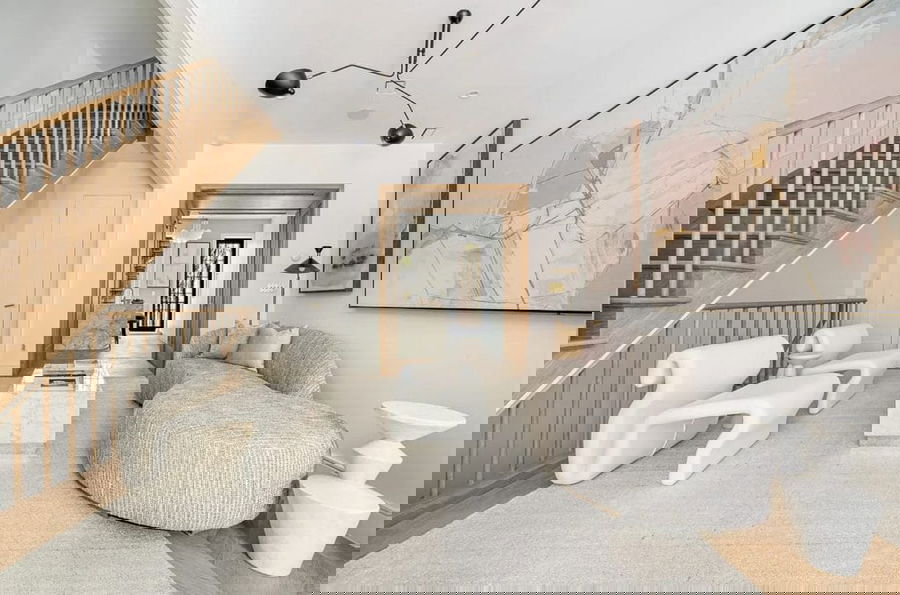
You do not need a big budget. You need a plan and patience.
Spend smart
- Buy less but better. Solid wood over flimsy veneer.
- Source secondhand. Look for clean lines and good bones.
- Refresh with paint. Swap hardware for a quick lift.
- Reuse what you have. Move a bench from hall to dining.
- Upgrade in phases. Start with lighting and storage.
Set a simple order
- Fix function first. Then finish surfaces. Add decor last.
- Track costs in a shared note. This keeps you honest.
A clear budget supports How to Design a Minimalist Home that lasts and does not strain your wallet.
Sustainability and Maintenance
A minimalist home can be greener by design. Fewer, durable goods mean less waste.
Choose better materials
- Solid wood with certified sources.
- Low-VOC paint for healthy air.
- Natural fiber rugs and curtains.
Save energy and water
- LED bulbs with dimmers.
- Low-flow showerheads and taps.
- Seal drafts and use smart thermostats.
Keep it simple
- Weekly reset: floors clear, counters wiped, laundry done.
- Monthly edit: a drawer, a shelf, one digital folder.
- Seasonal check: donate, repair, or recycle.
These habits lock in How to Design a Minimalist Home with care for you and the planet.
Common Mistakes and How to Fix Them
Too cold and sterile
- Add wood, woven baskets, warm bulbs, and a plant.
Not enough storage
- Add a closed cabinet or a bed with drawers.
Tiny decor scattered everywhere
- Group items on one tray or choose one larger piece.
All trend, no you
- Keep one or two personal items in each room.
Ignoring family needs
- Create drop zones and kid-friendly bins.
- Use washable slipcovers and rugs.
Use mistakes as clues. Fix them fast. That is the real craft of How to Design a Minimalist Home.
Frequently Asked Questions of How to Design a Minimalist Home
How many decor pieces should I have on a shelf?
Aim for odd numbers and leave space. Three items on a shelf usually look clean and balanced.
What is the best first buy for a minimalist living room?
A good rug or a well-sized sofa. These two set the tone and help every other item fall into place.
Can I do color in a minimalist home?
Yes. Use one accent color in small, bold hits. Keep most surfaces neutral to hold the calm.
How do I design a minimalist home with kids or pets?
Use closed storage and durable fabrics. Create easy drop zones so cleanup is fast and stress stays low.
How often should I declutter to keep my home minimalist?
Do a five-minute daily reset and a 20-minute edit each week. A short seasonal review keeps closets and drawers on track.
Conclusion
Less can feel like more when each choice has a job. Start small, set your why, clear one zone, and repeat. That is the heart of How to Design a Minimalist Home you will love to live in.
Pick one room this week and try the steps. Share your progress, ask a question, or subscribe for more simple home tips.