Choose a sofa by measuring, testing comfort, checking build, fabric, style, and fit.
I’ve helped dozens of families pick a sofa that looks great and lasts. In this friendly, expert guide on how to choose the perfect sofa for your home, I’ll show you clear steps, pro tips, and real-life lessons so you can shop with total confidence.
Start with your room: size, traffic, and scale
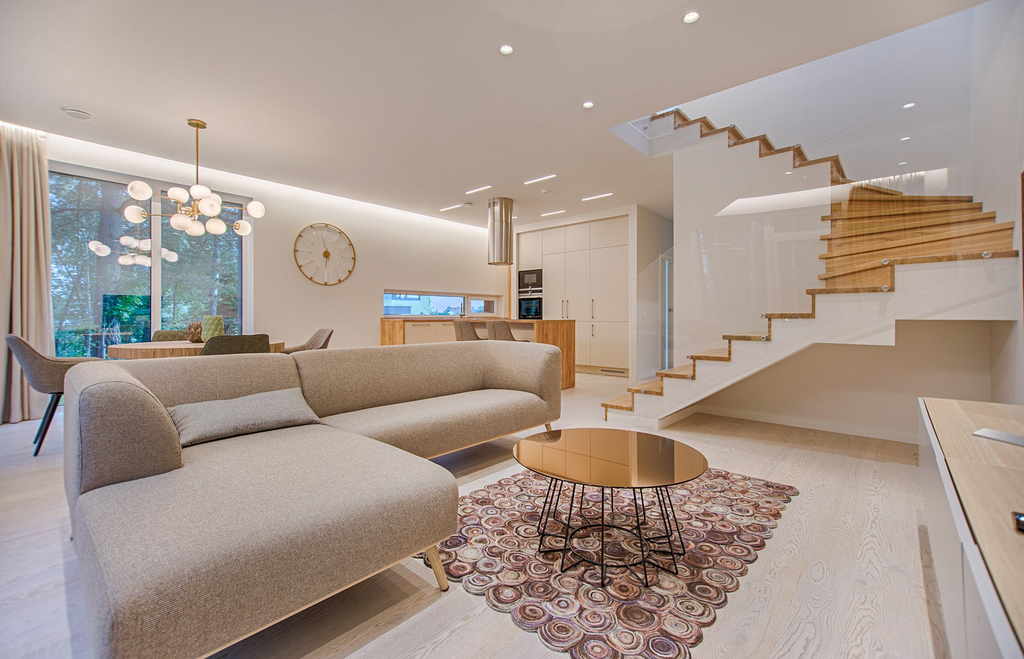
If you want to know how to choose the perfect sofa for your home, begin with space. Measure wall-to-wall width, depth, and key clearances. Then map how people move through the room.
Use painter’s tape on the floor to outline sofa sizes. Stand back and check sight lines to doors, windows, and the TV. Think about pets, kids, and daily use. Size and layout decide comfort and flow.
Key checks before you shop:
- Measure the doorways, halls, and stairs the sofa must pass through.
- Leave at least 30–36 inches for walkways.
- For coffee table spacing, keep 14–18 inches from the sofa edge.
Pro tip from the field: I once loved a deep sectional that ate half the room. We could not open a storage cabinet. Tape saves that pain.
What sofa size fits a small living room?
Aim for 72–84 inches wide for tight rooms. Choose a slimmer arm and a raised leg to lighten the look and free up floor space.

Comfort that fits your body
How to choose the perfect sofa for your home also means choosing comfort that suits you. Focus on seat depth, seat height, back height, and cushion fill. These decide how you sit, lounge, or nap.
What to test in the store:
- Seat depth: Most people like 21–23 inches. Tall folks may prefer 24–26 inches. Petite users feel better at 19–21 inches.
- Seat height: 17–19 inches helps most knees bend at 90 degrees.
- Back support: Try tight-back for support or loose pillows for a plush feel.
- Cushion fill: High-resiliency foam keeps shape. Foam with down or fiber wrap feels softer. Spring down adds bounce.
Sit for at least eight minutes. Shift, cross legs, and lean back. I learned the hard way. A pretty sofa with shallow seats made every movie night a fidget fest.
What seat depth is best?
If you sit upright, go shallower. If you lounge or curl up, go deeper. Shared sofa? Pick a middle ground around 22 inches or add a chaise.

Construction: the hidden backbone
How to choose the perfect sofa for your home gets easier when you know what’s inside. The frame, joinery, and suspension decide lifespan.
What to look for:
- Frame: Kiln-dried hardwood is the gold standard. Engineered hardwood can work if well built.
- Joinery: Mortise-and-tenon, corner blocks, and glued, screwed joints beat simple staples.
- Suspension: Eight-way hand-tied springs feel luxe and last. Quality sinuous springs are great for value. Avoid webbing-only on main sofas.
- Legs: Integrated frame legs are stronger than screw-ons.
A quick test: Lift one front corner four inches. The other front leg should rise too. If it doesn’t, the frame may twist.

Fabric or leather: durability, cleanability, and feel
How to choose the perfect sofa for your home often comes down to fabric. Think about stains, pets, sun, and texture. Good fabric changes everything.
Fabric basics:
- Performance fabrics: Stain resistant and easy to clean. Great for kids and pets.
- Polyester and microfiber: Durable and budget friendly.
- Cotton and linen: Breathable and natural. Choose blends for fewer wrinkles.
- Bouclé and chenille: Cozy, but watch for snags with pets.
Durability metrics:
- Martindale or double-rub ratings signal wear strength. For busy homes, aim for 20,000+ double rubs or heavy domestic on Martindale.
- Colorfastness helps with sun. Use window films or rotate cushions to reduce fade.
Leather choices:
- Full-grain: Most durable. Gains a rich patina.
- Top-grain: Strong and a bit more uniform.
- Corrected-grain: Coated for easy care, less natural look.
- Bonded or faux: Budget, not as long-lasting.
Cleaning codes help:
- W means water-based cleaners.
- S means solvent-based.
- WS means both.
- X means vacuum only.
Style that suits your home
How to choose the perfect sofa for your home also means a style match. Pick a silhouette and details that echo your space.
Match by elements:
- Arm style: Track arms feel modern. Rolled arms lean classic. English arms are graceful and timeless.
- Back style: Tight-back is neat and supportive. Loose-back is relaxed and cozy.
- Legs: Tapered wood nods mid-century. Turned legs feel traditional. Metal legs feel sleek.
- Tufting and seams: Button tufting reads classic. Channel seams feel modern.
Color and pattern:
- A neutral sofa anchors bold rugs and art. Try warm gray, sand, camel, or olive.
- Love color? Muted blues or greens are easy to live with.
- Pattern hides wear. Subtle herringbone or tweed adds depth without chaos.
Trends are fun, but plan for ten years. I ask clients to picture the room with holiday decor and summer light. If it still works, it’s a keeper.

Configuration: sofa, sectional, chaise, sleeper, or recliner
Space use decides layout. This is a key step in how to choose the perfect sofa for your home. Choose forms that fit your habits.
Options to weigh:
- Standard sofa: Flexible with accent chairs. Best for small rooms.
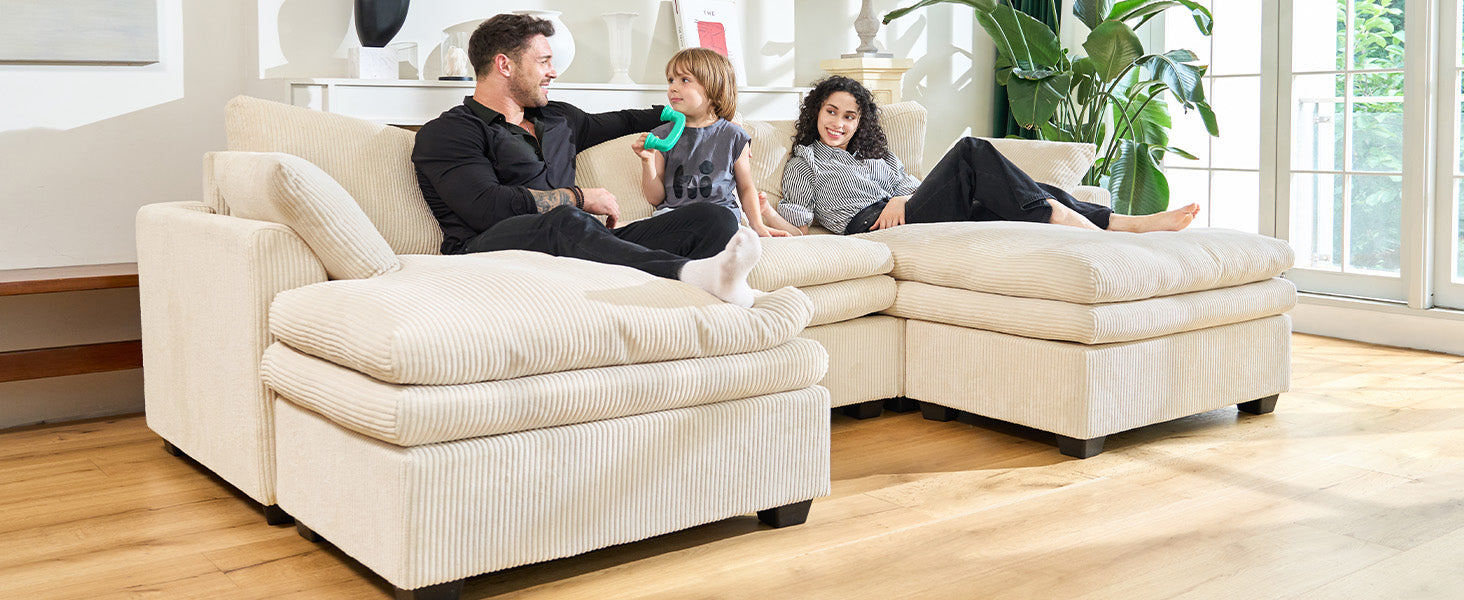
- Sectional: Great for families and corners. Shape the room and add seats.
- Chaise: Good for lounging without a full sectional.
- Modular: Reconfigurable as life changes.
- Sleeper: Guests stay over without a guest room.
- Recliner or motion: Comfort first, but check wall clearance and cord routes.
Layout basics:
- Create a U or L for easy chat.
- Keep pathways open.
- Align the main seat with the main view, not just the TV.
Is a sectional or a sofa better?
Choose a sectional if you host groups or need a cozy zone. Pick a sofa if you change layouts often or want light, airy flow.

Budget and value: where to spend and where to save
Price depends on frame, suspension, fabric, and brand overhead. To master how to choose the perfect sofa for your home, link spend to your goals.
Smart budget rules:
- Pay for frame and suspension. These you cannot fix later.
- Choose performance fabric if you expect heavy use.
- Save on designer labels and trendy trims.
Typical tiers:
- Entry: Simple frames, sinuous springs, basic fabrics. Good for apartments.
- Mid: Kiln-dried frames, better cushions, performance fabric options.
- Premium: Top joinery, hand-tied springs, luxury textiles or full-grain leather.
I advise clients to buy the best build they can, then choose a classic shape. You can refresh pillows and throws for years at low cost.

Delivery, access, and returns
Many great sofas fail on delivery day. How to choose the perfect sofa for your home includes a smooth fit into the home.
Access checklist:
- Measure the narrowest point on the path. Compare with sofa height, width, and length.
- Check banister turns, low ceilings, and tight corners.
- Ask about removable legs, backs, or arms.
Before you order:
- Confirm lead times, return windows, and restocking fees.
- Review warranty length and what it covers.
- Consider white-glove delivery and packaging haul-away.
On arrival:
- Inspect seams, legs, and cushions before signing.
- Photograph any issues right away for claims.
Care tips to make it last
Care keeps the sofa fresh. It is the final step in how to choose the perfect sofa for your home and protect your investment.
Simple habits:
- Vacuum weekly with a brush tool.
- Rotate and flip cushions monthly if reversible.
- Blot spills fast. Follow the fabric code.
- Use arm caps or throws in high-wear spots.
- Keep out of direct sun when you can.
For leather:
- Dust often and condition as recommended.
- Wipe spills fast and avoid harsh cleaners.
If pets join you, trim nails and add a cozy pet throw. A little routine saves years of life.
Frequently Asked Questions of How to choose the perfect sofa for your home
How long should a quality sofa last?
A well-built sofa can last 8–15 years with normal use. Frames, suspension, and fabric quality drive the lifespan.
What is the best cushion fill for comfort and support?
High-resiliency foam with a fiber or down wrap balances support and softness. Pure down feels plush but needs more fluffing.
Are performance fabrics worth it for families?
Yes. They resist stains, clean easily, and handle daily wear. They are ideal for kids, pets, and high-traffic rooms.
How can I tell if a sofa frame is strong?
Ask about kiln-dried hardwood and corner blocking. Try the corner-lift test to check for racking or flex.
Should I choose a tight-back or loose-back sofa?
Tight-back offers neat lines and firm support. Loose-back feels relaxed and allows you to adjust pillows for comfort.
What color sofa is most versatile?
Neutrals like warm gray, beige, or camel work with many styles. Add color through pillows, throws, and art.
How do I pick the right arm style?
Track arms save space and look modern. Rolled or English arms feel classic and are comfy for leaning.
Conclusion
You now know how to choose the perfect sofa for your home by measuring your space, testing comfort, checking construction, and picking the right fabric, style, and layout. Take your time, sit-test in person, and match the sofa to how you live.
Make a short list, tape the floor, and schedule store visits this week. Share your picks or questions in the comments, and subscribe for more room-by-room guides.