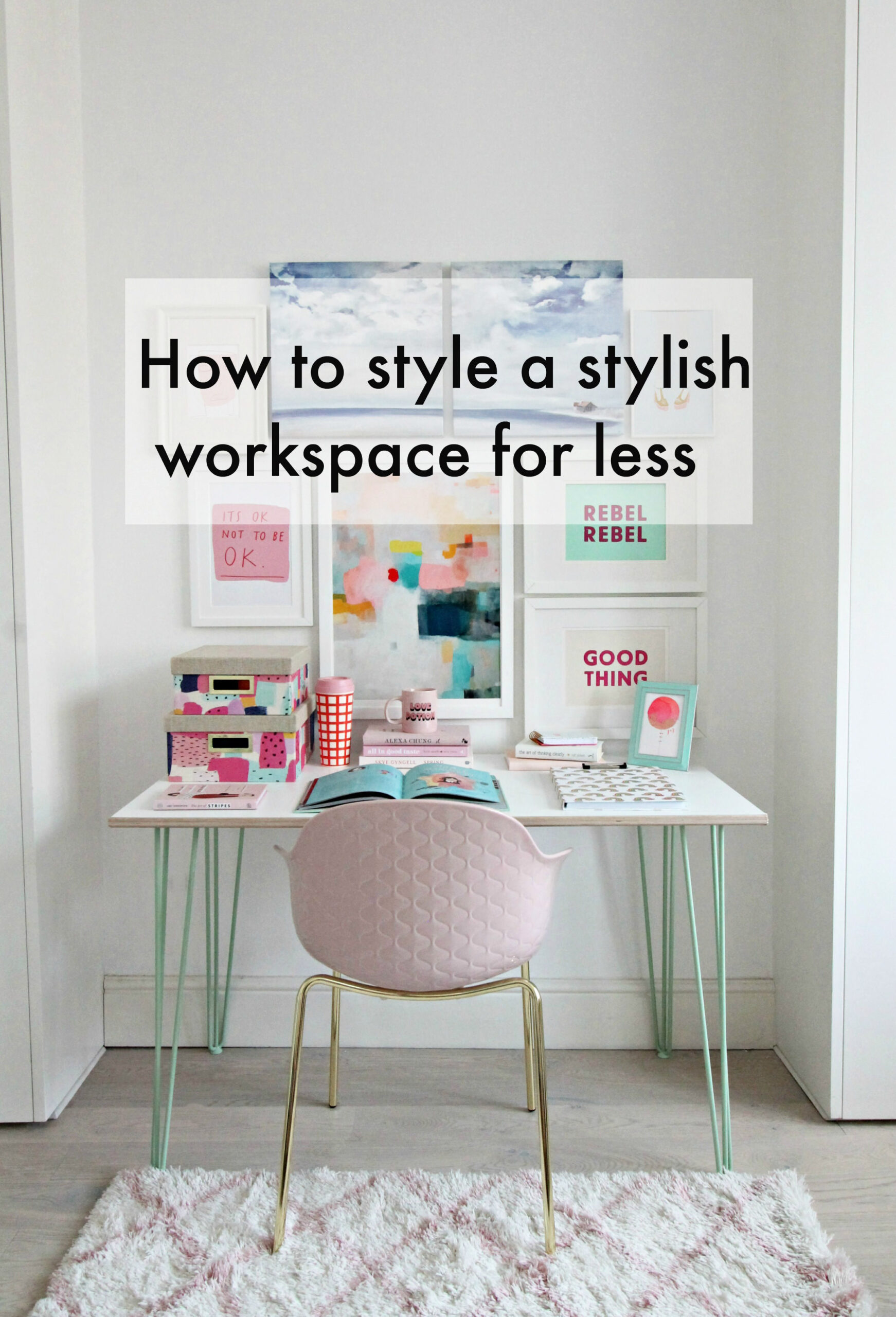
Style your workspace by aligning layout, light, color, and tools with your work.
If you want to learn how to style a workspace that looks great and boosts focus, you are in the right place. I have designed studios, remote desks, and tiny corners for years, and I’ll show you how to style a workspace that is calm, smart, and easy to maintain. This guide breaks down choices step by step so you can build a setup that supports your goals all day.

Start With Purpose: Define What Your Workspace Must Do
Before you buy a lamp or a plant, get clear on use. This shapes every choice and stops impulse buys.
- List your top tasks. Writing, coding, sketching, video calls, deep work, or crafting.
- Note your tools. Laptop, dual monitors, mic, tablet, reference books, or a drawing board.
- Set limits. Room size, shared space, budget, and rental rules.
- Choose the vibe. Calm and minimal, warm and cozy, or bright and creative.
Personal tip: I learned how to style a workspace the hard way by starting with decor. It looked nice but failed in use. Now I begin with a simple brief: tasks, tools, limits, vibe. It keeps style tied to function.
How to style a workspace starts here. When purpose leads, form follows with ease.

Map Your Layout: Zones, Flow, And Focal Points
Good layout stops clutter and saves time. Divide your space into clear zones.
- Focus zone. Desk, chair, monitors, task light.
- Support zone. Shelves, drawers, printer, whiteboard.
- Restore zone. Plant, soft light, footrest, or a chair to break from the screen.
Place the desk so light falls from the side to cut glare. Keep the main reach zone clear for daily tools only. Store the rest an arm’s length away.
Pro move: Angle the desk slightly toward a window or a wall with art. It gives a visual anchor and reduces distraction.
Color Psychology: Pick A Palette That Works
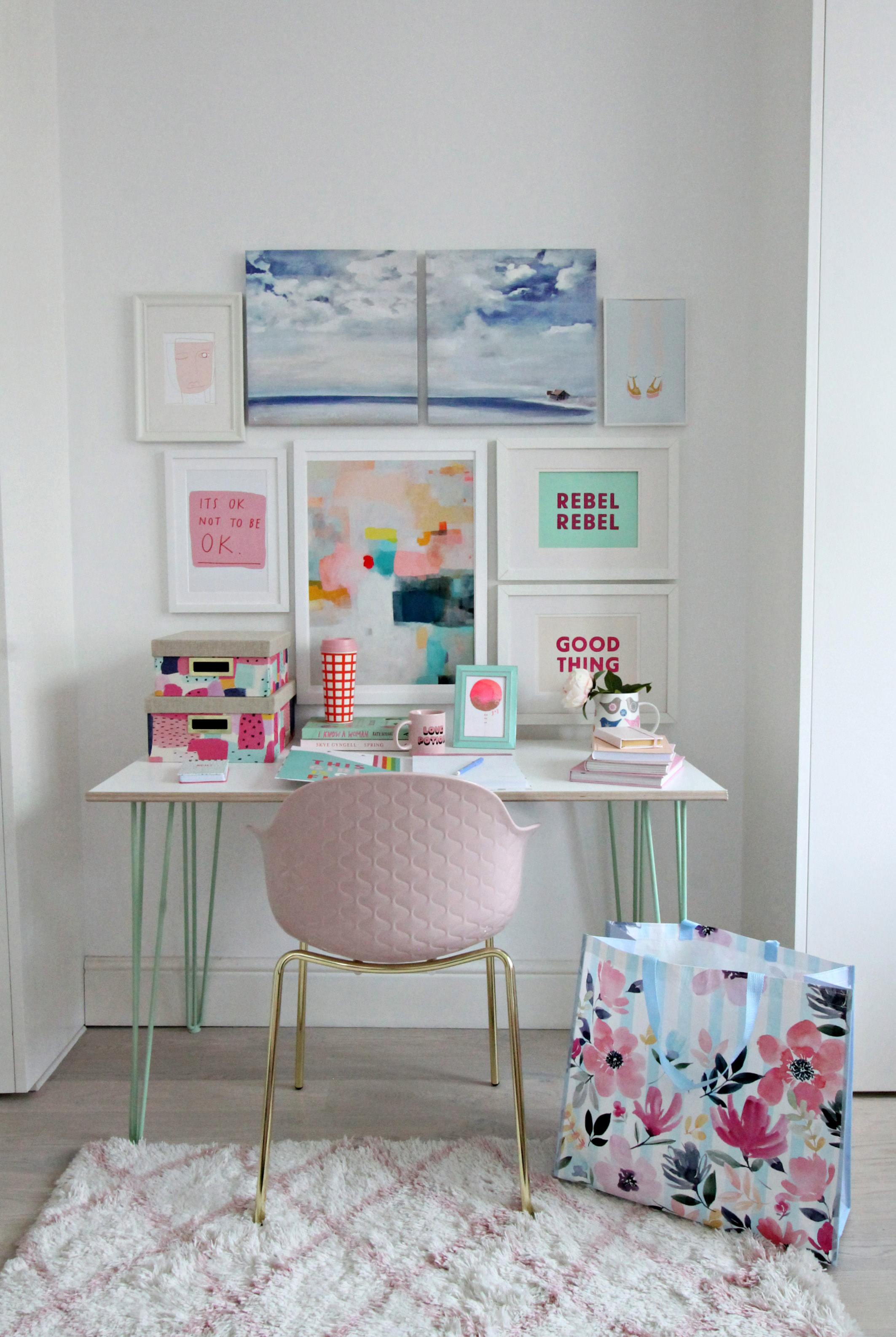
Color guides mood. Neutrals calm. Soft greens and blues lower stress. Warm woods add warmth. Pops of color spark energy.
- Base. One light neutral for walls or large surfaces.
- Secondary. One calm hue for storage, rugs, or curtains.
- Accent. One bold tone for small items or art.
Evidence from environmental psychology links cool hues with focus and warm hues with comfort. How to style a workspace with color is not about trends; it is about how you need to feel when you sit down.
Light Like A Pro: Layer Ambient, Task, And Accent
Light sets pace and reduces eye strain. Build three layers.
- Ambient light. Overhead or floor light to fill the room. Aim for soft, even light.
- Task light. A desk lamp with a focused beam. Look for 90+ CRI and dimming.
- Accent light. A small lamp or LED strip to reduce contrast and add mood.
If you work late, use warmer light to wind down. For detail work, use brighter, cooler light. The 20-20-20 rule helps: every 20 minutes, look 20 feet away for 20 seconds.

Ergonomics: Fit The Space To Your Body
Ergonomics is non-negotiable. You will feel it in your neck and wrists.
- Chair. Adjust height so feet rest flat. Hips slightly above knees. Lumbar support fits your lower back.
- Desk height. Keep elbows at 90 degrees with relaxed shoulders.
- Monitor. Top of the screen at eye level. Sit an arm’s length away.
- Keyboard and mouse. Keep wrists straight. Consider a wrist rest only if it helps keep neutral posture.
- Movement. Stand and sit in cycles. I like 30 minutes sit and 20 minutes stand.
When learning how to style a workspace, test your setup during a real task. If you hunch or squint, adjust before you style.

Storage And Declutter Systems That Stick
Clutter is delayed decisions. Fix it with simple homes for things.
- Daily tray. Pens, notepad, sticky flags, charging cable.
- Weekly bin. Items to process this week. Empty it every Friday.
- Deep storage. Labeled boxes for cables, backups, and rare tools.
- Vertical space. Shelves or pegboards keep surfaces free.
Keep only what you need within reach. The rest can live out of sight. How to style a workspace starts to shine when surfaces are clear.
Materials, Texture, And Sound
Surfaces change how a space feels and sounds.
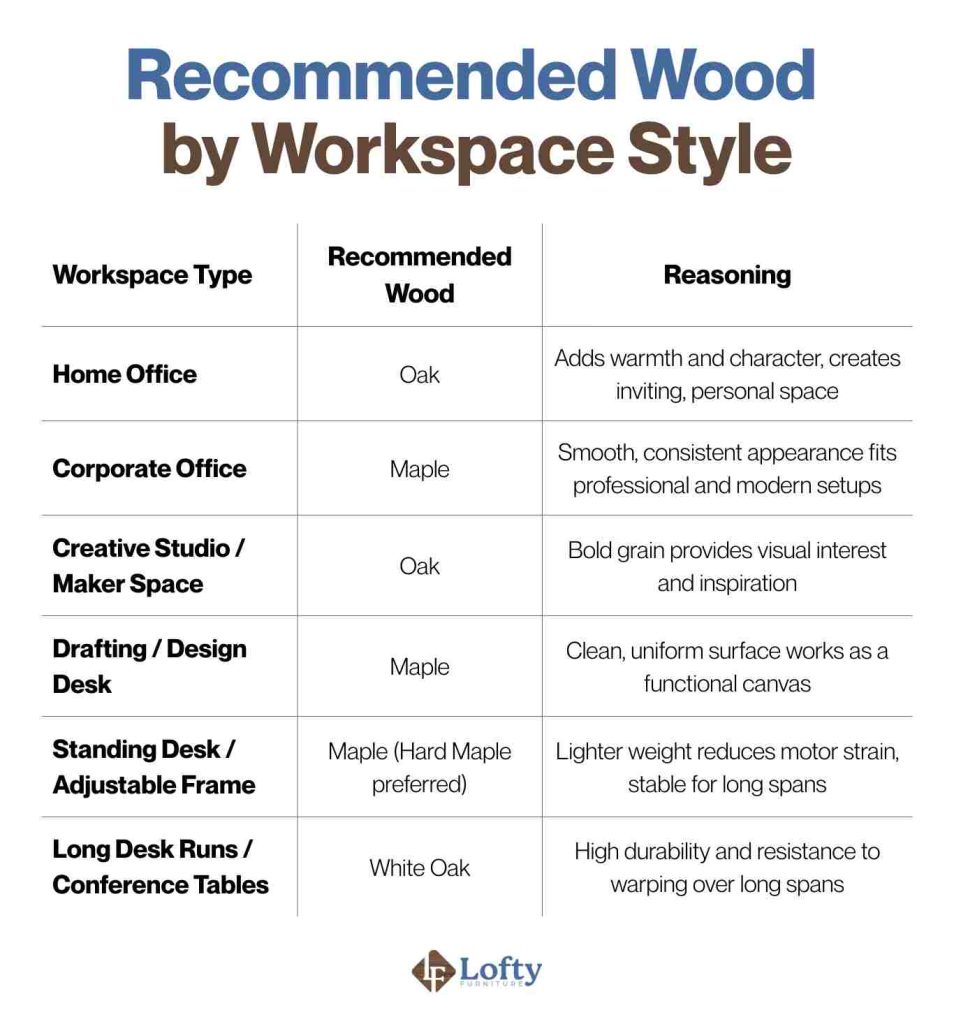
- Wood or cork. Warm feel and softer acoustics.
- Metal and glass. Sleek look but can echo sound and glare.
- Fabric. Panels, curtains, or a rug soften noise and add texture.
If calls are key, add a rug and a soft panel behind the camera line. A single fabric wall hanging can cut echo more than you think.

Tech And Cable Management
Clean tech equals clear mind. Plan power early.
- Power map. Count plugs for laptop, monitors, lamp, chargers, and audio.
- Mount a power strip under the desk. Use cable sleeves or channels.
- Label both ends of each cable. It saves hours later.
- Keep a small tech kit. Spare charger, USB hub, and ties.
I once spent a day fixing a dead monitor that was only an unplugged cable. Labels would have saved me. How to style a workspace includes hiding wires so style stays visible.
Personalize With Intention: Art, Plants, And Meaning
Make it yours without crowding the desk.
- Art. One statement piece at eye level or a small grid of prints.
- Plants. A low-care plant like pothos or snake plant adds life and better air.
- Mementos. One or two items that spark joy or pride.
Research links nature views to lower stress. Even a small plant can lift mood. Choose decor that supports how you want to feel when you work.
Small, Shared, Or Rental Spaces
You can learn how to style a workspace even in tight or shared rooms.
- Foldable desk or wall-mounted drop leaf saves space.
- Rolling cart holds gear and tucks away after work.
- Use removable hooks and strips to avoid damage.
- Choose dual-duty items like a storage ottoman or a lamp with a shelf.
For shared homes, add a visual start and stop. A desk mat or a small lamp turned on for work and off after helps your brain switch modes.
A Simple Styling Process You Can Follow
Use this step-by-step plan to bring it all together.
- Define tasks, tools, and vibe.
- Measure the space and sketch zones.
- Set the layout and power plan.
- Choose color palette and materials.
- Select chair, desk, and monitor setup.
- Layer lights: ambient, task, accent.
- Install storage and cable systems.
- Add art, plants, and personal touches.
- Test for a week and adjust.
- Tidy habits: five-minute reset daily.
How to style a workspace is a loop, not a one-time job. Adjust as your work changes.
Budget And Smart Buys
You do not need to spend a lot to get results.
- Spend most on the chair and task light. They pay you back in comfort.
- Save with secondhand desks or shelves. Solid wood tops are easy to refinish.
- Buy modular. Drawer units and monitor arms move with you.
- Sample swatches and test lamps before you commit.
Track costs in a simple sheet. Plan upgrades in phases. This keeps you calm and focused.
Common Mistakes To Avoid
Skip these traps I see all the time.
- Too many small decor items that collect dust.
- No task light, just overhead glare.
- Monitor too low, causing neck pain.
- Cables draped across the floor.
- Buying storage before deciding what to store.
When you learn how to style a workspace, less but better is the rule. Edit often.
Maintenance: Keep It Fresh With Tiny Habits
A stylish workspace stays that way with routine.
- Daily. Five-minute reset. Clear the surface and coil cables.
- Weekly. Dust, water plants, empty the inbox bin.
- Monthly. Review tools and remove one thing you no longer need.
- Seasonally. Wash the desk mat, rotate art, refresh a plant.
I set a calendar nudge for a 15-minute refresh on Fridays. It keeps the space ready for Monday.
Real-Life Examples And Lessons Learned
- The sunny desk. I placed a desk by a south window. It looked perfect but made the screen unreadable. A side placement with a sheer curtain fixed glare without losing light.
- The tiny nook. A client had 40 inches of wall. We used a wall desk, a pegboard, and a rolling cart. It turned a dead corner into a full studio.
- The cable jungle. My first home office had a web of wires. I added an under-desk tray, a labeled strip, and sleeves. Cleanup time dropped from 15 minutes to 2.
These wins came from testing and small changes. How to style a workspace is about fit, not flash.
Frequently Asked Questions of How to Style a Workspace
How do I choose the right desk size?
Measure your room and leave at least 24 inches behind the chair. For dual monitors, a 48 to 60 inch wide desk is a reliable range.
What is the best lighting for video calls?
Use a soft, front-facing light and avoid strong backlight from a window. A dimmable desk lamp at 4000K to 5000K keeps faces clear and natural.
How can I make a rental-friendly workspace?
Use freestanding shelves, removable hooks, and a rolling cart. A large rug also defines the area without any drilling.
How do I keep cables out of sight?
Mount a power strip under the desk and run wires through a cable tray. Use sleeves and labels so changes stay simple.
What colors help with focus?
Soft neutrals with hints of green or blue help calm the mind. Add a warm wood tone to keep the space from feeling flat.
How often should I switch between sitting and standing?
Aim for short cycles, like 30 minutes sitting and 20 minutes standing. Move often, stretch, and keep screens at eye level in both modes.
How to style a workspace in a small bedroom?
Pick a slim desk, a wall shelf, and a lamp that clips. Use a desk mat and a small plant to define the zone without crowding.
Conclusion
You now have a clear path for how to style a workspace that looks good and works hard. Lead with purpose, set a smart layout, light the desk well, fit the gear to your body, and add only what supports your best work. Keep habits small and steady, and your space will stay sharp.
Pick one change to make today. Adjust your chair, add a task lamp, or clear your reach zone. If this guide helped, share it, subscribe for more setup tips, or leave a comment with your own workspace win.