
Wash curtains by fabric type: vacuum, spot-treat, gentle wash, air-dry, rehang.
If you want a home that looks fresh and feels healthy, you need clean curtains. In this guide on how to wash curtains, I walk you through materials, methods, and mistakes to avoid. I have cleaned hundreds of panels for clients and in my own home. You will learn what works, what ruins fabric, and how to get pro results with simple steps.

Understanding Fabric and Care Labels
Your plan for how to wash curtains starts with the care label. That small tag tells you what the fabric can handle. Check for symbols that show water temperature, bleach use, tumble dry rules, and whether it says dry clean only.
Know the fabric:
- Cotton and polyester blends are the easiest. They like cool water and a gentle cycle.
- Linen can shrink and crease. Wash cool, low spin, and air-dry.
- Silk, wool, velvet, and interlined drapes often need dry cleaning.
- Blackout or foam-backed panels can crack or shed. Many are spot-clean or delicate-only.
Test for colorfastness. Dampen a white cloth with cool water and a drop of mild detergent. Blot an unseen area. If dye transfers, do not put it in a machine.
Look at linings. Thermal, blackout, or interlining changes how to wash curtains. Lined drapes hold more water and need slower handling.
If there is no label, treat it like a delicate item. When unsure, do a hand-wash test on a small edge first.
Knowing how to wash curtains well begins with reading the story your fabric is telling.
Prep Before You Wash
Good prep makes washing faster and safer. This step is where most people save time and avoid damage.
Do this before you start:
- Take a quick photo of pleats and hooks. It helps you rehang fast.
- Remove hooks, pins, weights, and rings. Place them in a bag.
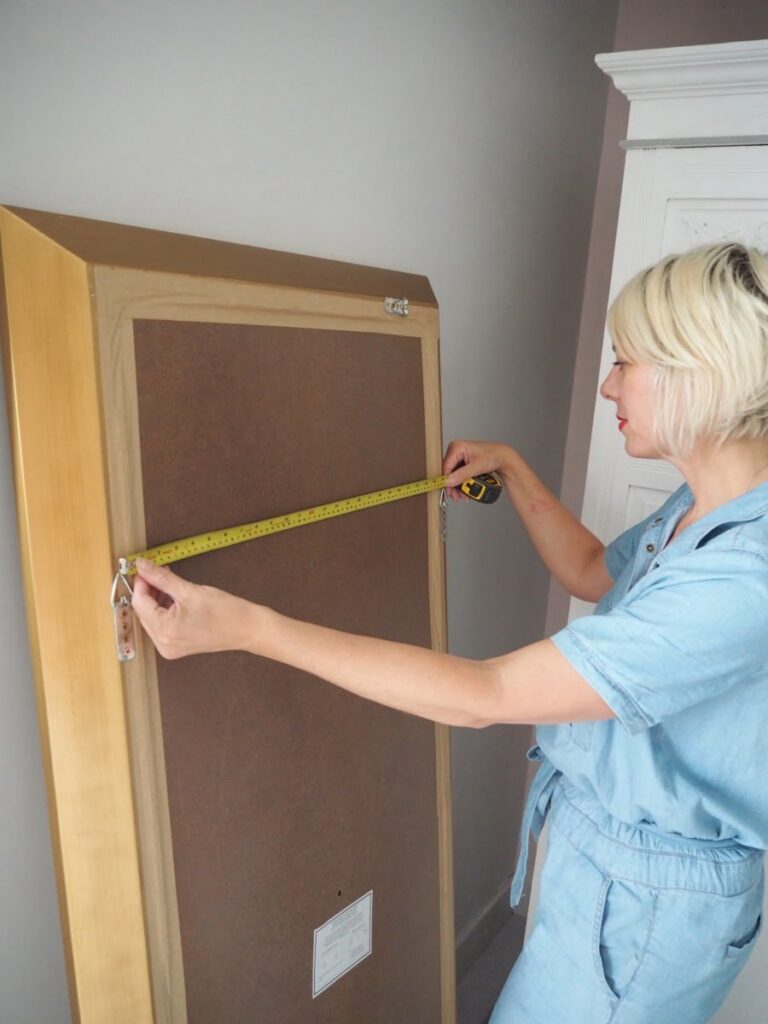
- Measure length from rod to hem. You will spot shrinkage right away.
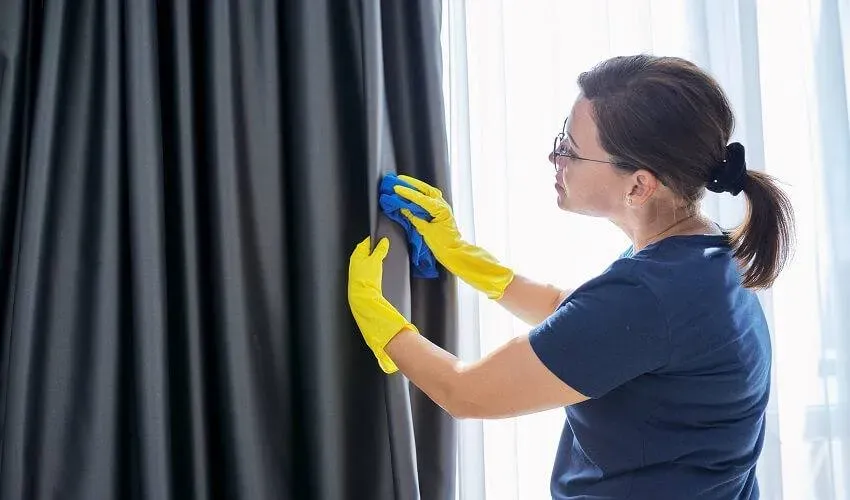
- Vacuum both sides with a brush tool. Dust off top hems and pleats.
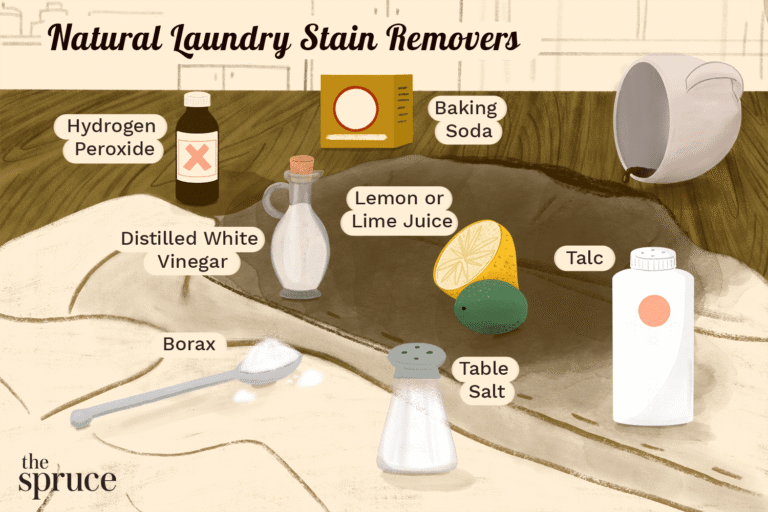
- Spot-treat stains with a mild detergent or an enzyme cleaner. Test first.
Sort by color and fabric weight. Do not overload your washer. Curtains need room to move or they wrinkle and trap dirt.
If panels are heavy, wash one at a time. Support wet fabric with both hands. Wet curtains weigh more and seams can tear.
Do curtains shrink in the wash?
Natural fibers like cotton and linen can shrink 2–5% in warm water or heat. To reduce risk, use cool water, low spin, and air-dry flat or on the rod.
Should you remove hooks and rings?
Yes. Metal and plastic parts can snag fabric and scratch the washer drum. Take them off and label the sets for easy rehanging.
Small prep steps set you up for success when planning how to wash curtains without stress.

Machine Washing Curtains
If the label allows machine washing, use gentle settings. Here is how to wash curtains in a washer with fewer wrinkles and no damage.
Step-by-step:
- Place panels in large mesh bags to prevent pulling.
- Choose delicate or hand-wash cycle with extra water if available.
- Use a mild liquid detergent. Avoid bleach on colors and linings.
- Select cold or cool water. Warm water can shrink or fade.
- Set low spin speed to cut creases and protect seams.
- Add a dye-catcher sheet if you mix light and dark neutrals.
- Start the cycle. Remove promptly to prevent set-in wrinkles.
- Shake out panels and rehang damp or lay flat to dry.
Fabric tips:
- Cotton and polyester: cold water, gentle cycle, low spin, short dry on low or air-dry.
- Linen: cold water, delicate, lowest spin. Reshape while damp and air-dry only.
- Sheers and lace: mesh bag, cold, delicate, no spin or very low spin.
Skip fabric softener on blackout and performance fabrics. It can leave residue.
Can you machine wash blackout curtains?
Many foam-backed curtains cannot handle a normal wash or any heat. If the label says washable, use cold water, delicate, short soak, and air-dry flat or on the rod away from direct sun.
What washer settings prevent wrinkles?
Use delicate cycle, cold water, and the lowest spin. Remove right after the cycle and shake them out before drying.
Done right, machine care is a safe way for how to wash curtains and keep them looking new.

Hand Washing Curtains
Hand washing is best for delicate fabrics and items marked hand-wash only. It gives you control and reduces stress on fibers.
How to hand wash:
- Fill a tub with cold water and a small amount of mild detergent.
- Submerge the curtain and press gently. Do not wring or twist.
- Soak for 10–15 minutes. Swish the water with open hands.
- Drain and refill with clean water. Rinse until water runs clear.
- Press water out against the tub side. Roll in a towel to remove more water.
- Reshape edges and hems while damp.
Dry flat on clean towels or rehang to dry. Keep out of strong sun to prevent fading.
How long should you soak curtains?
Ten to fifteen minutes is enough for most soils. Longer soaks can cause dye migration or weaken fibers, especially on delicate or lined panels.
Hand washing is a gentle and smart way for how to wash curtains that are fragile or valuable.

Drying, Ironing, and Rehanging
Drying makes or breaks the finish. Treat this like the styling step.
Best practices:
- Air-dry whenever you can. Rehang damp panels to let gravity pull out wrinkles.
- For synthetics, a short tumble on low with no heat can help, but check the label.
- Avoid high heat. It sets creases and can shrink or melt linings.
- Use a steamer while panels hang. Work top to bottom in slow passes.
- If you iron, choose the right heat for the fabric. Use a pressing cloth. Press seams and hems flat.
Freshen while drying. Open windows or run a fan for airflow. If odor lingers, a second rinse with a splash of white vinegar can help.
A calm, gentle dry is the secret sauce in how to wash curtains and get that crisp, tailored look.

Special Cases and Fabrics
Not all curtains are equal. Some need extra care, or no water at all.
Fabric-by-fabric notes:
- Blackout and foam-backed: Cold water only if label allows, lowest spin, no dryer. Do not fold while wet. If the coating flakes, it is time to replace.
- Thermal or interlined drapes: Often dry clean only. The layers can distort in water.
- Velvet: Most need dry cleaning. If washable, use cold water, no spin, and steam to finish. Never press the pile with a hot iron.
- Silk: Usually dry clean. If washable silk, very cold water, silk detergent, no wring, air-dry flat and steam gently.
- Linen: Cold water, delicate, minimal spin. Reshape edges and hang-dry away from sun. Expect light creases; they are part of the charm.
- Sheers and lace: Mesh bags, cold water, delicate cycle or hand wash. Dry flat or rehang damp to avoid stretching.
Stains and odors:
- Mildew: Treat early with oxygen-based bleach on washable whites, or sun the fabric briefly after washing.
- Smoke or kitchen odors: Rinse again with a tablespoon of white vinegar per gallon of water.
- Pet hair: Lint-roll or tumble with no heat for 10 minutes before washing to loosen hair.
These special notes help you decide how to wash curtains without costly mistakes.

Ongoing Maintenance and Frequency
Regular care keeps washing simple and fast. It also helps with allergies and indoor air quality.
How often to clean:
- Vacuum weekly with a soft brush tool to lift dust and pollen.
- Spot-clean as needed.
- Plan a full wash every 3–6 months. Wash more often if you have pets, smoke, or open windows a lot.
Smart habits:
- Use liners to block sun and protect face fabric.
- Close curtains during harsh midday sun to slow fading.
- Shake out panels when you open them each morning.
From my own routine, vacuuming each week cut my wash time in half. The water stayed clear, and the fabric kept its body. Simple habits pay off when you decide how to wash curtains the easy way.
:max_bytes(150000):strip_icc()/how-to-clean-all-types-of-curtains-1901080-02-1a555953975849cf82be0057bb12d858.jpg)
Troubleshooting and Common Mistakes
Even with care, things happen. Here is how to fix the most common issues.
What goes wrong and how to fix it:
- Shrinkage: While damp, tug gently along the length and width, then rehang to dry. Measure against your note from prep.
- Dye bleed: Rinse in cold water with dye-catcher sheets. Do not dry until the water runs clear.
- Heavy wrinkles: Hang in a steamy bathroom or use a garment steamer. Low spin next time.
- Musty odor: Rewash on cold with a bit of baking soda. Rinse with a splash of white vinegar.
- Rust spots from hooks: Treat with a rust remover safe for fabric, then rinse well.
Mistakes to avoid when learning how to wash curtains:
- Hot water and high heat. They ruin shape and coatings.
- Overloading the washer. Fabric needs room to move.
- Harsh bleach on colors or linings. It weakens fibers and causes yellowing.
- Ignoring the label. That tag is your roadmap.
I once rushed a linen set on warm and lost an inch in length. Since then, cool water and low spin are my non-negotiables for how to wash curtains right.

Frequently Asked Questions of How to Wash Curtains
How often should I wash curtains?
Most homes do well with a full wash every 3–6 months. Vacuum weekly and spot-clean to stretch time between washes.
Can I put curtains in the dryer?
Only if the label says it is safe, and then use low or no heat. Remove while slightly damp and rehang to finish drying.
What detergent is best for curtains?
Use a mild liquid detergent without bleach or optical brighteners. For silk or wool, choose a detergent made for delicates.
How do I wash curtains without them shrinking?
Use cold water, gentle cycle, and the lowest spin. Air-dry and reshape hems while damp.
Are dry clean only curtains ever safe to wash?
Sometimes, but it is a risk. If you test a hidden edge and see color bleed or texture change, stick to dry cleaning.
How to wash curtains with metal grommets?
Place panels in large mesh bags to protect the drum. Use cold water, gentle cycle, and remove promptly to prevent dents.
Can I steam clean curtains while hanging?
Yes, if the fabric allows steam. Keep the head moving and test an unseen spot first.
Conclusion
Clean curtains make your space brighter, your air fresher, and your home feel calm. Start with the label, choose the right method, and keep water cool and motions gentle. With these steps, you now know how to wash curtains with confidence.
Pick one room today. Vacuum the panels, spot-treat a stain, and plan a wash this week. If you found this helpful, subscribe for more easy home care guides, or share your curtain wins and questions in the comments.