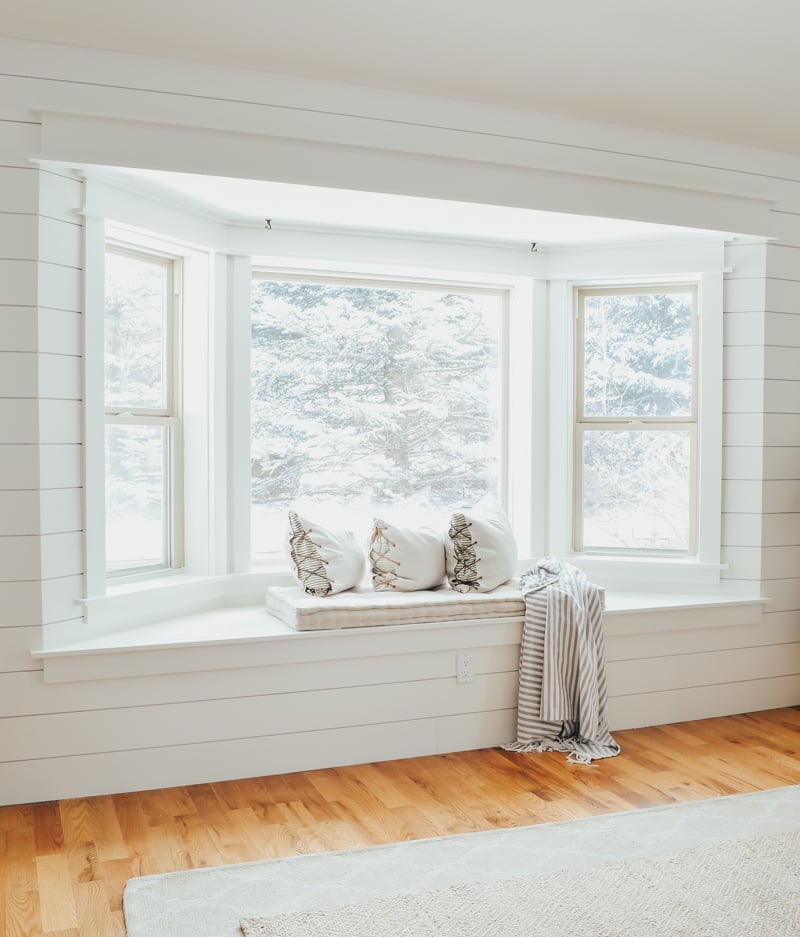
Layer cushions, throws, and a few well-chosen accents to make a window seat cozy and stylish.
I’ve spent years designing small reading nooks, renovating alcoves, and testing fabrics to master how to style a window seat that looks great and works for daily life. This guide shows step-by-step how to style a window seat, from planning and measurements to cushions, lighting, storage, and seasonal swaps. I’ll share practical tips, common mistakes I’ve learned from, and real-life examples so you can build a window seat that fits your home and habits.

Plan and Measure: How to Style a Window Seat the Right Way
Start with a clear plan. Measure the width, depth, and height of the window recess. Note window trim, radiator space, and how far the sash opens.
Think about use. Will the window seat be for reading, napping, extra seating, or storage? Your use guides cushion thickness, depth, and materials.
Simple steps to plan
- Measure width, depth, and height to the nearest 1/4 inch.
- Note obstructions like vents or outlet boxes.
- Decide primary use to set cushion depth and firmness.
I once built a 48-inch seat for a small bay window. The right depth made it cozy, while a 4-inch cushion would have been awkward. Careful measuring avoids costly mistakes later.

Choose the Base and Cushion: How to Style a Window Seat for Comfort
The base can be a built-in bench, a shallow storage chest, or a simple plank on brackets. Choose sturdy materials like plywood or solid wood for built-ins.
Cushion choices
- Foam core cushion topped with a thin layer of batting for structure and comfort.
- Down or down-alternative toppers for a plush finish.
- Outdoor-grade foam or fabrics for high-traffic, pet, or kids’ areas.
Cushion depth advice: 12 to 18 inches for lounging; 10 to 12 inches for upright seating. I prefer high-density foam topped with a soft layer. It holds shape and feels good over years.

Pillows, Throws, and Layout: How to Style a Window Seat with Textures
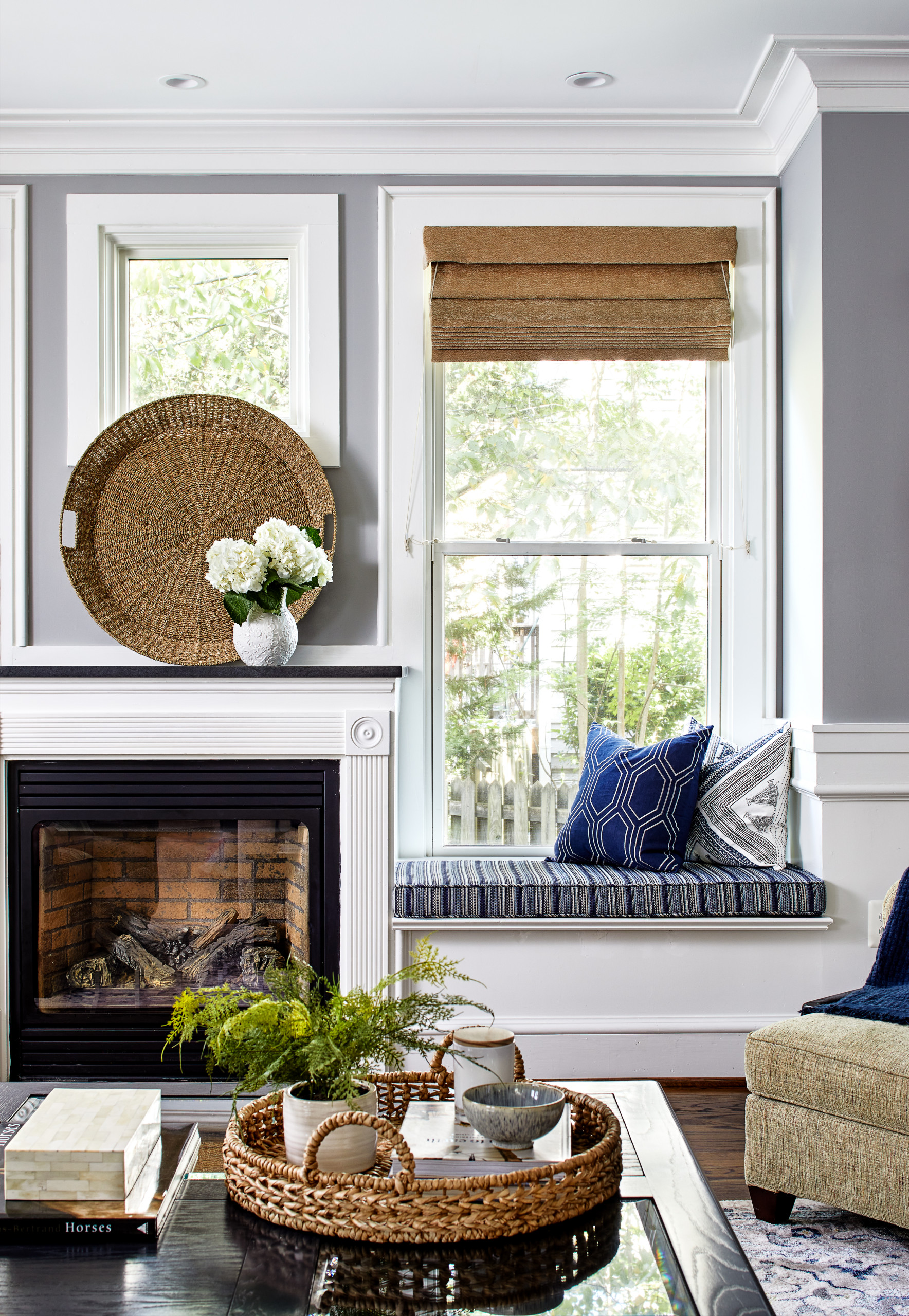
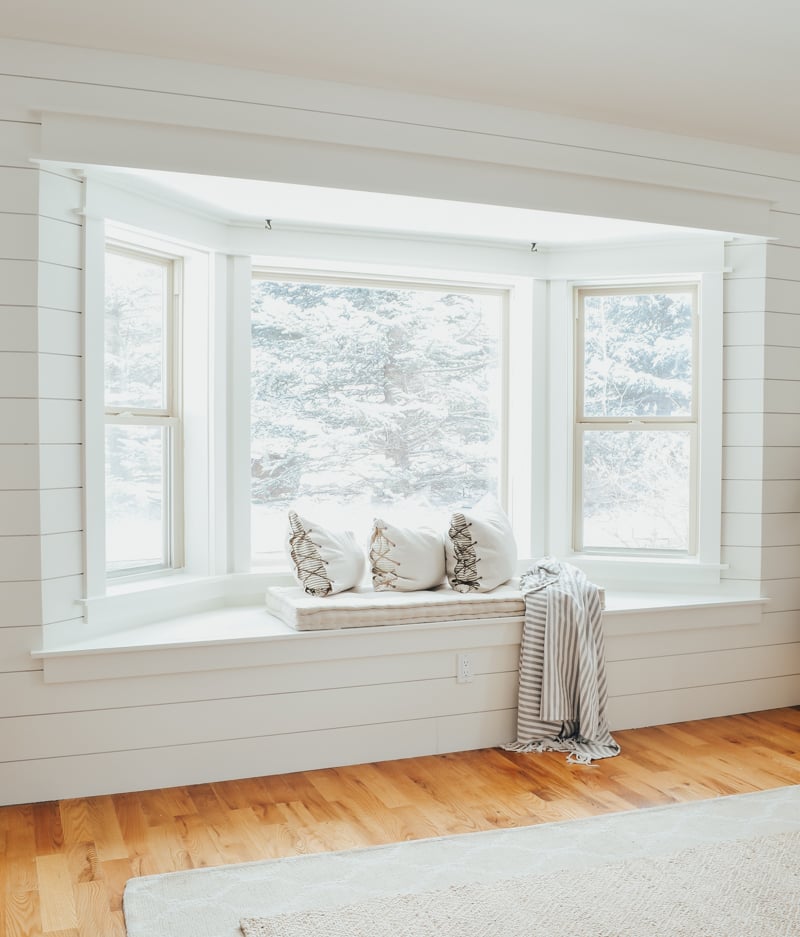
Mix sizes and shapes. Use two larger back pillows and one or two smaller accent pillows for balance. Add a long lumbar for reading support.
Texture and layering tips
- Start with a neutral base cushion to keep the look timeless.
- Add two medium pillows for support and one small pillow for contrast.
- Drape a throw over one corner to add softness and a lived-in look.
Pattern mixing rule: pair a large-scale print, a small-scale print, and a solid texture. I often swap pillow covers seasonally. Small changes refresh the space without big cost.
Storage and Function: How to Style a Window Seat That Works
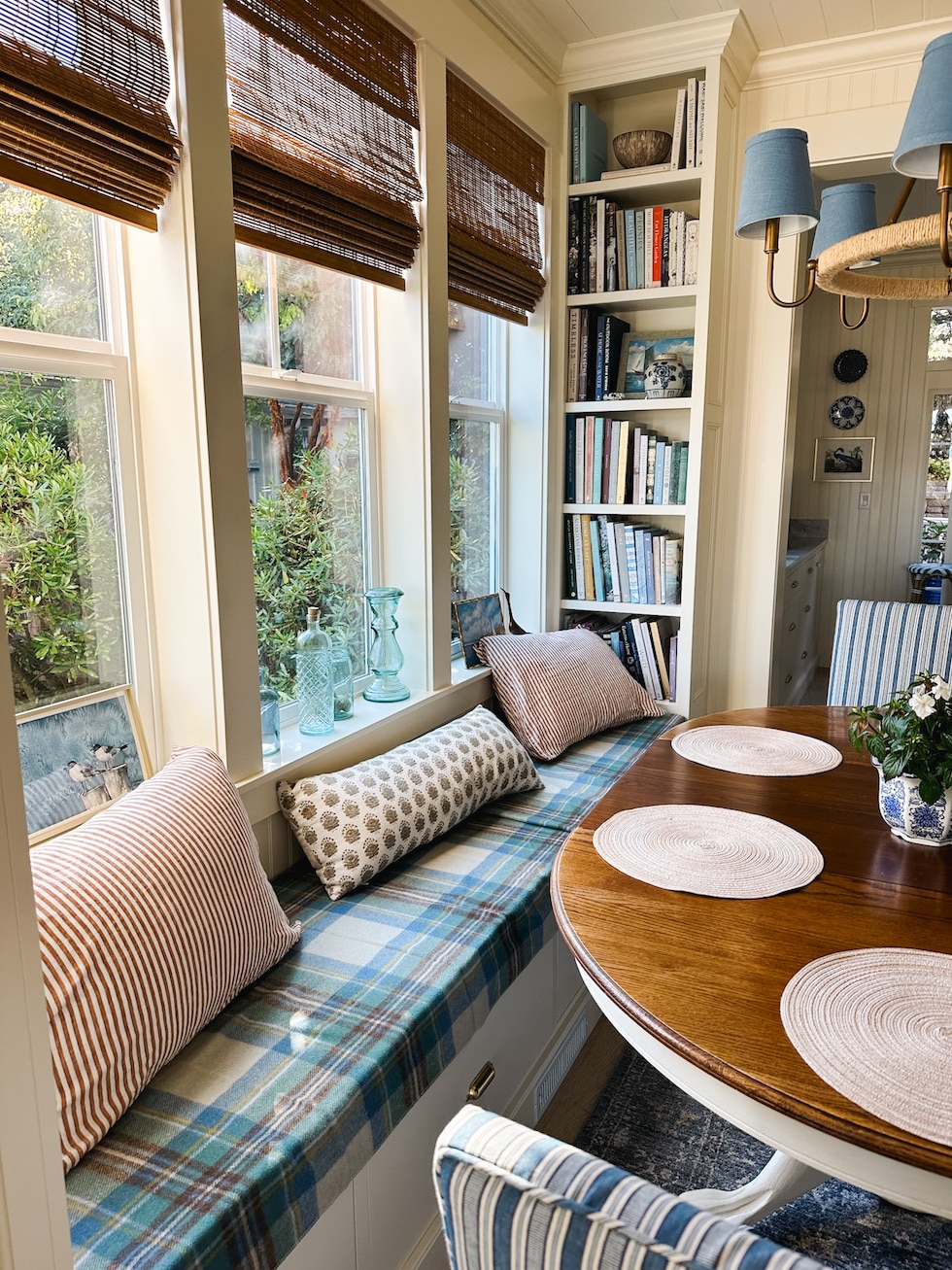
Incorporate storage to make the most of the space. Use lift-up lids, pull-out drawers, or cubbies under the seat for books, blankets, or toys.
Storage ideas
- Built-in drawers with soft-close hardware for a neat look.
- Lift-top seat with gas hinges for easy access.
- Open cubbies with baskets for visual order.
Practical tip: Add felt pads to drawer bottoms to avoid noisy clatter. My last project used three equal drawers and cut down living room clutter dramatically.
Window Treatments and Lighting: How to Style a Window Seat for Mood and Function
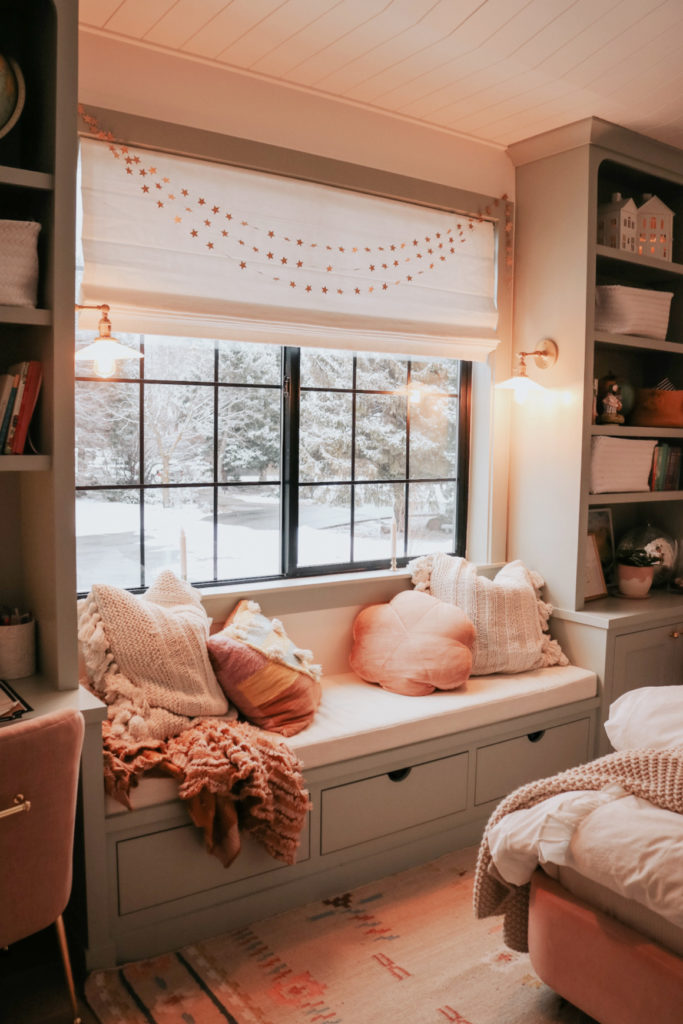
Window treatments control light and privacy. Combine shades and curtains for a layered look. Roman shades give a clean line; curtains add softness and height.
Lighting suggestions
- Wall-mounted swing-arm lamps for reading without clutter.
- A floor lamp beside the seat for warm, flexible light.
- LED strip lighting under the seat lip for subtle evening glow.
Position lamps so light falls over the shoulder for comfortable reading. I use dimmable lights to switch from day tasks to cozy evenings easily.
Color, Texture, and Pattern: How to Style a Window Seat to Match Your Room
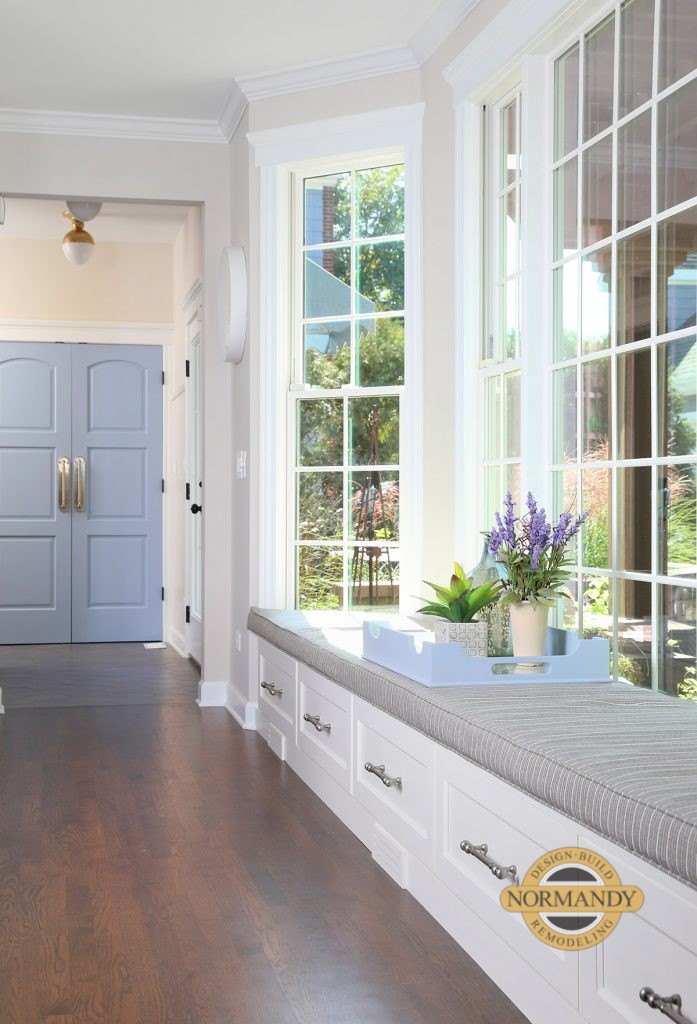
Choose a palette that ties to your room. A window seat can be an accent or blend with the walls. Neutral bases let you switch accents often.
Texture choices
- Woven fabrics for warmth.
- Velvet or corduroy for a luxe look.
- Performance fabric if pets or kids will use the spot.
Balance colors: select one dominant color and two accents. In a sunny room, cooler cushion tones can ground the light. My favorite combo is a warm neutral base with two cool accent pillows for contrast.
Seasonal Styling and Maintenance: How to Style a Window Seat Year-Round
Rotate pillow covers and throws by season. Light linens and cottons work in summer; wools and knits feel right in winter.
Maintenance checklist
- Vacuum upholstery weekly to remove dust.
- Rotate cushions monthly to prevent uneven wear.
- Spot-clean spills right away with recommended fabric cleaner.
I keep a small basket under the seat with extra covers and a lint roller. It makes seasonal swaps easy and keeps the seat guest-ready.
Common Mistakes and Fixes: How to Style a Window Seat Without Regrets
Mistake: Too-deep or too-shallow cushion. Fix: Test cushion depth with a mock-up using folded blankets.
Mistake: Busy patterns clashing with view. Fix: Use calmer patterns or solids on the seat and save prints for pillows.
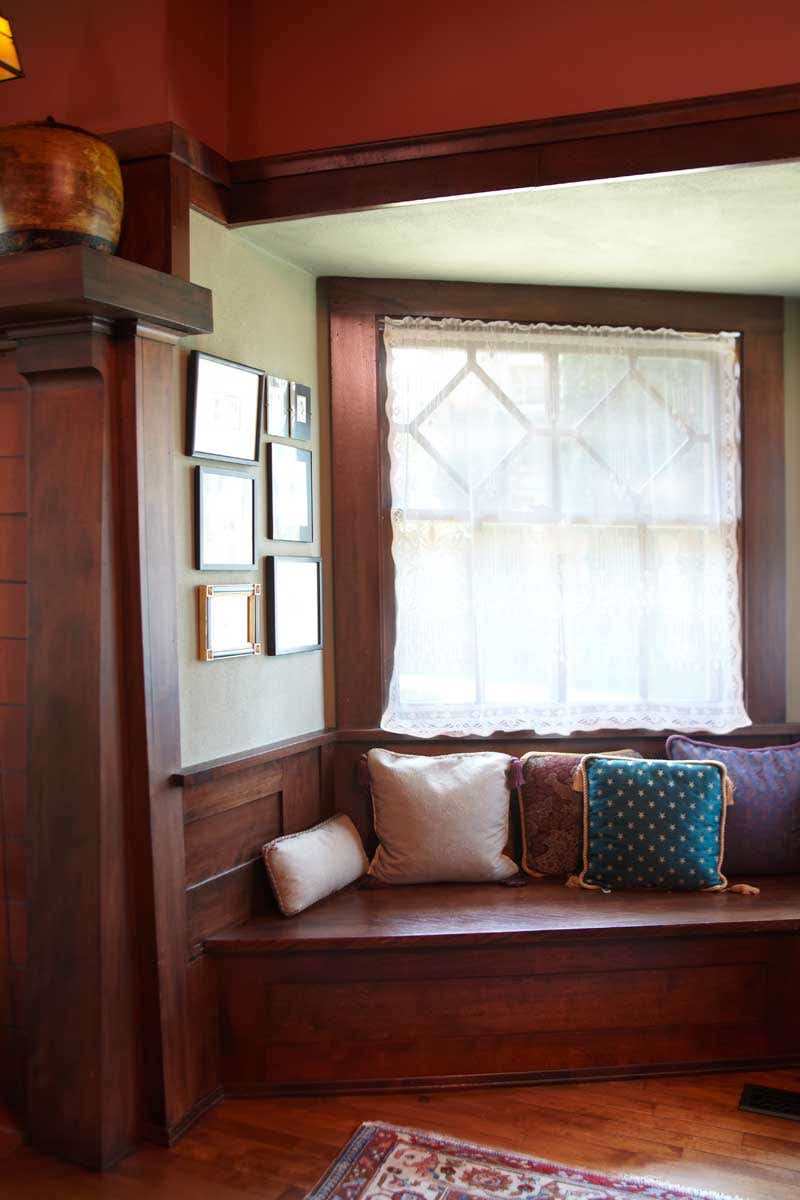
Mistake: Ignoring scale. Fix: Match pillow size to seat width and room scale. I once used tiny pillows on a wide seat; they looked lost. Correcting sizes instantly improved the look.
Quick Questions on How to Style a Window Seat (PAA-style)
How deep should a window seat be for reading?
Aim for 18 to 22 inches of cushion depth for lounging and reading. A smaller depth of 10 to 14 inches works when you need upright seating.
What fabric is best for a window seat cushion?
Choose durable, fade-resistant fabric for sun-exposed seats and performance fabrics for kids or pets. Cotton-linen blends work well for most low-traffic spots.
Can a window seat have storage and still be comfortable?
Yes. Use lift-top cushions or drawers sized so cushion thickness remains comfortable. Good hardware keeps access smooth.
Frequently Asked Questions of How to Style a Window Seat
How do I style a window seat in a small space?
Keep the cushion slim and use built-in storage to free up floor space. Choose light colors and a slim, tall lamp to keep the area airy.
What cushions work best for a window seat?
High-density foam with a soft topper gives long-lasting support and comfort. Add a down-alternative topper if you want extra plushness.
How many pillows should I put on a window seat?
Three to five pillows is ideal for most seats: two larger back pillows, a lumbar, and one or two smaller accents. Adjust by seat width and personal comfort.
How can I protect the cushion from sun damage?
Use UV-resistant fabrics or removable covers and rotate cushions to even out fading. Add a sheer curtain or solar shade to filter direct sunlight.
Should a window seat have a back or be backless?
A backless seat looks clean and works in tight spaces. A built-in back or large pillows are better for long reading sessions and lounging.
Conclusion
Styling a window seat blends form and function. Start with careful measurement, pick a comfy cushion, layer pillows and throws, include storage, and add lighting for use and mood. Small choices like fabric type, pillow scale, and a seasonal throw make a big difference.
Try one change this week: measure and pick one pillow set or swap a throw to see how it transforms the spot. If you enjoyed these tips, leave a comment with your window seat idea, subscribe for more design how-tos, or share a photo of your finished space.