Turn off power, dust blades with a pillowcase, wipe, wash, dry, and balance.
Clean fans move more air and drop less dust on your space. I’ve cleaned hundreds of fans in homes, rentals, and offices. This guide shows how to clean a ceiling fan properly with safe steps, pro tips, and easy tools you already own. Stick with me for a fast, low-mess method that keeps your fan quiet, balanced, and spotless for months.
Why a Clean Ceiling Fan Matters
A clean fan runs better and keeps your air fresh. Dust builds up fast on blade edges. That dust spreads on bedding, floors, and your lungs when the fan spins. Studies on indoor air show that settled dust holds allergens and can trigger sneezing and cough. Even a thin layer can cut airflow and add stress to the motor.
Here is why it pays to learn how to clean a ceiling fan properly:
- Better airflow: Clean blades move air with less drag.
- Fewer allergens: Less dust means easier breathing for kids and pets.
- Longer life: A clean motor runs cooler and lasts longer.
- Safer home: No dust falling into light fixtures or onto hot bulbs.
- Nicer look: No gray fuzz halo when guests look up.
Small habit, big win: clean every 2 to 3 months, or monthly in kitchens and high-use rooms.

Tools and Safety Prep
Set up right and the job takes minutes, not hours. Good prep also keeps dust off your bed, couch, and floors.
What you need:
- Step ladder or sturdy stool: Your hips should be level with the fan.
- Microfiber cloths: They trap dust without smearing.
- Old pillowcase: The best no-mess blade duster.
- Mild dish soap and warm water: Safe on most finishes.
- White vinegar: Cuts kitchen grease when mixed 1:1 with water.
- Spray bottle: For light misting, not soaking.
- Small screwdriver: Tighten blade arms and cover screws.
- Mask and safety glasses: Helpful if dust or dander bothers you.
- Drop cloth or old sheet: Protects floors and furniture.
Safety first:
- Turn off the fan at the wall and switch off the light.
- If you can, flip the breaker off for extra safety.
- Let bulbs cool before you touch them.
- Keep one hand on the ladder when you reach.
With this setup, you will see how to clean a ceiling fan properly without mess or risk.
Step-by-Step: How to Clean a Ceiling Fan Properly
Follow these clear steps. This is the same method I use on client jobs.
- Power down and prep
- Turn everything off. Lay a sheet under the fan.
- Bring up only what you need so you don’t reach or twist.
- Dust with a pillowcase
- Slip the pillowcase over one blade.
- Pinch the fabric around the blade and pull back. Dust falls into the case, not on your face.
- Wipe blade tops and bottoms
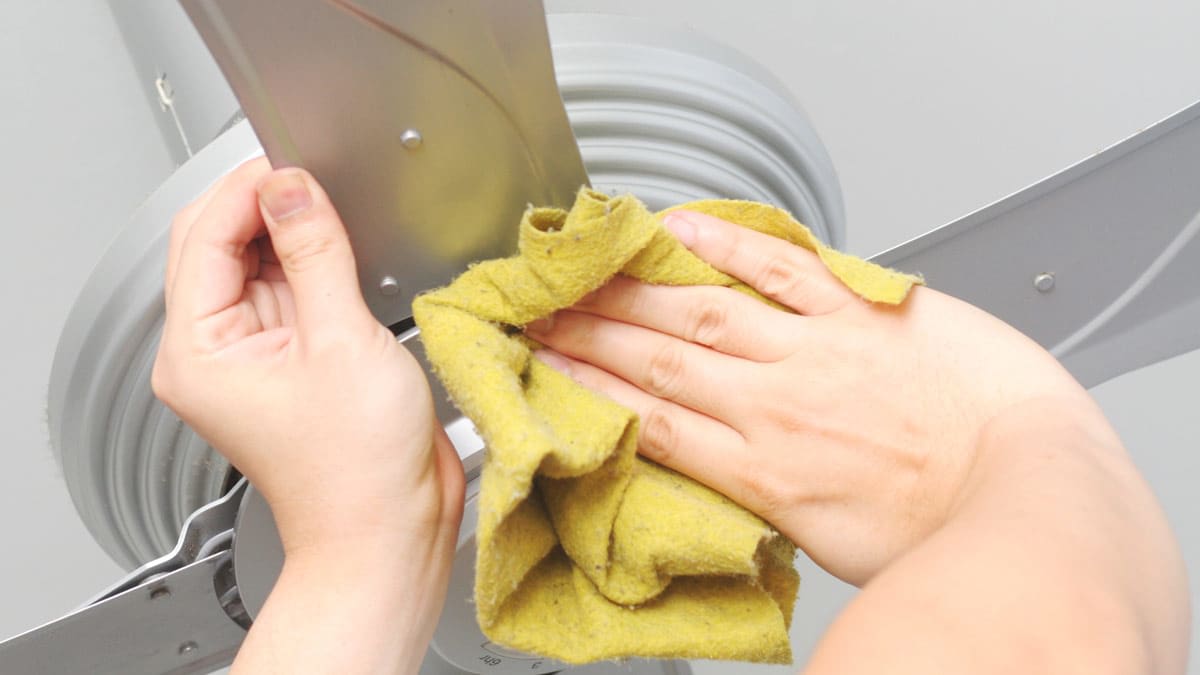
- Lightly mist a microfiber cloth with soapy water.
- Wipe each side. Hold the blade to avoid bending. Do not soak.
- Degrease if needed
- For sticky kitchen film, use a 1:1 vinegar and water mix on a cloth.
- Rinse with a damp cloth, then dry at once to stop streaks.
- Clean blade arms and housing
* Wipe the metal arms and the motor housing.
- Never spray the motor. Water and motors do not mix.
- Glass globes and shades
- Remove shades. Wash in warm soapy water. Rinse and dry.
- Wipe LED bulbs with a dry cloth only. Do not wet sockets.
- Tighten and check balance
- Gently tighten all blade screws.
- Spin the fan by hand. Note any wobble before reassembly.
- Final dry
- Run a dry microfiber across every surface.
- Moisture left on edges can warp wood or MDF over time.
- Restore power and test
- Turn the fan on low, then medium, then high.
- Listen for new noises. If it wobbles, balance it (see below).
- Clean the space
- Shake the pillowcase outside into a trash bag. Wash it later.
- Fold up the sheet and vacuum the floor.
Do this once and you will remember how to clean a ceiling fan properly in under 15 minutes next time.

Deep Cleaning, Maintenance, and Balancing
Grease and heavy buildup
- Use the vinegar mix first. For tough spots, add a drop of dish soap.
- Always wring cloths well. Drips are the enemy of finishes and motors.
Balance a wobbly fan
- Try the coin trick. Tape a small coin near the end of one blade. Test. Move the coin until wobble drops. Replace the tape with a small balancing weight or a trimmed piece of painter’s tape.
- Check alignment. A bent blade arm will wobble even if the blades are clean.
Lubrication
- Many modern fans are sealed and need no oil. Check your manual.
- For older fans with an oil port, add a few drops of non-detergent electric motor oil. Do not overfill.
Schedule
- Light clean: Monthly in dusty rooms, every 2–3 months elsewhere.
- Deep clean and tighten: Every 6 months.
- Balance check: At season change when you reverse direction.
Building this routine into how to clean a ceiling fan properly keeps noise low and airflow strong.
Special Materials and Finishes
Not all blades are the same. Match your method to the surface.
Wood veneer or solid wood
- Use a damp, not wet, cloth. Dry right away.
- A small amount of wood cleaner is fine. Avoid steam.
MDF or composite blades
- Never soak. Water can swell edges.
- Stick with mild soap and quick dry.
Painted or matte finishes
- Use gentle soap. Skip abrasives that leave shiny marks.
- Microfiber only. Paper towels can scratch.
Metal blades and housings
- Wipe with a damp cloth. Dry to stop water spots.
- For stainless, go with the grain.
Antique or specialty finishes
- Test a small spot first.
- When unsure, check the maker’s care guide.
Smart fans and remotes
- Remove batteries before a deep clean.
- Never spray into vents or sensors.
These small tweaks are key to how to clean a ceiling fan properly without damage.

Allergy-Friendly and Eco Tips
If you or your family have allergies, extra care helps.
Low-dust method
- Wear a mask and glasses. Use the pillowcase trick to trap dust.
- Use a HEPA vacuum on nearby ceilings and vents after you clean the fan.
Green cleaners
- Use the vinegar mix for grease and shine.
- Baking soda paste works on stuck gunk on glass, not on blades.
Air quality boost
- Run the fan on low for 5 minutes after cleaning to shake free last bits, then vacuum.
- Change HVAC filters on schedule. Less dust means less fan cleanup.
These steps fold into how to clean a ceiling fan properly while keeping the air easy to breathe.

Troubleshooting and Mistakes to Avoid
Common mistakes
- Spraying cleaner right on the motor or blades. It seeps into seams.
- Using harsh chemicals. They dull finishes and lift paint.
- Skipping the dry step. Moisture warps and spots.
If it still wobbles
- Recheck screws and try the coin test on another blade.
- Confirm the box in the ceiling is rated for fans, not just lights.
If it hums or clicks
- Tighten the canopy and light kit. Loose parts tap at higher speeds.
- Some hum comes from dimmer switches. Use a fan-rated control.
Being aware of these traps is part of how to clean a ceiling fan properly and keep it quiet.
Safety and Maintenance Schedule
Make a simple plan that sticks.
Quarterly checklist
- Dust with a pillowcase.
- Wipe blades and housing.
- Wash globes and dry fully.
- Tighten all screws.
- Test balance and speed.
Seasonal tweaks
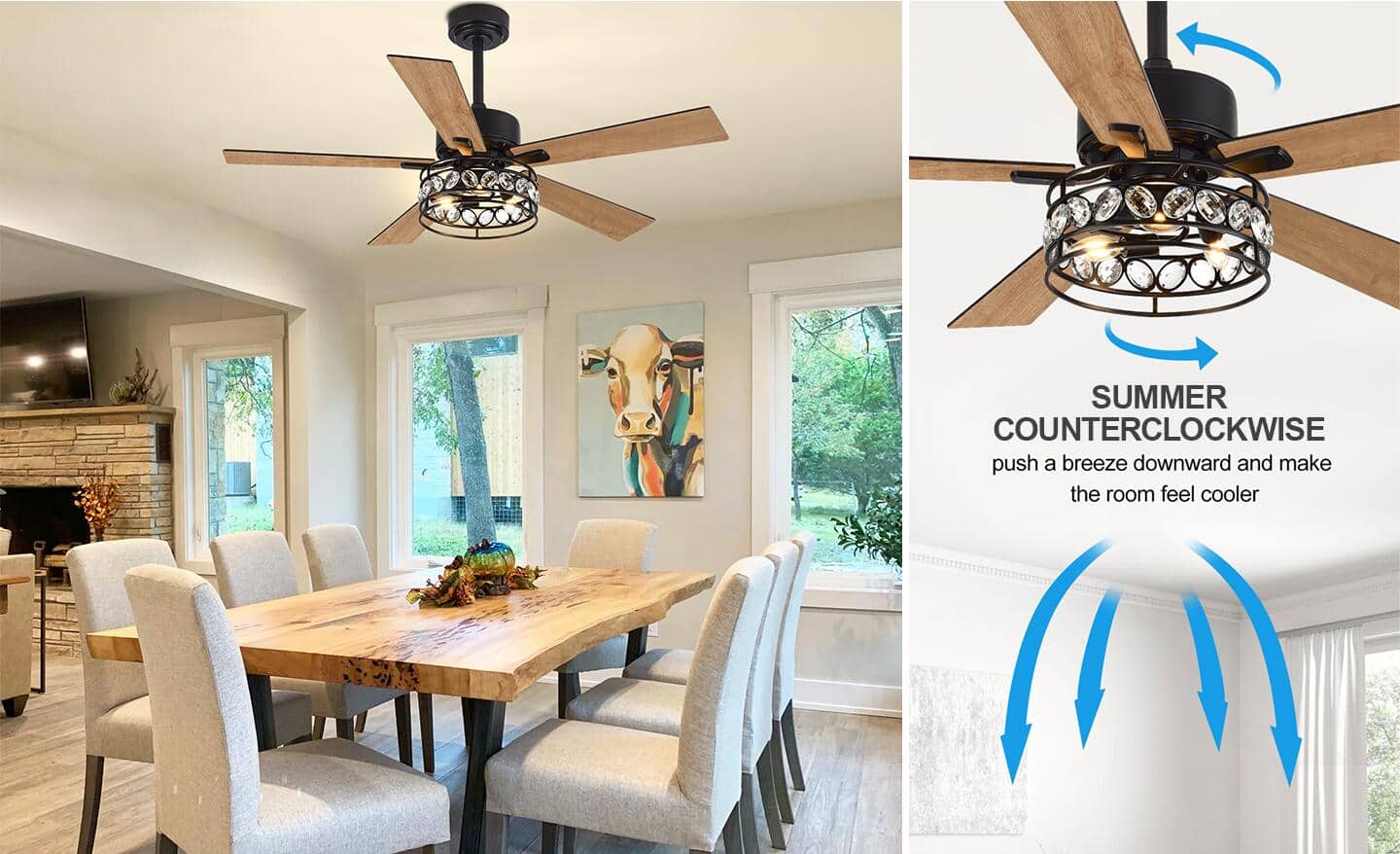
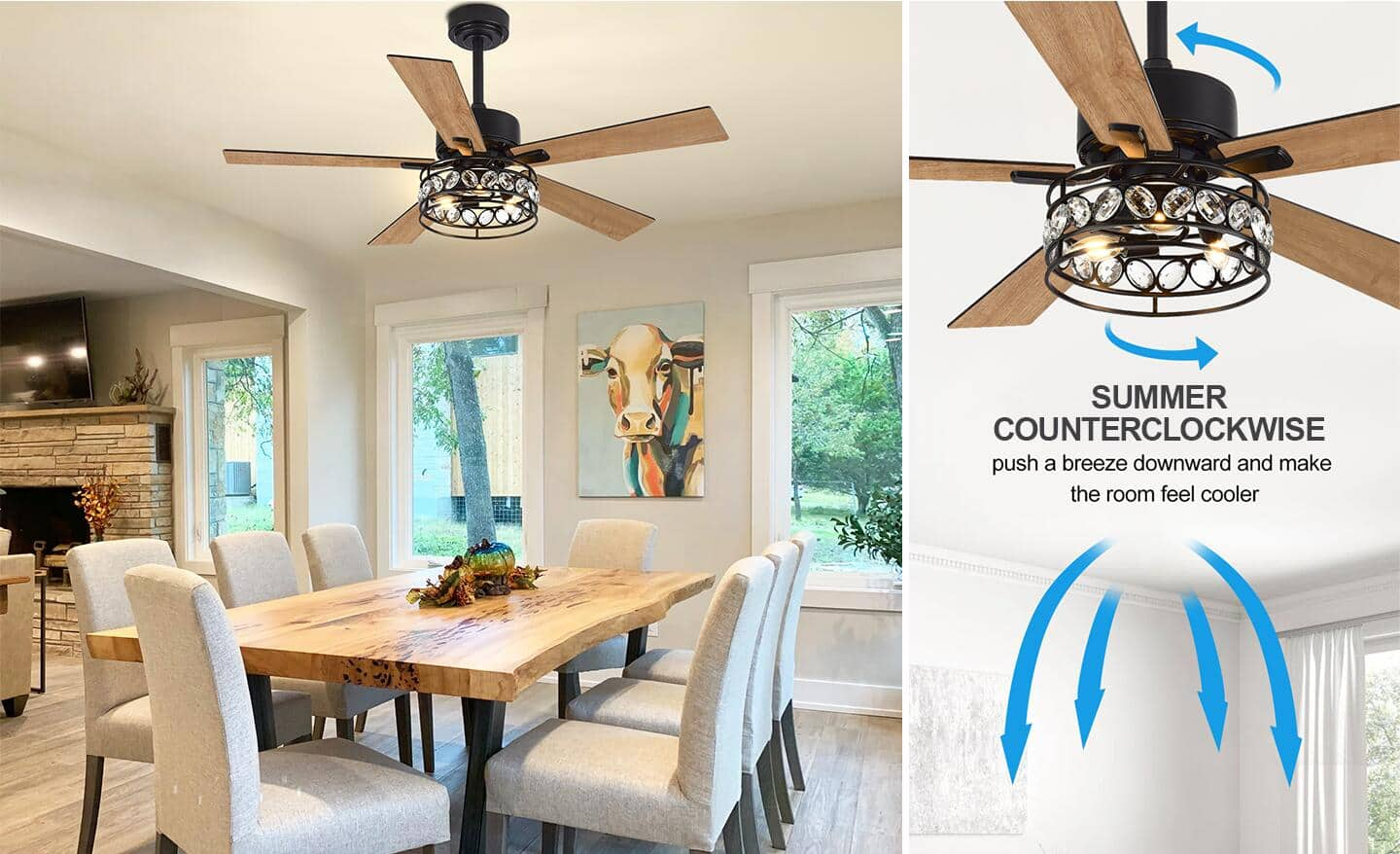
- Reverse the fan: Downward in summer, upward in winter.
- Note any change in sound. Fix small issues early.
Write the steps on a sticky note in your cleaning caddy. Habit makes how to clean a ceiling fan properly second nature.
Frequently Asked Questions of How to Clean a Ceiling Fan Properly
How often should I clean my fan?
Every 2–3 months is best for most rooms. Clean monthly in kitchens, near pets, or in dusty climates.
Can I use a Swiffer or duster instead of a pillowcase?
Yes, but expect more fallout. The pillowcase traps dust better and keeps it out of your eyes.
What is the safest cleaner for blades?
Mild dish soap and warm water on a damp cloth. Avoid soaking and avoid harsh chemicals or abrasives.
How do I clean a fan on a very high ceiling?
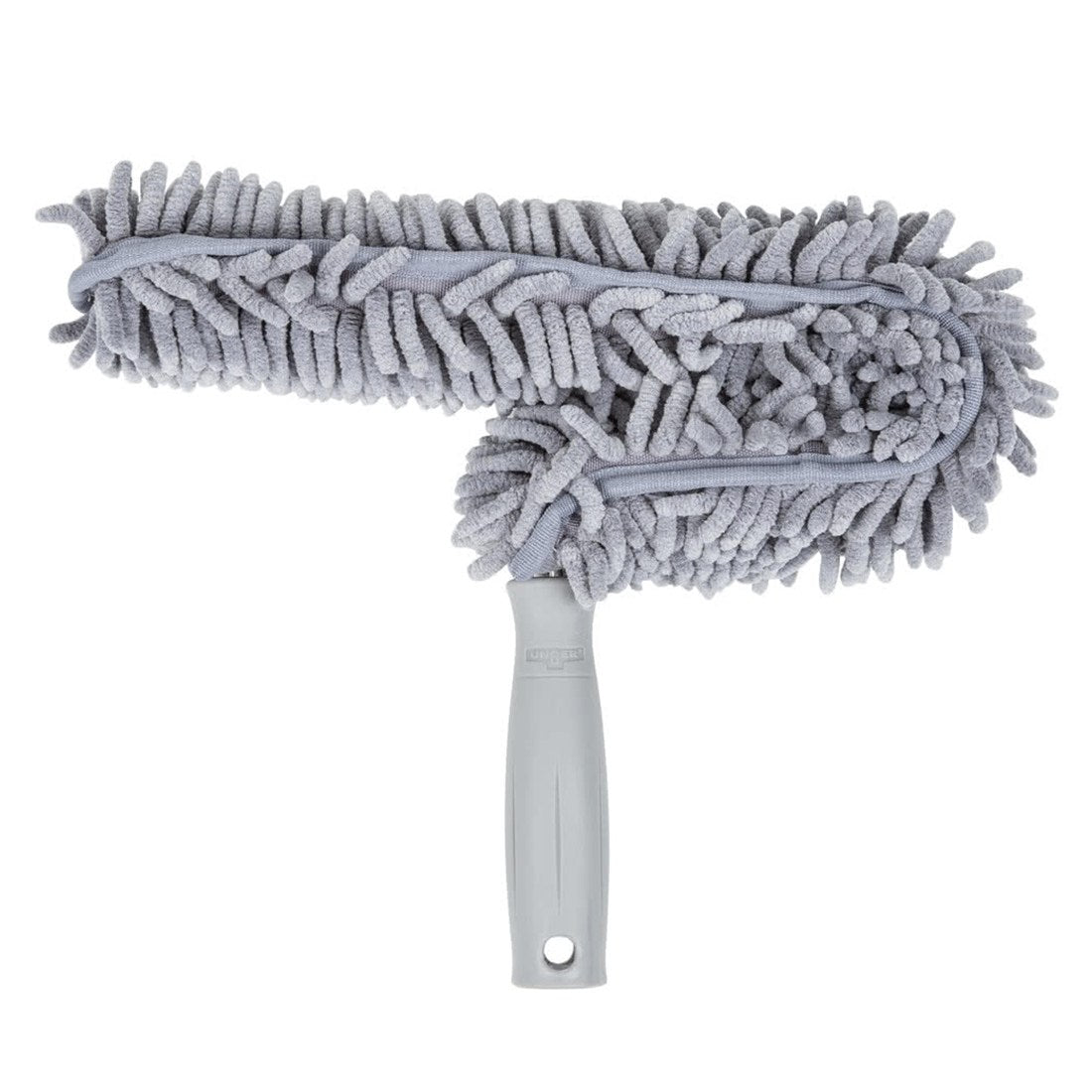
Use an extendable duster with a microfiber head and the pillowcase method if you can reach safely. For very high ceilings, consider a tall ladder with a spotter or hire a pro.
Will cleaning fix a wobble?
Sometimes. Cleaning reduces weight imbalance. If wobble remains, tighten screws and use a balancing weight or the coin method.
Can moisture damage my ceiling fan?
Yes. Excess water can warp blades, spot finishes, and harm the motor. Always wipe damp and then dry.
Is it okay to clean while the fan is on low?
No. Always turn it off. Moving blades are a safety risk and spread dust.
Conclusion
Clean fans move more air, look better, and last longer. You now know how to clean a ceiling fan properly with simple tools, a safe setup, and a fast method that traps dust and protects finishes. Build this into your routine and you will enjoy quieter, cooler rooms with less sneeze-worthy dust.
Ready to try it today? Grab a pillowcase, a microfiber cloth, and a step ladder. If you found this helpful, share it with a friend, subscribe for more easy home guides, or leave a question in the comments.