Dust weekly, deep clean by material, always dry well, avoid soaking real wood.
You want your blinds clean without damage. This guide shows exactly how to clean window blinds the right way, for every material and room. I have cleaned hundreds in homes, rentals, and design projects. You will learn simple steps, pro tricks, and what not to do, so you can clean faster and make your blinds last longer.

Why clean window blinds matters
Clean blinds do more than look nice. Dust blocks light, holds odors, and triggers allergies. Grease builds up, stains set in, and slats warp if you use the wrong method. When you learn how to clean window blinds the right way, you keep air cleaner, color brighter, and mechanisms smooth. I have seen blinds last years longer with steady, gentle care.
Know your blinds: types and what they can handle
Not all blinds like water. Start by knowing the material before you plan how to clean window blinds.
- Vinyl or PVC slat blinds are water safe and easy to wash.
- Aluminum blinds are water safe but can bend; use soft tools.
- Faux wood blinds resist moisture but do not soak for long.
- Real wood blinds do not like water; keep it dry or barely damp.
- Fabric vertical blinds attract dust; they need vacuum and spot clean.
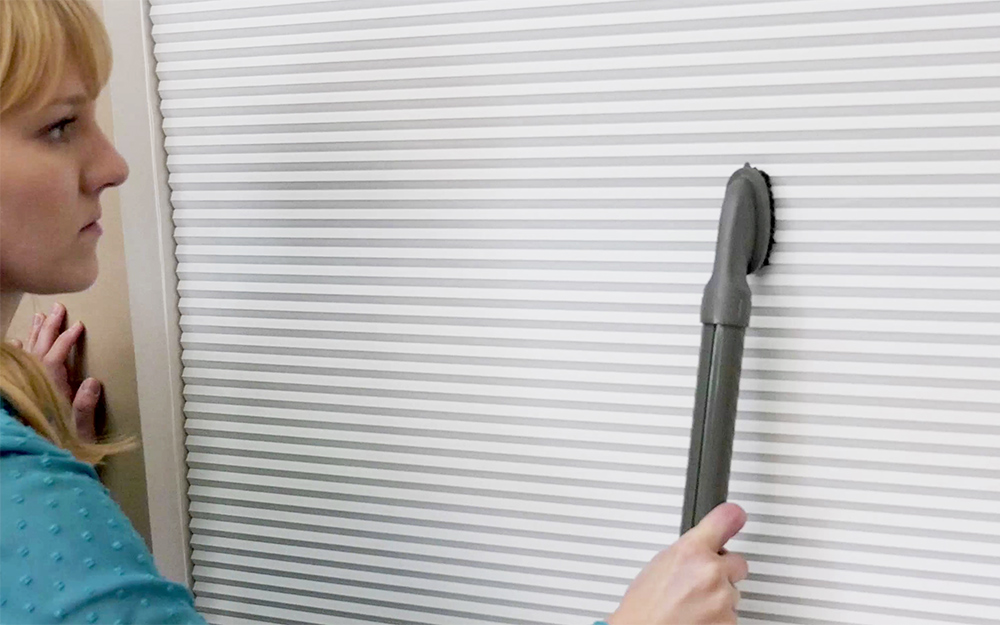
- Cellular or honeycomb shades trap dust in cells; avoid soaking and heavy sprays.
- Bamboo or woven wood shades swell with water; stick to dry dusting.
- Roller shades vary. Vinyl wipes well. Fabric needs gentle spot cleaning.
Supplies checklist and safe solutions
Gather your kit so the job runs fast. Most homes already have what you need to clean window blinds.
- Microfiber cloths for dusting and wiping
- Vacuum with soft brush attachment
- Soft paintbrush or a clean makeup brush for tight spots
- Mild dish soap for grease
- White vinegar for mineral spots and odors
- Wood cleaner or wood polish for real wood slats
- Spray bottle with warm water
- Bucket or tub for soaking water-safe blinds
- Distilled water to prevent water spots
- Step stool with wide steps and rubber feet
- Nitrile gloves and a dust mask if you have allergies
Test cleaners on a hidden spot. Avoid bleach on aluminum or fabric. Never mix bleach and ammonia. Keep cords and motors dry.
:max_bytes(150000):strip_icc()/clean-blinds-dust-gloves-f545a96be8824a4591182dbd9f412099.jpg)
The fast weekly method in 5–10 minutes
Use this routine to keep dust low. It is the easiest way to start how to clean window blinds without fuss.
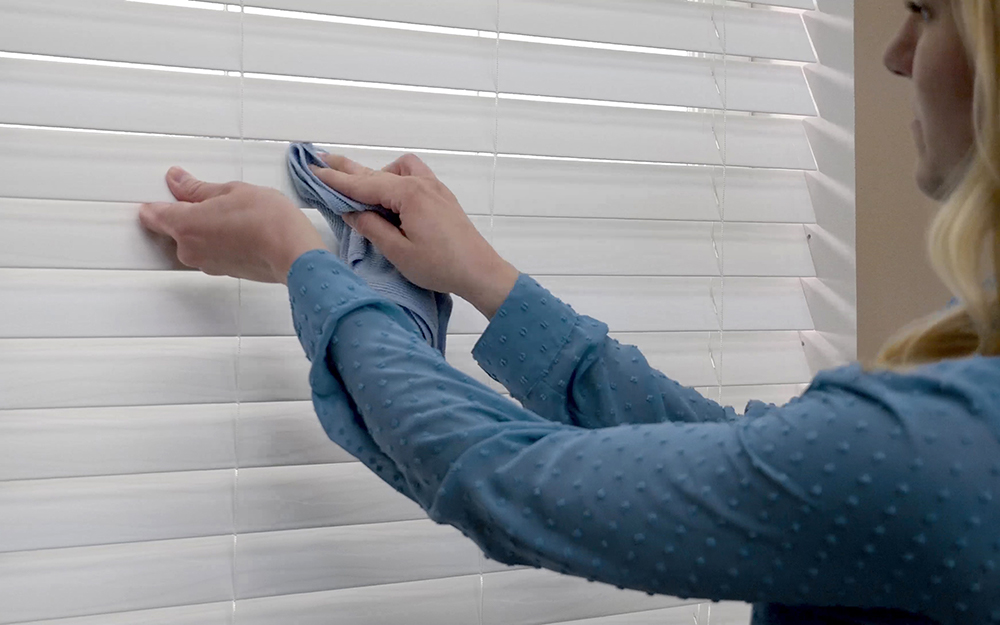
- Close slats. Dust top to bottom with a microfiber cloth or brush.
- Flip slats the other way. Dust again to catch the back.
- Vacuum with a brush. Use low suction to protect edges.
- Spot clean sticky spots with warm water and a drop of dish soap.
- Dry with a clean cloth. Open slats to air dry.
Tip from the field: hold the slats steady with one hand and wipe with the other. It cuts time and bending.

Deep-clean methods by material
Choose the method that fits your blinds. This is the safe path for how to clean window blinds when they need a reset.
Vinyl and aluminum slat blinds
- Take the blinds down if they are very dirty.
- Fill a tub with warm water and a small squirt of dish soap.
- Lay blinds flat in the tub. Soak for 10–15 minutes.
- Wipe each slat with a soft sponge. Rinse with clean water.
- Shake off water. Dry with towels. Hang and open slats to finish drying.
Faux wood blinds
- Leave them up. Wipe slats with a slightly damp microfiber cloth and dish soap.
- Rinse the cloth often. Do not soak the headrail or cords.
- Dry each slat as you go to prevent water spots.
Real wood blinds
- Dust well first. Use a dry microfiber cloth or soft brush.
- Lightly dampen a cloth with wood cleaner or a water-free polish.
- Wipe with the grain. Buff dry right away.
- Keep water away from ends, cords, and headrail.
Fabric and vertical blinds
- Vacuum each vane top to bottom with a brush attachment.
- For spots, blot with fabric cleaner or mild soap solution.
- Support the vane with one hand while you clean to avoid stress on clips.
- For removable fabric vanes, follow the label. Many need dry cleaning.
Cellular or honeycomb shades
- Vacuum with the brush using very light pressure.
- Blow dust from cells with compressed air or a hair dryer on cool.
- Spot clean stains with a tiny amount of mild soap on a cloth. Blot, do not rub.
- Heavy soil often needs professional ultrasonic cleaning.
Bamboo and woven wood
- Dust only. Use a dry microfiber cloth or soft brush.
- If needed, a slightly damp cloth is okay. Dry at once.
- Keep humidity steady to reduce warping.
Roller shades
- Vinyl rollers wipe clean with soap and water. Dry fully unrolled.
- Fabric rollers need gentle vacuuming and spot cleaning only.
:max_bytes(150000):strip_icc()/how-to-clean-blinds-2000-d351ba49cf8d47b799c1f32ddc15f781.jpg)
Stain, grease, and odor removal
Kitchens and bathrooms are tough on blinds. Here is how to clean window blinds when grease, smoke, or mildew show up.
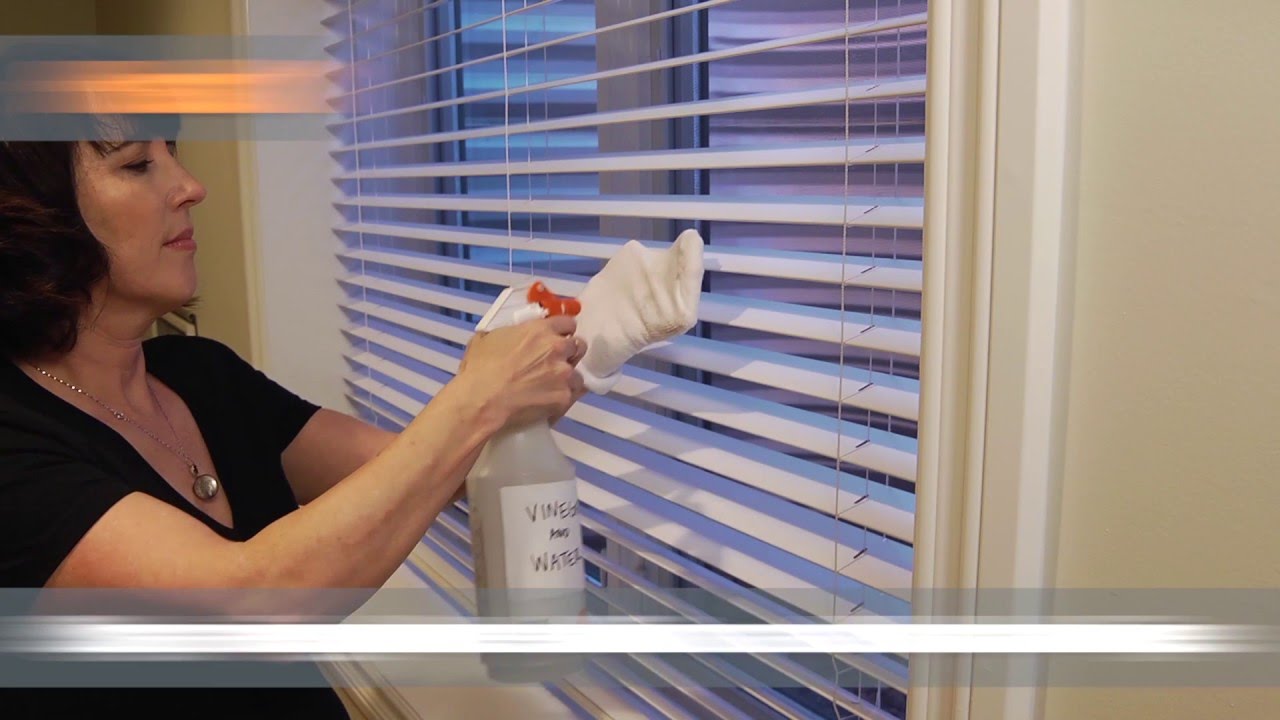
- Grease on vinyl, faux wood, or aluminum: mix warm water with a few drops of dish soap. Add a splash of vinegar for extra cut. Wipe, rinse with clean water, and dry.
- Smoke odor: wipe with a vinegar and water mix. Air out in sunlight for an hour if safe for the material.
- Hard water spots on aluminum or vinyl: use a 50-50 vinegar and distilled water mix. Wipe and dry.
- Mildew on vinyl or aluminum: spray 70 percent isopropyl alcohol on a cloth and dab the spot. Ventilate well. For fabric, use a fabric-safe mildew remover and test first.
- Sticky labels or tape: rub with a little mineral oil on a cloth. Then wash with soap and water.
Always dry slats fast. Moisture left on edges leads to warping and stains.
Safety, care, and common mistakes
Good care saves time and money. These tips come from years of trial and error learning how to clean window blinds well.
- Keep cords and tilt mechanisms dry. Water inside headrails causes rust and failure.
- Do not scrub with abrasive pads. They scratch finishes.
- Do not pressure-wash. It bends slats and ruins tapes.
- Close slats gently before dusting to avoid bending.
- Use a stable step stool. Overreaching leads to bends and falls.
- Test colorfastness before any spot treatment.

Maintenance calendar and when to call a pro
A simple plan makes how to clean window blinds easy to keep. Follow this rhythm.
- Weekly: quick dust and spot clean.
- Monthly: vacuum with a brush, wipe window frames and sills.
- Seasonally: deep clean by material, tighten brackets, check cords or motors.
- Yearly: refresh protectants. Use wood polish on real wood. Check for sun fade or warping.
Call a professional for very large cellular shades, fabric blinds with set stains, or mold that keeps coming back. If a tilt wand sticks or tapes fray, repair before the next clean to avoid bigger damage.
Eco-friendly and allergy-friendly cleaning
You can keep blinds clean and the air healthy. Here is how to clean window blinds while being kind to your lungs and the planet.
- Use fragrance-free soap and vinegar for most jobs.
- Dust with microfiber. It traps particles without chemicals.
- Vacuum with a HEPA filter to reduce allergens.
- Use distilled water to avoid mineral spots and reduce product use.
- Control humidity near 40 to 50 percent to slow dust and mildew.
- Wash cloths in hot water and line-dry in the sun when you can.
Frequently Asked Questions of How to Clean Window Blinds
How often should I clean blinds?
Dust weekly and deep clean every three to six months. Busy kitchens and bathrooms may need monthly deep cleaning.
What is the safest way to clean wood blinds?
Keep water off wood. Dust, then use a wood cleaner on a barely damp cloth and wipe with the grain, then buff dry.
Can I use vinegar to clean blinds?
Yes, on vinyl, faux wood, and aluminum. Avoid vinegar on real wood and some fabrics; always test first.
How to clean window blinds without taking them down?
Close slats, dust both sides, then wipe with a damp cloth where safe. Vacuum with a brush and dry slats open.
How to clean window blinds in the bathtub?
Only for vinyl, PVC, or aluminum. Soak in warm soapy water, wipe each slat, rinse well, and dry before rehanging.
What removes sticky grease from kitchen blinds?
Use warm water with dish soap and a splash of vinegar. Wipe, rinse with clean water, and dry right away.
Are ultrasonic cleaners good for blinds?
They work well for aluminum and some fabrics. Check your manufacturer guidelines and use a trusted service.
How to clean window blinds covered in pet hair?
Vacuum with a brush, then wipe with a slightly damp microfiber cloth. A dryer sheet can help reduce static cling.
Will bleach damage blinds?
Bleach can discolor metals and fabrics and weaken cords. Use mild soap, vinegar, or alcohol on approved materials instead.
How to clean window blinds quickly before guests arrive?
Close, dust both sides, spot clean sticky marks, and open to dry. Focus on eye-level slats and high-traffic rooms.
Conclusion
Clean blinds change a room fast. Start small with a weekly dust, then deep clean by material when needed. Use gentle tools, dry well, and avoid soaking real wood. With this plan for how to clean window blinds, you will save time, breathe easier, and help your shades last for years.
Ready to put it to work? Pick one room today and try the five-minute routine. Share your results or questions in the comments, and subscribe for more simple home care guides.