
Layer comfort with air, light, layout, textures, and simple daily habits.
If you want to learn How to Make Your Home More Comfortable, start with a plan, not products. I’ve spent years helping families fix drafts, glare, clutter, and noise. This guide breaks down the science and shows real steps. You will see How to Make Your Home More Comfortable room by room, season by season, and within any budget.

Start With What Comfort Means To You
Comfort is personal. It blends temperature, fresh air, quiet, soft light, and easy daily flow. When clients ask How to Make Your Home More Comfortable, I begin with a short audit.
Try this five-minute check:
- Sit in each room for two minutes. Note the one thing that bothers you.
- Ask: Too hot or cold? Stuffy? Glare? Echo? Clutter?
- Rate each space from 1 to 5 for temperature, air, light, sound, and ease.
- Pick the lowest score. Fix that first for the biggest win.
Comfort grows when you solve the biggest friction. Repeat each month. This is the fastest way to learn How to Make Your Home More Comfortable without wasting money.

Control Temperature, Humidity, and Air Quality
Thermal comfort is step one. Your body likes steady, clean air. In most homes, 68–72°F feels good in winter and 72–76°F in summer. Humidity around 30–50% helps your skin and lungs and stops mold.
Smart upgrades:
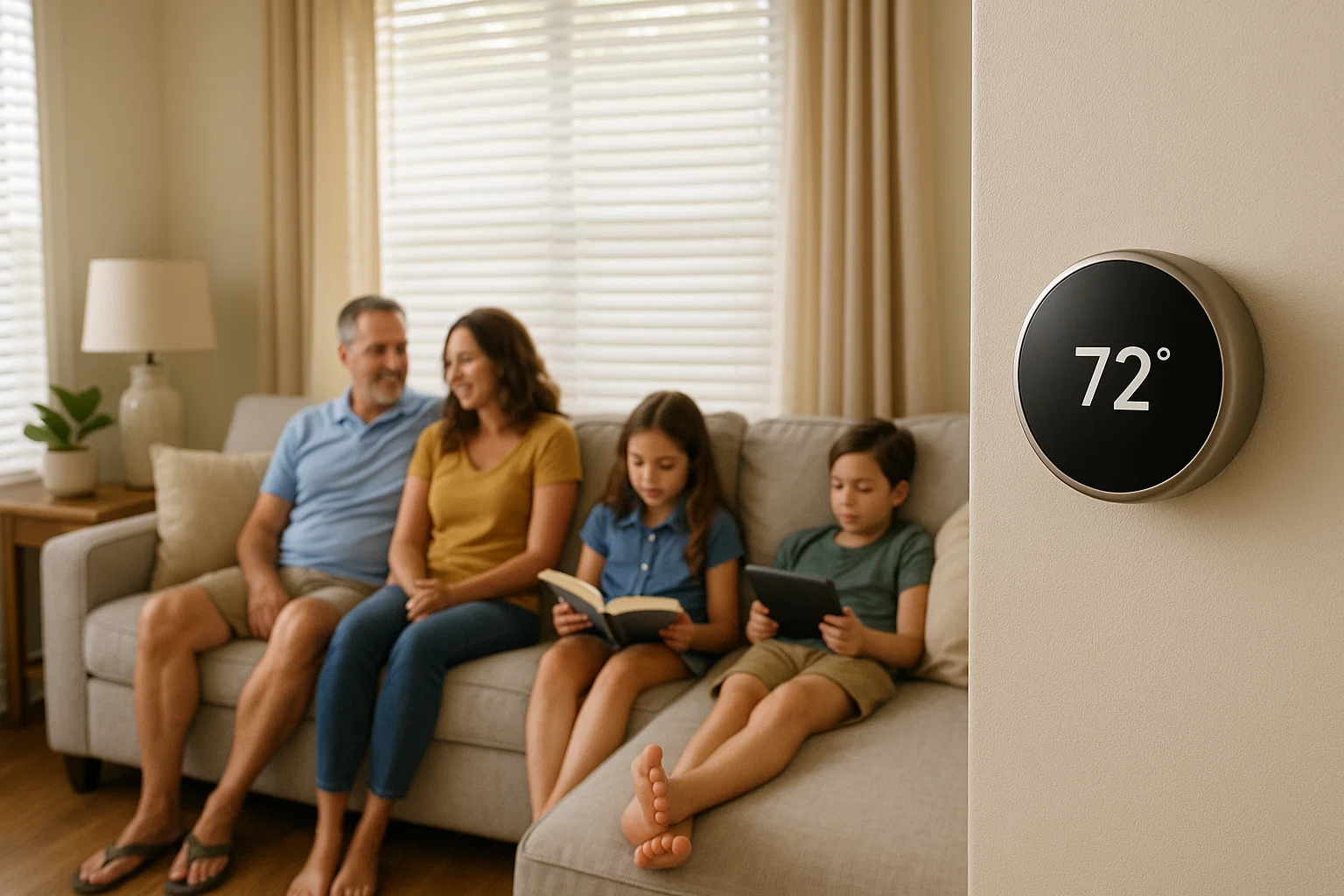
- Install a smart thermostat. Program small setpoint changes for sleep and work.
- Use a MERV 11–13 filter in forced-air systems. Change it every 60–90 days.
- Add a dehumidifier in damp basements and a humidifier in dry winters.
- Vent kitchens and baths for 20 minutes after use. Use the fan every time.
- Seal obvious leaks around windows and doors with weatherstripping.
- If bedrooms feel stuffy, crack a door or add trickle vents for fresh air.
From field work, I’ve seen a simple filter upgrade drop dust and sneezing in days. If you want How to Make Your Home More Comfortable fast, start with air you can feel and breathe.
Light For Mood, Energy, and Focus
Light changes how your brain feels. Use three layers in every room: ambient, task, and accent. Warm light calms; cool light helps you focus.
Practical steps:
- Use 2700–3000K bulbs for living and bedrooms. Use 3500–4000K for kitchens and desks.
- Add dimmers to main fixtures. Keep bright for tasks. Lower at night.
- Bounce light off walls or ceilings to cut glare.
- Use blackout shades for sleep and sheer curtains for soft daytime light.
- Put motion night lights in halls and bathrooms for safe trips at 2 a.m.
I once swapped two harsh ceiling bulbs in a studio for two lamps and a dimmer. The room felt bigger and calmer in ten minutes. Lighting tweaks are a quick way for How to Make Your Home More Comfortable to show real results.
Layout, Ergonomics, and Daily Flow
Comfort means easy movement. You should not bump into chairs or stretch to reach basics. Good ergonomics saves your joints and your mood.
Try this:
- Keep 30–36 inches for walkways. Leave 18 inches around beds.
- Set desk height so elbows bend at 90 degrees. Top of screen at eye level.
- Place a tray or bench by the entry for keys, shoes, and bags.
- Group seating within a 7–10 foot conversation circle.
- Use a side table for every seat. Add a lamp within an arm’s reach.
In my condo, shifting the sofa six inches opened a path to the balcony. It stopped a daily sidestep dance. Small changes teach you How to Make Your Home More Comfortable without buying a thing.
Texture, Sound, and the Soft Layer
Hard rooms echo. Soft rooms hug. You want a balance. Use rugs, curtains, and textiles to calm the space.
Easy wins:
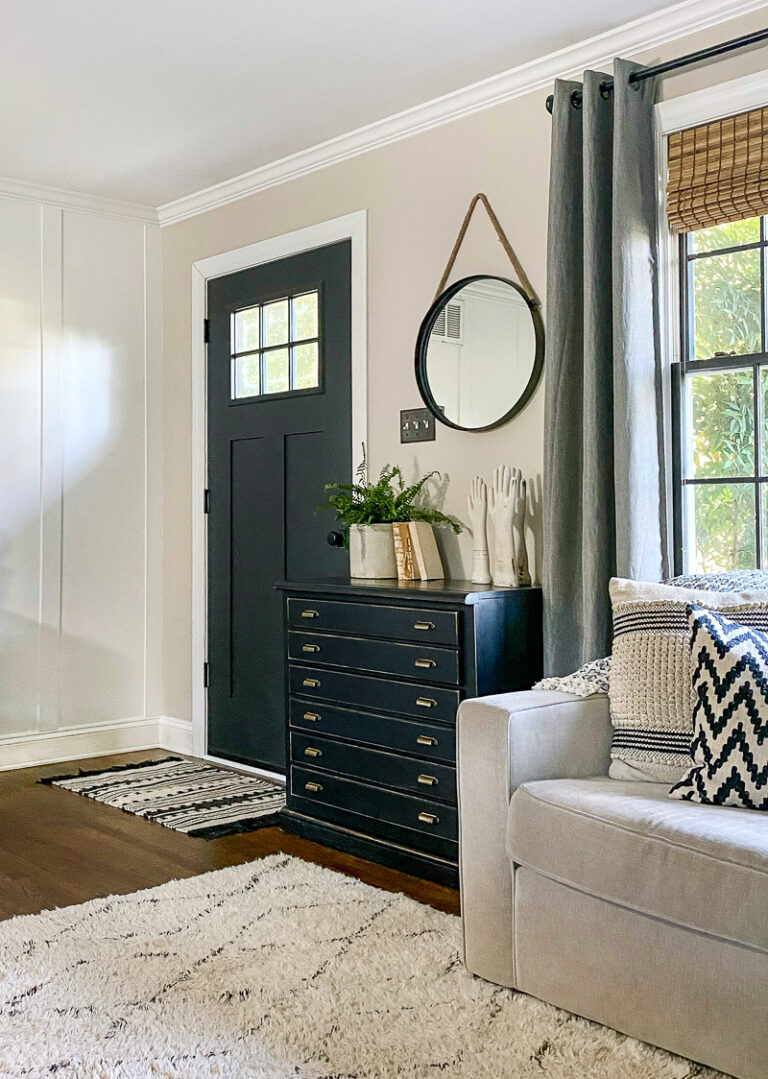
- Place a rug that fits under front legs of seating. It ties the room.
- Hang lined curtains to cut echo and light bleed.
- Add throw blankets with different textures. Think knit, fleece, or cotton.
- Use felt pads under chairs to cut scraping sounds.
- Place bookshelves or fabric panels on echoing walls.
One client’s loft felt like a gym. We added a rug, drapes, and two soft ottomans. Noise dropped, voices softened, and the space felt safe. This is a core step in How to Make Your Home More Comfortable.

Declutter With Kindness And Simple Systems
Clutter steals peace. You do not need a weekend purge to feel better. You only need simple homes for your stuff.
Daily habits that work:
- Do a five-minute reset before bed. Clear counters and sinks.
- Use baskets near hotspots. Toss first, sort weekly.
- Label shelves for the top five items you use daily.
- Try the one-in, one-out rule for clothes and gadgets.
- Keep a donation box in the closet and use it often.
A calm home is not empty. It is clear. It lets you find what you need fast. That is a quiet win in How to Make Your Home More Comfortable.

Smart, Simple Tech For Everyday Ease
Tech should serve comfort, not add friction. Start small and automate boring tasks.
Helpful ideas:
- Smart thermostat schedules comfort around your sleep and work.
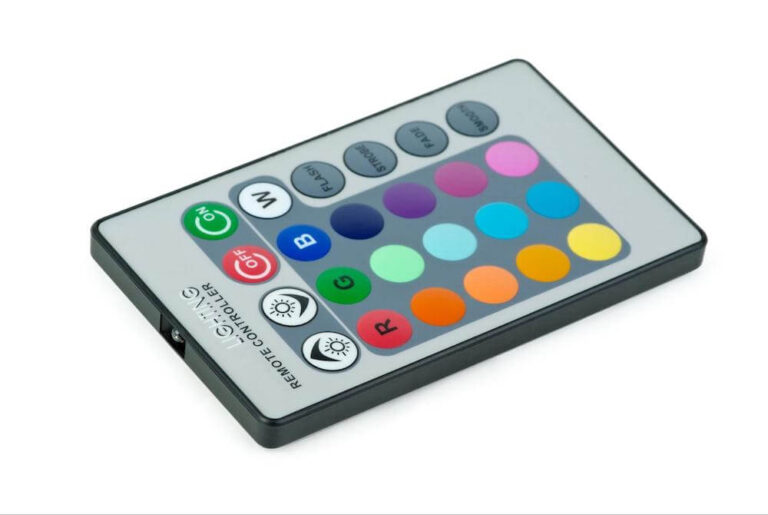
- Smart plugs control lamps with voice or a button by the door.
- Contact sensors on windows can remind you to close them at night.
- A robot vacuum runs at lunch and returns to base on its own.
Mind privacy. Use local controls when you can. Change default passwords. Simple tech steps can help you master How to Make Your Home More Comfortable without turning your place into a gadget circus.

Scent, Plants, and Biophilic Touches
Nature soothes. Bring it inside in small, safe ways. Use scent, texture, and green views.
Try these:
- Use low-VOC candles or diffusers. Keep scents light and clean.
- Add easy plants like pothos, snake plant, or ZZ plant.
- Use wood, stone, and natural fibers for a grounded feel.
- Place a chair by a window with a view of trees or sky.
If scents bother you, skip them. Fresh air and a clean room beat any candle. True comfort respects your senses. That is central to How to Make Your Home More Comfortable that lasts.

Budget Guide: Quick Wins to Bigger Investments
You can boost comfort at any price. Start small. Build up.
Under $50:
- Weatherstripping, door draft stoppers, and LED bulbs.
- A soft lamp, a plant, or a cozy throw.
$50–$200:
- Dimmers, heavier curtains, and a quality rug pad.
- A humidifier or dehumidifier for one room.
$200–$800:
- Smart thermostat, air purifier with HEPA, and blackout shades.
- Entry bench with storage, better task chairs.
$800+:
- Insulation upgrades, window replacements, and HVAC tune-ups.
- Acoustic panels or custom built-ins.
Spend where you feel pain first. That is how you learn How to Make Your Home More Comfortable without regret.
Seasonal Comfort Checklist
Comfort shifts with the weather. A simple checklist keeps you ahead.
Spring:
- Change filters. Clean vents. Test smoke and CO alarms.
- Swap in lighter bedding. Check screens for tears.
Summer:
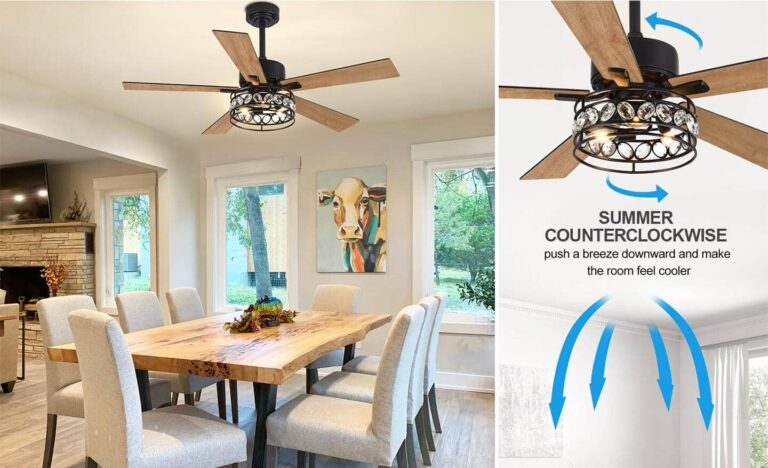
- Close blinds on hot afternoons. Run ceiling fans counterclockwise.
- Use dehumidifiers to hold 50% humidity or less.
Fall:
- Seal drafts. Reverse fans to clockwise at low speed.
- Wash blankets. Bring out warm lamps.
Winter:
- Humidify to 30–40%. Air out rooms at midday for a few minutes.
- Use layered rugs and throws. Preheat beds with a safe pad then switch off.
Use these rhythms and you will feel How to Make Your Home More Comfortable all year.
Safety, Health, and Accessibility Matter
A safe home is a calm home. You cannot relax if you do not feel secure.
Core steps:
- Add grab bars where needed and non-slip mats in baths.
- Keep pathways clear. Add night lights in halls.
- Set water heater to 120°F to avoid scalds.
- Store cleaners high and locked if you have kids or pets.
Comfort includes peace of mind. You feel it in your body. This level of care is part of How to Make Your Home More Comfortable for every stage of life.
Frequently Asked Questions of How to Make Your Home More Comfortable
What humidity level is best for comfort?
Aim for 30–50% relative humidity. It helps breathing, skin, and reduces mold risk.
How often should I change my HVAC filter?
Every 60–90 days for most homes. Change monthly if you have pets or high dust.
What color temperature bulbs should I use?
Use 2700–3000K for cozy rooms and 3500–4000K for tasks. Dimmers give you flexibility.
Can plants clean indoor air?
Plants look great and reduce stress. For air cleaning, good ventilation and filters work better.
How do I reduce noise in an apartment?
Use rugs, curtains, bookshelves, and fabric panels. Seal gaps around doors and add felt pads.
Is a smart thermostat worth it?
Yes, if you use schedules. It saves energy and keeps steady comfort day and night.
What is the fastest way to make a room cozier?
Add a warm lamp, a soft throw, and a rug. Lower the lights and play soft music.
How can I improve comfort if I rent?
Use removable films, draft stoppers, and plug-in dimmers. Add curtains and rugs to cut noise and glare.
Do blackout shades help sleep?
Yes, they block light and support deeper rest. Pair with a cool bedroom and quiet air.
How to Make Your Home More Comfortable without big spending?
Tidy daily, swap bulbs, seal drafts, and add one soft layer. Small changes stack fast.
Conclusion
Comfort is a set of small wins that add up. Fix air and light first. Tune layout, texture, and sound. Layer habits with a few smart tools. If you follow these steps, you will feel How to Make Your Home More Comfortable by next weekend.
Start with one room today. Pick one friction and solve it. Then share your progress, subscribe for more tips, and ask a question—I’m here to help you build your calm, happy home.