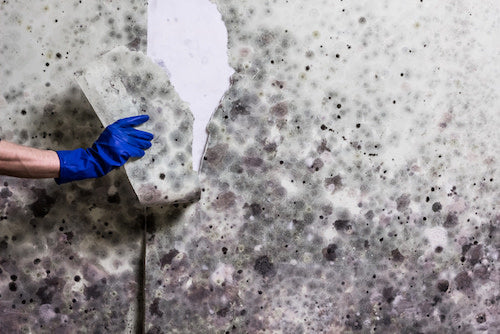
Stop moisture first, then clean with safe methods and toss porous items.
Mold spreads fast, smells bad, and can harm your home and health. In this guide, I’ll show you How to Get Rid of Mold at Home the way I do it for clients and in my own place. You’ll learn what causes mold, how to clean it for good, and how to keep it from coming back—with simple tools, proven steps, and real-world tips you can trust.
What mold is and why it grows
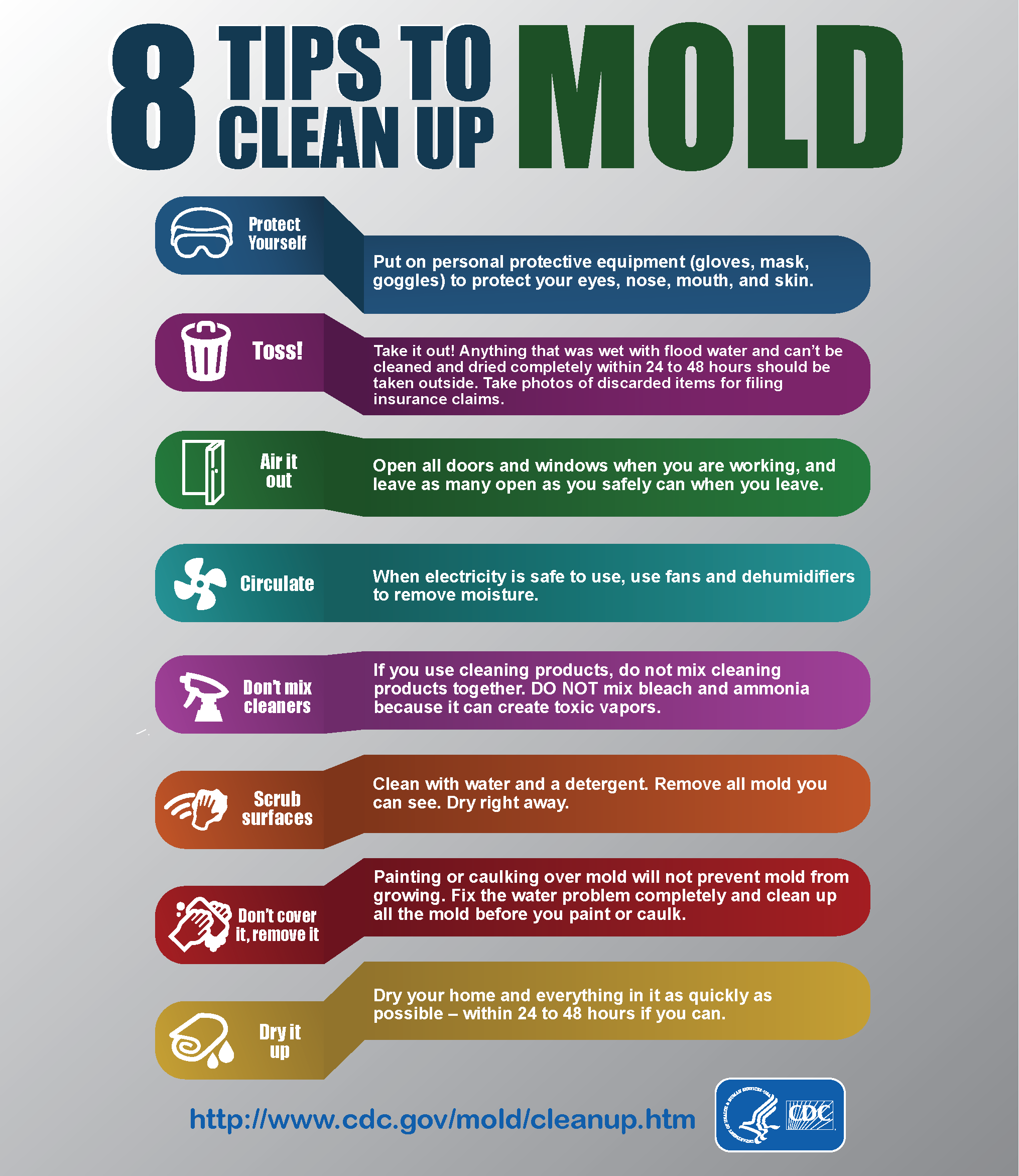
Mold is a type of fungus. It feeds on dust, wood, paper, cloth, and even soap scum. It needs moisture and time. Warm, still air helps it grow faster.
Common spots include bathrooms, basements, windows, and closets. Leaks, high humidity, and poor airflow are the top triggers. To master How to Get Rid of Mold at Home, start by learning why it grows. If you fix the cause, the stain will not return.
:max_bytes(150000):strip_icc()/clean-mold-off-wood-4767277-Vertical-FINAL-50d54949a7af4fc6a81c5ab2071249c4.png)
Safety first: protect your lungs and skin
Spores can bother your lungs and skin. Be safe before you start. Gear up and plan your cleanup area.
- Wear gloves, goggles, and an N95 or better mask.
- Open windows and use a fan blowing out, not in.
- Close doors to keep spores from spreading.
- Keep kids and pets away from the work zone.
- If you see heavy growth over a large wall, call a pro.
Skip DIY if you smell sewage, see major water damage, or the area is larger than a small wall section. If you have asthma, mold allergies, or a weak immune system, get help. I follow this rule at home too. Health first.

Find and fix moisture: the root cause
You cannot win if the area stays wet. Hunt the water first. This is the key step in How to Get Rid of Mold at Home.
- Check for leaks under sinks, behind toilets, and around tubs.
- Look for roof leaks, window leaks, or wet spots on ceilings.
- Use a cheap hygrometer. Keep indoor humidity near 30–50%.
- Run bath and kitchen exhaust fans for 20–30 minutes after use.
- Add a dehumidifier in damp basements or laundry rooms.
- Move furniture 2–3 inches from walls to let air flow.
- Wipe window condensation in winter mornings.
I keep a small moisture meter in my tool bag. It has saved me hours. Numbers beat guesses.
How to Get Rid of Mold at Home: room-by-room plan
Different rooms need different steps. Use this simple plan.
Bathroom
- Scrub tile and grout with detergent and warm water first.
- Use vinegar for soap scum. Rinse well and dry.
- Run the fan and keep the door open after showers.
Kitchen
- Clean under the sink and fix any drip.
- Clear the fridge drip pan. Wipe seals and gaskets.
- Wash trash cans and compost bins often.
Basement and crawl space
- Run a dehumidifier. Keep humidity near 50%.
- Insulate cold pipes to stop condensation.
- Consider a vapor barrier in crawl spaces.
Bedroom and closets
- Do not pack clothes tight. Leave space for air.
- Use lidded bins for off-season items.
- Keep beds a few inches from cold outside walls.
Windows and sills
- Treat small spots on frames with a peroxide spray.
- Dry the area and touch up paint if needed.
- Upgrade weather seals to cut condensation.
Cleaning methods that work (and when to use them)
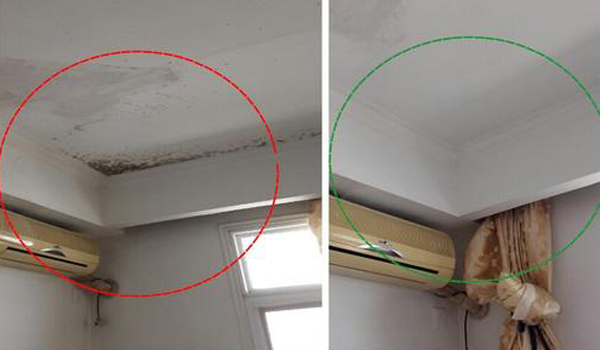
Start simple. Use soap and water on hard, smooth surfaces. Rinse, then dry well. If stains remain, try one of these. Never mix chemicals.
Vinegar (for light, fresh mold on hard surfaces)
- Use plain white vinegar in a spray bottle.
- Spray, wait 30–60 minutes, then scrub and rinse.
- Smell fades as it dries. Works great on soap scum too.
Hydrogen peroxide 3% (good for stains and porous finishes)
- Spray on the spot until wet.
- Let it sit for 10 minutes, then scrub and wipe.
- Test on finishes. It can lighten some surfaces.
Bleach (for non-porous, color-safe, and well-ventilated areas)
- Only for tile, glass, tubs, and sealed stone.
- Mix 1 cup bleach in 1 gallon of water.
- Apply, wait 10 minutes, scrub, then rinse well and dry.
- Do not use on wood, fabric, or drywall. Do not mix with vinegar or ammonia.
Borax (great for wood and as a leave-on)
- Mix 1 tablespoon borax in 1 quart warm water.
- Scrub, then leave a thin film to deter regrowth.
- Wipe off residue if the area is handled often.
Baking soda (gentle scrub and deodorizer)
- Mix 1 teaspoon in a spray bottle of water.
- Spray, scrub, and rinse. Safe on many finishes.
These steps match public health guidance and field practice. In my work, soap, rinse, and dry do most of the job. The fancy stuff comes later.

Materials guide: what to save and what to toss
Porous items hold spores deep inside. Non-porous items clean up better. This choice matters in How to Get Rid of Mold at Home.
Save these with cleaning:
- Glass, metal, glazed tile, sealed stone, and most plastics.
- Finished wood in good shape. Dry it fast after cleaning.
Consider removal or replacement:
- Wet drywall, ceiling tiles, and fiberboard.
- Carpet and padding with visible mold or a musty smell.
- Insulation that got wet.
- Pressed wood that swelled or crumbled.
If you remove items:
- Cut drywall at least 12 inches past visible damage.
- Double-bag waste. Take it out of the home fast.
- Run a fan to dry the area after removal.

Prevent mold from coming back
Prevention is cheap and simple. It is the long-term win in How to Get Rid of Mold at Home.
- Keep humidity near 30–50%. Use a dehumidifier if needed.
- Ventilate baths and kitchens to the outside, not the attic.
- Fix leaks right away. Hours matter, not days.
- Clean and dry spills the same day.
- Wash shower curtains and liners often.
- Swap HVAC filters every 1–3 months. Use the right size.
- Vacuum with a HEPA filter to cut dust, a mold food.
I learned this the hard way. I kept wiping a window sill each week. The cure was a $10 hygrometer and a new bead of caulk.

When to call a pro
Pros help when the job is big, risky, or hidden. Know your limits while you plan How to Get Rid of Mold at Home.
Call for help if:
- Visible mold covers more than a small wall area.
- You see mold in HVAC ducts or air handlers.
- There was a flood, sewage, or long-term leaks.
- You smell mold but cannot find the source.
- You have health concerns or repeated regrowth.
Pros can set up containment, use HEPA air scrubbers, and dry cavities fast. That can save drywall, trim, and time.
Tools and supplies checklist
Stock these before you start. It makes the job faster and safer.
- N95 mask, gloves, and goggles
- Scrub brushes, microfiber cloths, and a bucket
- Dish soap, white vinegar, 3% hydrogen peroxide, borax
- Spray bottles and labeled containers
- Plastic sheeting and painter’s tape
- Trash bags and a shop vacuum with a HEPA filter
- Hygrometer, dehumidifier, and a small moisture meter
This kit covers almost all cases of How to Get Rid of Mold at Home.
Post-cleaning testing and monitoring
Trust your eyes, nose, and numbers. Fancy tests are not always needed.
- The area should look clean, feel dry, and smell neutral.
- Check humidity for a week. Keep it near 30–50%.
- Watch for new spots after showers or storms.
- If you want a check, a tape-lift sample can confirm cleaning on a surface.
- Air tests can be helpful in some cases, but results vary by day and weather.
I revisit tough spots after 48 hours. If it stays clean and dry, I know the fix worked.
Frequently Asked Questions of How to Get Rid of Mold at Home
What kills mold instantly?
Nothing works like magic. Most safe methods need contact time. Let vinegar, peroxide, or bleach sit for at least 10 minutes before scrubbing.
Is bleach or vinegar better for mold?
Use bleach on hard, non-porous surfaces. Use vinegar on soap scum and light growth. Both work, but do not mix them.
Can I paint over mold?
No. Paint will peel and mold will return. Clean, dry, and prime with a mold-resistant primer, then paint.
How do I know if mold is making me sick?
Watch for coughing, wheezing, or a stuffy nose that gets worse at home. If symptoms improve when you leave, see a doctor and address the mold.
Do air purifiers remove mold?
HEPA purifiers can capture spores in air. They do not fix the source or clean surfaces. Use them as a support, not the cure.
What humidity level stops mold?
Aim for 30–50% indoor humidity. Use fans and a dehumidifier in damp rooms. Check with a hygrometer.
How long does mold removal take?
Small spots can take an hour or two. Bigger jobs may need days for drying and repairs. Fixing the moisture is what takes time.
Conclusion
You now have a clear plan to tackle mold at the source. Stop the moisture, clean with the right method, and remove what cannot be saved. Then keep humidity in check and air moving.
If you are ready, pick one room and start today. Take before-and-after photos, track humidity, and learn what works in your space. Want more guides like this? Subscribe, share your results, or drop a question in the comments.