A relaxing home environment is created by managing the factors that most affect comfort: light, sound, temperature, air quality, clutter, and daily routines. In a U.S. home—whether it is a New York apartment, a suburban house in Texas, or a small rental in the Pacific Northwest—you can make meaningful improvements without remodeling. Start with the room you use most, reduce one major source of stimulation, and add consistent sensory cues that help you slow down.
What Makes a Home Feel Relaxing?
A relaxing home supports recovery rather than constantly demanding attention. It should feel comfortable, predictable, and easy to use. That does not mean every room needs to look minimalist or resemble a spa. The best environment is one that matches your needs, schedule, household, climate, and budget.
Several elements work together:
- Lighting: Soft, adjustable light can make evenings feel calmer than bright overhead lighting.
- Sound: Lower background noise reduces distraction and may make it easier to rest.
- Temperature: A comfortable, stable temperature supports sleep and general comfort.
- Air quality: Fresh, reasonably clean air helps prevent odors and irritation.
- Visual order: Reducing clutter lowers the number of unfinished tasks competing for your attention.
- Texture and comfort: Supportive seating, breathable bedding, and pleasant materials make a room more physically inviting.
- Routine: Repeating the same wind-down actions teaches your brain that a space or time of day is associated with rest.
The goal is not to make your home silent, empty, or expensive. Instead, identify what currently feels stressful and change that first. For example, blackout curtains may help more than decorative accessories if morning light disrupts your sleep, while a door sweep may be more useful than a white-noise machine if hallway noise wakes you.

Start With a Quick Home Relaxation Audit
Before buying anything, spend 10 minutes observing the room at the time you want to relax. A short audit prevents you from treating the wrong problem.
Write down the following:
-
What do you notice first?
Look for harsh lighting, visible clutter, strong odors, uncomfortable furniture, or distracting electronics. -
What interrupts you?
Note traffic noise, appliance sounds, phone notifications, pets, household activity, or temperature changes. -
What feels physically uncomfortable?
Check whether the room is too warm, too cold, bright, dry, stuffy, or poorly arranged. -
What unfinished tasks are visible?
Laundry, dishes, paperwork, work equipment, and overflowing storage can keep your attention in “task mode.” -
What is the room supposed to help you do?
A bedroom should support sleep, a living room may support conversation or reading, and a home office may need to transition from work to personal time.
Use this simple priority rule:
| Problem you notice | First improvement to try | Why it may help |
|---|---|---|
| Harsh or uneven light | Add a dimmable lamp or lower-intensity bulbs | Creates more control over evening brightness |
| Street or neighbor noise | Seal obvious gaps, move furniture, or use steady background sound | Reduces sudden sound changes |
| Clutter | Clear visible surfaces and create a “drop zone” | Removes visual reminders of unfinished tasks |
| Stuffy air or odors | Ventilate when outdoor conditions allow and address the source | Improves freshness without masking the cause |
| Poor sleep comfort | Review temperature, bedding, light, and electronics | Targets common environmental disruptions |
| Difficult movement | Reposition furniture and clear walkways | Makes the room feel safer and easier to use |
Change one or two high-impact issues first. If you alter everything at once, you may not know which improvement worked.

Use Lighting to Set the Mood
Lighting is one of the fastest ways to change how a room feels. Use brighter, more even light for cleaning, cooking, and work; use lower, warmer, localized light for reading, conversation, and winding down.
A practical layered-lighting plan includes:
- Ambient light: General illumination from ceiling fixtures or floor lamps.
- Task light: Focused lighting for reading, cooking, hobbies, or desk work.
- Accent light: A smaller lamp or indirect light that adds visual depth without dominating the room.
For a calmer evening environment:
- Turn off unnecessary overhead fixtures.
- Use one or two lamps near the activity area.
- Aim light toward walls or ceilings when possible to reduce glare.
- Keep screens from becoming the brightest object in the room.
- Use dimmers or adjustable bulbs if your fixtures support them.
There is no universal “relaxing” color temperature for every person or room. Warmer-looking light often feels less clinical in the evening, but brightness, glare, placement, and personal preference matter just as much. Avoid making lighting so dim that you create a trip hazard or strain your eyes.
For bedrooms, control unwanted outdoor light with curtains, shades, or blinds. If you need a small night-light, choose a low-level light that does not shine directly into your eyes. The U.S. Department of Energy’s lighting guidance explains how bulb types and controls affect lighting use and energy consumption.

Reduce Noise Without Making the Home Silent
A relaxing home does not have to be completely quiet. Sudden, unpredictable sounds are often more disruptive than a steady low-level sound. The best approach depends on whether the noise comes from inside, outside, or building systems.
Try these measures in order:
Address the source
- Close doors and windows when outside noise is highest.
- Move loud appliances away from bedrooms or seating areas.
- Ask household members to observe quiet hours.
- Turn off unnecessary notifications and device alerts.
- Service rattling fans, vibrating HVAC components, or noisy appliances.
Block sound paths
- Add a door sweep to a gap beneath an interior door.
- Use rugs or runners in rooms with hard floors.
- Place bookshelves or substantial furniture along a shared wall.
- Hang curtains if they improve the room’s overall sound and light conditions.
These steps may reduce echoes and high-frequency distractions, but ordinary curtains and rugs will not soundproof a room. True sound isolation usually requires construction changes, which may not be permitted in a rental.
Add consistent background sound when appropriate
A fan, air purifier, or sound machine can make intermittent sounds less noticeable. Keep the volume comfortable and avoid placing a device directly beside your head. If you use an app or smart speaker, disable unnecessary notifications and check whether the device introduces new lights or alerts.
For persistent sleep disruption, loud neighbors, or possible hearing-related concerns, environmental changes may not be enough. Keep a brief record of when the noise occurs and discuss practical options with your landlord, building manager, or a qualified professional.

Improve Indoor Air Quality Safely
Fresh-smelling air is not always clean air. Fragrances can mask odors without removing their source, and some people are sensitive to scented products. A better strategy is to control pollutants at the source, ventilate when practical, and maintain heating and cooling equipment.
The U.S. Environmental Protection Agency identifies common indoor air concerns such as particulate matter, combustion byproducts, moisture, mold, and household chemicals. Practical steps include:
- Use kitchen and bathroom exhaust fans when cooking or showering.
- Keep indoor spaces reasonably dry and repair leaks promptly.
- Clean visible dust with methods that do not simply redistribute it.
- Follow manufacturer instructions for HVAC filters and replace them as recommended.
- Never use a gas stove, grill, or fuel-burning appliance as a substitute for indoor heating unless it is specifically designed for that use.
- Keep combustion appliances properly maintained.
- Install carbon monoxide alarms according to manufacturer and local guidance.
- Avoid smoking indoors.
If you see mold or repeatedly smell musty odors, address the moisture problem rather than relying on fragrance or surface cleaning alone. Large areas of mold, hidden moisture, sewage contamination, or symptoms associated with a building should be evaluated by an appropriate professional.
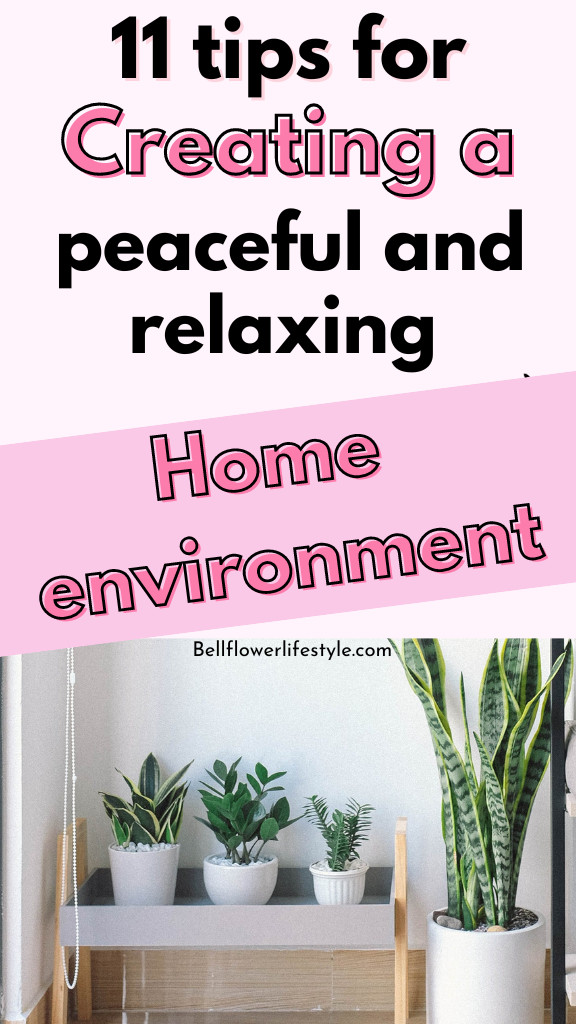
Houseplants can add visual interest, but they should not be treated as a substitute for ventilation or source control. Similarly, essential-oil diffusers may smell pleasant to some people but can irritate others, including people with asthma or fragrance sensitivity. Use them cautiously, ventilate the room, and stop if anyone experiences coughing, headache, breathing difficulty, or irritation.

Make the Room Visually Calmer
Visual clutter creates friction by keeping unfinished tasks in view. You do not need to organize your entire home to feel a difference. Focus on the areas within your normal line of sight from the place where you rest.
Use this five-step reset:
-
Clear the main resting surface.
Remove cups, mail, chargers, and unrelated items from a coffee table, nightstand, or chair. -
Group similar items.
Place remotes, reading materials, and small electronics in one container or tray. -
Create a drop zone.
Use a basket, hook, or shelf for keys, bags, shoes, and other items that otherwise spread through the room. -
Hide task-related materials when the task is over.
Store work laptops, paperwork, exercise equipment, and cleaning supplies when practical. -
Keep the floor and walkways clear.
A room is easier to relax in when movement feels simple and safe.
Choose storage based on how you actually behave. An open basket may work better than a lidded box for frequently used items, while closed storage can help reduce visual noise. Avoid buying organizers before discarding, donating, recycling, or relocating items you no longer need.
Color can influence the atmosphere, but there is no universally calming palette. Soft or muted colors may feel restful to some people, while others prefer richer colors. Test small changes with bedding, artwork, curtains, or throws before repainting.

Arrange Furniture for Comfort and Ease
Furniture placement affects both relaxation and mental load. Arrange the room so the main activity is obvious and the path through the room is clear.
Consider these principles:
- Place seating where people can see the room entrance without forcing every chair toward the television.
- Keep enough space around frequently used furniture for comfortable movement.
- Put reading lamps within easy reach of the seating they serve.
- Avoid blocking heating vents, return-air grilles, windows, or doors.
- Separate work equipment from relaxation areas when space allows.
- Use a small side table or tray so drinks, books, and glasses have a consistent location.
- Position the bed away from direct drafts and strong glare if those factors disturb sleep.
A small room often feels more relaxing when it has fewer, appropriately scaled pieces rather than many small objects. In a larger room, a rug or furniture grouping can define a comfortable zone without making the entire space feel empty.
Safety comes first. Secure tall furniture where appropriate, keep electrical cords away from walkways, and do not place heaters near curtains, bedding, or upholstered furniture. Follow the instructions for space heaters and other electrical devices, and avoid overloading outlets.

Build a Simple Wind-Down Routine
A relaxing home works best when the environment and behavior reinforce each other. A routine helps create a transition between activity and rest, especially when your home also serves as a workplace, classroom, or childcare space.
A 20- to 30-minute wind-down routine might include:
- Put away visible work materials.
- Lower the main lights.
- Set phones to a suitable notification mode.
- Prepare water, medication, reading material, or other essentials.
- Do a quiet activity such as reading, stretching, journaling, or calm conversation.
- Keep the bedroom reserved for sleep and intimacy when possible.
The Centers for Disease Control and Prevention recommends consistent sleep habits, a comfortable sleep environment, and limiting electronic devices before bedtime as part of healthy sleep practices. Environmental changes can support sleep, but they cannot replace evaluation for persistent insomnia, loud snoring, breathing pauses, restless legs, or significant daytime sleepiness.
If your schedule changes frequently, use a portable version of the routine: the same lamp setting, music, breathing exercise, or short cleanup sequence wherever you sleep or relax. Consistency matters more than creating an elaborate ritual.

Adapt the Environment to Your Household
A relaxing home must work for the people who live there. A setup that feels peaceful to one person may feel isolating, too dark, too quiet, or impractical to someone else.
For renters
Prioritize reversible changes:
- Lamps instead of hardwired fixtures
- Removable hooks where permitted
- Rugs and curtains
- Furniture placement
- Draft blockers
- Storage baskets
- Notification and appliance changes
Check your lease before installing fixtures, painting, drilling, or making modifications to doors and walls.
For families with children
Create a realistic reset system rather than expecting constant tidiness. Use low, accessible storage for frequently used items and keep fragile or hazardous objects out of reach. A relaxing family room may need durable materials, clear floor space, and a designated area for toys.
For pets
Keep walkways clear, provide a consistent resting place, and avoid fragrances that appear to bother an animal. Secure cords, cleaning products, medications, and small objects that could be swallowed.
For older adults or people with mobility limitations
Improve lighting at transitions, reduce loose rugs, keep paths clear, and place frequently used items within easy reach. Changes should support independence without creating new fall risks. If a person has difficulty moving safely through the home, an occupational therapist or other qualified professional may provide individualized recommendations.

Common Mistakes to Avoid
Several popular approaches can make a home feel less relaxing rather than more relaxing.
- Changing the décor before solving the discomfort: New cushions will not fix excessive heat, glare, noise, or a poor mattress.
- Using fragrance to cover a source problem: Musty odors, smoke, gas, and persistent chemical smells require investigation.
- Making the room too dark: Low light can create hazards and make ordinary activities difficult.
- Adding too many “calming” objects: Candles, diffusers, blankets, plants, and decorative items can become clutter or introduce fire and allergy concerns.
- Relying on a single purchase: A sound machine, air purifier, or lamp cannot correct every environmental issue.
- Ignoring maintenance: Dirty filters, leaks, flickering bulbs, and malfunctioning appliances undermine comfort.
- Creating a routine that is too complicated: If the routine takes an hour and requires many steps, it may not last.
- Using candles carelessly: Keep candles on stable, heat-resistant surfaces, away from children, pets, curtains, and bedding; never leave an open flame unattended. Battery-operated candles are a lower-fire-risk alternative.
If an improvement fails, return to the audit. Ask whether the problem was misidentified, whether the change was too small, or whether another source is overpowering it. Persistent breathing symptoms, suspected carbon monoxide exposure, serious mold or moisture damage, electrical hazards, and unsafe building conditions require appropriate professional or emergency help.

Key Takeaways
- Start with the room and time of day when you most need to relax.
- Fix the largest source of discomfort before adding decorative features.
- Use layered, adjustable lighting instead of relying on one bright overhead fixture.
- Reduce sudden noise and address the source before adding background sound.
- Improve air quality through source control, ventilation, moisture management, and equipment maintenance.
- Clear visible task reminders and create simple storage locations.
- Make furniture easy to use, move through, and maintain safely.
- Pair environmental changes with a short, repeatable wind-down routine.
- Treat persistent odors, moisture, breathing symptoms, carbon monoxide concerns, and electrical hazards as safety issues—not décor problems.
Frequently Asked Questions
What is the fastest way to make a home feel more relaxing?
Lower harsh overhead lighting, clear the main visible surface, silence unnecessary notifications, and improve the room’s temperature or airflow. These changes are inexpensive and can be completed quickly. Choose the change that addresses the strongest source of discomfort rather than copying a particular decorating style.
What colors are best for a relaxing home?
No color works best for everyone. Muted or lower-contrast colors may feel quieter to some people, while others prefer warm neutrals, greens, blues, or darker shades. Test a small area or use removable textiles before committing to paint.
How can I create a relaxing home on a small budget?
Rearrange furniture, remove unused items, use lamps you already own, wash bedding, clear walkways, reduce notifications, and establish a short evening reset. Secondhand rugs, curtains, baskets, and side tables can also improve comfort without requiring a major purchase.
Should I use an air purifier to make my home more relaxing?
An air purifier may help with certain airborne particles when correctly sized, operated, and maintained, but it does not replace ventilation, moisture control, source removal, or carbon monoxide protection. Check the manufacturer’s room-size guidance and filter replacement requirements. Be cautious with devices that make unsupported health claims.
How do I make a bedroom more relaxing for sleep?
Keep the room comfortable, dark enough for you, reasonably quiet, and free of unnecessary work materials. Use supportive bedding, limit bright screens before bed, and follow a consistent wind-down routine. If sleep problems continue or include breathing pauses, severe snoring, or excessive daytime sleepiness, consult a healthcare professional.
Can a relaxing home help with anxiety or stress?
A predictable, comfortable environment may reduce everyday distractions and support healthy routines, but it is not a treatment for an anxiety disorder or other mental health condition. Seek help from a qualified healthcare professional if stress, anxiety, low mood, or sleep problems persist or interfere with daily life.
Conclusion
Creating a relaxing home environment is less about buying a complete new décor style and more about removing the conditions that keep your body and attention on alert. Begin with one frequently used room, identify its biggest irritant, and make a practical change to lighting, sound, air, temperature, clutter, or furniture placement. Then reinforce the result with a simple routine and regular maintenance.