Block entry points, remove food and water, and use targeted, safe controls.
If you want a bug-free home, you need more than a random spray. You need a plan that blends prevention, smart cleaning, and precise control. I’ve helped families learn How to Keep Bugs Out of Your Home in humid basements, busy kitchens, and old attics. Follow along and you’ll know exactly How to Keep Bugs Out of Your Home without wasting time or money.

Why Bugs Come Inside
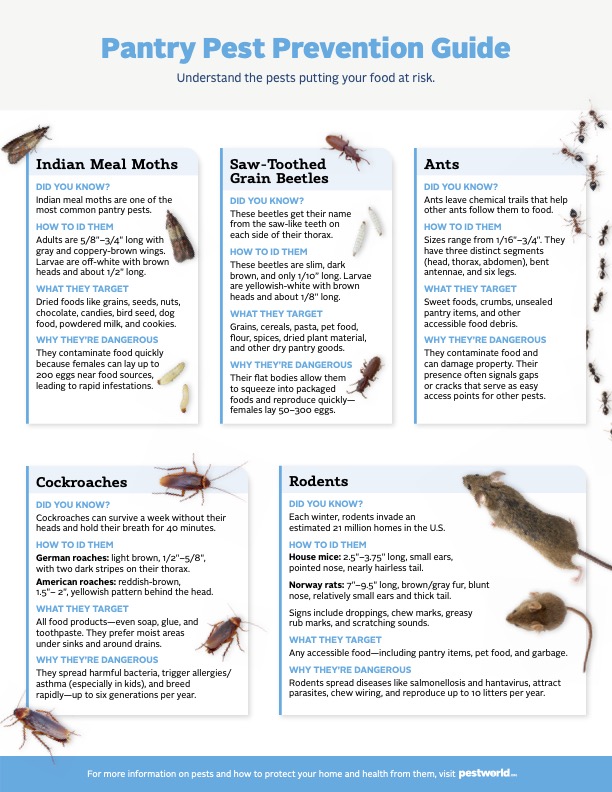
Bugs enter for three simple reasons: food, water, and shelter. Small gaps, moisture, and crumbs make your home feel like a hotel. Ants love sweet spills, roaches love warm and damp spots, and spiders follow the food chain.
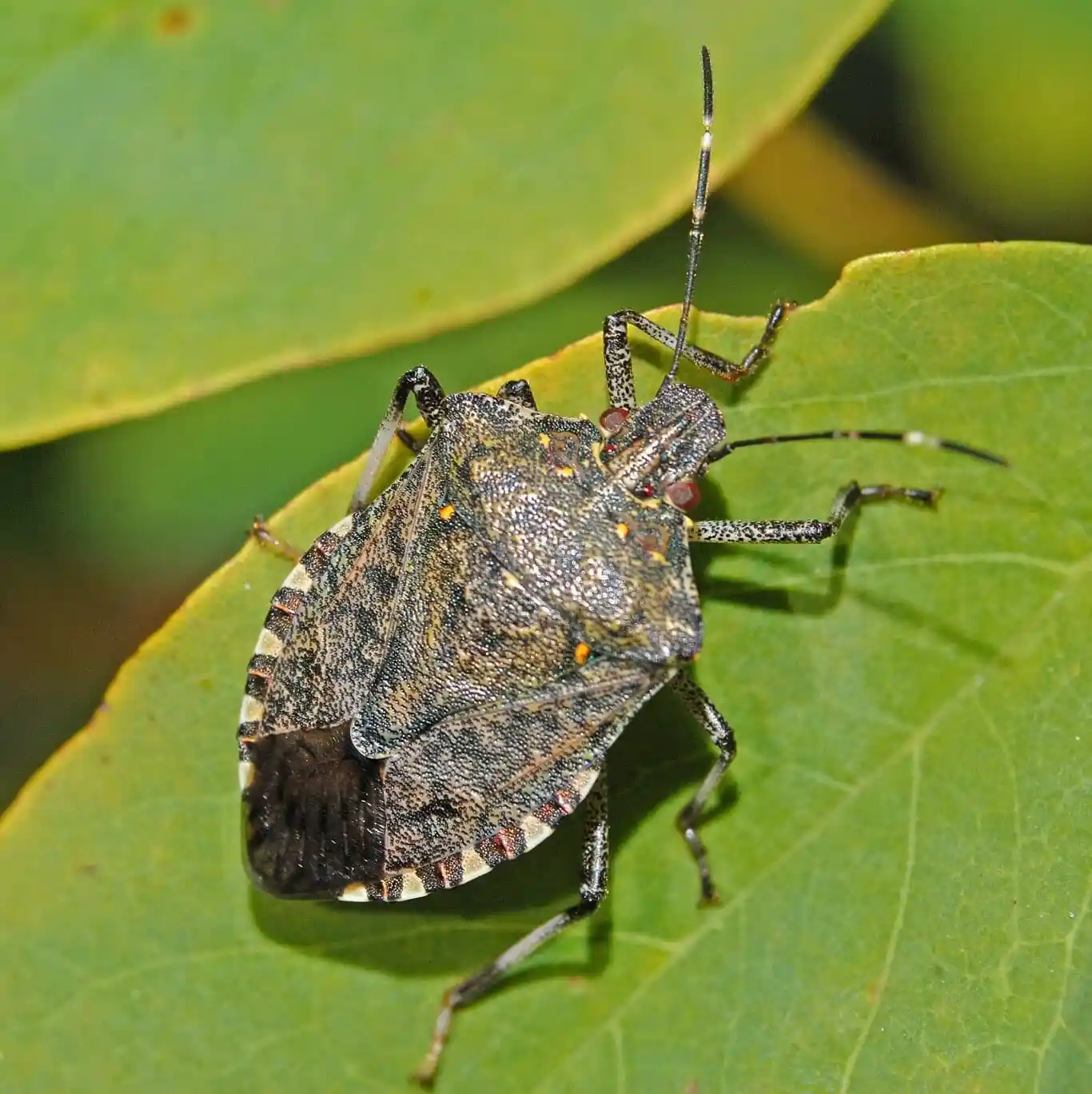
Most invaders are seasonal. Spring brings ants and flies. Summer brings mosquitoes and pantry moths. Fall sends stink bugs and beetles indoors to overwinter. Winter pests hide in wall voids and attics. Public health and university pest experts agree: prevention works best when you remove what attracts them first.
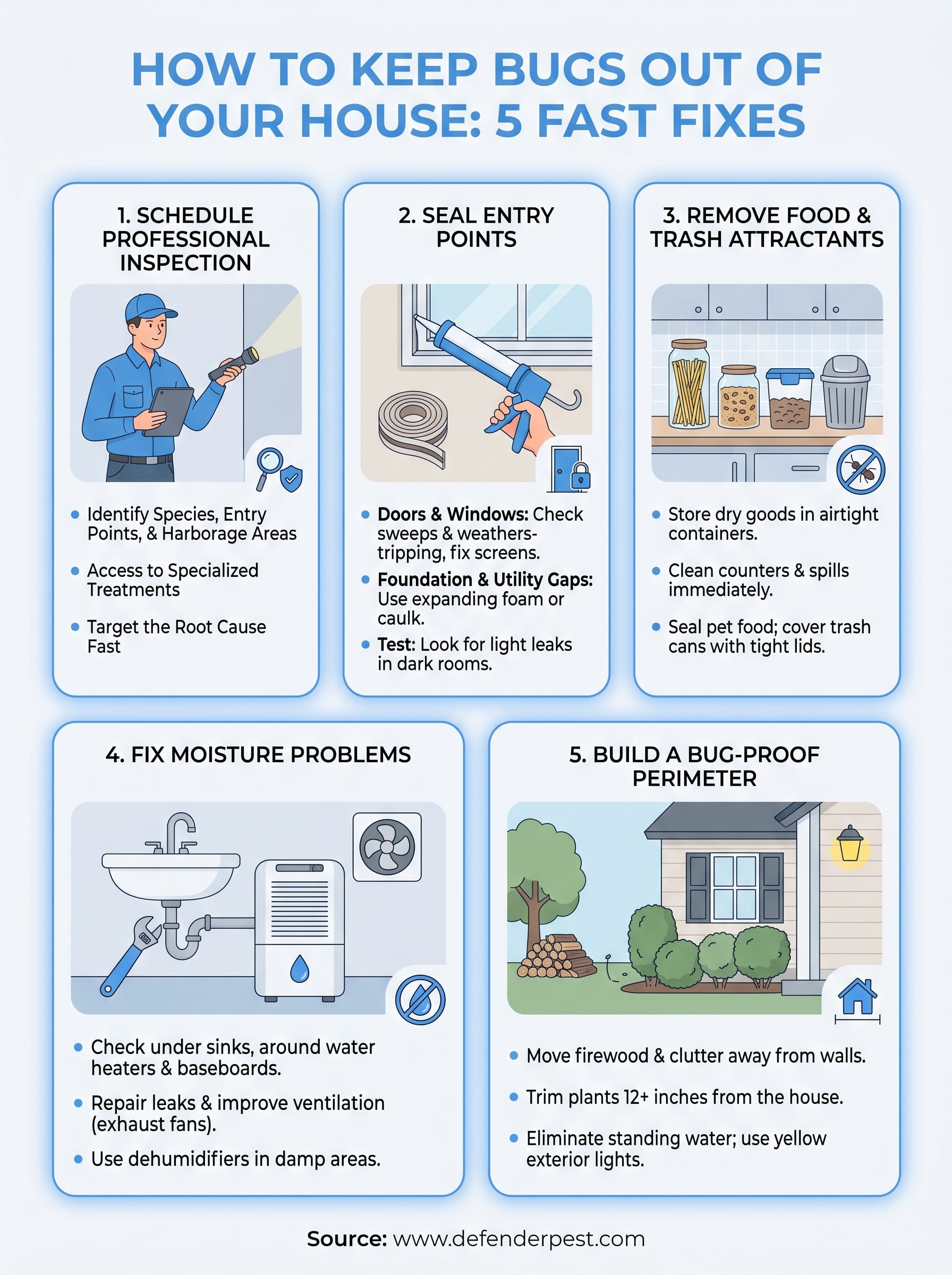
The Integrated Plan: How to Keep Bugs Out of Your Home, Step by Step
Think in layers. This approach is called Integrated Pest Management. It focuses on long-term results with minimal risk.
-
Inspect first
- Walk the perimeter of your home. Look for gaps, cracks, and wet spots.
- Check under sinks, behind appliances, and around doors and windows.
-
Exclude entry points
- Seal, screen, and block routes inside. Doors, vents, and pipes are top priorities.
-
Sanitation and storage
- Clean spills fast. Store food in airtight containers. Empty trash often.
-
Reduce moisture
- Fix leaks. Run fans. Use dehumidifiers in basements and bathrooms.
-
Monitor activity
- Place sticky traps in quiet corners. Track what you catch and where.
-
Targeted control
- Use baits, dusts, and residual sprays only where needed and labeled.
-
Maintain a routine
- Recheck seals each season. Refresh traps. Keep clutter low.
This method is safer and more effective than chasing bugs with random sprays. It is also what pros do in homes and commercial spaces.
:max_bytes(150000):strip_icc()/natural-ways-get-rid-insects-your-home-4864214-v2-2041dbe12ebf4e6c849ad4342c07ae61.jpg)
Seal Your Home Like a Pro
When people ask how to keep bugs out of your home, I start with sealing. Exclusion gives you results that last. A single door sweep has stopped more ant trails for me than any can of spray.
Do this first:
- Weatherstrip all exterior doors. Add door sweeps so no light shows under doors.
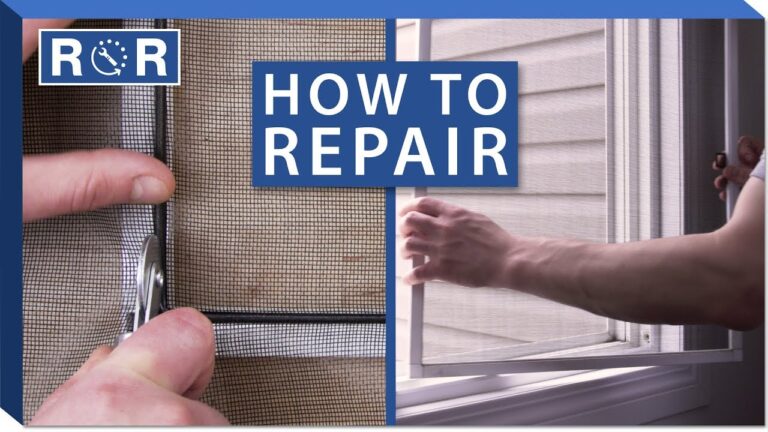
- Repair or replace window screens. Choose fine mesh and fix tears right away.
- Seal cracks with exterior-grade caulk. Use silicone or polyurethane around frames and trim.
- Block utility gaps. Pack steel or copper mesh around pipes and wires, then seal with caulk or foam.
- Screen vents and weep holes. Use 1/4-inch hardware cloth for attic, crawlspace, and dryer vents.
- Check garages and sliders. Adjust tracks, clean thresholds, and seal where light leaks through.
Tip from the field: Kneel at night and look for daylight at door bottoms. If you can see light, small insects can walk right in.
Starve and Dry Them Out
Most infestations start in kitchens and baths. Food and water are magnets.
-
Food control
- Wipe counters daily. Sweep or vacuum crumbs under appliances.
- Store pantry items in airtight containers. This stops ants and pantry moths.
- Feed pets at set times. Seal pet food and clean bowls after meals.
-
Water control
- Fix leaks at faucets, traps, and valves. Even slow drips draw roaches.
- Run exhaust fans during and after showers. Aim for 30–50% indoor humidity.
- Clean drains. Use a brush and hot soapy water to remove gunk that feeds flies.
Research-backed note: Moisture is a key driver for roaches, silverfish, and springtails. Dry homes have fewer bugs and fewer allergens.

Clean Smarter, Not Harder
You do not need to scrub all day. Focus on high-impact spots.
-
Weekly
- Vacuum baseboards, corners, and under furniture. Use a crevice tool.
- Mop sticky floors. Empty and clean trash cans.
- Launder dish rags and sponges. Replace worn sponges often.
-
Monthly
- Pull out the stove and fridge to clean spills and grease.
- Dust closet shelves to deter moths and silverfish.
- Declutter storage areas. Cardboard invites pests; use plastic bins.
Pro tip: A HEPA vacuum picks up crumbs, eggs, and shed skins from roaches and carpet beetles. It also reduces odors that attract pests.
Yard and Exterior Defense
The outside sets the tone. If the yard invites bugs, the house will see them too.
- Trim shrubs and tree branches away from walls and roofs.
- Keep mulch a few inches below siding. Use stone near the foundation if possible.
- Clear gutters and downspouts so water drains away.
- Store firewood off the ground and away from the house.
- Switch to warm or yellow bulbs at doors. They attract fewer night-flying insects.
- Remove standing water. Buckets, toys, and birdbaths can breed mosquitoes fast.
This perimeter work is a major lever in How to Keep Bugs Out of Your Home. It cuts pressure before insects ever find a gap.
Smart, Safe Controls
Control products work best when you have already sealed and cleaned. Go light and go targeted.
- Baits
- Use ant and roach baits near trails and hidden spots. Do not spray over bait.
- Insect growth regulators
- Slow breeding for roaches and pantry pests. Use as labeled.
- Dusts
- Diatomaceous earth and boric acid can help in wall voids and under appliances. Keep them dry and out of reach of kids and pets.
- Residual sprays
- Spot-treat baseboards and entry points. Never broadcast indoors unless the label allows it.
- Traps
- Sticky traps and pheromone traps help you monitor pantry pests and spiders.
Safety note: Always read and follow labels. If you have asthma, infants, or pets, choose the least-risk option. When in doubt, consult a licensed pro who uses an IPM approach. This is the careful path for How to Keep Bugs Out of Your Home without overusing pesticides.
Room-by-Room Checklist: How to Keep Bugs Out of Your Home
Kitchen
- Seal entry points at pipes under the sink.
- Store grains, flour, and snacks in airtight containers.
- Wipe grease from the stove hood and backsplash.
Bathrooms
- Run fans and fix leaks. Squeegee shower walls to cut moisture.
- Clean drains and remove hair and soap scum.
- Caulk gaps where tile meets tub or floor.
Bedrooms and closets
- Launder bedding often. Vacuum under the bed.
- Store off-season clothes in sealed bins to deter moths.
- Check for bed bugs when you travel. Inspect seams and headboards.
Basements and garages
- Use a dehumidifier. Keep items off the floor.
- Seal wall and slab cracks. Install door sweeps at garage entries.
- Store bird seed and pet food in tight containers.
Attics and crawlspaces
- Screen vents. Seal around ducts and wires.
- Keep insulation dry. Address roof or pipe leaks fast.
- Remove wasp nests at the first sign, or call a pro.
Seasonal Playbook for How to Keep Bugs Out of Your Home
Spring
- Seal new gaps from winter movement. Set ant baits early if you had trails last year.
- Clean gutters and fix screens. Refresh door sweeps.
Summer
- Keep grass trimmed and shrubs off the walls.
- Manage standing water and switch to yellow lights outdoors.
Fall
- Seal siding gaps before cold snaps. Store firewood away from walls.
- Inspect attic and eaves for overwintering pests.
Winter
- Deep clean under appliances. Declutter storage.
- Check for moisture issues in basements and around windows.
Signs You Need Backup
Call a pro if you see ongoing droppings, strong musty or oily odors, or live bugs after two weeks of good prevention. Fast-spreading pests like bed bugs, German roaches, and termites need expert help.
A licensed tech can inspect voids, identify species, and use advanced tools. This support can be the final step in How to Keep Bugs Out of Your Home for good.
Common Mistakes to Avoid
- Spraying over bait, which drives ants away from it and ruins control.
- Ignoring moisture. A hidden leak will undo your hard work.
- Treating only where you see bugs. Nests and trails are often nearby but hidden.
- Using foggers indoors. They scatter pests and add risk without lasting results.
- Skipping maintenance. Seals and sweeps wear out over time.
Avoid these pitfalls and you will master How to Keep Bugs Out of Your Home with less stress and cost.
Handy Toolkit
- Door sweeps, weatherstripping, and exterior-grade caulk
- Steel or copper mesh, expanding foam, and 1/4-inch hardware cloth
- Airtight pantry containers and plastic storage bins
- HEPA vacuum, drain brush, and dehumidifier
- Sticky traps, targeted baits, and insect growth regulators
- Flashlight, mirror, and notepad for inspections
With these tools, your plan becomes simple to start and easy to maintain.
Frequently Asked Questions of How to Keep Bugs Out of Your Home
What scent keeps bugs away naturally?
Mint, citronella, and eucalyptus can help repel some insects. They work best as a light deterrent, not as a full solution.
How often should I reapply exterior seals?
Check seals every season and after major storms. Reapply caulk when you see cracks or gaps.
Are ultrasonic pest repellents worth it?
Evidence is mixed and often weak. Focus on sealing, cleaning, and targeted control for reliable results.
Can I use diatomaceous earth safely indoors?
Yes, when used lightly in cracks and crevices as labeled. Keep it dry and away from kids and pets.
Why do I still see ants after putting out bait?
Bait takes time to spread through the colony. Keep bait fresh, avoid spraying nearby, and give it 1–2 weeks.
What humidity level helps reduce pests?
Aim for 30–50% indoor humidity. This range discourages roaches, silverfish, and mold.
How to Keep Bugs Out of Your Home if I have pets and kids?
Choose child-resistant baits and place them in hidden spots. Use mechanical controls first and always read labels.
Conclusion
You can protect your space with a simple, steady plan: seal entry points, control food and water, monitor activity, and treat only where needed. That is how you take control and how you master How to Keep Bugs Out of Your Home.
Start today with one task: install a door sweep or seal a kitchen pipe gap. Small wins build fast. Want more tips on How to Keep Bugs Out of Your Home and other home care guides? Subscribe, share this with a friend, or leave a question and I’ll help you tackle it next.