How to improve home storage space: declutter, go vertical, add multipurpose furniture, label zones.
If your rooms feel tight and your shelves overflow, you are not alone. I help families and small-apartment dwellers every week, and I know how to improve home storage space without costly remodels. This guide breaks down clear steps, smart tools, and real-life tactics you can use today.

Audit First: What You Own, What You Need
If you wonder how to improve home storage space, start with a fast audit. You cannot store what you do not understand. Walk room by room with a notepad. List what you use daily, weekly, seasonally, and rarely.
I time this step with clients. We set a 20-minute timer per room. We tag items with sticky notes: keep, donate, sell, recycle. This gives clear data before you shop for bins you may not need.
Set simple goals next:
- Reduce visible clutter by 50% in the living room.
- Clear the floor in the bedroom.
- Make 20 minutes of weekly reset a habit.
These targets shape choices. They also prevent overwhelm.

Declutter With a Light, Repeatable System
Here is how to improve home storage space without stress: declutter in short rounds. Use a four-box method. Keep, Donate, Sell, Recycle. Do not create a Maybe box unless it has a date.
Practical tips that work:
- Start where clutter hurts most. Entry, kitchen counters, or the bedroom chair.
- Use a laundry basket sweep. Pick up strays fast. Return to zones later.
- For clothes, try the hanger flip trick. Flip hangers after wear. After 60 days, donate what never flipped.
I once cleared a 400-square-foot studio with this. We released 12 bags and freed a whole closet bar. The client slept better that night.

Use Vertical Space Like a Pro
One core answer to how to improve home storage space is to build up, not out. Think wall height, doors, and corners. Add shelves 12–18 inches below the ceiling for light items and decor.
Ideas that pay off:
- Tall bookcases with anchors. Leave 12–15 inches between shelves for bins.
- Over-the-door racks for pantry, bath, and closets. Choose rigid frames for heavy use.
- Pegboards in kitchens or craft rooms. Hooks and cups flex with your needs.
Safety note: Find studs for heavy loads. Use proper anchors for drywall. In rentals, try tension rods, Command hooks, or freestanding towers.

Optimize Closets, Drawers, and Cabinets
If you need how to improve home storage space in tight closets, think layers. Use double-hang rods to split shirts and pants. Add a top shelf riser to stack sweaters in neat rows.
Drawer wins:
- Use dividers for socks, underwear, utensils, and office gear.
- File-fold clothes to see every item at a glance.
- Use shallow trays in junk drawers to stop drift.
Cabinet tricks:
- Add shelf risers so plates and bowls do not nest too deep.
- Turntables in corners for sauces or vitamins.
- Pull-out baskets at the bottom to stop the back-of-cabinet black hole.
Measure before you buy. I once bought bins that looked right but blocked a cabinet door by half an inch. Lesson learned: width, depth, height, and hinge swing all count.

Furniture That Works Double Duty
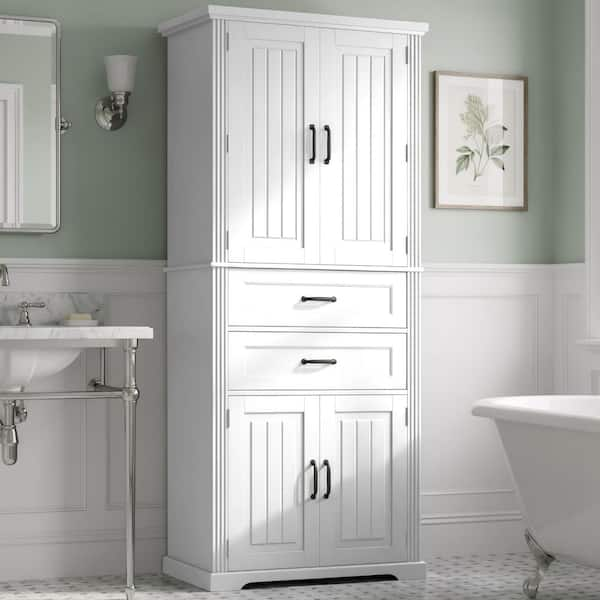
A strong move for how to improve home storage space is to pick furniture with hidden capacity. Storage ottomans hold throws and games. A coffee table with drawers shelters remotes and chargers.
Look for:
- Beds with drawers or room for rolling bins.
- Benches with cubbies for shoes and bags.
- Nightstands with two or three drawers, not one.
For small spaces, choose slim profiles. Aim for pieces with legs. Seeing the floor edge makes rooms feel calm and bigger.

Make Dead Zones Do Real Work
Another answer to how to improve home storage space is to use places you forget. Under-bed space can hold off-season clothes, spare bedding, or memory boxes. Use low, lidded bins with labels on the short side.
More hidden spots:
- Behind doors for hooks, ironing boards, or slim racks.
- Over toilets with narrow shelves.
- Stair treads or landings with baskets for ongoing projects.
Keep heavy items low for safety. Keep daily items between knee and shoulder height. Save the high shelf for light and rare things.

Create Zones and Label Everything
Zoning is how to improve home storage space and make it last. Group like with like. Give each group a home. Snacks go together. Sports gear goes together. Craft stuff stays together.
Then label:
- Use clear, simple words. Snacks. Cables. First Aid.
- Face labels out and at eye level where possible.
- For kids, add a small icon. Ball, book, blocks.
I use a label maker for most clients. But painter’s tape and a marker work too. Labels cut search time. They also help the whole family reset the space fast.
Room-by-Room Tips That Punch Above Their Weight
If you search how to improve home storage space for each room, try these quick wins:
Kitchen
- Add a pan rack or vertical file holder to store lids.
- Use clear bins in the fridge to catch leaks and group snacks.
- Mount a magnetic strip for knives to free a drawer.
Bedroom
- Use slim velvet hangers to save bar space.
- Stash off-season clothes in under-bed zip bags.
- Put a tray on the dresser for keys, watch, and wallet.
Living Room
- Use nested tables to expand when guests visit.
- Add a wall-mounted shelf above the sofa.
- Store blankets in a lidded basket.
Bathroom
- Use stackable drawers under the sink.
- Add a shower caddy with rustproof shelves.
- Keep a small bin for backup toiletries by type.
Entryway
- Add hooks at adult and kid heights.
- Use a shoe tray or rack to stop floor spread.
- Keep a mail sorter for Action, To File, Shred.

Smart Storage Tools and Materials
If you want how to improve home storage space that stays neat, buy well once. Clear bins beat opaque bins when you need fast ID. Lids stop dust. Stackable designs stop toppling.
Good picks:
- Modular shelves you can add to later.
- Sturdy baskets with square sides for tight fits.
- Drawer dividers you can cut to size.
- Vacuum bags for off-season bedding.
Use breathable bags for natural fibers. Wool and cotton like air. Keep cedar blocks or sachets for moth care. Data shows that simple, visible systems raise follow-through and reduce search time.
Make a Maintenance Plan
How to improve home storage space is not one-and-done. You need light upkeep. Set a weekly 15-minute reset. Put stray items back in their zones. Do a 30-minute edit each month for one hot spot.
Helpful habits:
- One in, one out for clothes and toys.
- A donation bag in the closet at all times.
- A family “reset song.” When it ends, the room is clear.
Seasonal swap: rotate gear every three months. I set calendar alerts for clients. We swap summer to fall bins in 30 minutes. No sweat, no mess.
Budget, Timeline, and Quick Wins
On a tight budget and still asking how to improve home storage space? Start with free moves. Declutter. Reuse boxes as test bins. Then invest in the few tools that fix your biggest pain.
Quick wins in under an hour:
- Add over-the-door hooks for bags and robes.
- File-fold one dresser.
- Add labels to your pantry bins.
- Mount two shelves above the desk.
Typical costs:
- $50–$150 for bins and dividers in a small room.
- $150–$400 for a closet overhaul with rods and shelves.
- $0 for declutter and reset habits.
Common Mistakes to Avoid
Learning how to improve home storage space also means dodging pitfalls. I see these often:
- Buying bins before you measure. Always measure first.
- Using deep bins for small items. Things sink and vanish.
- Skipping labels. Memory fades. Labels save time.
- Storing daily items up high. Keep them easy to reach.
- Stuffing every inch. Leave 10–20% open for growth.
Remember rental rules. Use non-damage options when needed. Heavy loads need wall studs or floor support.
PAA-Style Tips and Evidence-Based Insights
Here is how to improve home storage space using small behavior tweaks. Put the hamper where clothes land, not where you wish they would land. Keep tools at the point of use. This cuts friction and helps the habit stick.
What research suggests helps:
- Visual cues increase tidy behavior. Clear bins beat opaque for quick ID.
- Friction kills systems. Lids are great for long-term storage, not for daily grab items.
- Choice overload slows you down. Fewer, bigger categories beat many tiny ones.
From my field notes: when we cut choices and make items visible, clients spend less time hunting and more time living. That is the real win.
Frequently Asked Questions of How to Improve Home Storage Space
What is the first step to start?
Begin with a fast audit and a 20-minute declutter sprint. Measure key spots before you buy any bins or shelves.
How do I make a small closet hold more?
Add a second hanging rod and slim hangers. Use shelf risers and bins for sweaters and accessories.
Are clear bins better than baskets?
Clear bins help you see contents and reduce search time. Baskets look warm but work best with strong labels.
How often should I declutter?
Do a weekly 15-minute reset and a monthly 30-minute edit. Seasonal swaps keep closets and garages on track.
What should I store under the bed?
Use low bins for off-season clothes, spare bedding, and keepsakes. Label the short side and keep heavy items centered.
How can renters add storage without damage?
Use over-the-door racks, tension rods, and freestanding shelves. Command hooks and adhesive caddies are great for light loads.
Do labels really matter?
Yes. Labels create shared rules and reduce decision fatigue. They also help kids and guests put items back.
How do I store papers and mail?
Sort into Action, To File, and Shred. Keep a desktop sorter and do a 10-minute sweep twice a week.
What about garage storage?
Use wall-mounted tracks for bikes and tools. Clear totes with lids stack well; label all four sides.
How can I keep counters clear?
Create a drop zone for keys and mail. Use trays and a small bin for daily tools, then reset each night.
Conclusion
You now know how to improve home storage space with simple steps that work. Audit, declutter, build up, zone, and label. Add smart tools, then protect the system with light habits.
Start small today. Pick one hot spot and give it 20 minutes. Measure, sort, and label. Your rooms will feel calmer, and your time will feel bigger. Want more tips like this? Subscribe, share your wins, or drop a question in the comments.