
Start with a clear style vision, declutter, refine color and lighting, and layer textures.
If you want to know how to improve your home aesthetic, you are in the right place. I have shaped small studios, busy family homes, and dated rentals into calm, beautiful spaces. This guide blends proven design rules with real-life tips you can use today. By the end, you will see how to improve your home aesthetic with simple steps that fit your budget and your taste.

What “home aesthetic” really means
Home aesthetic is the look and feel your space gives at a glance. It is the sum of color, light, shape, texture, and flow. It is also how well your rooms match your life. A pretty room that fights daily habits never feels good.
Research in environmental psychology links light, color, and order to calm minds and better focus. That is why style is not fluff. It is a tool for well-being. When you learn how to improve your home aesthetic, you shape both mood and function.

How to Improve Your Home Aesthetic: set a clear vision
To learn how to improve your home aesthetic, start with a clear end goal. Make a fast audit. Walk each room and write what you love, what you use, and what feels off. Pick three words to guide all choices, like warm, simple, natural.
Build a fast mood board with photos, paint chips, and fabric. Set a simple budget by room and by item. Plan for the big wins first. I ask clients for one hero change per room, like a paint shift or a new rug, then edit around it. This keeps taste tight and cost clear.
Declutter and edit with purpose
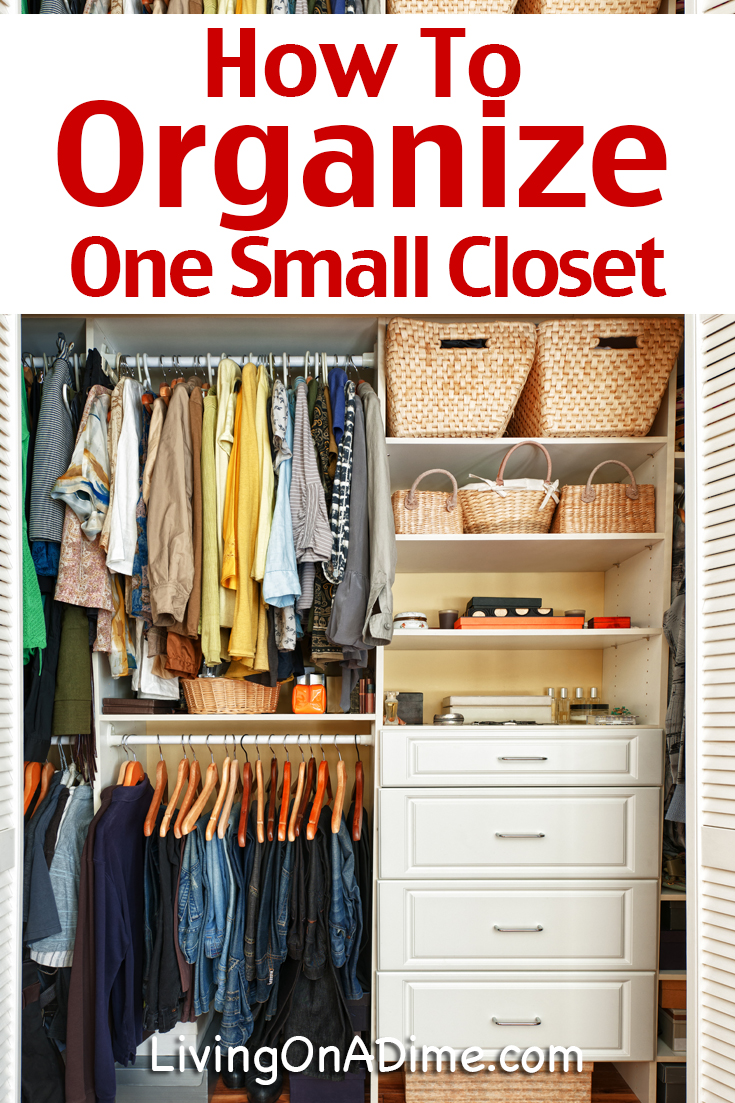
Less visual noise means more style impact. Clutter raises stress and hides what you love. Start with one zone and one hour. Keep, donate, or store.
Use closed storage for odds and ends. Use open shelves for things that add to the look. Do one-in, one-out to hold the line. If you are still asking how to improve your home aesthetic on a tight budget, editing is the best free step.

Color strategy that works
Color is the fastest way to shift mood. Choose a base palette for the whole home. Use the 60-30-10 rule. Sixty percent main color, thirty percent support color, ten percent accent. Test paint in three spots and watch it through the day.
Mind undertones and LRV, which is how much light a color bounces back. Warm whites with soft undertones feel calm. Cool grays can go blue in low light. If you want to know how to improve your home aesthetic with color, link rooms with one shared hue so the eye can rest.
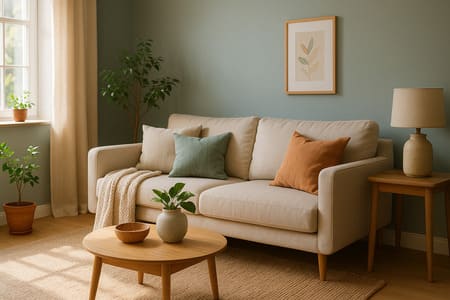
Light like a pro
Good light is like good skincare for your rooms. Layer three types. Use ambient for the base, task for jobs, and accent for drama. In living areas, choose warm bulbs near 2700K to 3000K. For task zones, use brighter, cooler bulbs near 3500K to 4000K.
Use dimmers to match time and mood. To boost daylight, hang rods a bit higher and wider, use sheers, and add a mirror across from a window. If you ask how to improve your home aesthetic with one change, update lights first.

Furniture layout and scale
Flow matters. Map paths and keep them clear. Anchor with a rug that fits the seating group. Front legs of sofas and chairs should sit on it. Choose sofa depth that fits how you sit. Lounge deep for movie nights, slim for tight rooms.
Create a focal point. It could be a fireplace, a view, or a large art piece. In my city condo, turning the sofa to face a big plant and art, not the TV, shifted the whole vibe. It looked styled and still worked for daily life.
Texture, materials, and pattern
Texture adds depth you can feel. Mix matte and gloss, rough and smooth, light and dark. Use wood, stone, linen, wool, metal, and glass in balance. Apply pattern with care. Mix scale, not fights. One big, one medium, one small.
Layer textiles in odd numbers. Think two pillows and a throw on a chair. A woven basket next to a velvet ottoman adds contrast and warmth. If you wonder how to improve your home aesthetic fast, add one rich texture to each room.

Art, decor, and styling with story
Personal art beats generic prints every time. Hang art at eye level. About 57 to 60 inches to the center is a safe mark. Use the rule of three for vignettes. Vary height and shape. Add life with books, travel finds, and family photos in clean frames.
Style surfaces with a simple grid. Base, height, detail. A tray is the base. A lamp or vase adds height. A small object or candle adds detail. This keeps clutter in check and makes dusting easy.
Bring life in: plants, scent, and sound
Plants make rooms feel alive. Studies link indoor plants with less stress and more focus. Start with easy choices like pothos, snake plant, or ZZ plant. Place a tall plant to lift a dull corner.
Scent is part of style too. Use one main home scent and layer it with candles or diffusers. Add soft sound with fabric, rugs, and curtains to cut echo. If you still ask how to improve your home aesthetic beyond looks, tune the senses you hear and smell.
High-impact, low-cost upgrades
You can do a lot with a little. Try these quick wins.
- Paint interior doors in a deep tone for instant polish.
- Swap hardware on cabinets and doors.
- Update switch plates and vent covers to match trim.
- Add lined curtains hung high and wide to frame windows.
- Use peel-and-stick tile or wallpaper in small doses.
- Refresh grout and caulk for a clean base.
These moves make a home feel fresh without a full redo. They also help if you plan to sell.
Common mistakes to avoid
Do not buy full sets. Match is not style. Scale is key. Rugs that are too small make rooms feel cheap. So do floating art pieces that are too high. Overhead light only is harsh and flat.
Do not chase every trend. Choose a few accents and keep the bones classic. Avoid too many small decor bits. Group them so the eye reads one story, not ten.
Room-by-room mini guides
Living room
- Anchor seating on a right-size rug.
- Use lamps at both ends of the sofa for balance.
- Add one bold art piece to set the tone.
Kitchen
- Clear counters. Store extras.
- Add under-cabinet lights for task and glow.
- Use one color story for towels, rugs, and tools.
Bedroom
- Keep the palette calm and tight.
- Use two layers of bedding for depth.
- Block light with lined drapes or shades.
Bathroom
- Swap the shower curtain for a fabric one with a liner.
- Add hooks and trays to cut clutter.
- Use warm bulbs near 2700K for a spa feel.
Entry
- Keep a console or shelf for keys and mail.
- Add a mirror to bounce light.
- Use a hard-wearing rug and a closed basket.
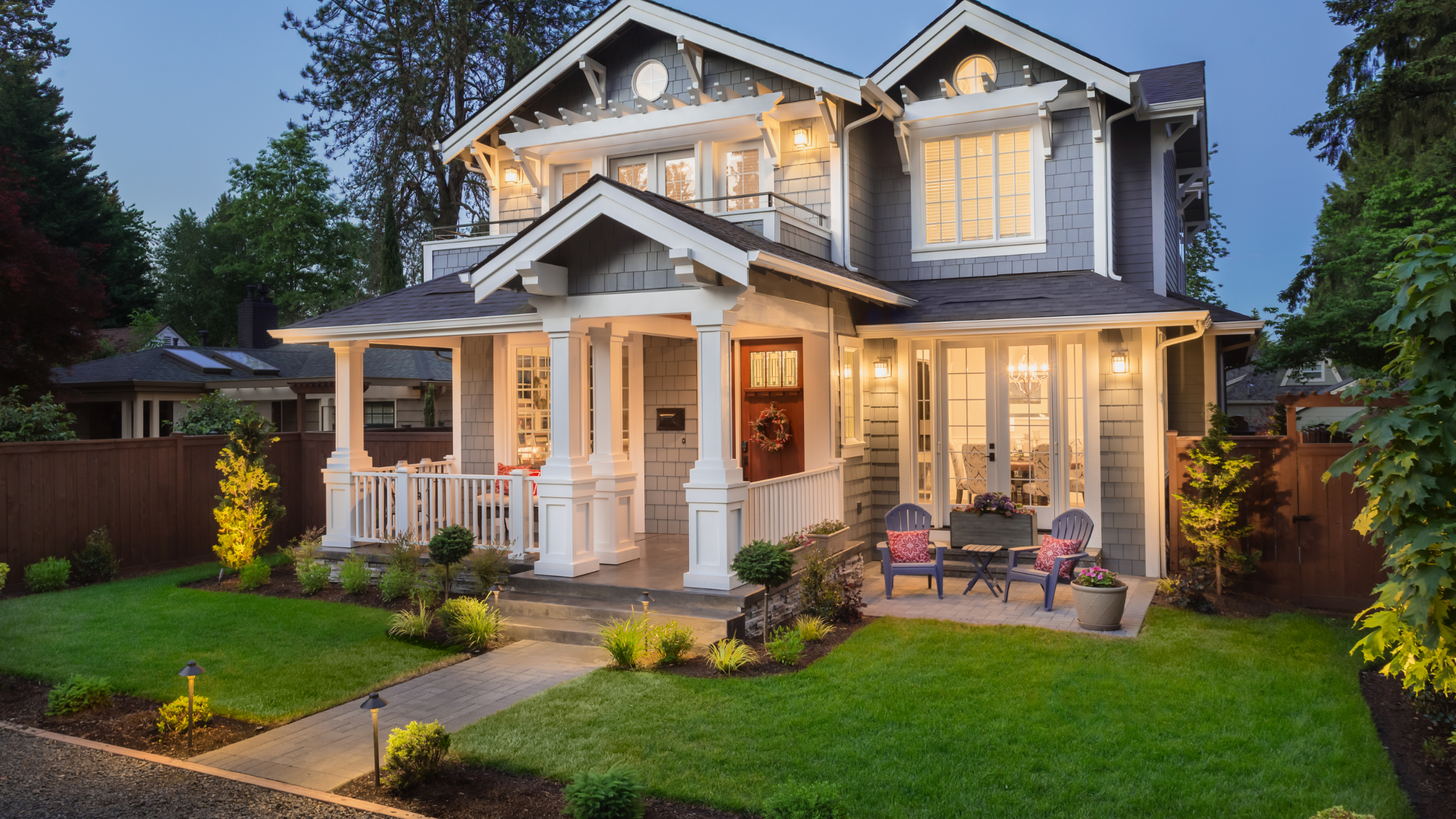
Outdoor
- Add simple seating and warm solar lights.
- Use planters in odd numbers.
- Keep the door clean and the mat fresh.
These steps help you see how to improve your home aesthetic in each zone fast.
A simple 30-60-90 day plan
Days 1–30
- Declutter one room each week.
- Choose your three style words and palette.
- Swap bulbs and add two dimmers.
Days 31–60
- Paint one key room or all trims and doors.
- Hang art and mirrors to the right height.
- Add a hero rug and two new lamps.
Days 61–90
- Style shelves and surfaces with story.
- Add curtains and two more plants.
- Review and edit. Keep what you love. Store or sell the rest.
Follow this and you will learn how to improve your home aesthetic with less stress and clear wins.
Quick answers on how to improve your home aesthetic
What is the fastest way to refresh a room?
- Paint, lighting, and one large rug can flip a room in a weekend. Edit decor and group items so the space feels calm.
How many colors should I use in one room?
- Use two to three main colors plus a neutral. Repeat them at least three times each for a tied look.
How do I make a small room look bigger?
- Use light colors with a higher LRV, hang curtains high, and add mirrors. Keep furniture legs visible to show floor space.
Is it okay to mix metals and woods?
- Yes. Mix warm with cool for balance. Repeat each finish at least twice so it looks planned.
How to improve your home aesthetic if you rent?
- Use peel-and-stick, plants, textiles, and art. Layer rugs and swap hardware you can store and put back later.
Frequently Asked Questions of How to Improve Your Home Aesthetic
What budget should I set to start?
Begin with a small test budget per room for paint, bulbs, and one key item. Track spend and adjust once you see what makes the biggest change.
How often should I change decor?
Aim for a light refresh each season and a deeper edit once a year. Swap pillows, art, and plants to keep your look fresh.
Do I need a theme for the whole house?
You do not need a strict theme, but a shared palette and recurring textures tie rooms together. This makes small spaces feel larger and more calm.
Which comes first: furniture or paint?
Choose main furniture first if you can, then match paint to it. Paint has more options and is easier to tweak.
How can I test my style before buying?
Make a mood board and try sample kits for paint and fabric. Tape rug outlines on the floor to check size and flow.
Conclusion
A beautiful home is not a mystery. It is a set of small, clear moves done in order. Define your style, clear the clutter, tune color and light, then layer texture and story. That is how to improve your home aesthetic in a way that lasts.
Start with one room this week. Choose one hero change and one edit. Share your plan or your wins in the comments, and subscribe for more step-by-step guides you can use right away.