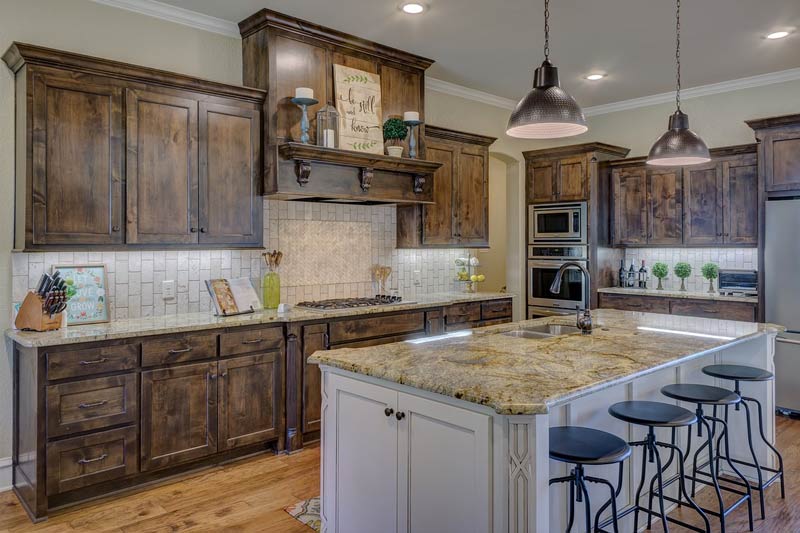
Most kitchen cabinets last 15–30 years with proper care and quality.
If you are asking how long do kitchen cabinets last, you want a clear answer that you can trust. I have spent years helping homeowners fix, refresh, and replace cabinets. In this guide, I break down the real factors that set the life of a cabinet. You will see what lasts, what fails, and how to make smart choices that fit your home and budget.

What “cabinet lifespan” really means
Cabinet life is not just about the box still hanging on the wall. It is about safe use, smooth doors, and a finish that still looks good. Style age also matters. A cabinet can be sound but look tired.
Think about three kinds of life:
- Structural life. The box, frame, shelves, and joints can handle daily use.
- Functional life. Doors, drawers, slides, and hinges work well and line up.
- Aesthetic life. The finish, color, and door style still fit your kitchen.
If you plan to sell soon, style life can carry more weight. If you plan to stay, function and structure may matter more.

How long do kitchen cabinets last by material and build
Materials and joinery drive most of the lifespan. So does the finish. Here is what I see most often in the field.
Solid wood face frame with plywood box
- Typical lifespan: 20–40 years.
- Why it lasts: Strong frames, durable plywood, repairable doors.
- Watch for: Finish wear near the sink and stove. Seasonal movement.
All-plywood frameless (European style)
- Typical lifespan: 20–30 years.
- Why it lasts: Dense cores, stable sides, strong hardware mounting.
- Watch for: Edge band wear and chipping if hit.
MDF doors with plywood or furniture board box
- Typical lifespan: 15–25 years.
- Why it lasts: Smooth paint finish, good stability in doors.
- Watch for: Swelling from leaks and steam. Keep water away.
Particleboard or furniture board boxes with laminate
- Typical lifespan: 10–20 years.
- Why it lasts: Cost-effective, decent in dry homes.
- Watch for: Sagging shelves, screw strip-out, and delamination if wet.
Thermofoil doors
- Typical lifespan: 10–20 years.
- Why it lasts: Easy to clean, uniform look.
- Watch for: Peeling near ovens, toasters, and dishwashers from heat.
Metal or stainless cabinets
- Typical lifespan: 30+ years.
- Why it lasts: Very durable in dry, indoor spaces.
- Watch for: Dents and fingerprints. Moisture can cause rust over time.
Finish types and their impact
- Catalyzed varnish or conversion varnish: Very durable. Lasts decades with care.
- Factory UV-cured finishes: Hard and consistent. Great for busy kitchens.
- Waterborne finishes: Low odor. Good durability if applied well.
- Painted finishes: Beautiful, but need touch-ups. Expect chips at high-contact spots.
From what I have seen, good plywood boxes with quality hardware outlast low-end particleboard by two to three times. This gap shows up most near the sink and dishwasher, where steam and leaks hit first.

Key factors that affect how long kitchen cabinets last
If you want a straight answer to how long do kitchen cabinets last, look at these drivers. They shape most outcomes.
- Material quality. Plywood beats particleboard in moisture and screw holding.
- Construction. Dovetail drawers, full backs, and strong joinery last longer.
- Hardware. Soft-close, full-extension slides and quality hinges reduce wear.
- Finish. Durable factory finishes resist grease, UV, and water better than DIY paint.
- Moisture and humidity. Leaks, high RH, and steam can swell cores and damage finishes.
- Heat and light. Ovens, sun, and undercabinet lighting age finishes faster.
- Use intensity. Big families and rental use shorten life from constant wear.
- Cleaning habits. Harsh cleaners dull finishes. Gentle care preserves sheen.
- Installation. Level, plumb, and securely fastened boxes prevent racking and sag.
I have pulled many failed cabinets that looked fine outside but had water damage below the sink. Even a small drip can cut years off the life of a base cabinet.
Maintenance habits that add years
Simple care can add five to ten years for many homes. Your cabinets do not need fancy products. They need steady, gentle care.
Do this each month:
- Wipe doors and pulls with a damp microfiber cloth. Dry right away.
- Clean greasy areas with mild dish soap and water. Rinse and dry.
- Check hinges and slides. Tighten loose screws.
Do this each season:
- Inspect under the sink for leaks. Fix fast if you see moisture.
- Adjust hinges to keep doors aligned and stop edge wear.
- Add felt bumpers where wood hits wood.
Do this each year:
- Oil or wax natural wood if the maker allows it.
- Touch up paint chips on edges and near pulls.
- Re-caulk backsplashes to block water wicking into ends.
Avoid these:
- No bleach, ammonia, or abrasive pads. They cloud finishes.
- No soaking wet cloths. Water can swell ends and edges.
- No heavy loads on upper shelves. Stay within hardware limits.
Tip: Run a range hood when cooking. Use a bath-style fan if the kitchen gets humid. Target 40–50% indoor RH to protect wood and finishes.

Repair, reface, or replace: cost and lifespan math
Many people ask how long do kitchen cabinets last if they reface or refinish. The answer depends on structure and layout.
- Repair small issues. Tighten hardware, add shelf supports, replace worn slides. Cost is low. Adds 3–8 years if boxes are sound.
- Refinish or repaint. Best when the finish is tired but wood is solid. Cost is moderate. Adds 5–10 years with a pro finish.
- Reface. New doors, drawer fronts, and veneer on face frames or boxes. Cost is mid-to-high. Adds 10–15 years if boxes are sturdy.
- Replace. New layout, boxes, doors, and hardware. Cost is highest. Delivers a fresh 20–30 year runway with quality cabinets.
When to reface:
- Boxes are plumb and solid.
- You like the layout.
- You want a fast, cleaner project.
When to replace:
- Water damage, mold, or sagging.
- Thin boxes that cannot hold new slides.
- You want a new layout or wider drawers.
Think in dollars per year. A well-done refacing at a mid price can beat cheap new cabinets if your boxes are strong.
Signs it is time to upgrade
Watch for these red flags. They show the end of useful life is near.
- Doors that will not align despite hinge tweaks.
- Drawers that wobble or rails that rip out of sides.
- Swollen bottoms under the sink or in dishwasher areas.
- Peeling thermofoil near heat sources.
- Delamination at edges or loose veneer.
- Shelves that sag under normal loads.
- Musty smells that return after cleaning.
One more cue is style. If you ask how long do kitchen cabinets last for resale value, know that dated doors and yellowed finishes can hurt offers. A refresh or replace can lift both joy and value.

Real-world lessons from the field
A lakeside remodel:
- The home had particleboard boxes with MDF doors. After 12 years, humidity had swelled base cabinets at the sink. Slides failed, and screws stripped out.
- We replaced base boxes with plywood and reused the uppers after sealing edges. The mix saved cost and added at least 10 more good years.
A busy family kitchen:
- Solid wood frames with plywood boxes were 22 years old. The finish was dull, and doors chipped at pulls.
- We refaced with new shaker doors, added soft-close hardware, and adjusted storage. The kitchen looked new. This move likely added 12–15 years without a full gut.
From these jobs, my take is clear: how long do kitchen cabinets last depends more on moisture control and hardware than almost anything else you pick on day one. Gentle cleaning and fast leak fixes pay off for decades.
How long do kitchen cabinets last in different homes
Your home’s conditions change the answer. Here is what I see by setting.
- Dry climate, low use. Expect the top of the range. 25–35 years is common with good cabinets.
- Humid climate, average use. Plan for the middle. 15–25 years unless you control RH.
- Rental or very high use. Expect shorter life. 10–20 years unless you buy for durability.
- Near-coast homes. Salt air and humidity push you to better finishes and hardware. Plan for ongoing care.
If you cook often, think of cabinets like a well-used tool. How long do kitchen cabinets last then? With good build and care, still 20+ years. But plan hardware upgrades and touch-ups along the way.

Installation quality: the hidden life extender
A great cabinet can fail if it is set wrong. Proper install keeps boxes square and spreads the load.
- Level and plumb every run. Shim with care.
- Use full-length ledger boards for uppers during install.
- Hit studs with the right fasteners. Do not rely on drywall anchors.
- Join boxes tight so faces line up and edges do not rub.
- Seal cut edges near sinks and dishwashers with a finish-safe sealant.
I have seen five-year-old boxes crack because they hung from too few screws. I have also seen 25-year-old uppers look new because they were set right on day one.
Environmental and health angles
How long do kitchen cabinets last also ties to indoor air and safety.
- Low-VOC finishes and CARB-compliant cores reduce fumes.
- Good hoods cut grease that ages finishes and impacts air.
- Sealed edges block moisture that can invite mold.
Ask your supplier about emissions and finish specs. A safer cabinet often lasts longer because better finishes resist wear.
Budget planning and value
If you want to get the most years per dollar, think balance.
- Spend on the box and hardware first.
- Choose a durable finish for cook-heavy homes.
- Keep layout simple to save on labor.
- Use pull-out trays where you need them most, not everywhere.
How long do kitchen cabinets last when you choose mid-grade boxes with top-grade hardware? In many homes, longer than high-end doors on low-end cores. Put money where it matters day to day.
Frequently Asked Questions of how long do kitchen cabinets last
How long do kitchen cabinets last on average?
Most last 15–30 years. The range depends on materials, finish, hardware, and moisture control.
Do painted cabinets last as long as stained ones?
Paint can last as long but needs more touch-ups. Chips and edge wear are the trade-offs for a smooth, modern look.
Will refacing make my cabinets last longer?
Yes, if the boxes are solid. New doors and veneer can add 10–15 years and give a fresh style.
How long do kitchen cabinets last if they get wet?
A small leak fixed fast may not cut life much. Repeated leaks or standing water can ruin particleboard in months and weaken plywood over time.
Which material lasts the longest?
Plywood boxes with quality hardwood frames and good hardware tend to last longest. Metal cabinets can outlast them in dry spaces but dent more easily.
How often should I replace cabinet hardware?
Quality slides and hinges can last 15–20 years. Replace sooner if drawers wobble, slam, or stick despite cleaning and adjustment.
Does installation affect how long kitchen cabinets last?
Yes, a lot. Level, plumb, and well-anchored cabinets resist racking and keep doors aligned for many years.
Conclusion
If you remember one thing, make it this: quality boxes, smart hardware, and moisture control decide how long kitchen cabinets last. Get those right and steady care can carry your kitchen well past 20 years. Choose materials and a finish that fit how you live, not just how it looks on day one.
Walk your kitchen today. Check for leaks, tighten a hinge, and clean with a soft cloth. Small steps now can save you a big bill later. Want more tips? Subscribe for new guides, or drop a comment with your cabinet question.