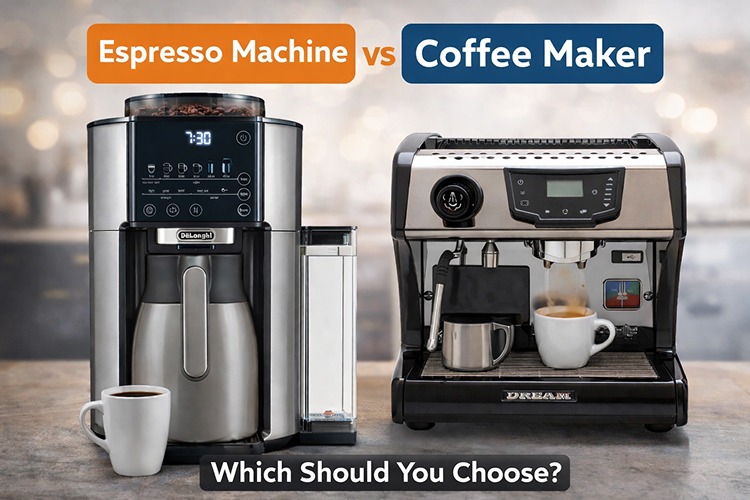
Pick a brewer that matches your taste, routine, budget, and kitchen space.
Coffee is personal. The best machine fits your flavor goals and your life. In this guide on How to Choose the Best Coffee Maker, I’ll break down brew types, must-have features, and real costs with clear, friendly advice. I test gear for a living and make coffee for a crowd at home, so expect practical tips and lessons learned the hard way.
Coffee Maker Types: What Each Brewer Does Best
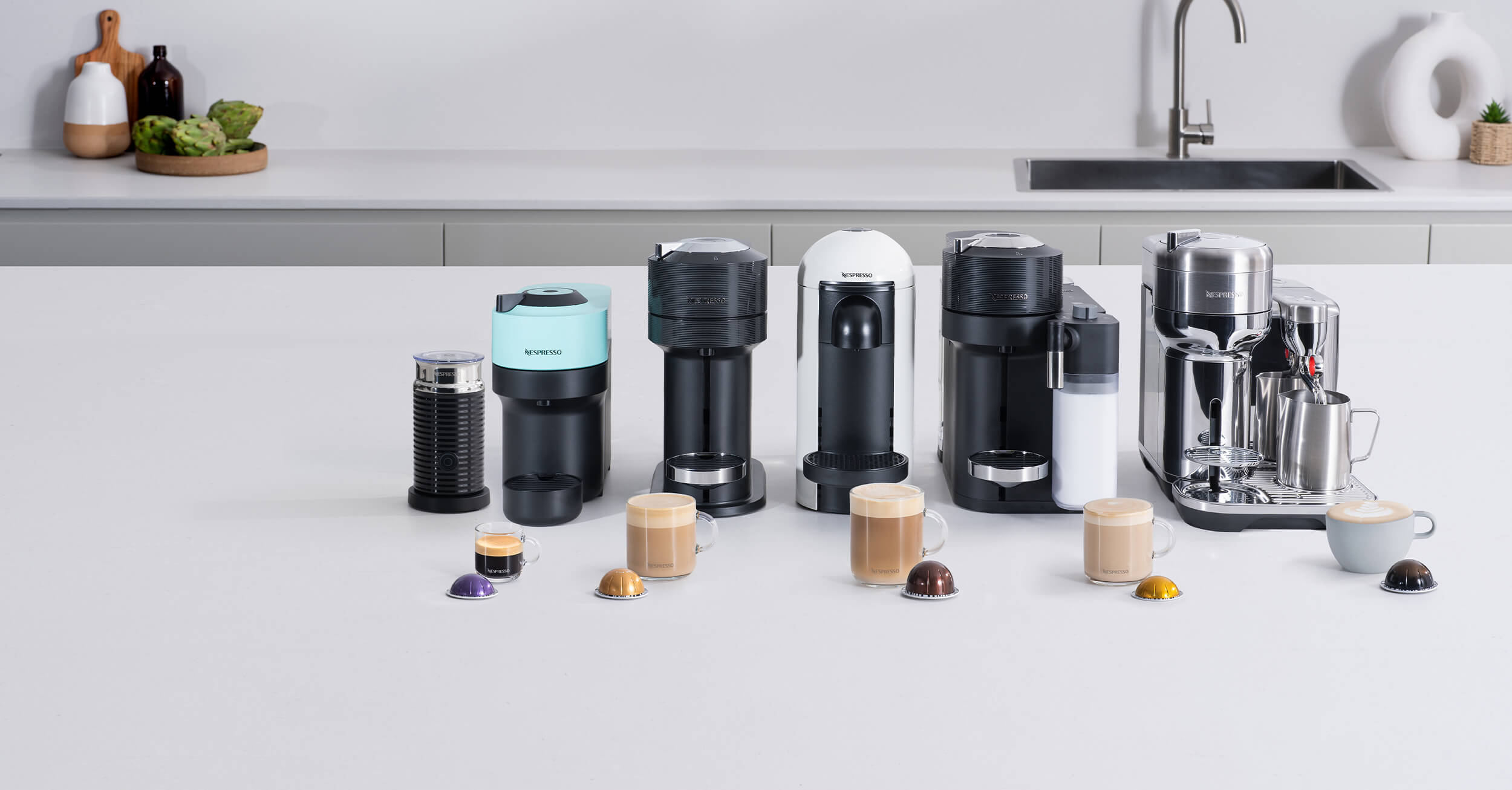
When you ask How to Choose the Best Coffee Maker, start with brew types. Different machines extract in different ways, which drives flavor, speed, and care needs.
- Drip coffee maker: Set it, brew a pot, and serve a group. Great for daily ease. Look for steady water temperature, even saturation, and a thermal carafe.
- Single-serve pod machine: One cup, very fast, no mess. Costs more per cup and can taste flat. Best for convenience above all.
- Manual pour-over: Clean, bright flavor with full control. Needs a good kettle and some practice. Great for 1–2 cups.
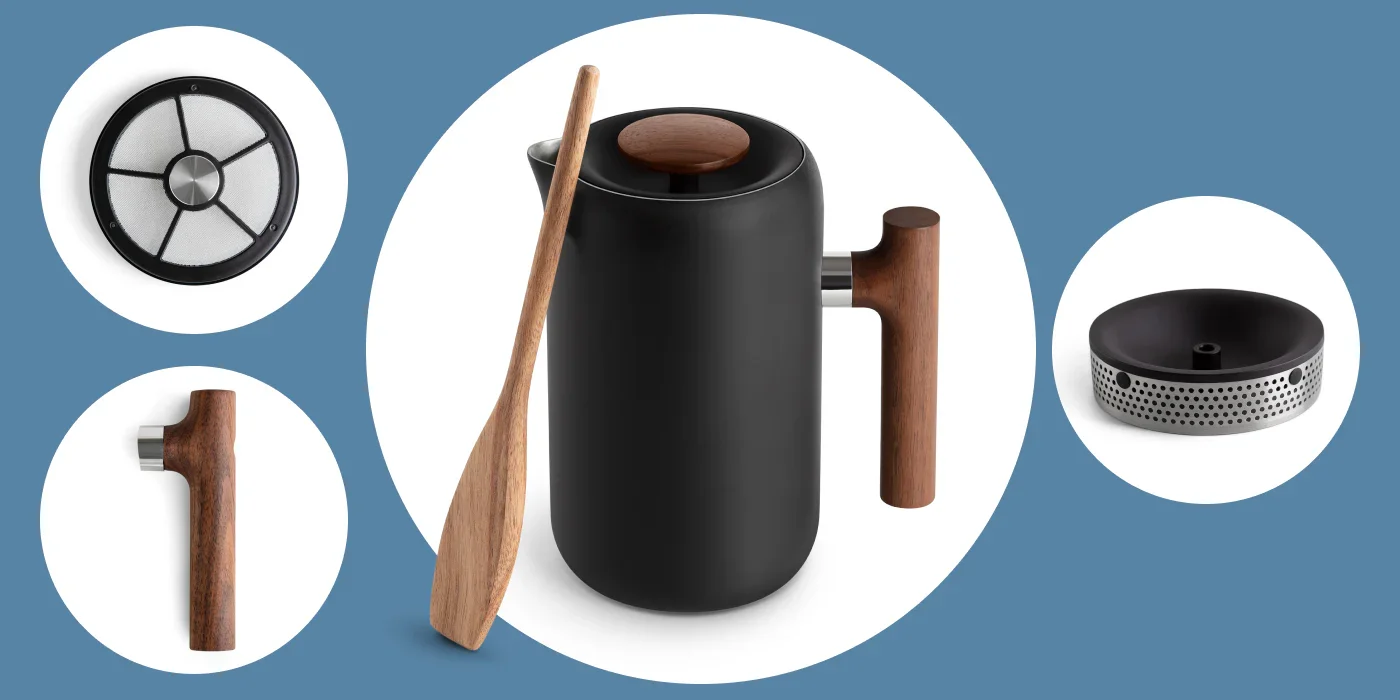
- French press: Rich, full body with natural oils. Expect some sediment. Best with medium-coarse grind and a 4–6 minute steep.
- Espresso machine (semi-automatic): Café-style shots and milk drinks. Steeper learning curve, but huge payoff. Pair with a good grinder.
- Super-automatic espresso: Push a button and get espresso or cappuccino. Easy, but pricey and needs regular cleaning.
- AeroPress: Fast, travel-ready, very forgiving. Makes a smooth cup; can mimic espresso-like strength for americanos.
- Moka pot: Strong, stovetop brew with bite. Cheap and durable, but watch for bitterness from overheating.
- Cold brew maker: Low-acid concentrate for iced drinks. Set it and steep 12–18 hours in the fridge.

Key Factors Before You Buy
A clear plan for How to Choose the Best Coffee Maker uses your habits as the compass. Match the brewer to your real mornings, not your dream weekends.
- Taste: Do you like bright and tea-like or heavy and rich? Drip and pour-over taste cleaner. French press and moka run bolder. Espresso is intense and creamy.
- Time: Need a cup in 60 seconds? Go pod or pre-programmed drip. Have 5–10 minutes? Pour-over or AeroPress shine.
- Volume: One cup at a time, or a full 12-cup pot for a family? Size drives your choice.
- Skill and control: Want push-button ease or hands-on control? Pick the level you will enjoy daily.
- Counter space: Measure height under cabinets and depth for doors and tanks. Big espresso machines eat space fast.
- Budget: Plan for the machine and the extras like a grinder, filters, and water.
- Water quality: Hard water needs more descaling. If your tap tastes off, use filtered water for better flavor and fewer clogs.
Brew Quality, Simplified
Understanding extraction helps with How to Choose the Best Coffee Maker. Aim for reliable heat, good contact with grounds, and the right grind.
- Temperature: Ideal brew water is about 195–205°F. Consistent heat improves sweetness and clarity.
- Ratio: Start near 1:16 by weight. For example, 30 grams coffee to 480 grams water. Adjust to taste.
- Grind: Finer extracts more; coarser extracts less. Drip is usually medium; French press is coarse; espresso is fine.
- Time and flow: Even wetting and steady flow prevent sour spots or bitterness. Pre-infusion (a short bloom) helps.
- Certification: Independent testing for brew temp and extraction can signal quality. It shows a machine can hit the right targets.
Tip from my bench: If your coffee tastes sharp and thin, grind finer or brew longer. If it tastes bitter and dull, grind coarser or brew shorter.

Features That Matter vs. Features That Don’t
When weighing features for How to Choose the Best Coffee Maker, focus on brew basics over flash.
Features that matter
- Thermal carafe: Keeps coffee hot without cooking it. Glass on a hot plate can taste stale fast.
- Pre-infusion or bloom: Improves even extraction, especially with fresh beans.
- Showerhead design: Wider, even water spread reduces channeling and bitter pockets.
- Flow control: Lets you slow or speed brew for lighter or darker roasts.
- Programmable start and auto-off: Great for busy mornings and safety.
- Removable parts and wide openings: Easier cleaning means better taste and longer life.
Nice-to-have, but not critical
- App control and voice commands: Fun, not essential to flavor.
- Large touchscreens: Pretty, but another part to fail.
- Complex recipes preloaded: You’ll end up using one or two modes.

Budget, Value, and Total Cost of Ownership
Cost of ownership matters in How to Choose the Best Coffee Maker. Look beyond the sticker price.
- Upfront price ranges: Basic drip is low to mid. Premium drip and entry espresso are mid to high. Super-automatic is high.
- Grinder: For drip and pour-over, a burr grinder is a big upgrade. For espresso, it is non-negotiable.
- Consumables: Paper filters, water filters, descaler, and milk system cleaner add up.
- Pods vs. beans: Pods cost more per cup and create more waste. Whole beans are cheaper and fresher.
- Longevity: Simple machines with replaceable parts often outlast complex ones. Check for spare parts and warranty terms.
Rule of thumb: Spend more on the grinder than you think. A great grinder can make a modest brewer taste amazing.
Sizing and Kitchen Fit
Kitchen fit is part of How to Choose the Best Coffee Maker. If it is a pain to use or clean, you will not reach for it.
- Height and depth: Measure under-cabinet clearance with the lid open. Watch for top-loading water tanks.
- Carafe size: A “cup” on boxes is often 5–6 ounces, not a full mug. Check the real volume.
- Water tank access: Front-loading tanks or slide-out trays help in tight spots.
- Cord length and drip tray size: Small trays overflow fast if you brew into tall mugs.
Maintenance and Longevity
Plan for care as you map How to Choose the Best Coffee Maker. Clean gear makes better coffee and lasts longer.
- Descale: Hard water means more scale. Descale every 1–3 months, or when flow slows.
- Daily rinse: Empty grounds, rinse baskets, and wipe milk parts. Old oils turn rancid.
- Deep clean: Use coffee cleaner or a mild solution on removable parts weekly.
- Filters and gaskets: Replace as recommended. A five-dollar gasket can save a five-hundred-dollar machine.
- Metal vs. paper filters: Paper removes oils that can taste stale later, and it lowers oily compounds in the cup.
Sustainability and Health Considerations
Values also shape How to Choose the Best Coffee Maker. You can brew great coffee and be kind to your body and the planet.
- Waste: Pods make more trash. Bulk beans with paper filters are lighter on waste.
- Materials: Look for BPA-free plastics, stainless steel boilers, and durable carafes.
- Energy: Thermal carafes cut hot-plate power use. Auto-off timers help.
- Oils in coffee: Paper filters trap compounds that can raise cholesterol. Metal filters keep more body and oils.
My Testing Notes and a Simple Decision Flow
Here is how I approach How to Choose the Best Coffee Maker in real life. These steps come from years of testing at home and in the lab.
Quick lessons learned
- A steady 200°F brew and even water spread beat fancy screens every time.
- Thermal carafes keep flavor truer past 30 minutes.
- A good burr grinder is the single biggest taste upgrade.
- Pods are great at 6 a.m. on a hectic day, but I miss depth in the cup.
Try this decision flow
- If you brew for 3+ people most days: Get a quality drip brewer with a thermal carafe and pre-infusion.
- If you want café drinks at home: Choose a semi-automatic espresso machine and a capable espresso grinder.
- If you live solo and love clean flavor: Go pour-over with a gooseneck kettle and a burr grinder.
- If you want speed and zero mess: Pick a pod machine, and use filtered water to help taste.
- If you love iced coffee: Add a simple cold brew maker or use a drip machine with an iced mode.
Real-world example
- I tested two drip machines side by side for a month. The model with a wide showerhead and pre-infusion won blind tastings. Same beans, same ratio, better sweetness and clarity. That is why focusing on core brew design works.
Frequently Asked Questions
What is the best coffee maker for beginners?
Start with a solid drip machine or an AeroPress. Both are easy, forgiving, and make great coffee with fresh beans.
Do I need a grinder, and which type?
Yes, fresh grinding matters more than most upgrades. A burr grinder gives even particles for better taste and control.
What brew temperature should I look for?
Aim for about 195–205°F during brewing. Machines that keep steady heat make sweeter, clearer cups.
Thermal carafe or glass carafe?
Thermal keeps coffee hot without a hot plate, so flavor stays clean longer. Glass is fine for quick serving but can taste cooked after a while.
Are pod machines worth it?
Pods are fast and tidy, great for busy homes. They cost more per cup and often have flatter flavor than fresh ground beans.
Conclusion
You now know How to Choose the Best Coffee Maker by matching taste, time, volume, and space with the right brew method, features, and care plan. Focus on steady heat, even water flow, a thermal carafe, and a good burr grinder, and you will taste the win in every cup.
Pick one path this week: upgrade your grinder, switch to filtered water, or set a simple 1:16 ratio and stick with it for a few days. Ready for more tips and tested picks? Subscribe for updates, ask a question in the comments, or share what you brew next.