
Dust gently, clean with mild soap, control humidity, and protect from heat and sun.
If you want your pieces to look rich and last for decades, this guide shows you how to maintain wooden furniture properly step by step. I’ve cared for heirlooms, restored flea-market finds, and helped clients set up easy routines that work. Read on to learn how to maintain wooden furniture properly with simple habits, safe products, and fixes you can trust.

Understand Your Wood and Finish
Wood moves with the seasons. It swells when the air is damp and shrinks when it is dry. That is normal. The finish on top protects the wood from spills, sun, and wear. To learn how to maintain wooden furniture properly, start by knowing both the wood and the finish.
Common finishes:
- Film finishes. Lacquer, varnish, shellac, and polyurethane sit on top and form a hard coat.
- Penetrating finishes. Oil and wax sink in and give a soft, natural look.
Quick ID tips:
- Polyurethane feels slick and resists most solvents.
- Shellac feels warm and soft. It can blush with water.
- Oil finishes look matte and show the grain well.
- Wax feels smooth but not glossy.
Do a safe test in a hidden spot. Never flood the surface. If in doubt, ask a pro. This step makes it easier to plan how to maintain wooden furniture properly without damage.
:max_bytes(150000):strip_icc()/how-to-clean-wood-furniture-5181301-hero-a713271737af4f639c859b5084f0da7d.jpg)
Daily Care Basics: Dusting and Handling
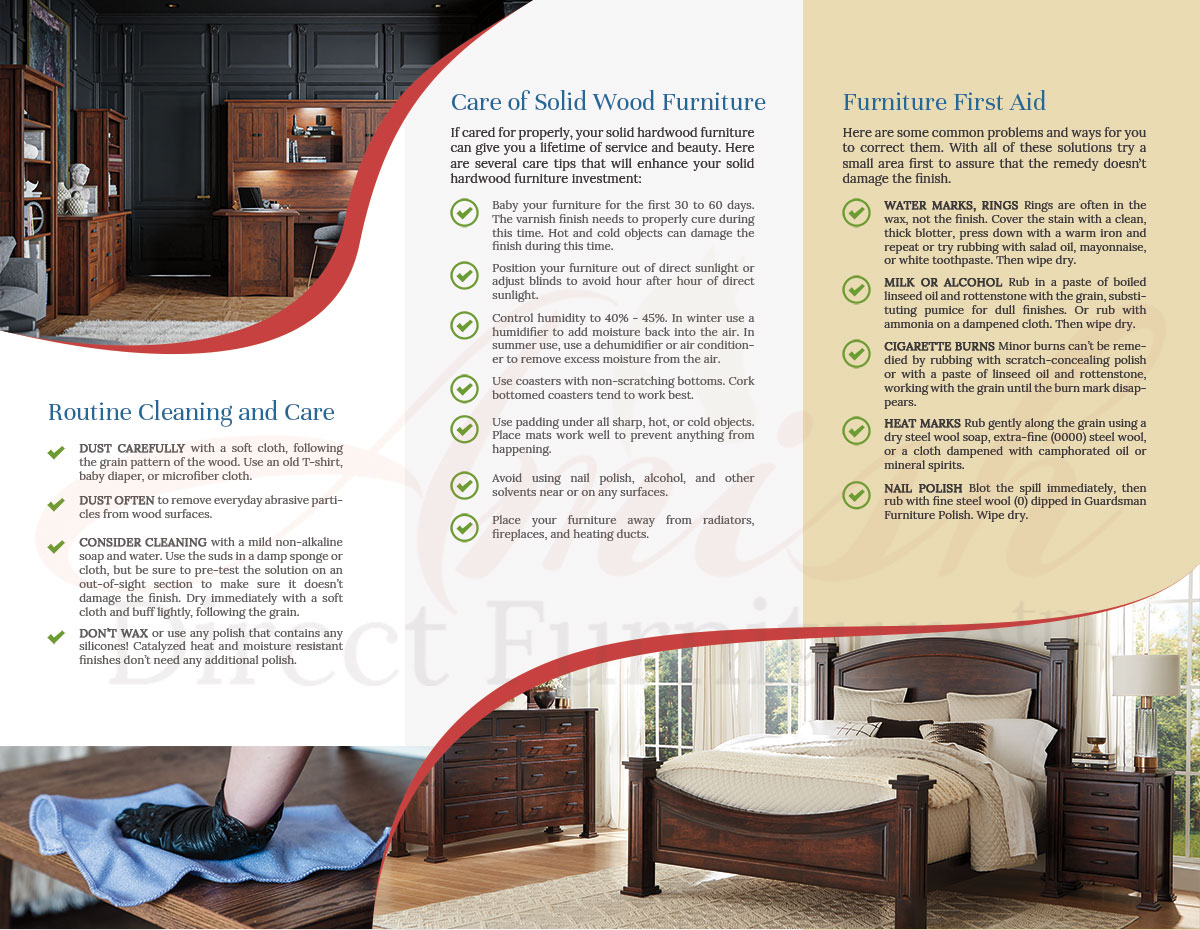
Dust is grit. It can scratch. Use a clean, dry microfiber cloth and wipe with the grain. Lightly mist the cloth with water if needed. Do not use feather dusters. They can push grit around.
Handle with care. Lift, do not drag. Remove rings and watches to avoid scuffs. Add felt pads under lamps and decor. Small habits make a big impact when you think about how to maintain wooden furniture properly.
Personal tip: I scratched a walnut end table once by sliding a ceramic pot an inch. I now add felt dots under every hard base. It takes two minutes and saves hours of repair.

Weekly and Monthly Cleaning
Weekly, do a gentle clean. Mix one drop of mild dish soap in a cup of warm water. Dip a soft cloth. Wring it almost dry. Wipe with the grain. Follow at once with a dry cloth. Test a small area first.
Monthly, refresh if needed:
- Clean hardware with a damp cloth, then dry.
- For greasy film, use a little mineral spirits only on durable film finishes. Test first.
- Avoid ammonia, vinegar, bleach, and strong multi-surface sprays.
A steady routine is the heart of how to maintain wooden furniture properly. Small, safe steps beat big “spring cleans.”

Seasonal Care and Humidity Control
Wood wants steady air. Aim for 35–55% relative humidity and 60–78°F. Use a humidifier in winter and a dehumidifier in damp months. Keep pieces away from vents, radiators, and fireplaces.
Rotate items in bright rooms every few months. Sun can fade one spot faster than another. Use curtains or UV film on windows.
Why this matters for how to maintain wooden furniture properly: stable air slows cracks, loose joints, and finish checks. It also keeps drawers and doors moving smooth.
Protecting Surfaces from Heat, Moisture, and Sun
Use coasters under all drinks. Place mats under planters and vases. Choose cotton or wool pads and avoid soft vinyl. Some plastics can stick to finishes.
Hot dishes need a trivet or a table pad. Never set a hot pan right on wood. Wipe spills at once, even water. A quick wipe can prevent a white ring.
To learn how to maintain wooden furniture properly, think layers. Add table pads for big dinners. Use felt or cork under decor. Add a runner on a coffee table to guard from remotes and toys.

Deep Care: Oiling, Waxing, and Polishing
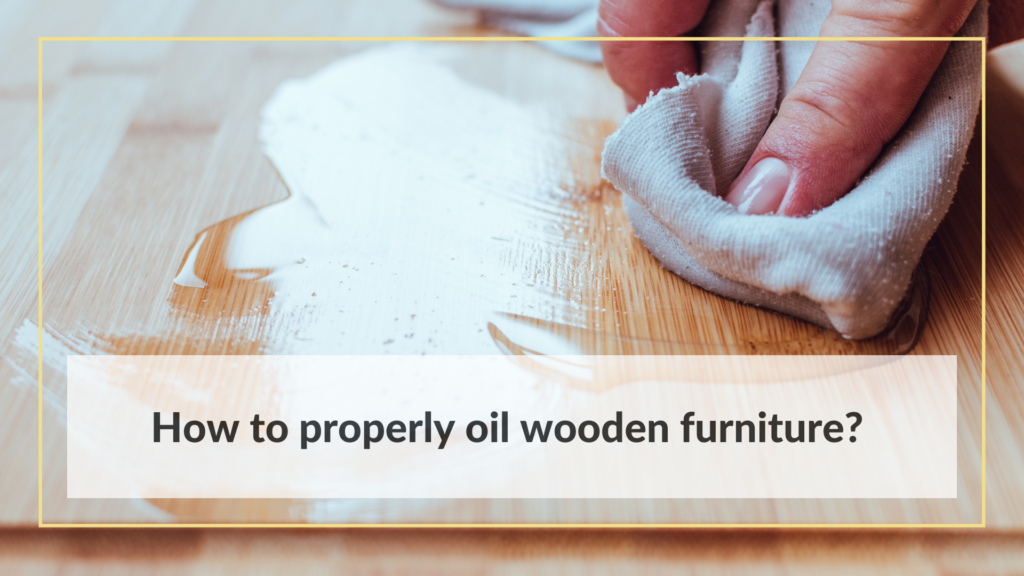
Know the finish before you treat it. Film finishes do not need oil. Oil can sit on top and turn sticky. Oil is for true oil finishes and bare wood.
Safe steps:
- Oil finishes. Use a drying oil like Danish oil or pure tung oil. Apply thin, wipe off well, and let cure per the label.
- Wax. Paste wax gives a soft sheen and light protection. Apply very thin, let haze, then buff. Re-wax every 6–12 months.
- Polishes. Avoid silicone-heavy sprays. They can cause fisheyes in future refinishing. Use a quality, non-silicone polish only as needed.
Safety note: Oily rags can self-heat. Lay them flat to dry outside or store them in a sealed metal can. This is non-negotiable when you care about how to maintain wooden furniture properly.

Fixing Scratches, Water Rings, and Dents
Shallow scratches:
- Color them with a wax fill stick or a touch-up marker. Blend along the grain. Buff gently.
White water rings (moisture in the finish):
- Try low heat from a hair dryer while moving it. Or rub a pea of petroleum jelly in and leave overnight. Always test first.
Dark rings (into the wood):
- These need deeper work. Oxalic acid can lighten black stains on bare wood. Use with care and follow label rules. You may need a pro refinish.
Dents:
- If the finish allows, place a damp cloth over the dent and tap with a warm iron on low. The steam swells crushed fibers. This works best on bare or oil-waxed wood, not thick film coats.
Loose joints:
- Use the right glue. PVA is common. Hot hide glue is best for antiques. Do not fill joints with epoxy unless you plan a full refit.
These small repairs are core to how to maintain wooden furniture properly. Catch issues early and you avoid big work later.
Safe Products and What to Avoid
Safe basics:
- pH-neutral soap, warm water, and a soft cloth
- Microfiber towels and soft brushes
- Paste wax for suitable finishes
- Mineral spirits for heavy grease on durable film finishes (test first)
Avoid:
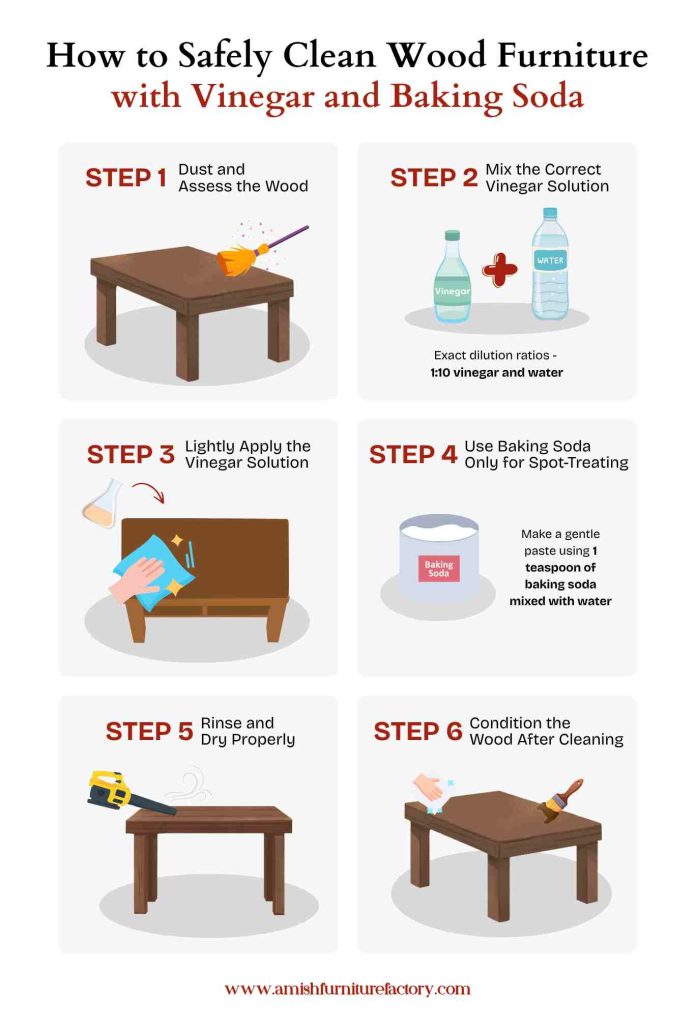
- Ammonia, vinegar, bleach, and abrasive powders
- Silicone-heavy sprays that build a gummy film
- Olive oil or mayonnaise as regular care
- Magic erasers and green scrub pads
- Soaking the surface with water
Good choices help you learn how to maintain wooden furniture properly without trial and error. When in doubt, test a hidden spot and wait a day.
Room-by-Room and Lifestyle Tips
Dining room:
- Use table pads and placemats. Wipe spills fast. Add felt under serving trays.
Living room:
- Use coasters and a runner on coffee tables. Keep remotes and game controllers in a soft caddy.
Bedroom:
- Add a cloth under perfumes and lotions. They can cloud finishes.
Kitchen and bath:
- For butcher block, use food-safe mineral oil. Re-oil often. Keep wood away from sinks and steam.
Kids and pets:
- Choose durable finishes and add corner guards. A simple routine is how to maintain wooden furniture properly in a busy home.
Storage, Moving, and Long-Term Care
Before moving, empty drawers and doors. Lift from the base, not the top. Wrap with moving blankets and allow airflow. Do not wrap tight in plastic. It can trap moisture.
For storage, pick a climate-controlled space. Keep pieces off concrete floors. Stack light, flat items on top, or better, do not stack at all. Let furniture acclimate 24–48 hours after a move before unwrapping.
These steps reduce cracks, warps, and finish prints. They are a key part of how to maintain wooden furniture properly over a lifetime.
Maintenance Schedule and Simple Checklist
Daily
- Wipe spills right away.
- Keep hot items on trivets.
Weekly
- Dust with a dry microfiber cloth.
- Light clean high-use areas with a damp cloth, then dry.
Monthly
- Inspect tops and edges for wear or rings.
- Clean hardware and check felt pads.
Seasonal
- Check humidity. Adjust with a humidifier or dehumidifier.
- Rotate pieces to balance sun and wear.
Yearly
- Refresh wax on waxable finishes.
- Tighten hardware and check joints.
Print this list. A short checklist is the easiest way to learn how to maintain wooden furniture properly and keep it on track.
Frequently Asked Questions of How to Maintain Wooden Furniture Properly
How often should I polish wooden furniture?
Polish only when the surface looks dull. For most homes, that is every few months or even less.
Can I use vinegar to clean wood?
Do not use vinegar on finished wood. It can dull or damage the finish over time.
What humidity is best for wood furniture?
Keep relative humidity around 35–55%. This range helps prevent cracks, warps, and sticky drawers.
How do I remove a white water ring?
Try gentle heat from a hair dryer while moving it, or a small amount of petroleum jelly overnight. Always test a hidden spot first.
Is olive oil good for wood?
No. Olive oil can turn sticky and go rancid. Use a proper wood oil or paste wax made for furniture.
Conclusion
Caring for wood is simple when you stick to the basics. Dust with care, clean with mild soap, protect from heat and sun, keep humidity steady, and fix small problems early. That is how to maintain wooden furniture properly without stress or guesswork.
Choose one habit to start today. Add coasters, check humidity, or swap in a gentle cleaner. Want more tips like this? Subscribe for updates, ask a question, or share your own before-and-after story in the comments.