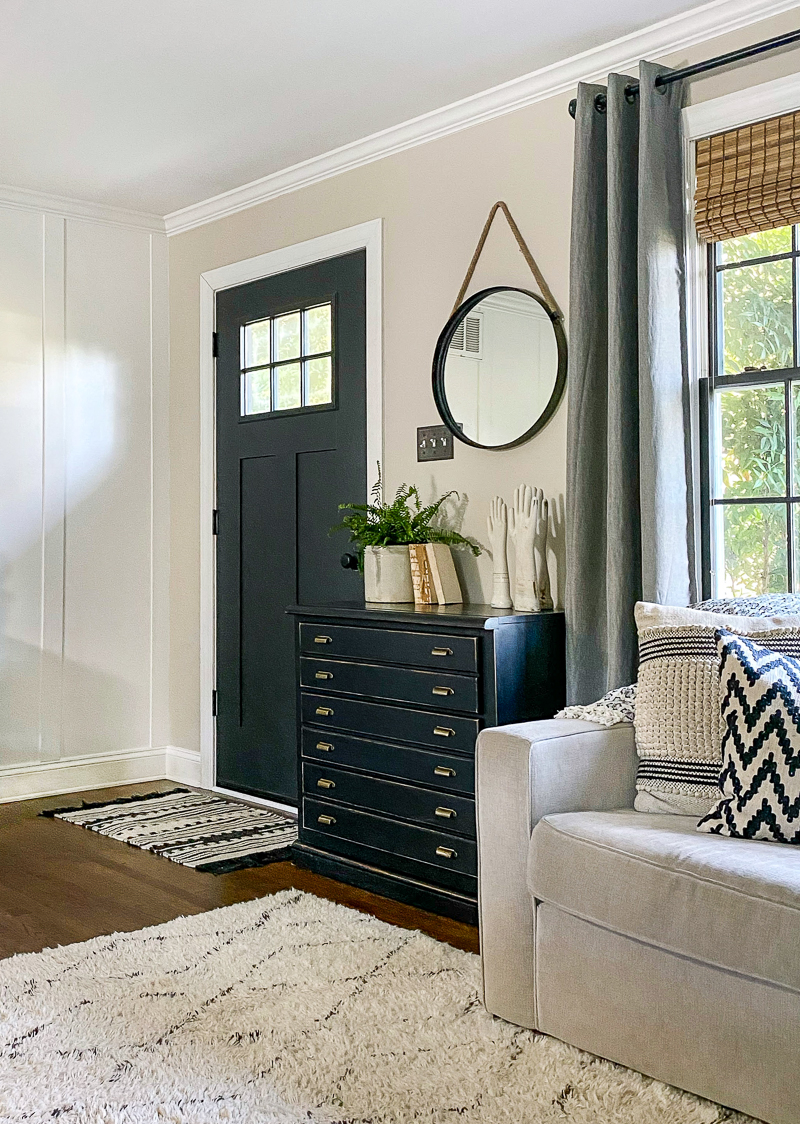
You can update your home on a budget by focusing on small changes with a big visual and practical impact.
How to Update Your Home on a Budget starts with a clear plan, not a large shopping list. The best results often come from paint, better lighting, smart layout changes, updated hardware, and careful repairs. With a realistic budget and a little patience, you can make your home feel fresh, useful, and personal without taking on costly renovations.
Start With a Simple Home Update Plan
Before you buy anything, walk through your home with a notebook or phone. Look at each room as a guest might. Notice worn finishes, poor lighting, clutter, damaged items, and spaces that no longer fit your daily life.
Write down every change you would like to make. Then divide the list into three groups:
- Must fix: Safety issues, leaks, broken fixtures, mold, or damaged flooring
- Should improve: Poor lighting, old paint, limited storage, or worn hardware
- Would be nice: New decor, art, plants, or style upgrades
This step keeps your money focused. It also helps you avoid buying attractive items that do not solve a real problem.
Set a total budget before you begin. Then divide it by room or project. Keep 10% to 15% aside for surprise costs, such as extra paint, new screws, wall repairs, or delivery fees.
A useful method is to choose one high-impact project and several low-cost details. For example, you might paint the living room, replace cabinet knobs, add warm bulbs, and rearrange furniture. Together, these small moves can make the room feel completely different.
My favorite lesson in budget decorating is simple: do not confuse more with better. A room with fewer, useful pieces often looks more polished than a room filled with random decor.

Decide Which Updates Add the Most Value
Not every home improvement gives the same return. Some projects improve comfort and appearance, while others can support resale value. The best choice depends on your home, location, goals, and skill level.
If you plan to sell soon, focus on updates that appeal to many people. Neutral paint, clean floors, good lighting, working fixtures, and tidy storage usually have broad appeal. Personal projects may be enjoyable, but they may not help every future buyer.
For a home you plan to enjoy for years, comfort matters just as much as resale value. A better work light, a more useful closet, or a quieter ceiling fan can improve daily life.
Prioritize updates using these questions:
- Will this fix a problem I notice every day?
- Can I complete it safely and correctly?
- Will it improve the room for several years?
- Can I maintain it without high costs?
- Does it fit the style and structure of my home?
The annual Cost vs. Value reports from Remodeling Magazine have long shown that smaller, practical improvements can compete well with major remodeling projects. Results vary by market, but the main lesson is useful: careful maintenance and visible improvements often matter more than expensive luxury features.
How to Update Your Home on a Budget becomes much easier when you think in terms of impact per dollar. A $40 light fixture can change a room more than a $400 decoration if the room is dark and dated.

Refresh Walls With Paint
Paint is one of the most affordable ways to update your home. It can make a dark room feel brighter, give a small room a cleaner look, and hide years of scuffs.
Choose paint colors based on the room’s natural light. Soft white, warm beige, light gray, muted green, and gentle blue can work well in many homes. Test a few sample colors on the wall before buying gallons because paint can look very different in morning, afternoon, and evening light.
You do not need to paint every wall. Consider these lower-cost options:
- Paint one accent wall
- Refresh only the trim and doors
- Paint the ceiling a clean white
- Paint the lower half of a wall
- Add color inside a bookshelf or cabinet
- Repaint a bathroom vanity or kitchen island
Preparation often matters more than the paint itself. Clean the wall, fill small holes, sand rough spots, and use painter’s tape around trim. A careful first coat and a smooth second coat usually look better than one rushed coat.
Use the right finish for the space. Flat paint can hide small wall flaws, but it may be harder to clean. Eggshell and satin finishes are often more practical for living rooms, hallways, kitchens, and bedrooms. Always follow the product label and allow proper drying time.
One mistake many people make is buying the cheapest roller and brush. Low-quality tools can leave lint, streaks, or uneven edges. A modest investment in good tools can save paint and reduce frustration.

Improve Lighting Without Rewiring the House
Lighting changes how a home feels. A room can have beautiful furniture and still look dull if the light is weak, cold, or placed poorly.
Start by using three types of light:
- Ambient light: General light from ceiling fixtures or lamps
- Task light: Focused light for reading, cooking, work, or grooming
- Accent light: Light that highlights art, shelves, plants, or architectural details
You can create this layered look without hiring an electrician. Add a floor lamp beside a chair, a small table lamp on a console, or plug-in under-cabinet lights in the kitchen.
Use warm white bulbs in most living spaces. Bulbs around 2700K to 3000K often create a comfortable glow. Cooler bulbs may work better in garages, workshops, laundry rooms, or areas where you need sharp visibility.
Try these low-cost lighting updates:
- Replace yellowed or outdated shades
- Add motion lights to dark closets
- Use rechargeable lights under cabinets
- Install a dimmer if the wiring allows it
- Clean dusty bulbs and fixtures
- Move lamps closer to seating areas
- Use mirrors to reflect natural light
Always check the fixture’s wattage and bulb requirements. Turn off power before changing hardwired fixtures, and hire a licensed electrician for new wiring or uncertain electrical work. Saving money is never worth risking a shock or fire.
As a practical rule, improve the light before buying new decor. Better light can make your current furniture, paint, and artwork look new again.

Update Kitchens and Bathrooms for Less
Kitchens and bathrooms often look older because of small details. You may not need new cabinets, counters, or plumbing to improve them.
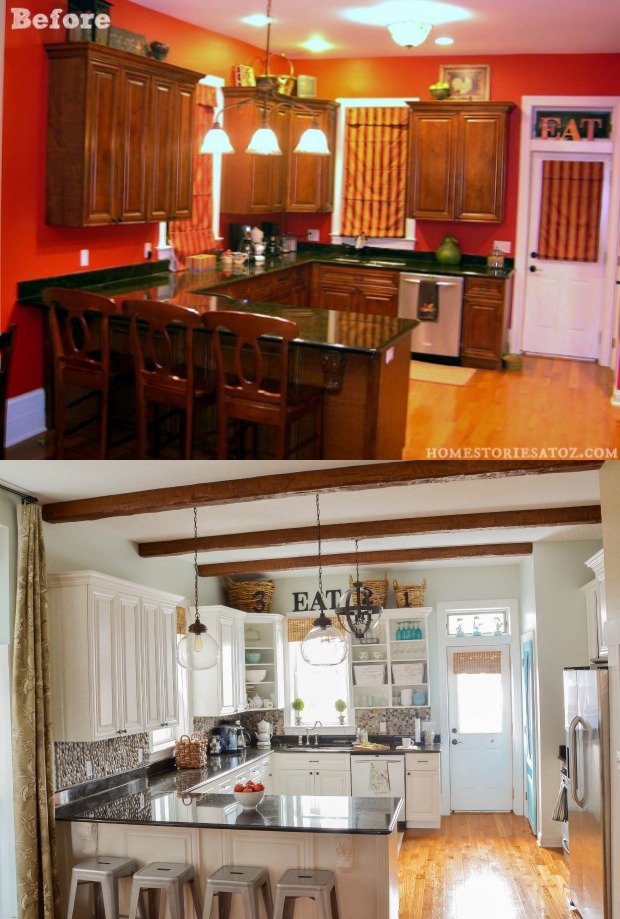
In a kitchen, start with the cabinet hardware. New knobs and pulls can create a clean, modern look. Measure the distance between screw holes before ordering replacement handles. If the hole spacing does not match, you may need filler and new drilling.
Other budget kitchen updates include:
- Deep-cleaning cabinet doors and grout
- Replacing a worn faucet aerator
- Adding peel-and-stick backsplash panels
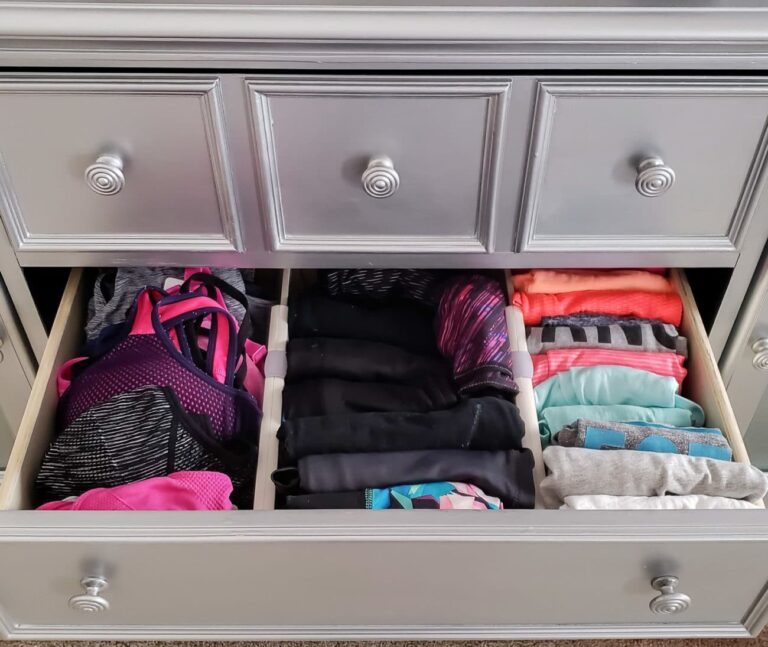
- Installing drawer organizers
- Replacing old switch plates
- Adding a washable runner
- Painting a small wall or island
In a bathroom, replace tired items that receive daily use. A new shower curtain, bath mat, mirror, towel bar, or light shade can shift the entire mood.
You can also refresh a vanity with careful cleaning and suitable cabinet paint. Remove the doors, label the hardware, sand the surface, and use a primer made for that material. Allow each coat to dry fully before reassembly.
Avoid covering serious water damage with paint or decorative panels. Stains, soft walls, peeling flooring, and musty odors may signal leaks or moisture problems. Fix the cause first, since cosmetic work will not solve structural damage.
When learning How to Update Your Home on a Budget, kitchens and bathrooms offer strong visual results because small surfaces and fixtures are easy to notice.

Rearrange Furniture Before Buying More
Furniture placement can change a room at no cost. Pull sofas away from walls when possible, create clear walking paths, and position seating to support conversation.
Measure the room before moving heavy pieces. Use painter’s tape on the floor to mark possible layouts. This lets you test spacing without lifting furniture several times.
Try these layout ideas:
- Place chairs across from a sofa
- Keep the main walkway open
- Point seating toward a window, fireplace, or focal wall
- Leave enough space to open doors and drawers
- Use a small table to connect separate seating areas
- Remove pieces that block light or movement
A room does not need to display every piece you own. Store, sell, donate, or relocate items that make the space feel crowded. Decluttering can make a home look larger and can reveal useful furniture you forgot you had.
One common mistake is pushing all furniture against the wall. This may create a large empty center, but it can also make the room feel disconnected. Even moving a sofa a few inches forward can make the space feel more balanced.
How to Update Your Home on a Budget often begins with editing. Before you add, ask what you can remove, repair, move, or use in a new way.
Use Textiles and Accessories Carefully
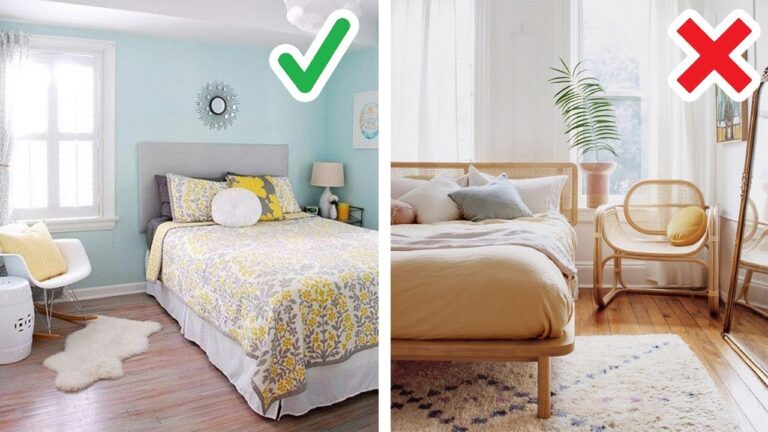
Soft goods can add color, warmth, and texture without a major cost. Pillows, curtains, rugs, throws, and bedding can change the feeling of a room in one afternoon.
Choose a simple color plan. Pick one main color, one supporting color, and one neutral. This keeps new items from looking like they came from different homes.
You do not need to replace every textile. Try these smaller changes:
- Add two new pillow covers
- Layer a throw over a chair
- Use a washable rug in a high-traffic area
- Replace heavy curtains with light panels
- Change the bedding cover
- Add cloth napkins or placemats to a dining area
Check measurements before buying rugs and curtains. A rug that is too small can make furniture look disconnected. Curtains often look better when hung higher and wider than the window frame, as long as the wall and hardware allow it.
Buy removable covers instead of full pillows when possible. Covers take up less storage space and cost less to change later. Washable fabrics can also be a smart choice for homes with children or pets.
Avoid too many patterns in one room. If the rug has a bold design, use quieter pillows and curtains. Think of patterns like voices in a conversation: one can speak loudly, but several loud voices compete.

Add Storage and Reduce Clutter
Storage is both a practical and visual home update. A tidy room often feels larger, calmer, and easier to use.
Look for wasted space before buying storage furniture. The areas under beds, above doors, inside cabinet doors, and beside appliances may hold useful storage opportunities.
Low-cost storage ideas include:
- Use clear bins under the bed
- Add hooks inside doors
- Install a shelf above a toilet
- Use baskets for blankets and toys
- Add a pegboard in a workspace
- Place a narrow shelf in an unused corner
- Use drawer dividers for small items
Label bins if you store seasonal items. Keep everyday items within easy reach and less-used items higher up. Good storage should reduce work, not create another chore.
Do not overload open shelves. Leave some empty space so the room can breathe. Group similar items together, such as books, baskets, framed art, or plants.
Before buying organizers, measure the space. A product that looks useful online may not fit around pipes, doors, outlets, or baseboards. Measurements are free, and they prevent many budget mistakes.

Shop Smart for Affordable Home Improvements
You can find good home updates at discount stores, local hardware stores, thrift shops, resale apps, salvage yards, and neighborhood swap groups. The goal is not to buy the cheapest item. The goal is to find the best value.
Compare the full cost of each item. A low-priced fixture may need special bulbs, new hardware, extra tools, or professional installation. A slightly better product may cost less over time.
Use these shopping habits:
- Measure before you shop
- Compare prices at several stores
- Check return policies
- Read product reviews with care
- Look for open-box or clearance items
- Buy samples before large quantities
- Avoid buying just because an item is on sale
- Keep receipts and product information
Secondhand furniture can offer excellent value. Inspect pieces for solid joints, odors, pests, water damage, and difficult repairs. Upholstered items require extra care because stains, allergens, and bedbugs may not be visible at first.
For paint and construction materials, do not buy damaged or unmarked products. Check that containers are sealed and labels are readable. Products for electrical, plumbing, or structural work should meet local building standards.
A budget is not a race. Waiting for the right item can protect you from impulse purchases and help you create a more consistent look.

Choose DIY Projects With Care
Do-it-yourself work can lower labor costs, but it is not free. You still pay for tools, materials, time, mistakes, and sometimes repairs.
Good beginner projects may include painting, changing cabinet hardware, installing simple shelves, assembling furniture, replacing curtain rods, and updating decor. These tasks are manageable when you follow instructions and work slowly.
Leave higher-risk work to qualified professionals. This may include:
- New electrical wiring
- Gas appliance work
- Major plumbing changes
- Roof repairs
- Structural changes
- Asbestos removal
- Work involving possible lead paint
- Projects that require permits
Homes built before 1978 may contain lead-based paint. The Environmental Protection Agency recommends lead-safe practices for many renovation, repair, and painting projects in older homes. Follow local rules and use trained professionals when the project may disturb old paint.
For every DIY task, read the manufacturer’s instructions first. Wear eye protection, ventilate the area, protect floors, and keep children and pets away from active work zones.
My strongest practical advice is to stop when the job becomes unclear. A small pause is cheaper than repairing damage. How to Update Your Home on a Budget should reduce stress, not create a dangerous shortcut.
Make Your Home More Energy Efficient
Energy-saving improvements can make a home more comfortable and may reduce utility use. Savings depend on your climate, home condition, energy rates, and household habits.
Start with simple steps:
- Replace old bulbs with LED bulbs
- Seal drafts around movable doors
- Clean or replace HVAC filters as directed
- Use smart power strips for electronics
- Add weatherstripping where appropriate
- Use curtains to manage heat and sunlight
- Set ceiling fans to the correct seasonal direction
The U.S. Department of Energy notes that air sealing, insulation, efficient lighting, and proper heating and cooling maintenance can support home energy performance. However, the right improvement depends on an energy assessment and local conditions.
Do not block vents or cover radiators with furniture. This can reduce comfort and may affect heating or cooling performance. If you are unsure about insulation, ventilation, or moisture, consult a qualified contractor.
Smart thermostats can help some households manage heating and cooling schedules. They are not a magic solution, though. A poorly sealed home or failing HVAC system may need a different fix first.
Energy updates are useful because they improve both function and comfort. The best budget improvement is one you notice every day.
Create a Room-by-Room Budget
A room-by-room budget helps you control spending. Start with the room that causes the most frustration or receives the most use.
A simple sample budget might look like this:
- Living room: Paint, lamp, pillow covers, and layout changes
- Kitchen: Cabinet hardware, organizers, and a washable runner
- Bedroom: New bedding cover, curtains, and under-bed storage
- Bathroom: Mirror, shower curtain, hooks, and fresh caulk
- Entryway: Wall hooks, a tray, and improved lighting
Use a spreadsheet or notes app to record the item, price, quantity, and total. Add tax, delivery fees, tool costs, and a small reserve for surprises.
Buy in stages instead of buying everything at once. Complete one area, live with it for a week, and then decide what is still missing. This prevents you from decorating based on an imagined problem.
A useful rule is to spend first on safety and function, second on surfaces and lighting, and third on accessories. Decorative items should complete the room, not hide problems.
How to Update Your Home on a Budget works best as a series of small decisions. You do not need to finish the entire home in one weekend.
Avoid Common Budget Home Update Mistakes
Budget projects often become expensive because of poor planning. A few simple checks can protect your time and money.
Avoid these common mistakes:
- Starting without a total budget
- Skipping wall and surface preparation
- Buying furniture before measuring
- Choosing style over comfort
- Ignoring repair needs
- Using the wrong paint or tool
- Buying a matching set for every room
- Taking on work beyond your skill level
- Forgetting permits or building rules
- Changing plans halfway through the project
Do not copy a trend without considering your home. A style can look beautiful online but feel awkward in your floor plan, climate, or daily routine.
Do not assume a low price means good value. Products that break quickly may cost more than a durable item. Check care needs, warranty terms, material quality, and replacement costs.
Also avoid making too many changes at the same time. If you paint, buy furniture, replace lighting, and change textiles all at once, it becomes hard to know what works. Slow updates give you more control.
The best way to update your home on a budget is to make choices that remain useful after the excitement fades.
Frequently Asked Questions About How to Update Your Home on a Budget
What is the cheapest way to update a home?
Painting, rearranging furniture, changing lighting, replacing hardware, and decluttering are often among the most affordable options. These updates can change the look and function of a room without major construction.
How can I make my house look better without spending money?
Clean deeply, remove clutter, rearrange furniture, improve natural light, and display items you already own in new ways. Moving artwork, swapping decor between rooms, and clearing crowded surfaces can create a fresh look at no cost.
Which home improvement adds the most value for the least money?
There is no single answer for every home, but paint, lighting, curb appeal, clean fixtures, and basic repairs often provide strong value. Local buyer preferences, home condition, and market demand can change the result.
Is it cheaper to update a home yourself?
DIY work can cost less when the project is safe and within your skill level. However, mistakes, special tools, permit issues, and repairs can make DIY more expensive than hiring a qualified professional.
How much should I budget for home updates?
The amount depends on your income, home size, project goals, and repair needs. Set a total limit, divide it by project, and reserve about 10% to 15% for unexpected costs.
Should I renovate one room at a time?
Yes, updating one room at a time often makes spending easier to control. It also lets you test colors, materials, and layouts before using them throughout the home.
How can I update an old kitchen without remodeling it?
Replace cabinet hardware, improve lighting, organize drawers, clean surfaces, add a runner, and repaint suitable cabinets or walls. These changes can refresh the kitchen without replacing the cabinets or countertops.
Conclusion
How to Update Your Home on a Budget is less about buying more and more about choosing well. Start with safety, repairs, lighting, paint, storage, and furniture layout. Then add affordable textiles and decor that support the way you live.
Plan each project, measure before shopping, compare true costs, and know when to call a professional. Even one small update can make a room feel brighter, calmer, and more useful.
Choose one area today and make a short action list. Try the first improvement, track the result, and keep building from there. Share your favorite budget home update or explore more practical home improvement ideas for your next project.