Use abrasion, mild acids, or chelators, then neutralize and protect metal.
Rust sneaks up fast, but it is not hard to beat when you use the right method. In this guide, I share what has worked for me in shops, kitchens, and garages. You will learn how to remove rust from tools, fabric, chrome, concrete, and even cookware. I will show safe steps, proven products, and smart DIY mixes so you can master how to remove rust the right way.
What rust is and why it forms
Rust is iron oxide. It forms when iron or steel meets oxygen and water. Salt, acids, and high humidity speed it up. Once it starts, rust traps more moisture and spreads.
Knowing this helps you plan how to remove rust. Your goal is simple. Break, dissolve, or convert the iron oxide. Then seal the surface so air and water cannot start a new cycle. This is the core of how to remove rust on any surface.

Safety first: gear and setup
Rust removal can be messy and sharp. Protect your eyes, skin, and lungs.
- Wear gloves that resist chemicals, plus safety glasses.
- Use a dust mask or respirator when sanding or wire brushing.
- Work with good airflow. Use fans or an open window.
- Keep acids away from bleach and ammonia. Never mix chemicals.
- Use plastic tubs or glass jars for soaks. Label them.
- Neutralize acids after use with a baking soda and water rinse.
- Test on a small, hidden spot first.
I follow safety data sheets for products and keep kids and pets away. A clean, bright, and stable work area makes how to remove rust faster and safer.

Quick wins: how to remove rust in minutes
When the stain is light, go for speed. These fast methods cover everyday items.
Baking soda paste
- Mix baking soda with water to make a thick paste.
- Spread on rust. Wait 10 minutes.
- Scrub with a nylon brush or non-scratch pad. Rinse and dry.
White vinegar wipe or short soak
- For light rust, soak a rag in white vinegar and press on the spot.
- Wait 5 to 15 minutes. Scrub and rinse. Dry at once.
Lemon juice and salt
- Sprinkle salt. Add lemon juice on top.
- Wait 15 minutes. Scrub and rinse. Dry well.
Aluminum foil on chrome
- Dip foil in water. Rub the rusted chrome.
- The foil is softer than chrome but harder than rust. Wipe clean and dry.
Phosphoric-acid gel or liquid
- Brush on a phosphoric-acid gel. Wait as the gel converts rust to a stable black film.
- Rinse or wipe per label. Dry and coat with primer or oil.
These quick steps are my go-to when a client asks how to remove rust from bike chrome, knives, or taps. Keep times short. Do not let acids sit too long on soft metals.

Deep clean: how to remove rust from metal tools and parts
For heavy rust, you need a deeper plan. Here are methods that bring tools back to life.
Mechanical removal
- Wire brush, flap wheel, or sandpaper can strip thick rust fast.
- Start with medium grit, then finish with fine grit to smooth.
- Keep the tool moving. Do not overheat the metal.
Chelating soak (gentle and effective)
- Use a water-based chelating remover. It targets rust, not base metal.
- Submerge the tool for 2 to 12 hours, based on rust load.
- Rinse, dry with heat or a towel, then oil moving parts.
Electrolysis (great for complex shapes)
- Use a plastic tub. Mix warm water with washing soda.
- Connect the negative clamp of a DC charger to the rusty part.
- Connect the positive clamp to a sacrificial steel plate. Do not use stainless.
- Power on. Let it fizz for a few hours. Rust loosens and flakes.
- Rinse, brush, dry, and oil.
Pro tip I learned the hard way: after any wet method, use heat to drive off moisture. A hair dryer or a few minutes in the sun helps. Then oil threads and joints at once. This habit is key in how to remove rust and keep it off.
Delicate surfaces: how to remove rust from specific materials
Different surfaces need a gentle touch. Use the right match to avoid damage.
Fabric and clothing
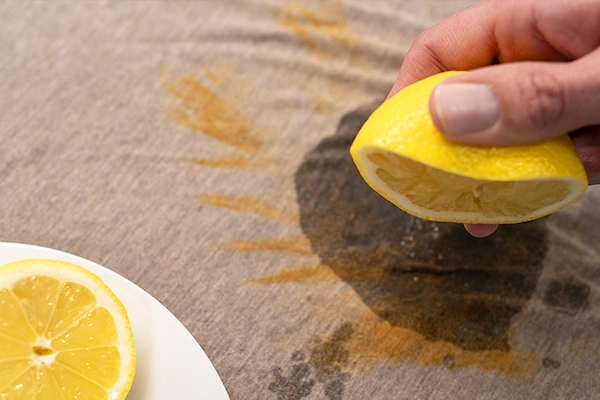
- Dab lemon juice on the stain. Sprinkle salt. Wait 10 minutes.
- Rinse with cold water. Repeat if needed.
- For tough stains, use a laundry rust remover. Wash after. Air dry to check progress.
Wood and furniture
- For black iron stains in wood, brush on a dilute oxalic-acid wood bleach.
- Let it work a few minutes. Rinse with water. Dry slow.
- Sand lightly and refinish. Test first to protect the wood tone.
Concrete and masonry
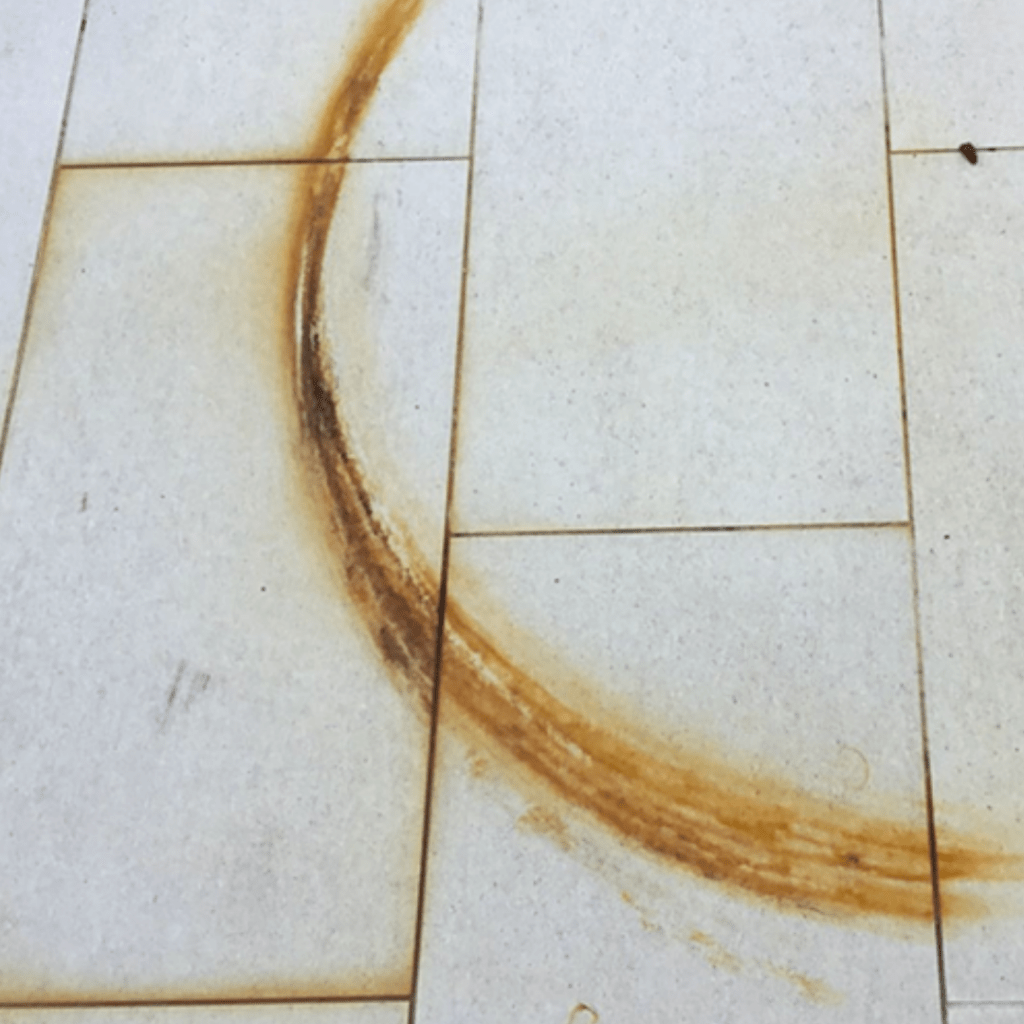
- Try a phosphoric-acid cleaner. It is safer than strong muriatic acid.
- Wet the area first. Apply cleaner. Scrub and rinse well.
- Neutralize with a mild baking soda solution. Avoid long dwell time.
Chrome and stainless steel
- Chrome: use aluminum foil and water. Wipe dry and wax after.
- Stainless: use a cleanser with oxalic acid. Scrub with the grain. Rinse and dry.
- Avoid steel wool on stainless. It can leave carbon steel bits that rust later.
Cast iron cookware
- Scrub rust with steel wool and warm soapy water.
- For bad rust, do a short 50/50 vinegar and water soak, 30 minutes or less. Then scrub.
- Dry on heat. Wipe on a thin coat of oil. Bake to reseason.
These surface tips are the most asked parts of how to remove rust in my inbox. Gentle first. Stronger only as needed.

Prevention: keep rust from coming back
Once clean, lock in your win. Prevention is half of how to remove rust.
- Dry fast. Heat helps drive out hidden moisture.
- Oil tools with a light machine oil. For food items, use food-grade mineral oil.
- Use rust-inhibiting paper, silica gel packs, or a dehumidifier.
- Paint or clear-coat bare steel. Use a rust-inhibiting primer.
- For cars and bikes, wash off road salt and dry well.
- Store off the floor. Air flow matters.
On boats and outdoor gear, I like sacrificial zinc parts and wax on paint. For shops, keeping humidity under 50 percent pays off year-round.
Product guide and DIY recipes
You have three main ways to attack rust. Abrade it, dissolve it, or convert it.
- Abrasives: sandpaper, wire wheels, non-woven pads. Fast, but can scratch.
- Acids: phosphoric, oxalic, citric, white vinegar. They dissolve or convert rust.
- Chelators: water-based removers that bind iron oxide. Safe on base metal.
- Converters: tannic-acid or polymer blends that turn rust into a paintable film.
- Penetrants: help break rust bonds on stuck fasteners before removal.
DIY mixes I use
- Citric acid bath: 3 to 5 percent in warm water. Soak 1 to 8 hours. Rinse and neutralize.
- White vinegar: straight for light rust, or 1:1 with water for mild steel. Limit soak time. Rinse and neutralize.
- Baking soda rinse: 1 tablespoon per cup of water to neutralize acids. Rinse with plain water and dry.
- Oxalic-acid wood bleach: follow label. Typical 2 to 4 percent with warm water. Rinse well.
Read labels and safety data sheets. Follow dwell times. This is how to remove rust with control and less risk.
Mistakes to avoid and pro tips
Over years in shops and on job sites, I learned these lessons.
- Do not mix bleach with acids. It can make toxic gas.
- Do not ignore neutralizing. Residual acid can cause flash rust.
- Do not over-sand thin metal. Heat and loss of metal can warp parts.
- Do not use harsh acids on plated zinc or soft alloys.
- Do not skip drying. Water left in seams brings rust back fast.
- For antiques, avoid heavy grinding. Save the patina when value matters.
- For stainless, avoid carbon steel brushes. Use stainless or nylon only.
- Oil right after you finish. This small step locks in how to remove rust for the long term.
Step-by-step checklist: how to remove rust
Use this simple flow for any project.
- Identify the surface and rust level. Light stain or deep scale.
- Choose the least aggressive method first. Test a small spot.
- Remove rust: scrub, soak, or convert. Watch dwell time.
- Rinse and neutralize if you used acids. Use a baking soda rinse.
- Dry with heat or towels. Get water out of seams and threads.
- Protect: oil, wax, paint, or a rust-inhibiting primer.
- Store dry. Add desiccants or use a dehumidifier if needed.
Follow this flow and you will master how to remove rust on any item.
Frequently Asked Questions of How to Remove Rust
What is the fastest way to remove rust?
A phosphoric-acid gel or an oxalic cleanser works fast on light rust. For heavy scale, a wire wheel or flap disc is fastest, then seal the metal.
Can I remove rust without harsh chemicals?
Yes. Use a chelating remover or a citric-acid bath. Baking soda paste and elbow grease also work on small spots.
Will vinegar damage metal?
Vinegar can pit soft metals if left too long. Keep times short, rinse well, then neutralize and dry.
Does Coca‑Cola remove rust?
It can, but slowly. It contains mild acids, yet dedicated products or citric acid work better and cleaner.
What is a rust converter and when should I use it?
A rust converter turns iron oxide into a stable, paintable film. Use it when full removal is hard or you plan to topcoat after treatment.
How do I stop flash rust after cleaning?
Neutralize acids, rinse, then dry with heat. Apply oil, wax, or primer at once to block air and moisture.
Is electrolysis safe for small parts?
Yes, if you follow basic safety steps and avoid stainless anodes. It is gentle on base metal and reaches tight spots.
How to remove rust from cast iron pans safely?
Scrub with steel wool, then dry and reseason. A short vinegar soak helps heavy rust, but do not overdo it.
Can I use steel wool on stainless steel?
Avoid it. Use non-scratch pads or stainless brushes to prevent carbon transfer and future rust spots.
How often should I reapply protection?
Lightly oil tools after each use. For painted items, inspect and touch up chips every few months.
Conclusion
Rust is stubborn, but it yields to a simple plan. Pick the right method, control the dwell time, neutralize, dry, and protect. With a few safe tools and habits, you now know how to remove rust faster, cleaner, and with lasting results.
Choose one item today and put these steps to work. Share your before-and-after, subscribe for more hands-on guides, and drop your questions so we can tackle your next rust challenge together.