Prep, prime, cut in, and roll two coats for a flawless finish.
If you want to learn how to paint a room, you are in the right spot. I have painted hundreds of rooms for clients and my own homes. This guide shows clear steps, plain tools, and pro tricks. You will see what works, what fails, and why. Stick with me, and you will know how to paint a room with speed and confidence.
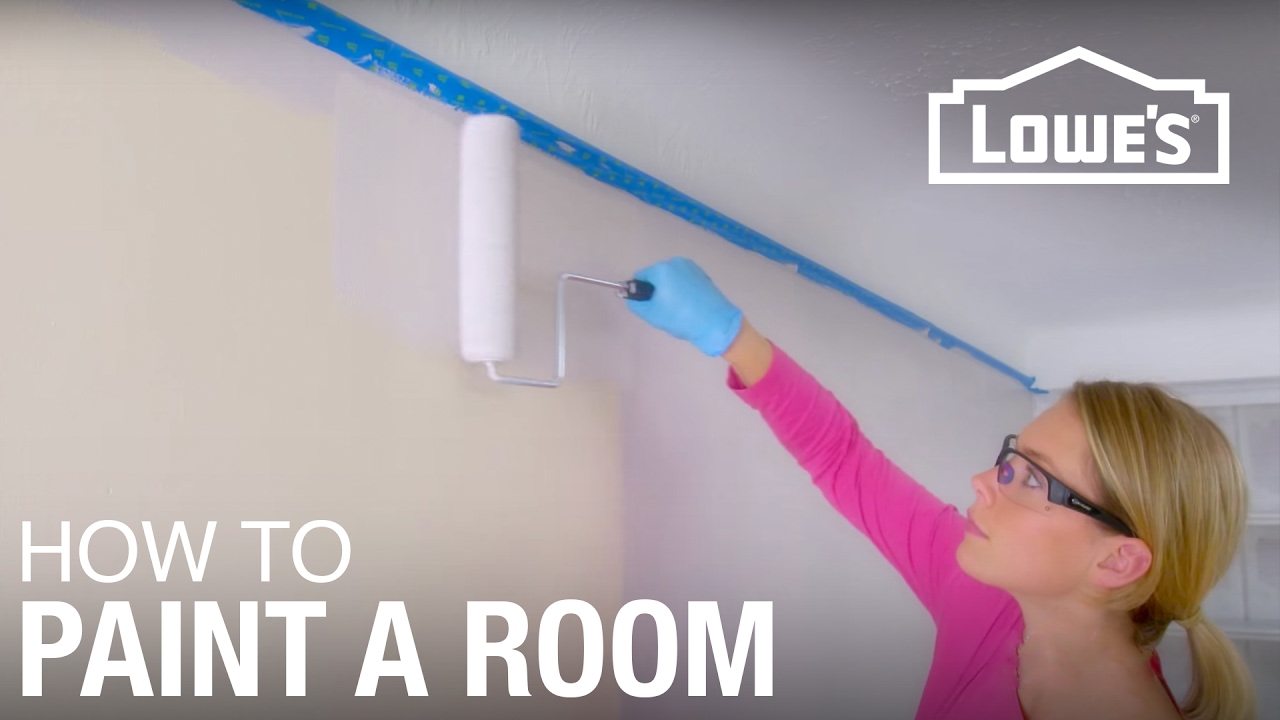
What You Need: Tools, Paint, and Supplies
Before you learn how to paint a room, get the right gear. The right tools save time and avoid mess. Cheap tools cost more in fixes and stress.
Essentials you will use:
- Paint: quality interior latex for most rooms. Flat or matte for ceilings. Eggshell for most walls. Satin for baths and kitchens. Semi-gloss for trim and doors.
- Primer: stain-blocking for water marks or smoke. Bonding primer for glossy or slick walls. Tinted primer helps with big color changes.
- Brushes: 2 to 2.5 inch angled sash brush for cutting in. A small trim brush for tight spots.
- Rollers: 3/8 inch nap for smooth walls. 1/2 inch nap for light texture. 3/4 inch for heavy texture.
- Gear: roller frame, extension pole, tray and liners, step ladder, drop cloths, painter’s tape, caulk and gun, spackle, putty knife, sanding sponge 120–220 grit, stir sticks, paint can opener.
- Cleaning: mild detergent, TSP substitute for grease, microfiber cloths, vacuum with brush head.
- Safety: gloves, eye protection, mask or respirator as needed, box fan with filter.
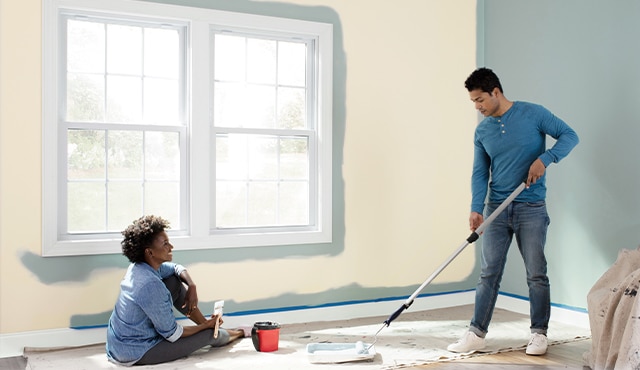
Plan Your Color, Sheen, and Quantity
Strong results in how to paint a room start with smart choices. Color, sheen, and paint amount decide how the room looks and lasts. A short plan saves a long redo.
Tips that work:
- Sample first. Paint two coats on poster board. Move it around the room. Check in daylight and at night.
- Pick sheen by use. Flat hides flaws but marks easy. Eggshell balances cleanability and soft look. Satin is tougher for kids’ rooms, baths, and kitchens. Semi-gloss stands up on trim and doors.
- Watch undertones and light. North light cools colors. Warm bulbs add yellow.
- Estimate paint. A gallon covers about 350 to 400 square feet per coat on smooth walls. Add 20% for texture, deep colors, or fresh drywall.
- Big color jumps? Ask for tinted primer. It cuts total coats.

Prep the Room Like a Pro
If you ask how to paint a room well, the real secret is prep. Paint sticks to clean, dull, and dry walls. Prep makes edges crisp and coats smooth.
Do this in order:
- Clear the room or group furniture in the center. Cover with plastic.
- Protect floors with canvas drop cloths. Tape seams. Use rosin paper on stairs or hallways.
- Remove switch plates and vent covers. Bag screws and label them.
- Wash walls with mild soap. Degrease kitchen spots. Rinse and let dry.
- Scrape loose paint. Fill holes and dents with spackle. Let dry, then sand smooth.
- Sand shiny paint to a dull scuff. Wipe dust with a damp microfiber cloth.
- Caulk gaps at trim and seams. Smooth with a wet finger. Let it skin over.
- Tape where needed. Press tape edges tight with a putty knife.
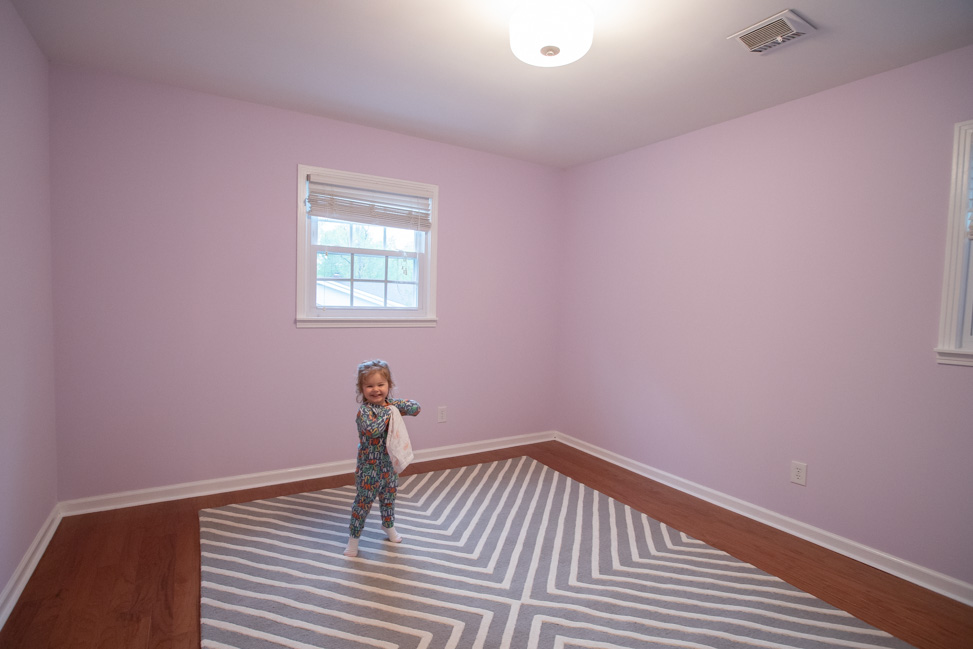
Prime Smart: When and How
A key step in how to paint a room is knowing when to prime. Primer solves stains, seals patches, and helps color cover fast. It also boosts adhesion.
Use primer when:
- You have new drywall or many patches. Drywall and joint compound soak paint.
- You switch from dark to light or bold colors. Tinted primer helps hide.
- You see stains, smoke, or water spots. Use a stain-blocking primer.
- The surface is glossy, oil-based, or slick. Use a bonding primer.
- Roll primer with the same nap you will use for paint. Follow dry and recoat times on the label.
Step-by-Step: How to Paint a Room Walls and Edges
Here is the clean, repeatable process for how to paint a room. Follow these steps and you will get even color and neat lines.
Steps that work every time:
- Paint the ceiling first. Cut in edges, then roll. Let it dry.
- Cut in walls. Use an angled brush. Make a steady 2 to 3 inch border at ceilings, corners, and trim.
- Load the roller. Dip, roll off excess on the tray, and keep it evenly wet.
- Roll one section at a time. Use a large W or M. Then fill in with light, even passes. Keep a wet edge.
- Feather edges. Lightly roll the last pass where the next section will meet.
- Check for drips and runs. Smooth them right away.
- Let the first coat dry as directed. Lightly sand rough spots with 220 grit.
- Apply the second coat in the same pattern. Keep your pace steady.
- Pull tape at a 45 degree angle while paint is still slightly soft. Score with a knife if it has dried.
- Inspect with side lighting. Touch up thin spots.
Pro tips:
- Work from the light source into the room. It hides lap lines.
- An extension pole saves your back and improves blend.
- Do not press hard on the roller. Let the nap do the work.

Ceilings, Trim, Doors, and Accents
Learning how to paint a room also means handling ceilings and trim. These parts frame the space. Clean lines here make the whole room look sharp.
Simple methods:
- Ceilings: use flat paint to hide flaws. Roll toward the main window. For texture, use a 1/2 inch nap and slow passes.
- Trim: sand, dust, and caulk gaps. Use semi-gloss. Brush from long edge to short and “tip off” with light strokes.
- Doors: remove knobs or mask them. Roll panels with a small roller, then tip with a brush for a smooth finish.
- Windows: raise sashes, paint frames, then sashes. Keep paint off weatherstripping.
- Accent walls: prime if using a strong color. Roll in the same direction for a clean look.

Drying, Curing, and Cleanup
Good results in how to paint a room depend on dry times. Paint dries fast on the surface but cures slow inside. Respect the timeline.
What to know:
- Many latex paints are dry to touch in 30 to 60 minutes. Recoat in 2 to 4 hours. Full cure can take 2 to 4 weeks.
- Keep air moving with a fan. Aim for 40 to 60% humidity and mild temps.
- Clean latex brushes and rollers with warm, soapy water. Rinse until clear. Shake or spin dry.
- Wrap rollers in plastic between coats to keep them wet. Do not let them sit in the tray for long.
- Label cans with room, color, sheen, and date. Store in a cool spot off the floor.
Cost, Time, and Coverage Benchmarks
Many ask how to paint a room on a budget. A few numbers help you plan. You can time your weekend and set a fair cost.
Useful ranges:
- Coverage: one gallon covers about 350 to 400 square feet per coat on smooth walls. Textured walls need more.
- Coats: most colors need two coats over primer or sound paint.
- Paint cost: good interior paint runs about $30 to $70 per gallon. Primer is often $20 to $40 per gallon.
- Tools: expect $40 to $120 if you need brushes, rollers, tape, and drop cloths.
- Time: for a 12 by 12 foot room with 8 foot walls, plan 2 to 4 hours for prep, 2 to 3 hours per coat, plus dry time.
Common Mistakes and Easy Fixes
Avoid these traps as you learn how to paint a room. Small changes prevent big issues. Fixes are simple when you catch them fast.
Watch for:
- Skipping prep. Result: peeling or poor adhesion. Fix: clean, sand, and prime glossy spots.
- Overworking paint. Result: brush and roller marks. Fix: load well and leave it alone to level.
- Using the wrong nap. Result: texture or thin coverage. Fix: match nap to the wall.
- Tape bleed. Result: fuzzy lines. Fix: press tape tight, or seal tape edge with a light coat of wall color first.
- Lap marks. Result: stripes. Fix: keep a wet edge and work in small sections.
- Flashing over patches. Result: dull spots. Fix: prime patched areas before paint.
- Drips and sags. Result: runs. Fix: roll them out at once, or sand and touch up when dry.
Safety, Ventilation, and Indoor Air Quality
Safety is part of how to paint a room well. You protect your health and your home. A few steps go a long way.
Keep it safe:
- Choose low-VOC or zero-VOC paint for better air. Open windows and run fans.
- Wear a respirator when you sand or use oil-based primers. Protect eyes and skin.
- Follow ladder rules. Keep three points of contact. Do not stand on the top step.
- Turn off power when removing light fixtures. Use safe work lights.
- Store solvent rags in a metal can with a tight lid. Keep kids and pets out until paint is dry.
Pro Tips from the Field: My Lessons Learned
Here is what years of how to paint a room taught me. Small habits made the biggest wins. These tips saved me hours and gave cleaner lines.
What I keep doing:
- Box your paint. Pour all cans of the same color into a bucket and mix. Color stays consistent from wall to wall.
- Pre-wet the roller and spin out water. It loads paint better and splatters less.
- Use a work light at a low angle. It reveals misses and runs at once.
- Wipe walls with a damp microfiber before you start. Dust kills adhesion.
- Warm a cold room to help paint level. Cool, damp air slows drying and can dull the sheen.
- Keep a small touch-up kit with a tight brush and a labeled jar. Future you will thank you.
Frequently Asked Questions of How to Paint a Room
How many coats do I need?
Most walls need two coats for even color. Deep or bright shades may need a tinted primer plus two coats.
Do I need primer every time?
Not always. Prime new drywall, stains, glossy surfaces, and big color changes.
What is the best order to paint a room?
Ceiling first, then walls, then trim and doors. This order avoids drips on finished surfaces.
How long should I wait before moving furniture back?
Wait at least 24 hours for latex wall paint to dry. Use pads and avoid tight contact for a few days while the paint cures.
Can I paint latex over old oil-based paint?
Yes, after proper prep. Clean, sand to dull, then use a bonding primer before latex.
How do I fix roller marks after it dries?
Lightly sand the marks until smooth. Clean the dust and apply a thin, even coat while keeping a wet edge.
Conclusion
You now know how to paint a room from start to finish. Plan your color and sheen, prep with care, then paint in a steady, simple rhythm. Two calm coats and good dry times win the day.
Grab your tools, set a playlist, and try one wall. Small wins build fast. If this guide helped, share it with a friend, subscribe for more home tips, or leave a comment with your next project.