How to clean hardwood floors: dust, vacuum, damp mop with pH-neutral cleaner, dry.
Hardwood looks best when you clean with care, not force. In this guide, I’ll show you how to clean hardwood floors like a pro, from quick daily dusting to safe deep cleaning. You’ll learn what works, what ruins finishes, and how to avoid common mistakes I’ve seen in homes and on job sites. If you want a simple, durable routine for how to clean hardwood floors without damage, you’re in the right place.
:max_bytes(150000):strip_icc()/mopping-wood-floors-getty-0123-2000-5479e90420a8494bb3317e611892bbf0.jpg)
Know Your Floor and Finish
Not all hardwood is the same. Cleaning depends on the wood type and the finish.
- Solid vs engineered: Solid is one piece of wood. Engineered has layers. Both clean the same way but react to water and humidity.
- Finish types: Most floors have a urethane or aluminum-oxide finish (sealed). Older floors might be waxed or oil-finished (penetrating). A sealed finish can handle a damp mop. Waxed or oil-finished floors prefer near-dry cleaning.
- Quick test: Rub a drop of water on a hidden spot. If it beads, you have a sealed finish. If it dulls or darkens, the floor may be waxed or oil-finished.
Why this matters: Cleaners and methods for how to clean hardwood floors vary by finish. Using the wrong product can dull or strip the surface. Most makers advise pH-neutral cleaners with no residue. Avoid strong solvents unless the finish allows it.
Personal note: I once saw cloudy streaks that would not buff out. The owner had used a heavy-duty degreaser on a urethane finish. It etched the gloss. Know your finish first to avoid that pain.
How to Clean Hardwood Floors Daily and Weekly
A simple routine keeps grit from scratching your floor. Here is the safe order for how to clean hardwood floors each week.
Daily or as needed:
- Dry dust with a microfiber mop. Pick up fine grit that cuts the finish.
- Spot-wipe spills right away. Use a barely damp cloth, then dry.
Weekly:
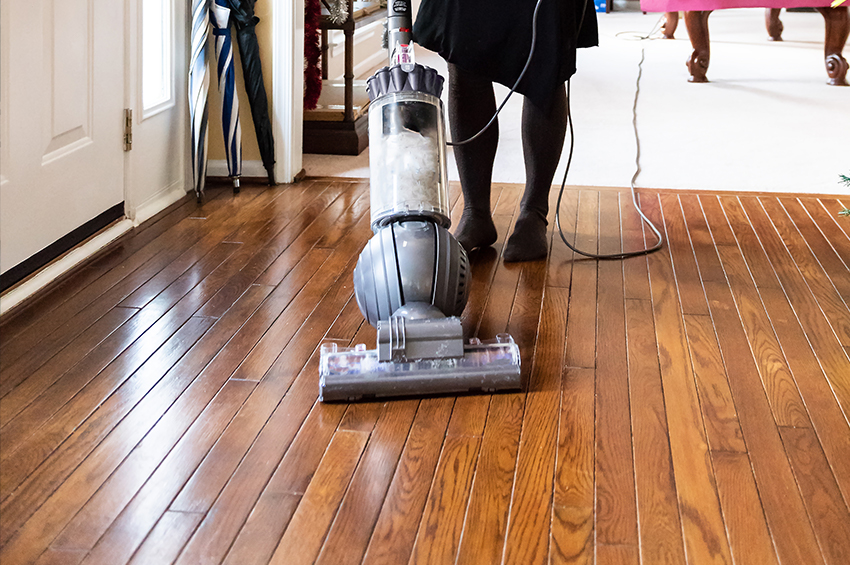
- Vacuum with a soft brush head. Turn off the beater bar. Get edges and under furniture.
- Damp mop with a microfiber pad and a pH-neutral hardwood cleaner. Lightly mist the pad, not the floor. Work with the grain in small sections.
- Dry the area at once with a clean towel or dry pad.
Pro tip: Less water is best. Wood swells with moisture. Keep rooms at 35–55% humidity for stable boards.
This steady plan for how to clean hardwood floors prevents haze, swirls, and early wear. It also keeps your warranty safe.
Deep Cleaning: A Safe Step-by-Step
When the floor looks dull or sticky, do a careful deep clean. Here is how to clean hardwood floors without risk.
- Prep the room: Lift chairs. Add felt pads. Shake out rugs.
- Test first: Try cleaner on a closet spot. Check for streaks or dulling.
- Dry removal: Vacuum and dust twice. Removing grit is half the job.
- Mix right: Use a pH-neutral hardwood cleaner as directed. No extra concentrate.
- Lightly mist: Spray the pad, not the floor. Work one 3×3 foot area at a time.
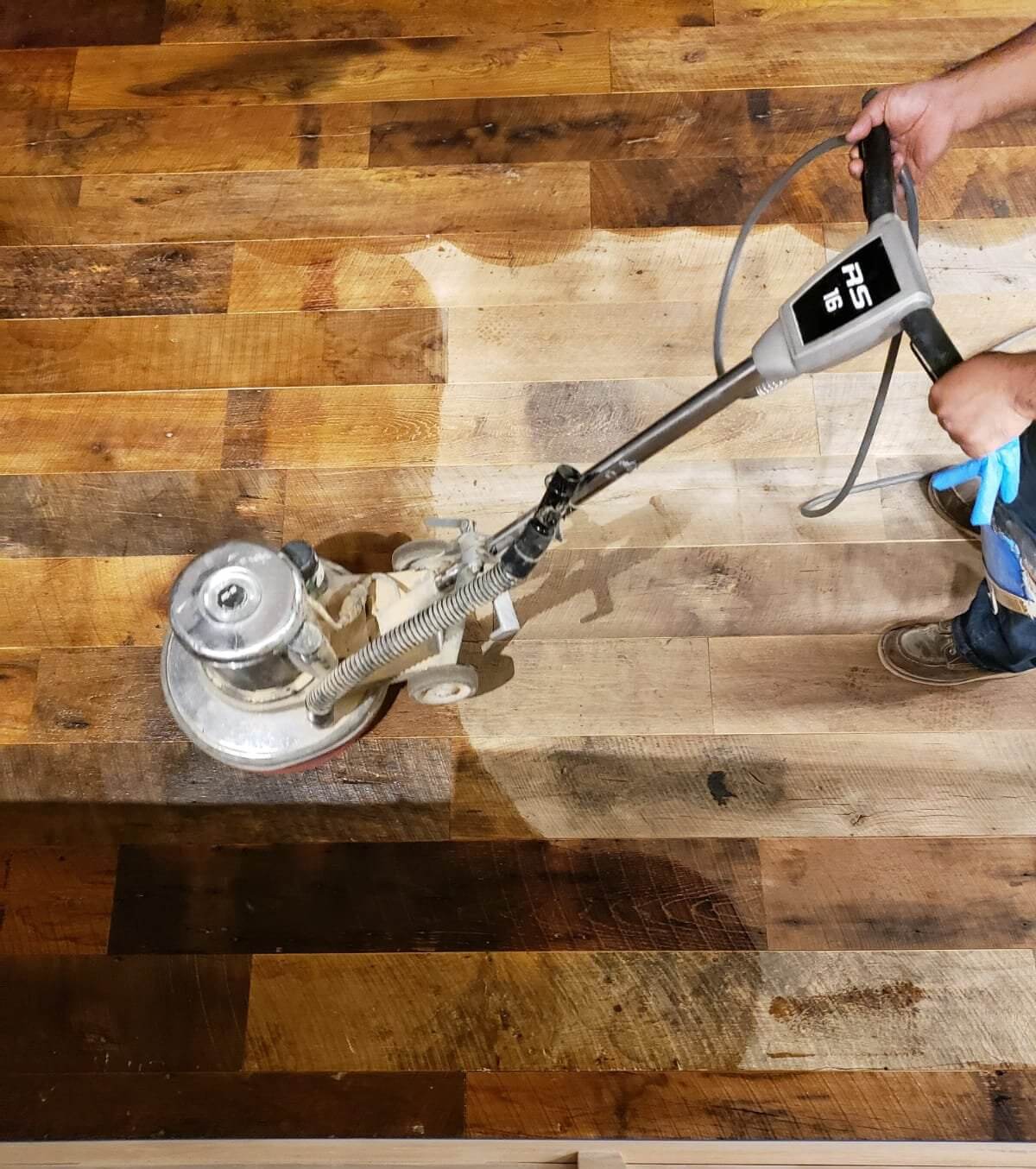
- Gentle scrub: Use a microfiber pad or soft brush. Follow the wood grain.
- Wipe dry: Buff with a dry pad at once. Do not let cleaner sit or pool.
- Final buff: Use a clean, dry microfiber cloth for a soft sheen.
For waxed floors: Skip liquid cleaner. Use dry cleaning pads and re-wax thinly if needed. For oil-finished floors: Use the finish maker’s soap and care oil.
Years of field work taught me this: dwell time is the silent enemy. Even a mild cleaner can haze if it sits too long.

Spot and Stain Fixes That Work
Spots need different tactics. Use these safe fixes when you think about how to clean hardwood floors in real life.
Food and drink spills
- Sealed finish: Wipe with a damp cloth and a drop of hardwood cleaner. Dry at once.
- Waxed or oil-finished: Use a near-dry cloth. Buff. Re-wax or add a touch of care oil if dull.
Grease and sticky mess
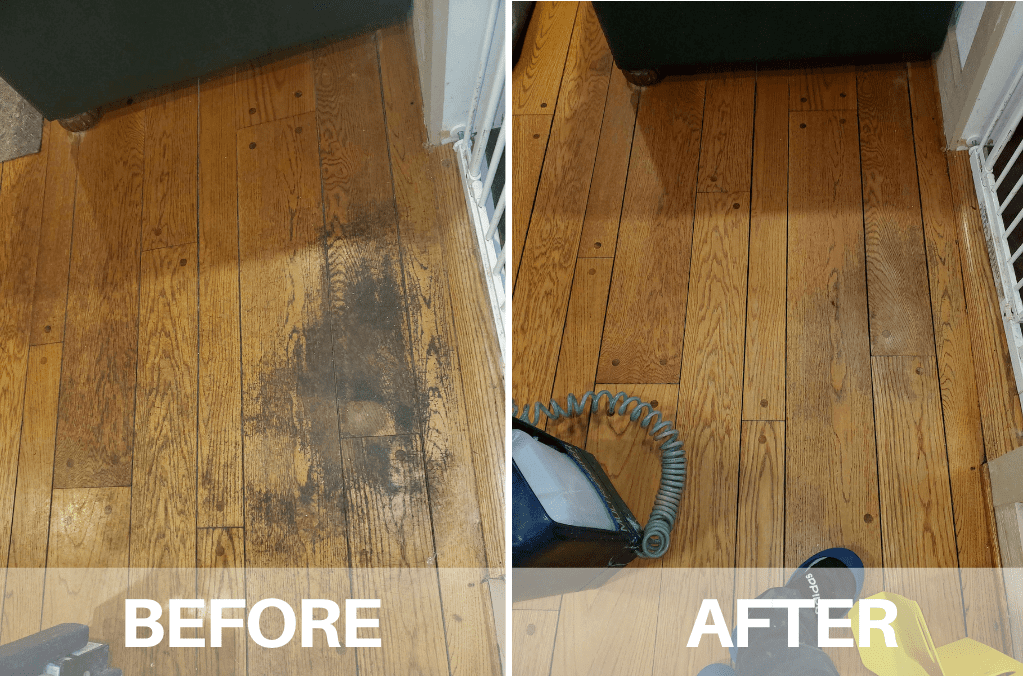
- Use a pH-neutral cleaner on a microfiber cloth. Press, do not rub hard. Repeat light passes. Dry.
Pet accidents
- Blot fast. Clean with a neutral cleaner. Odor can seep into seams. Keep the area dry. If black stains appear, the tannins may have reacted. You may need a pro refinish in that spot.
Water spots and white rings
- On sealed floors, they often sit in the finish. Try a gentle buff with a dry microfiber pad. Avoid heat tools and do not steam.
- On waxed floors, a light re-wax and buff can hide white rings.
Dark stains or black marks
- These can be in the wood, not just the finish. Most DIY products will not fix them. Call a pro for sanding or board repair.

What to Avoid When Cleaning
Avoid these traps when planning how to clean hardwood floors.
- Steam mops: Heat and moisture force vapor into seams and can cause peeling or cupping.
- Vinegar, ammonia, baking soda: These change pH and can etch or dull modern finishes.
- Oil soap on urethane: It leaves a film that causes haze and adhesion issues later.
- Too much water: Puddles or wet mops swell wood and stain edges.
- Abrasive pads or scrub sponges: They scratch the finish fast.
- Furniture sprays or polishes: They add silicone and cause streaks and slip hazards.
One client used a steam mop for a month. The boards crowned along traffic lanes. It cost more to fix than a year of pro cleaning. Please skip steam.

Tools and Cleaners I Trust
The right tools make how to clean hardwood floors simple and safe.
Must-have tools:
- Microfiber dust mop with removable pads. Wash pads without fabric softener.
- Soft-bristle vacuum head. Edge tool for corners.
- Spray bottle for cleaner. Fine mist helps control moisture.
- Clean cotton towels for drying and buffing.
- Felt pads for all furniture legs.
Cleaner tips:
- Choose a pH-neutral hardwood cleaner. It should be low-residue, fast-drying, and safe for your finish.
- Avoid products that promise high shine in one step. Many are polishes that add film.
- Do not mix your own with vinegar or dish soap. They can streak, dull, or leave residue.
If you must DIY in a pinch, use plain water sparingly on sealed floors and dry right away. Then get a proper hardwood cleaner before the next pass.
:max_bytes(150000):strip_icc()/spr-floor-cleaners-test-bona-hardwood-dburreson-004-1-9f5af37695a74092a418367b5f3142cc.jpg)
Maintenance and Long-Term Care
A few habits extend the life of your floor and shape how to clean hardwood floors over time.
- Entry mats: Use a coarse mat outside and a absorbent mat inside. Grit is enemy number one.
- Felt pads: Add to chairs and tables. Replace when they compress or get dusty.
- Shoe rules: Ask guests to remove shoes. Heels and pebbles scratch fast.
- Pet care: Trim nails and wipe paws after walks.
- Climate control: Keep 35–55% humidity. Use a humidifier in winter if needed.
- Recoat schedule: A screen-and-recoat every 3–7 years (traffic decides) refreshes the finish without sanding.
Watch for dull traffic lanes. If cleaning no longer restores sheen, a recoat can save the floor long before a full sand is needed.

Safety and Sustainability
Safe habits matter when you plan how to clean hardwood floors.
- Ventilation: Open windows or use fans during deep cleaning.
- Kid and pet safety: Store cleaners out of reach. Let floors dry before play.
- Eco picks: Pick low-VOC, water-based cleaners that leave no residue.
- Pad care: Wash microfiber pads with mild detergent. Skip fabric softener. Air dry to keep fibers grippy.
- Waste: Do not pour leftover cleaner down storm drains. Follow local rules.
Small steps keep your indoor air fresh and your floor happy.
Troubleshooting and When to Call a Pro
Sometimes how to clean hardwood floors is not enough. Know when to ask for help.
- Cupping: Edges higher than centers. Often moisture below. Fix the source first. Sand only after the wood rebalances.
- Crowning: Centers higher than edges. Often after cupping dries wrong. Needs pro sanding.
- Gaps: Small seasonal gaps are normal. Large or wide gaps may need repair.
- Peeling or flaking finish: Stop with strong cleaners. Ask a pro about screening and recoating.
- Deep scratches to bare wood: These need color touch-up and new finish layers.
If a room smells musty, boards feel soft, or stains keep returning, call a specialist. Early help saves money.
Frequently Asked Questions of How to Clean Hardwood Floors
How often should I clean hardwood floors?
Dust daily or as needed, and vacuum once a week. Damp mop sealed floors weekly or biweekly, then dry right away.
Can I use vinegar to clean hardwood?
It is not a good idea. Vinegar is acidic and can dull modern finishes and break down topcoats over time.
What is the best mop for hardwood floors?
A flat microfiber mop works best. It traps fine dust and uses very little moisture, which protects the wood.
Are steam mops safe for hardwood?
No. Heat and steam push moisture into seams and can cause cupping, peeling, and finish failure.
What cleaner should I use for sealed floors?
Use a pH-neutral hardwood cleaner with no residue. Lightly mist the pad, clean small sections, and dry at once.
How do I remove hazy residue?
Stop using oily or soapy products. Clean with a residue-free hardwood cleaner, then buff dry with a clean pad.
Can I use a robot vacuum on hardwood?
Yes, if it has a soft brush or no brush and good edge cleaning. Empty often and avoid wet-mopping robot modes.
How do I know if my floor needs recoating?
If cleaning no longer restores the sheen and traffic lanes look dull, it is time to screen and recoat.
Conclusion
Clean hardwood lasts longer and looks better with gentle, steady care. Dust often, vacuum weekly, damp mop with a pH-neutral cleaner, and dry right away. Avoid steam, harsh chemicals, and excess water. Add mats, felt pads, and stable humidity to protect your finish.
Start today: set a simple weekly plan for how to clean hardwood floors and gather the right tools. If you found this helpful, subscribe for more home care guides, or leave a comment with your floor care wins and questions.